

Are you worried about allergies but still want to enjoy the love and companionship of a dog? You’re not alone.
Many people hesitate to bring a furry friend into their home because of sneezing, itching, or watery eyes. But what if there were dog breeds designed to be easier on your allergies? Understanding hypoallergenic dog breeds can change everything for you.
You’ll discover which dogs are less likely to trigger your allergies and why they might be the perfect match for your lifestyle. Keep reading to find the ideal pup that fits both your heart and your health.
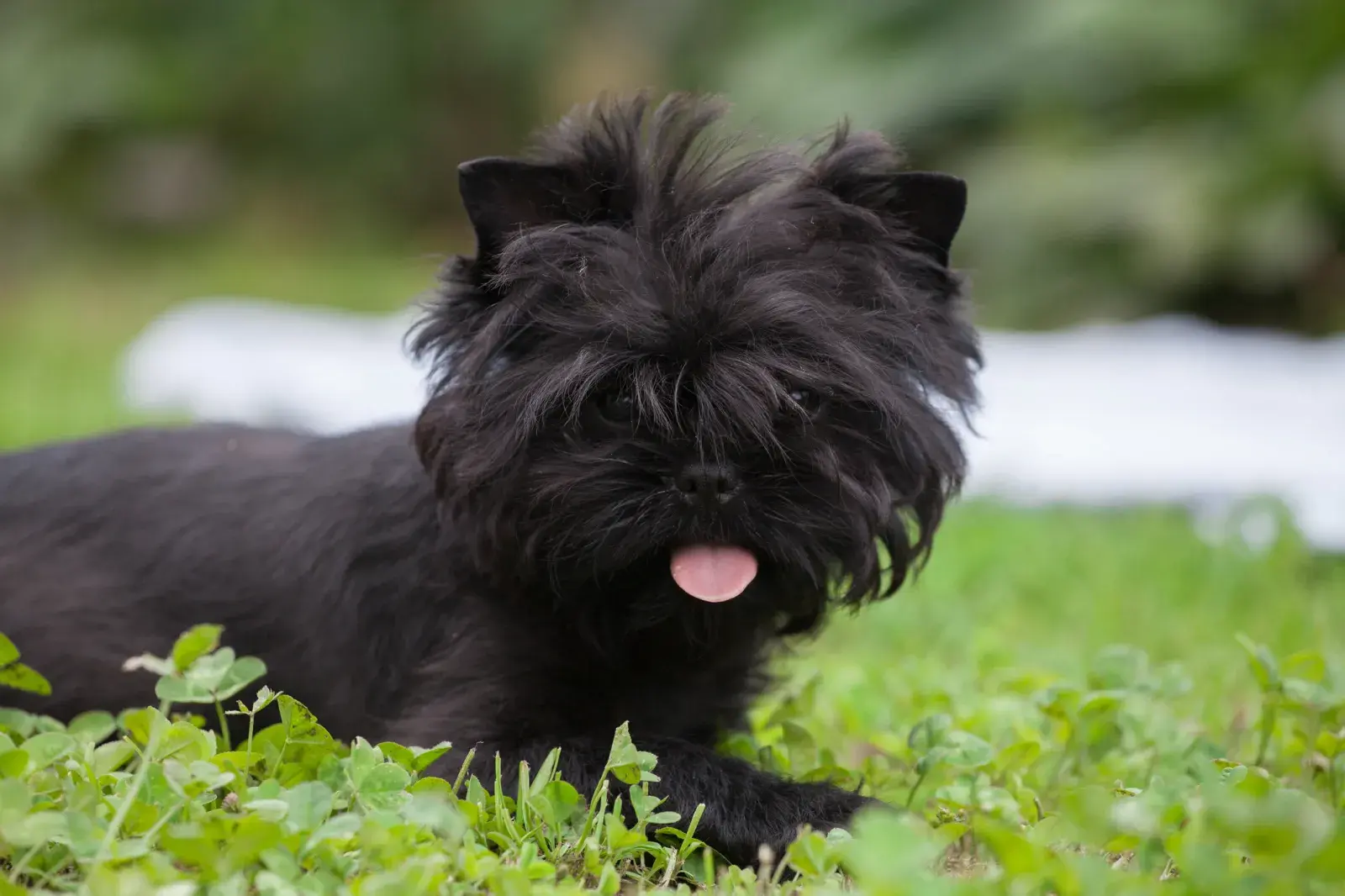
Credit: www.newsweek.com
Hypoallergenic Dogs Explained
Hypoallergenic dogs are popular among people with allergies. These breeds cause fewer allergic reactions. Many wonder what makes a dog hypoallergenic. Understanding this helps in choosing the right pet.
This section explains the basics of hypoallergenic dogs. Learn about allergens and common myths. This knowledge helps you care for your dog better.
What Makes A Dog Hypoallergenic
A hypoallergenic dog sheds less fur and dander. Dander is tiny skin flakes that cause allergies. These dogs also produce fewer proteins that trigger allergies.
Coat type matters. Hair that grows slowly reduces shedding. Some breeds have hair that stays on the dog longer.
Regular grooming helps control allergens too. Washing and brushing remove loose hair and dander.
Common Allergens In Dogs
Dog allergens are mainly found in skin flakes, saliva, and urine. Dander is the biggest cause of allergic reactions. When dogs shed, dander spreads in the air.
Saliva also carries allergenic proteins. When dogs lick themselves, saliva dries and becomes airborne. Urine proteins add to allergens on floors and furniture.
Myths About Hypoallergenic Breeds
No dog is 100% hypoallergenic. Some breeds cause fewer reactions but allergies still occur. Avoiding all allergens is impossible with any dog.
Coat color or size does not affect allergies. People often think small dogs cause fewer allergies, but this is false. Allergies depend on proteins, not size or color.
Proper care and cleaning reduce allergens more than breed choice alone. Vacuuming and washing bedding help control allergic reactions.
Top Hypoallergenic Dog Breeds
Hypoallergenic dog breeds are popular among people with allergies. These dogs shed less or produce fewer allergens. They can be great companions for sensitive individuals. Below are some top hypoallergenic dog breeds to consider.
Poodle Varieties
Poodles come in three sizes: standard, miniature, and toy. They have curly coats that shed very little. Poodles are intelligent and easy to train. Their low-shedding fur helps reduce allergens in the home.
Bichon Frise
Bichon Frise dogs have soft, curly coats. They do not shed much and are good for allergy sufferers. These dogs are friendly and playful. They enjoy being around people and adapt well to families.
Portuguese Water Dog
This breed has a curly, water-resistant coat. It sheds very little, making it hypoallergenic. Portuguese Water Dogs are active and love water. They need regular exercise to stay happy.
Schnauzer
Schnauzers come in three sizes: giant, standard, and miniature. Their wiry coats shed very little. These dogs are alert and make good watchdogs. Schnauzers are loyal and enjoy being with their owners.
Maltese
Maltese dogs have long, silky coats that shed minimally. They are small and gentle companions. Maltese dogs enjoy indoor living and are good for apartments. Their friendly nature makes them great pets.
Shih Tzu
Shih Tzus have thick, flowing coats that shed less than many breeds. They are affectionate and enjoy attention. Shih Tzus fit well in small homes. Regular grooming helps keep their coat healthy.
Yorkshire Terrier
Yorkshire Terriers have fine, silky hair that sheds little. They are small but full of energy. Yorkies make good pets for people with allergies. They need daily grooming to avoid tangles.
Basenji
Basenjis have short, fine coats that shed very little. They are known as “barkless” dogs. Basenjis are clean and fastidious animals. They require mental and physical stimulation daily.
Soft Coated Wheaten Terrier
This breed has a soft, wavy coat that sheds less than many dogs. They are friendly and lively. Wheaten Terriers get along well with families and children. Their coat needs regular brushing to prevent mats.
Choosing The Right Hypoallergenic Dog
Choosing the right hypoallergenic dog is important for a happy home. Each breed has different needs and traits. Think about your daily life and what fits best. This helps you enjoy your new pet without stress.
Size And Lifestyle Compatibility
Pick a dog size that matches your living space. Small dogs suit apartments better. Large dogs need more room to run. Consider your activity level. Active people benefit from energetic breeds. Less active people may prefer calm dogs.
Grooming Needs
Hypoallergenic dogs still need regular grooming. Some breeds require frequent brushing and trimming. Others have low grooming needs. Choose a dog with grooming needs you can handle. Grooming keeps your dog healthy and clean.
Temperament Considerations
Each dog breed has a unique personality. Some dogs are playful and energetic. Others are calm and quiet. Think about your family and lifestyle. Pick a dog temperament that fits well. This creates a balanced and happy home.

Credit: www.thepioneerwoman.com
Managing Allergies With Dogs
Managing allergies with dogs requires careful steps. Allergies cause sneezing, itching, and watery eyes. Many people love dogs but suffer from allergy symptoms. Choosing hypoallergenic dog breeds helps. Still, managing allergens around the home is key. This section covers ways to reduce allergy problems while living with dogs.
Cleaning Tips To Reduce Allergens
Clean your home often to lower dog allergens. Use a vacuum with a HEPA filter. Wash dog bedding every week in hot water. Wipe hard floors and furniture to remove pet hair. Groom your dog regularly to reduce shedding. Bathing your dog can help remove dander. Avoid carpet and heavy curtains that trap allergens.
Allergy Medications And Treatments
Over-the-counter allergy medications can ease symptoms. Antihistamines reduce sneezing and itching. Nasal sprays help clear congestion. Allergy shots may work for long-term relief. Always talk with a doctor before starting treatments. Some natural remedies might also reduce symptoms. Stay consistent with treatment for best results.
Creating Allergen-free Zones
Set up dog-free areas in your home. Bedrooms should be off-limits for pets. Use air purifiers with HEPA filters in these zones. Keep windows closed during high pollen days. Wash hands after touching your dog. These steps reduce allergen exposure where you rest. Create a clean, allergen-free space for better sleep.
Benefits Of Hypoallergenic Dogs
Hypoallergenic dogs offer many benefits for people sensitive to pet allergies. These breeds shed less hair and dander, reducing allergic reactions. Choosing a hypoallergenic dog can make life easier and more enjoyable for allergy sufferers. Their presence brings comfort without the usual allergy challenges.
Improved Quality Of Life For Allergy Sufferers
Hypoallergenic dogs allow allergy sufferers to enjoy pets without constant sneezing or itchy eyes. They reduce exposure to common allergens found in dog hair and skin flakes. This means fewer allergy symptoms and less need for medication. People can spend more time playing and bonding with their dog.
Emotional And Physical Health Perks
Having a dog helps reduce stress and anxiety levels. Hypoallergenic dogs provide these benefits without triggering allergies. Walking and playing with dogs encourage exercise and outdoor activity. These actions improve heart health and overall fitness. The companionship of a dog also supports emotional well-being.
Family-friendly Options
Hypoallergenic dogs suit families with allergy-prone members. They create a safer home environment for children and adults. These breeds often have friendly and gentle temperaments. They adapt well to family life and various living spaces. More families can enjoy pet ownership without allergy worries.

Credit: www.goodhousekeeping.com
Frequently Asked Questions
What Are Hypoallergenic Dog Breeds?
Hypoallergenic dog breeds shed less dander, reducing allergy triggers. They are ideal for sensitive individuals. Examples include Poodles, Bichon Frises, and Portuguese Water Dogs. These breeds produce fewer allergens, making them friendlier for allergy sufferers. However, no dog is 100% hypoallergenic.
How Do Hypoallergenic Dogs Affect Allergies?
Hypoallergenic dogs release fewer allergens like dander and saliva. This helps minimize allergic reactions in sensitive people. Their low-shedding coats reduce airborne allergens. Still, individual reactions vary, so spending time with the breed is important before adoption.
Which Dog Breeds Are Best For Allergy Sufferers?
Best hypoallergenic breeds include Poodles, Maltese, Shih Tzus, and Schnauzers. These dogs have hair instead of fur, shedding less dander. They are great for people with mild to moderate allergies. Regular grooming also helps control allergens effectively.
Can Hypoallergenic Dogs Cause Allergies?
Yes, hypoallergenic dogs can still cause allergies. They produce fewer allergens but don’t eliminate them entirely. Allergic reactions depend on individual sensitivity and exposure level. Always spend time with the dog to test your reaction before deciding.
Conclusion
Hypoallergenic dog breeds offer a great option for allergy sufferers. These dogs shed less and produce fewer allergens. Choosing the right breed helps reduce allergic reactions at home. Remember, no dog is 100% allergy-free, but some are better suited. Spend time with a dog before adopting to test your allergies.
Enjoy the love and companionship without constant sneezing. Hypoallergenic dogs bring joy and comfort for sensitive families. A thoughtful choice makes all the difference in pet ownership.


