

Are you dreaming of having a furry friend but worried about allergies? You’re not alone.
Many people avoid dogs because they fear sneezing, itchy eyes, or worse. But what if there were dog breeds that could be kinder to your allergies? Imagine enjoying the love and companionship of a dog without the discomfort. You’ll discover which hypoallergenic dog breeds might be the perfect match for you and your home.
Keep reading to find out how you can bring joy and comfort together with the right pup.
Credit: www.canadavet.com
What Makes A Dog Hypoallergenic
Understanding what makes a dog hypoallergenic helps many people find a pet that suits their allergies. A hypoallergenic dog causes fewer allergic reactions than other dogs. This does not mean zero allergies. It means less chance of triggering symptoms.
Allergic reactions to dogs happen because of certain proteins and particles dogs release. These particles can float in the air or stick to surfaces. Knowing these factors can guide you to choose a better dog for allergy sufferers.
Shedding And Dander
Shedding is the hair a dog loses naturally. Dander is tiny skin flakes dogs shed. These flakes often carry allergy-causing proteins. Dogs that shed less spread fewer skin flakes and hairs.
Breeds that shed little usually produce less dander in the air. This can reduce allergy symptoms. But no dog is fully free of dander. Regular cleaning helps manage it better.
Protein Triggers In Saliva
Dog saliva contains proteins that cause allergies. When dogs lick themselves, these proteins get on their fur. They dry and become airborne, affecting sensitive people.
Some breeds produce fewer allergy-causing proteins in their saliva. This can lower allergic reactions. Still, saliva is a common allergen, so it needs attention.
Factors Affecting Allergic Reactions
Each person’s allergy level varies. Some may react strongly, others mildly. Dog size and grooming habits affect allergen spread.
Regular baths and brushing remove loose hair and dander. Keeping dogs clean reduces allergens around the home. Air quality and cleaning routines also play a big role.

Credit: www.thepioneerwoman.com
Popular Hypoallergenic Dog Breeds
Hypoallergenic dog breeds attract many people with allergies. These dogs shed less and produce fewer allergens. That makes them easier to live with for allergy sufferers.
Several popular breeds fit this category. They have unique coats and friendly personalities. Here are some well-known hypoallergenic dogs that many love.
Poodle Varieties
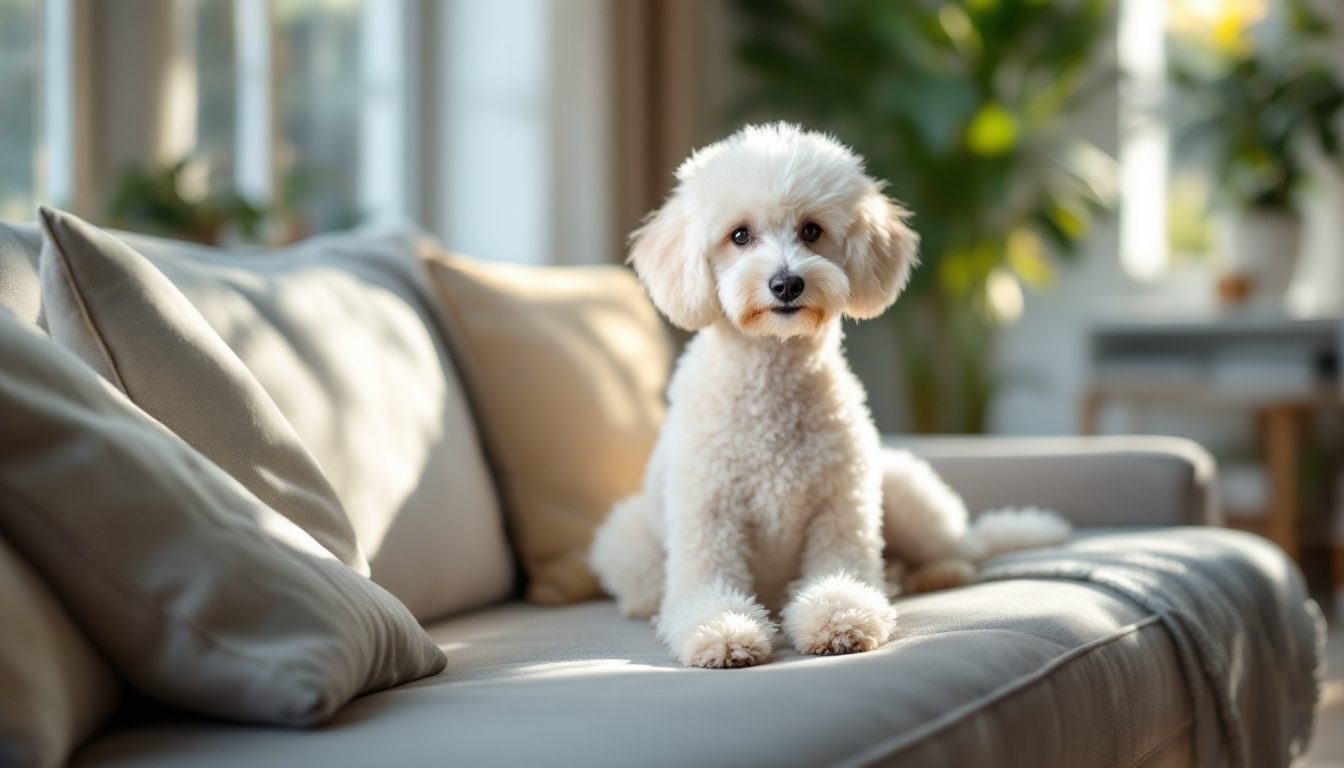
Poodles come in three sizes: standard, miniature, and toy. Their curly coats trap dander and shed very little. Poodles are smart and easy to train. They also have a playful and loyal nature.
Bichon Frise
The Bichon Frise has a soft, curly coat that does not shed much. This breed is cheerful and gentle with family. Bichons enjoy being active but also love cuddles. Their coat needs regular grooming to stay neat.
Maltese
Maltese dogs have long, silky white hair. They shed very little, which helps reduce allergies. These dogs are friendly and good with children. Maltese require daily brushing to prevent tangles.
Portuguese Water Dog
This breed has a thick, curly coat that sheds less. Portuguese Water Dogs are energetic and love water activities. They need regular exercise and mental challenges. Their coat needs consistent grooming to avoid mats.
Schnauzer
Schnauzers come in three sizes: miniature, standard, and giant. Their wiry coats shed very little and trap dander. These dogs are alert, obedient, and protective. Schnauzers also require regular grooming to maintain their coat.
Characteristics Of Allergy-friendly Dogs
Allergy-friendly dogs have special traits that make them easier to live with for people who sneeze or itch around pets. These dogs often shed less or have hair types that hold onto dander. Knowing these traits helps you choose the right dog for your home and health.
Understanding the key features of allergy-friendly dogs can guide your decision. This knowledge makes living with pets more enjoyable and comfortable.
Coat Type And Maintenance
Allergy-friendly dogs usually have hair, not fur. Their coats shed less dander and loose hair. Many have curly or silky hair that traps dander close to the skin. This stops it from spreading in the air. Regular grooming is important. It keeps their coat clean and reduces allergens. Bathing and brushing often help control dander build-up. Low-shedding coats are easier to maintain for allergy sufferers.
Size And Activity Levels
Smaller dogs often produce fewer allergens than large breeds. Less body size means less skin and hair shedding. Activity levels also matter. Active dogs may spread dander more with movement. Calm dogs tend to shed allergens less around the home. Choose a dog size and energy level that fits your lifestyle. This helps manage allergy symptoms better.
Temperament And Compatibility
Friendly and calm dogs suit allergy sufferers well. Stress or anxiety can increase shedding and dander. Dogs that adapt well to indoor living reduce allergen spread. Temperament affects how often grooming is needed. A patient dog allows easier cleaning routines. Compatibility with your family’s lifestyle improves health and happiness.

Credit: www.thepioneerwoman.com
Tips To Reduce Allergies With Dogs
Allergies can make living with dogs hard. Many people wonder how to reduce allergic reactions while keeping their pets happy and healthy. Simple habits and home care can lower allergens and improve comfort for everyone.
Regular Grooming And Bathing
Groom dogs often to remove loose hair and dander. Use a gentle brush to prevent skin irritation. Bathing your dog once every two weeks helps wash away allergens. Choose mild shampoos made for dogs. Keep your pet’s fur clean to reduce allergy triggers.
Home Cleaning Strategies
Clean floors and furniture regularly to remove pet hair and dust. Use a vacuum with a HEPA filter for better allergen capture. Wash dog bedding often in hot water. Avoid carpets if possible. Hard floors are easier to keep allergen-free.
Air Purifiers And Ventilation
Use air purifiers with HEPA filters to trap pet dander. Place them in common areas where your dog spends time. Open windows daily for fresh air and better ventilation. Fresh air helps reduce indoor allergens and keeps the home environment clean.
Testing Allergy Reactions Before Adoption
Testing allergy reactions before adopting a dog is very important. Allergies can cause sneezing, itching, and watery eyes. These symptoms make living with a dog hard. Knowing how your body reacts helps you choose the right breed. It also keeps your home comfortable and safe.
Spending Time With The Breed
Spend time with the dog breed you want to adopt. Visit shelters or breeders to meet them in person. Touch the dog and see if you feel any allergy symptoms. Stay for at least 30 minutes to notice delayed reactions. This real-life test shows how your body reacts to the dog.
Allergy Testing Options
Allergy tests can help identify specific triggers. Skin prick tests expose your skin to small amounts of allergens. Blood tests check for allergy antibodies in your body. Both tests provide useful information about your allergies. These tests help confirm if a breed is safe for you.
Consulting With Allergists
Allergists are doctors who specialize in allergies. They can guide you on managing dog allergies. Share your plans to adopt a dog with them. They might suggest tests or treatments to reduce symptoms. Their advice helps you live comfortably with your new pet.
Myths About Hypoallergenic Dogs
Many people believe hypoallergenic dogs do not cause allergies at all. This is not true. Misunderstandings about these breeds lead to wrong expectations. Knowing the facts helps you choose the right dog for your home.
All Dogs Shed And Cause Allergies
Every dog sheds some hair and skin flakes. These flakes carry proteins that cause allergies. Some breeds shed less, but none are completely free of allergens. Even hairless dogs can trigger allergies in sensitive people.
Hypoallergenic Means Allergy-free
Hypoallergenic means less likely to cause allergies, not zero risk. These dogs produce fewer allergens or keep them trapped in their fur. Allergy reactions vary from person to person. Always spend time with a dog before adopting.
Breed Guarantees
No breed guarantees an allergy-free pet. Individual dogs within a breed differ in allergen levels. Other factors affect allergies too, like cleanliness and grooming habits. Testing your reaction to a specific dog is the safest way.
Frequently Asked Questions
What Makes A Dog Breed Hypoallergenic?
Hypoallergenic dog breeds shed less dander and hair, reducing allergens. They produce fewer proteins that trigger allergies, making them better for sensitive individuals.
Are There Truly Hypoallergenic Dog Breeds?
No dog breed is 100% hypoallergenic, but some breeds cause fewer allergic reactions. These breeds are recommended for allergy sufferers due to their low shedding.
Which Dog Breeds Are Best For Allergy Sufferers?
Breeds like Poodles, Bichon Frises, and Portuguese Water Dogs are popular hypoallergenic choices. Their coat type minimizes dander and shedding, easing allergy symptoms.
Can Hypoallergenic Dogs Cause Allergies?
Yes, hypoallergenic dogs can still cause mild allergic reactions. Individual sensitivity varies, so spending time with a dog before adoption is important.
Conclusion
Hypoallergenic dog breeds can help reduce allergy problems. No dog is completely allergy-free, but some breeds shed less. Choosing the right dog depends on your allergies and lifestyle. Spending time with a dog before adopting helps a lot. Regular grooming also keeps allergens low around the home.
Many people with allergies live happily with these breeds. Finding the best match takes patience and care. Enjoy the love and joy a dog can bring.


