

Have you ever wondered how much a dog breeder actually makes in a year? Whether you’re thinking about starting your own breeding business or just curious about the numbers, understanding the potential income is key.
You might be surprised by the factors that affect earnings and how much control you really have over your profits. Keep reading, because by the end of this article, you’ll know exactly what to expect and how to maximize your dog breeding income.
Factors Influencing Breeder Income
Several factors affect how much a dog breeder can earn in a year. Income varies widely based on breed, location, and the number of puppies sold. Understanding these factors helps to see the real picture of breeder earnings.
Breed Popularity And Demand
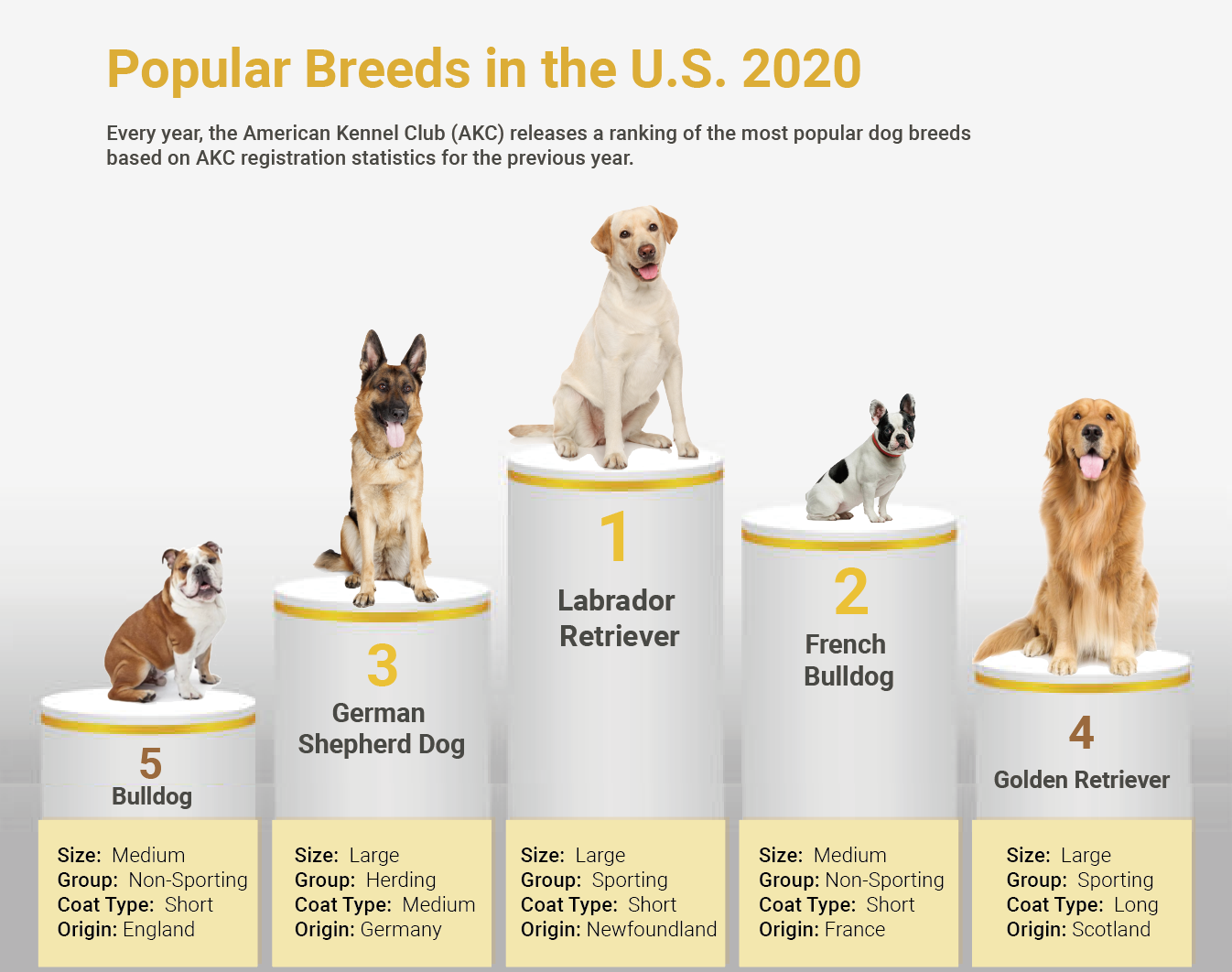
Popular dog breeds tend to sell faster and at higher prices. Breeders of rare or less popular breeds may earn less. Demand affects how many puppies a breeder can sell each year.
Number Of Litters Per Year
The number of litters a breeder has impacts total income. More litters mean more puppies to sell. Care and quality should not be sacrificed for quantity.
Puppy Pricing Variations
Prices vary by breed, health, and lineage of the puppies. Some breeds command premium prices. Pricing also depends on the breeder’s reputation and care standards.
Geographical Location Impact
Location influences demand and pricing for puppies. Urban areas often have higher prices due to greater demand. Rural breeders might sell fewer puppies at lower prices.

Credit: dojobusiness.com
Typical Earnings Range
Understanding the typical earnings of dog breeders helps set realistic expectations. Earnings vary widely based on the scale of the breeding operation. Each level has distinct income possibilities and challenges.
Small-scale Breeders
Small-scale breeders usually work part-time or as a hobby. They often breed one or two litters per year. Annual income ranges from $5,000 to $20,000. Costs like food, vet bills, and supplies reduce profits. These breeders focus on quality, not quantity.
Mid-level Breeders
Mid-level breeders run a more consistent business. They may breed 5 to 15 litters annually. Earnings generally fall between $20,000 and $70,000 per year. They invest more in health testing and facilities. This level requires time and moderate financial commitment.
Large-scale Breeders
Large-scale breeders manage multiple dogs and frequent litters. They can produce 20 or more litters yearly. Annual income often exceeds $70,000 and can reach six figures. High overhead costs include staff, marketing, and large facilities. Success depends on strong management and reputation.
Costs That Affect Profit
Understanding the costs behind dog breeding helps reveal the true profit. Many expenses reduce the money breeders earn each year. Counting these costs gives a clearer picture of the business.
Veterinary Expenses
Health checks and vaccinations cost a lot. Pregnant dogs need special care and tests. Emergencies can cause unexpected bills. Regular vet visits keep dogs healthy but add up fast.
Food And Supplies
High-quality dog food is essential for strong puppies. Supplies like bedding, toys, and grooming tools add to expenses. Clean water and proper nutrition cannot be skipped. These costs grow with the number of dogs.
Marketing And Advertising
Finding good buyers requires effort. Creating websites and social media pages costs money and time. Advertising in local papers or online platforms also needs a budget. Good marketing helps sell puppies faster but costs can be high.
Facility And Maintenance Costs
Clean, safe spaces need regular upkeep. Heating, cooling, and repairs add to bills. Fencing and kennels must be sturdy and secure. These costs protect dogs but lower overall profit.
Legal And Ethical Considerations
Running a dog breeding business involves more than just caring for puppies. Legal and ethical rules guide breeders to protect dogs and buyers. These rules affect how much a dog breeder can earn each year. Good breeders follow laws and treat animals with respect.
Licensing Requirements
Most places require breeders to have a license. This license proves they meet local laws. Without a license, breeders may face fines or close down. Licensing helps ensure safe and humane breeding practices. Buyers can trust licensed breeders more easily.
Health Screenings
Health checks are essential for breeding dogs. These screenings prevent passing diseases to puppies. Responsible breeders test for genetic problems and infections. Healthy puppies grow stronger and live longer. This care improves the breeder’s reputation and sales.
Breeding Standards
Good breeders follow strict breeding standards. They avoid overbreeding and select healthy parents. Standards focus on temperament, size, and breed traits. Ethical breeding supports the dog’s well-being and breed quality. Following standards builds trust and steady income for breeders.
Alternative Income Sources For Breeders
Dog breeders can earn money beyond just selling puppies. Many find extra income through other related services. These alternatives help stabilize income and build a loyal client base. Exploring these options can make breeding more profitable and enjoyable.
Stud Services
Stud services offer a steady income source for dog breeders. They allow other breeders to use a male dog for mating. Fees vary based on the dog’s pedigree and health. This service requires less effort than raising puppies. It also helps spread a breeder’s reputation in the dog community.
Training And Grooming
Training and grooming services attract pet owners who want the best care. Breeders often know a lot about dog behavior and health. Offering basic training classes or grooming sessions can bring in extra cash. These services keep dogs healthy and well-behaved, which appeals to buyers. It also builds trust between breeders and customers.
Selling Pet Supplies
Many breeders sell pet supplies to meet their clients’ needs. Items like food, toys, and grooming tools are popular. Selling supplies creates a convenient shopping option for dog owners. It adds a steady income stream with minimal extra work. This service also encourages repeat visits to the breeder’s business.

Credit: www.dogster.com
Tips To Maximize Breeder Earnings
Maximizing earnings as a dog breeder requires smart planning and care. Focus on key areas to grow your income steadily. This helps build trust and attract more buyers. Quality and reputation go hand in hand with profit. Here are important tips to increase your breeder earnings effectively.
Building A Strong Reputation
Reputation is the foundation of a successful breeding business. Provide healthy, well-socialized puppies to happy owners. Keep clear records of each dog’s health and lineage. Ask satisfied buyers for reviews and testimonials. Positive feedback spreads fast and brings more clients. Attend dog shows and local events to showcase your dogs. Be honest and transparent about your breeding practices. Trust leads to repeat business and referrals.
Effective Marketing Strategies
Good marketing helps reach more potential buyers. Use simple websites with clear photos and puppy details. Share updates and photos on social media regularly. Join online groups where dog lovers gather. Use local advertising like flyers or community boards. Highlight what makes your dogs special and healthy. Respond quickly to inquiries to keep interest high. Consistent marketing keeps your business visible and active.
Maintaining Puppy Health
Healthy puppies sell faster and at better prices. Work with a vet for regular checkups and vaccinations. Feed breeding dogs high-quality food for strong puppies. Provide a clean, safe environment for mothers and pups. Monitor puppies closely for any signs of illness. Early health care reduces future problems and builds trust. Healthy puppies make happy owners who recommend your services.
Credit: labiosthetique.ee
Frequently Asked Questions
How Much Can A Dog Breeder Earn Annually?
A dog breeder’s annual earnings vary widely, typically ranging from $20,000 to $100,000. Income depends on breed demand, litter size, and reputation. Experienced breeders with popular breeds often earn more. Expenses like veterinary care and marketing impact profits, so net income can differ significantly.
What Factors Affect A Dog Breeder’s Yearly Income?
Income depends on breed popularity, litter frequency, and puppy sale prices. Quality care, marketing efforts, and location also influence earnings. High demand breeds and ethical breeding practices usually increase profits. Unexpected costs, like health issues, can reduce overall income.
Is Dog Breeding A Profitable Long-term Career?
Dog breeding can be profitable with proper knowledge and dedication. Success requires investing in health, genetics, and marketing. Ethical breeders build reputation and steady income over time. However, it involves risks and expenses that can affect long-term profitability.
How Many Puppies Does A Breeder Sell Yearly?
The number varies but often ranges from 10 to 50 puppies annually. This depends on the breeder’s scale, breed type, and breeding frequency. Larger operations typically sell more puppies, while small breeders focus on quality over quantity.
Conclusion
Earning as a dog breeder varies widely each year. Many factors affect income, like breed, location, and experience. Some breeders make a modest profit, while others earn more. Success depends on good care and strong reputation. Breeding dogs takes time, effort, and patience.
It is not a quick way to make money. Understanding costs and responsibilities helps set realistic goals. Those who plan well often find steady income. Dog breeding can be rewarding beyond just earnings. Think carefully before starting this journey.


