Are you thinking about breeding your dog or buying a puppy with breeding potential? Understanding what breeding rights for dogs really mean is crucial before making any decisions.
Breeding rights affect your ability to breed your dog or sell puppies, and they can impact your responsibilities and benefits. If you want to protect your interests and make informed choices, you need to know how breeding rights work. Keep reading to discover everything you should consider about breeding rights and how they might affect you and your furry friend.
Credit: www.etsy.com
Breeding Rights Basics
Breeding rights are an important topic for dog owners and breeders. Understanding these rights helps avoid confusion and legal problems. This section explains the basics of breeding rights in simple terms. It covers what breeding rights mean and the common types of agreements involved.
Definition Of Breeding Rights
Breeding rights allow a person to use a dog for mating. This right is often part of a sale or contract. The owner of the dog may keep or give these rights. Breeding rights let the holder produce puppies from the dog. This can be a valuable benefit in dog breeding.
Types Of Breeding Agreements
There are different ways to arrange breeding rights. Some agreements allow unlimited breeding. Others limit the number of times a dog can mate. Some agreements share puppies between the owner and breeder. Each type has specific rules and conditions to follow. Clear agreements help protect both parties.
Importance Of Breeding Rights
Breeding rights play a vital role in dog breeding. They help maintain the quality and health of dog breeds. Owners and breeders use these rights to control how their dogs are bred. This control keeps the breed’s traits pure and prevents issues from careless breeding.
Protecting Genetic Integrity
Breeding rights protect the dog’s genetic makeup. This ensures puppies inherit the best traits from their parents. Without these rights, mixed or poor-quality breeding might occur. Genetic integrity helps keep a breed’s unique features strong and healthy. It also reduces the risk of hereditary diseases.
Ensuring Responsible Breeding
Breeding rights encourage breeders to act responsibly. They must follow rules and guidelines to breed dogs safely. Responsible breeding means selecting healthy dogs with good temperaments. It prevents overbreeding and neglect. This care improves the lives of both dogs and puppies.
Common Terms In Breeding Contracts
Breeding contracts protect the rights of dog owners and breeders. These contracts set clear rules for breeding dogs. They explain what each party can and cannot do. Understanding common terms helps avoid confusion or disputes. Clear contracts ensure smooth partnerships and happy dogs.
Stud Service Agreements
Stud service agreements describe the terms for using a male dog for breeding. They state the service fee or exchange terms. The agreement often covers the number of breedings allowed. It may include the health requirements for the stud dog. These agreements protect the stud owner’s rights and the female owner’s expectations.
Puppy Ownership Clauses
Puppy ownership clauses explain who owns the puppies after breeding. Sometimes, the breeder keeps some puppies or has first choice. The clause may say if the owner can sell or keep the puppies. It also covers what happens if the puppies have health problems. Clear clauses prevent arguments about puppy ownership later.
How To Obtain Breeding Rights
Obtaining breeding rights for dogs involves clear steps and proper agreements. These rights allow you to breed a dog legally and responsibly. The process starts with communication and ends with signed documents. Knowing how to navigate this process helps avoid disputes and ensures ethical breeding.
Negotiating With Breeders
Start by discussing terms directly with the breeder. Talk about the number of litters allowed and any fees involved. Clarify who owns the puppies and how profits are shared. Be honest about your plans and expectations. Good negotiation builds trust and sets clear boundaries.
Legal Documentation
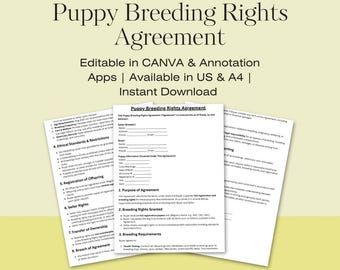
After agreement, get the terms in writing. A contract should detail all conditions about breeding rights. Include clauses about health checks and registration requirements. Both parties must sign the contract for it to be valid. Keep a copy for your records and future reference.
Risks And Challenges
Breeding rights for dogs involve legal and financial agreements between dog owners and breeders. These rights can bring benefits but also come with risks and challenges. Understanding these issues helps avoid problems later.
Potential Disputes
Disputes often arise over the use of breeding rights. Owners may disagree about breeding frequency or partner selection. Misunderstandings about contract terms can lead to conflicts. Sometimes, disagreements happen over puppies’ ownership or care. Clear communication and written agreements reduce these risks.
Financial Considerations
Breeding rights can involve significant costs. Owners might pay fees for using a dog’s breeding rights. Expenses include veterinary care, registration, and marketing. Unexpected costs can appear, such as health issues in the puppies. Budgeting carefully is important to manage these financial challenges.
Credit: www.aspca.org
Breeding Rights And Dog Registries
Breeding rights and dog registries connect closely in the world of dog breeding. Breeding rights give permission to use a dog for producing puppies. Dog registries keep official records of these dogs and their lineage. These registries set rules breeders must follow to maintain breed standards.
Understanding how breeding rights work with registries helps ensure healthy and purebred dogs. It also protects the reputation of both breeders and the breed itself.
Registry Rules Impact
Dog registries have strict rules about breeding rights. They decide which dogs can be bred and registered. These rules prevent poor health and mixed breeds from entering the registry. Breeders must follow the registry’s guidelines to keep the dog’s registration valid. Ignoring these rules can lead to losing breeding privileges and registration for puppies.
Maintaining Pedigree Integrity
Breeding rights help maintain pedigree integrity within registries. Pedigree integrity means keeping a pure and traceable family tree. Registries require proof of lineage to protect breed quality. By controlling breeding rights, they stop inbreeding and genetic problems. This ensures future generations stay strong and true to breed standards.
Tips For Buyers And Breeders
Understanding breeding rights is important for both buyers and breeders. It helps to protect the dog’s future and the interests of everyone involved. Clear agreements prevent confusion and problems later.
Here are some useful tips to guide buyers and breeders through the process of breeding rights. These tips will help you make smart decisions and find trustworthy partners.
Questions To Ask Before Agreement
Ask about the dog’s health history and genetic tests. Inquire if the breeder offers a written contract about breeding rights. Clarify how many litters you can have and the fees involved. Find out if the breeder keeps any control over the puppies. Ask about the support provided after the sale. Check if you can return the dog if needed.
Signs Of A Reputable Breeder
A reputable breeder shows proof of health checks and vaccinations. They provide clear, written contracts about breeding rights. They are open to answering questions honestly. They allow visits to see the dog and the living conditions. They care about the dog’s well-being, not just money. They offer ongoing advice and help after selling the dog.

Credit: www.aspca.org
Frequently Asked Questions
What Does Breeding Rights Mean For Dogs?
Breeding rights allow a buyer to breed a dog and keep the puppies. These rights are often sold separately from pet ownership.
Can I Sell A Dog Without Breeding Rights?
Yes, many dogs are sold without breeding rights. This means you cannot legally breed or sell puppies from that dog.
Why Are Breeding Rights Important In Dog Ownership?
Breeding rights protect the breeder’s investment and control over the dog’s lineage. They prevent unauthorized breeding and maintain breed standards.
How Do Breeding Rights Affect Dog Prices?
Dogs with breeding rights usually cost more. This is due to the potential to breed and sell puppies legally.
Conclusion
Breeding rights help dog owners and breeders agree on puppy use. They protect the dog’s value and control future litters. Knowing these rights avoids misunderstandings and legal issues. Always read the breeding contract carefully before signing. Clear agreements keep everyone happy and protect the dogs.
Understanding breeding rights is key for responsible dog breeding. Keep learning and ask questions to stay informed. This knowledge supports healthy dogs and good breeding practices.