

You’ve probably heard that hypoallergenic dog breeds are perfect for people with allergies. But what if you still find yourself sneezing or itchy around these dogs?
Can you actually be allergic to hypoallergenic dog breeds? This question matters if you want a furry friend without the sniffles and sneezes. You’ll discover the surprising truth behind hypoallergenic dogs and allergies. Keep reading to find out what really causes allergic reactions and how you can choose the right dog for your home—without sacrificing your health or happiness.
What Makes A Dog Breed Hypoallergenic
Hypoallergenic dog breeds cause fewer allergy problems for many people. These dogs produce less dander, saliva, and shedding fur. Allergies come mainly from proteins in dander and saliva, not fur itself. So, breeds that shed less or have hair like humans often trigger fewer allergic reactions.
Not all hypoallergenic dogs are the same. Each breed has different traits that help reduce allergens. Understanding these traits helps explain why some dogs are easier for allergy sufferers.
Common Hypoallergenic Breeds
Some dog breeds are well-known for being hypoallergenic. Poodles have curly hair that traps dander and fur. Bichon Frises have soft, dense coats that shed little. Maltese dogs also shed very little. Yorkshire Terriers carry hair, not fur, which reduces dander spread. These breeds often suit people with mild allergies.
Traits That Reduce Allergens
Hypoallergenic dogs share certain traits. Low shedding coats keep dander from spreading. Curly or wavy hair traps loose skin cells. Some breeds produce less saliva, lowering allergen levels. Regular grooming removes dander and loose hair. Smaller dogs may produce fewer allergens than large ones. These traits help create a better environment for allergy sufferers.
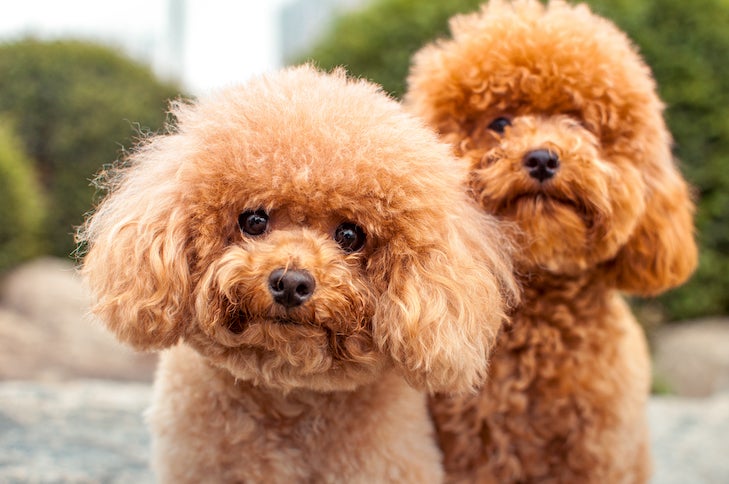
Credit: www.akc.org
Allergic Reactions To Hypoallergenic Dogs
Many people believe hypoallergenic dogs do not cause allergies. The truth is, allergic reactions can still happen. These dogs shed less fur but still produce allergens. Understanding why allergies occur helps manage symptoms better.
Even hypoallergenic breeds can trigger sneezing, itching, or watery eyes. Knowing the types of allergens and their sources is important for allergy sufferers.
Types Of Allergens In Dogs
Allergens come from a dog’s skin, saliva, and urine. Proteins in dander are the main cause. Dander means tiny skin flakes that shed into the air. Saliva also has proteins that cause reactions when dogs lick themselves or you.
Urine allergens can stick to fur and surfaces. When dry, these allergens spread easily. Fur collects dander and saliva but is not the allergen itself. Different dogs produce different amounts of these proteins.
Why Allergies Occur Despite Hypoallergenic Labels
Hypoallergenic means less allergen, not allergen-free. All dogs produce proteins that can cause allergies. Breeds called hypoallergenic shed less fur and dander. This reduces allergens but does not remove them completely.
People react differently to allergens. Some may tolerate hypoallergenic dogs well. Others still show symptoms after contact. The environment, cleaning habits, and dog grooming also affect allergy levels.
Factors Influencing Dog Allergies
Dog allergies depend on many factors beyond breed type. Hypoallergenic breeds may cause less reaction but not zero. Understanding what influences allergies helps manage symptoms better.
Individual Sensitivities
People react differently to dog allergens. Some have mild symptoms, others severe. Sensitivity depends on immune system strength and past exposure. Even hypoallergenic dogs can trigger allergies in sensitive individuals.
Environmental Triggers
Surroundings affect allergy severity. Dust, pollen, and mold increase irritation. Poor ventilation makes allergens stay in the air longer. Clean homes reduce environmental triggers and allergy risks.
Dog Grooming And Allergens
Regular grooming lowers allergen spread. Bathing removes dander and loose hair. Brushing controls shedding and reduces airborne particles. Grooming frequency impacts allergen levels in the home.

Credit: www.akc.org
Managing Allergies Around Hypoallergenic Dogs
Managing allergies around hypoallergenic dogs requires careful steps. These dogs shed less, but some people still react. Understanding your allergy and controlling the environment helps live comfortably with a dog.
Allergy Testing And Diagnosis
Start with allergy testing to know what triggers your symptoms. A doctor can perform skin or blood tests. This shows if you react to dog dander or other allergens. Accurate diagnosis guides the best treatment and care.
Allergy Relief Strategies
Use medications like antihistamines to reduce itching and sneezing. Nasal sprays may help clear congestion. Regularly washing hands after petting your dog lowers exposure. Consult a doctor before starting any new medicine.
Creating An Allergy-friendly Home
Keep your dog out of bedrooms to reduce allergens there. Use HEPA air filters to clean the air. Vacuum often with a machine made for pet hair. Wash your dog’s bedding and toys regularly. These steps cut down allergens indoors.
Alternatives To Hypoallergenic Dogs
Not everyone finds relief with hypoallergenic dogs. Allergies can still flare up despite breed choices. Many people seek alternatives that suit their health and lifestyle better.
Exploring other options helps find the right pet or companion. Some animals cause fewer allergic reactions. Others do not trigger allergies at all.
Other Pets For Allergy Sufferers
Cats often cause allergies, but some breeds are better tolerated. Birds like parakeets and canaries produce little dander and may be a good fit. Fish tanks bring life and calm without allergy risks. Small rodents, such as hamsters or guinea pigs, can be easier for allergy sufferers to keep. Reptiles like turtles or lizards do not produce dander and can be great companions.
Non-pet Options For Companionship
Companionship does not always need a pet. Plants add beauty and calm to any space without allergies. Gardening offers a fulfilling hobby and brings nature indoors. Volunteering with animals at shelters allows interaction without owning a pet. Robotic pets provide comfort and company without allergy concerns. Art and music can also fill the need for emotional connection and joy.

Credit: www.reddit.com
Frequently Asked Questions
Can Hypoallergenic Dogs Still Cause Allergies?
Yes, hypoallergenic dogs produce fewer allergens but can still trigger allergies in sensitive people. Allergens come from dander, saliva, and urine, not just fur.
What Makes A Dog Breed Hypoallergenic?
Hypoallergenic breeds shed less fur and dander, reducing allergen spread. They often have hair that grows continuously, trapping allergens more effectively.
Are Hypoallergenic Dogs Better For Allergy Sufferers?
Hypoallergenic dogs may reduce allergic reactions but don’t guarantee no symptoms. Individual allergies vary, so testing interaction before adoption is important.
How Can I Reduce Allergies With A Hypoallergenic Dog?
Regular grooming, frequent cleaning, and air filtration help minimize allergens. Bathing your dog and washing bedding also reduce allergen exposure effectively.
Conclusion
Hypoallergenic dog breeds reduce allergy risks but don’t eliminate them. Allergies come from proteins in dog skin, saliva, and urine. Some people still react even to hypoallergenic dogs. Testing with a dog before adoption helps avoid surprises. Regular cleaning and grooming also lower allergens in your home.
Choosing the right dog means knowing your body’s limits. Stay informed and take steps to live comfortably with your pet. Allergies don’t have to stop you from enjoying a furry friend.


