

Are you confused about whether to feed your furry friend puppy food or adult dog food? Choosing the right food is more important than you might think.
What you put in your dog’s bowl affects their energy, growth, and overall health. Puppy and adult dog foods are not the same—they have different ingredients and nutrients designed for different stages of your dog’s life. Understanding these differences can help you make the best choice for your dog’s wellbeing.
Keep reading to discover exactly what sets puppy food apart from adult dog food and why it matters for your loyal companion.
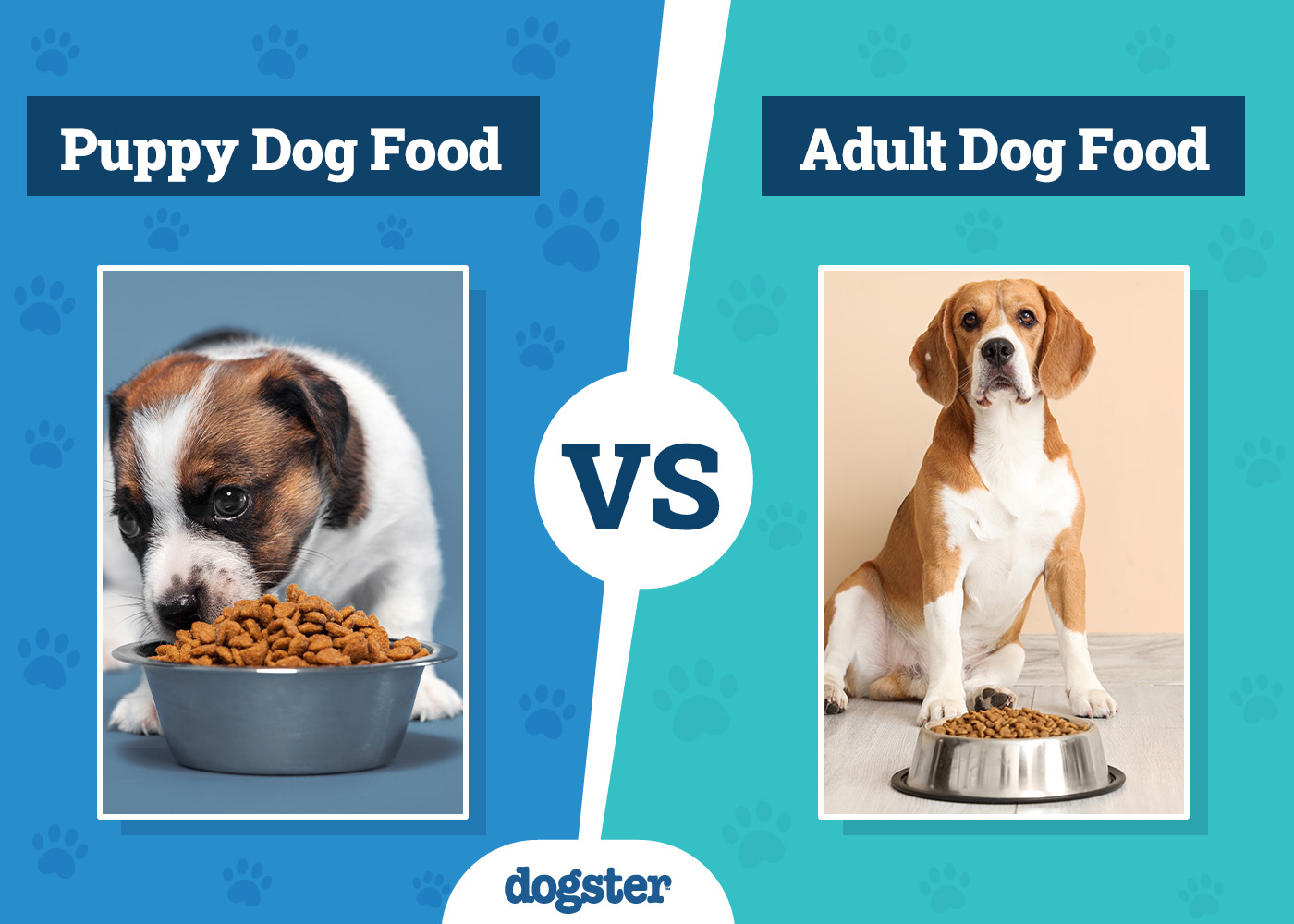
Credit: www.dogster.com
Nutritional Needs
Puppies and adult dogs need different nutrition for healthy growth and maintenance. Their bodies work differently, so their food must match their needs. Understanding these differences helps you choose the right food for your dog’s stage in life.
Calorie Requirements
Puppies burn a lot of energy growing and exploring. They need more calories per pound than adult dogs. Adult dogs require fewer calories to keep their weight stable. Feeding too many calories to an adult dog can cause weight gain and health issues.
Protein And Fat Levels
Puppies need higher protein and fat levels to support muscle growth and brain development. Protein helps build strong muscles. Fat provides energy and supports healthy skin and coat. Adult dogs need less protein and fat to maintain their body and energy levels.
Vitamins And Minerals
Puppy food contains extra vitamins and minerals for bone growth and immune health. Calcium and phosphorus are crucial for strong bones. Adults need balanced vitamins and minerals to keep their bodies working well. Puppy formulas avoid excess minerals that adults do not require.
Ingredients Used
The ingredients in dog food vary greatly between puppy and adult formulas. Each type is designed to meet specific nutritional needs. Puppies require more energy and nutrients to grow strong and healthy. Adult dogs need balanced nutrition to maintain their health and activity levels. Understanding these differences helps you choose the right food for your dog’s stage of life.
Common Puppy Food Ingredients
Puppy food contains high-quality proteins to support muscle growth. Chicken, lamb, and fish are common protein sources. Carbohydrates like rice and barley provide energy. Healthy fats, such as fish oil, help brain development. Vitamins and minerals boost the immune system. Ingredients focus on easy digestion and quick energy release.
Adult Food Components
Adult dog food has a balanced mix of proteins and fats. It contains moderate protein levels to maintain muscle mass. Carbohydrates are included for steady energy throughout the day. Ingredients like vegetables add fiber for digestion. The formula supports joint health and overall wellness. Calorie content is controlled to avoid weight gain.
Additives And Supplements
Both puppy and adult foods include additives for extra health benefits. Puppy food often has DHA for brain and eye development. Adult formulas include glucosamine for joint support. Probiotics improve gut health in both types. Antioxidants help protect cells from damage. These supplements ensure dogs get more than basic nutrition.
Digestive Considerations
Digestive health plays a major role in choosing the right dog food. Puppies and adult dogs digest food differently. Their stomachs and intestines work at different speeds. These differences affect how well they absorb nutrients. Feeding the right food supports healthy digestion and overall growth. Understanding these digestive considerations helps you pick the best food for your dog’s stage of life.
Digestibility In Puppies
Puppy food is designed for sensitive and developing digestive systems. It contains highly digestible ingredients that break down easily. Puppies need nutrients quickly for growth and energy. Food that is easy to digest helps them absorb more nutrients. This supports strong bones, muscles, and brain development. Poorly digestible food can cause upset stomachs or diarrhea in puppies.
Adult Dog Digestion
Adult dogs have stronger and more mature digestive systems. Their stomachs produce different enzymes than puppies. Adult dog food suits this stable digestion process. It balances nutrients to maintain health without overloading the system. Adult dogs digest food slower than puppies. This helps their bodies use energy steadily. Foods high in fillers or hard-to-digest components may cause weight gain or discomfort.
Fiber Content Differences
Fiber levels vary between puppy and adult dog food. Puppies need lower fiber to allow better nutrient absorption. Too much fiber can reduce calorie intake in young dogs. Adult dogs benefit from higher fiber to support digestion. Fiber helps regulate bowel movements and maintains gut health. It also prevents obesity by making dogs feel full longer.
Growth And Development Support
Growth and development support is a key difference between puppy and adult dog food. Puppies need special nutrients to help their bodies grow strong and healthy. Adult dogs require food that maintains their health and energy. Puppy food focuses on building bones, brain, and immune system. Adult dog food supports ongoing health and vitality.
Bone And Joint Health
Puppy food contains extra calcium and phosphorus. These minerals help build strong bones and teeth. Puppies grow fast and need support for their joints too. Proper nutrition reduces risk of bone problems later in life. Adult dog food has balanced amounts for maintenance, not growth.
Brain Development
Puppy food includes DHA and other fatty acids. These nutrients help develop the brain and eyes. Early brain development is vital for learning and behavior. Adult dog food has lower levels since brain growth is complete. Puppies need more to support their fast brain changes.
Immune System Boosters
Puppy food has antioxidants and vitamins to boost immunity. A strong immune system helps fight infections and diseases. Puppies’ immune systems are still developing and need extra help. Adult dog food keeps immunity steady but does not focus on growth. Proper nutrition helps puppies stay healthy during early months.
Feeding Guidelines
Feeding guidelines help pet owners give the right nutrition to their dogs. Puppies and adult dogs need different amounts and types of food. This keeps them healthy and growing well. Understanding portion sizes, feeding frequency, and how to change food is key.
Portion Sizes
Puppies need more food per pound of body weight than adult dogs. Their bodies grow fast and use more energy. Adult dogs need smaller portions to avoid weight gain. Follow the food package instructions for each life stage. Adjust portions based on your dog’s activity and health.
Feeding Frequency
Puppies eat more often than adult dogs. They need three to four meals a day at first. This helps keep their energy steady. Adult dogs usually eat twice a day. Regular meal times help dogs feel secure and maintain good digestion.
Transitioning Foods
Switching from puppy to adult food should be slow. Mix a small amount of new food with old food. Gradually increase the new food over 7 to 10 days. This prevents stomach upset and helps your dog adjust. Watch your dog’s reaction to the new food closely.

Credit: www.innovetpet.com
Health Risks Of Improper Diet
Feeding dogs the wrong type of food can cause serious health problems. Puppies and adult dogs have different dietary needs. Using the wrong food can lead to issues that affect their growth and well-being.
Understanding the health risks helps keep your dog healthy. Avoiding an improper diet supports strong bones, good energy, and a long life.
Overfeeding Puppies
Puppies need the right amount of nutrients, not too much. Overfeeding can cause fast growth that harms their bones. It may lead to joint problems and pain later in life. Large breed puppies are most at risk from overfeeding.
Nutritional Deficiencies
Adult dog food lacks some nutrients puppies need to grow. Feeding adult food to puppies can cause vitamin and mineral shortages. These gaps weaken their immune system and slow development. Puppies may become sick more often and grow poorly.
Obesity In Adult Dogs
Adult dogs eating puppy food get extra calories they do not need. Too many calories cause weight gain and obesity. Obese dogs have higher risks of diabetes and heart disease. Keeping adult dogs on proper adult food helps maintain a healthy weight.
Choosing The Right Food
Choosing the right food for your dog is very important. Dogs have different needs at different life stages. Puppy food supports growth and development. Adult food helps maintain health and energy. Picking the correct food can keep your dog happy and strong.
It is not just about buying any dog food. Understanding what to look for helps you make the best choice. Here are some tips to guide you in choosing the right food.
Reading Labels
Check the ingredients list carefully. Puppy food has more protein and fat for energy. Adult food usually has fewer calories to prevent weight gain. Look for labels that say “complete and balanced.” These foods meet the nutritional needs for each life stage. Avoid foods with too many fillers like corn or wheat.
Consulting A Veterinarian
Your vet knows your dog’s health best. Ask for advice on the best food type. They can recommend brands or special diets if needed. A vet can also help if your dog has allergies or health issues. Regular check-ups help adjust the diet as your dog grows.
Considering Lifestyle And Activity
Active dogs need more calories and nutrients. Less active dogs require fewer calories to avoid weight problems. Puppies are naturally more active but need balanced nutrition for growth. Adult dogs with low activity need lighter food. Tailor the food choice to your dog’s daily routine and energy level.

Credit: www.iams.com
Frequently Asked Questions
What Are The Main Differences Between Adult And Puppy Dog Food?
Puppy food has higher protein, fat, and calorie content to support growth. Adult dog food focuses on maintenance with balanced nutrients and fewer calories.
Why Is Puppy Food Higher In Calories Than Adult Food?
Puppies need extra energy for rapid growth and development. Higher calories in puppy food help meet these increased energy demands.
Can Adult Dogs Eat Puppy Food Safely?
Adult dogs can eat puppy food occasionally but it’s not ideal. Excess calories and nutrients may cause weight gain or health issues.
When Should I Switch My Dog From Puppy To Adult Food?
Switch to adult food around one year old or based on breed size. Larger breeds may transition later, small breeds earlier for optimal health.
Conclusion
Choosing the right food helps your dog stay healthy and happy. Puppy food supports growth with extra nutrients and calories. Adult dog food maintains energy and overall health. Feeding the correct type suits your dog’s age and needs. Always check labels to find the best match.
Your dog will thank you with a wagging tail. Proper nutrition builds a strong, active life for your pet. Simple steps make a big difference in your dog’s health.


