

You want the best for your dog, right? That means making sure your furry friend gets the right nutrition every day.
But with so many options and advice out there, it can feel overwhelming. What exactly does your dog need to stay healthy, happy, and full of energy? Understanding the key nutrients and how they work for your dog’s body will help you make smarter choices.
Keep reading, and you’ll discover simple facts that can transform your dog’s diet and wellbeing. Your dog’s health depends on it!
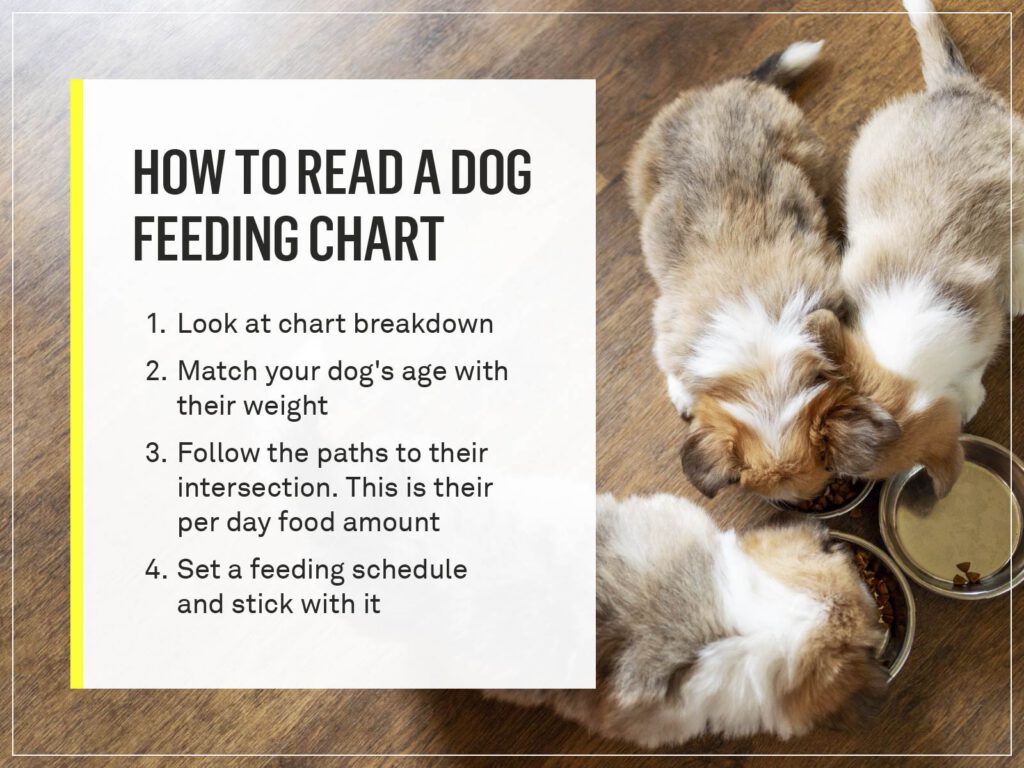
Credit: www.gallant.com
Key Nutrients For Dogs
Dogs need many nutrients to stay healthy and active. These key nutrients support their growth, energy, and body functions. Knowing what your dog needs helps you choose the right food and care.
Proteins And Amino Acids
Proteins build muscles, skin, and fur. Dogs get proteins from meat, fish, and eggs. Amino acids are the building blocks of proteins. Dogs need essential amino acids from food to stay strong and repair tissues.
Fats And Fatty Acids
Fats provide energy and help absorb vitamins. They keep the skin soft and the coat shiny. Omega-3 and Omega-6 fatty acids reduce inflammation and support the brain. Healthy fats are vital for a dog’s overall health.
Carbohydrates And Fiber
Carbohydrates give dogs quick energy. Whole grains and vegetables are good sources. Fiber helps digestion and prevents constipation. It also supports healthy gut bacteria, which improves nutrient absorption.
Vitamins And Minerals
Vitamins help with immunity, vision, and bone growth. Minerals like calcium and phosphorus strengthen bones and teeth. Dogs need a balanced mix to avoid deficiencies and keep organs working well.
Water Importance
Water is essential for every body process. It keeps dogs cool and flushes out toxins. Fresh water should always be available. Proper hydration supports digestion, circulation, and joint health.

Credit: www.houndsy.com
Life Stage Nutrition
Dogs need different nutrients at different life stages. Their diet should match their age and health needs. Proper nutrition helps dogs grow strong and live longer. Feeding the right food supports energy, immunity, and overall well-being. Understanding life stage nutrition keeps your dog healthy and happy.
Puppy Dietary Needs
Puppies need extra protein for muscle and bone growth. They require more calories than adult dogs to fuel their energy. Essential vitamins and minerals support brain development and strong teeth. Feeding small, frequent meals helps with digestion and energy levels. Avoid foods high in fat that can harm puppy health.
Adult Dog Nutrition
Adult dogs need balanced nutrients to maintain weight and energy. Protein supports muscle health without excess fat gain. Carbohydrates provide steady energy for daily activities. Vitamins and minerals keep organs working well. Portion control prevents obesity and related health issues. Quality ingredients help keep skin and coat shiny.
Senior Dog Adjustments
Older dogs digest food less efficiently. They need fewer calories but still require protein to preserve muscles. Fiber supports healthy digestion and weight control. Joint supplements can ease stiffness and pain. Antioxidants help protect cells from aging damage. Soft or smaller kibble is easier to chew for seniors.
Special Diets And Conditions
Special diets and health conditions affect what your dog needs to eat. Each dog is unique. Some need food that helps with allergies or weight. Others require diets for specific health issues. Understanding these needs keeps your dog healthy and happy.
Allergies And Food Sensitivities
Dogs can have allergies to certain foods. Common allergens include beef, chicken, dairy, and grains. Symptoms may show as itching, ear infections, or stomach upset. A special diet avoids these allergens. Hypoallergenic or limited-ingredient foods help reduce reactions. Always watch your dog’s response to new food.
Weight Management
Overweight dogs face health risks like joint pain and diabetes. A balanced diet with fewer calories helps control weight. Foods high in fiber and protein keep dogs full longer. Portion control is important. Regular exercise supports weight loss and overall health. Consult your vet for the right plan.
Health Conditions And Diet
Certain diseases need special nutrition. Dogs with kidney issues may need low-protein diets. Heart conditions sometimes require less salt in food. Diabetic dogs benefit from foods that control blood sugar. Your vet can recommend diets tailored to your dog’s illness. Proper nutrition supports treatment and recovery.
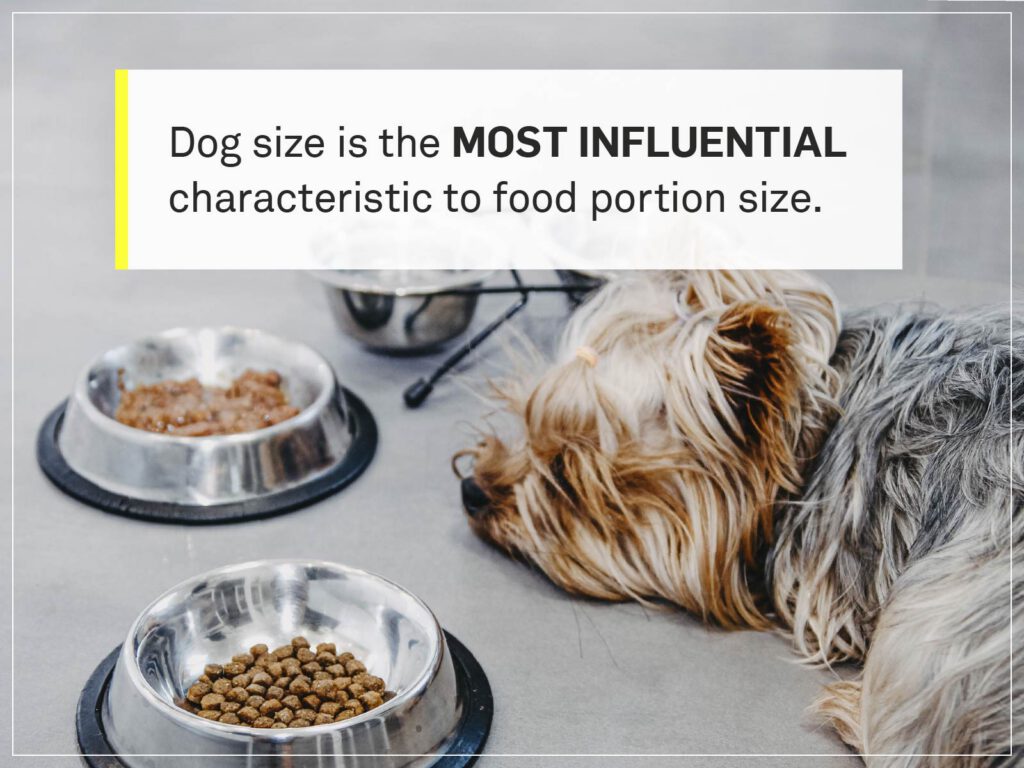
Credit: www.gallant.com
Choosing The Right Dog Food
Choosing the right dog food is key to your dog’s health. Dogs need food that supports their energy, growth, and overall well-being. The market offers many options, making it hard to pick the best one. Understanding the differences and knowing what to look for helps in making a good choice.
Commercial Vs Homemade Meals
Commercial dog food is made to meet basic nutrition needs. It comes in dry, wet, or semi-moist forms. These foods are tested for safety and balance. Homemade meals can be fresh and tailored to your dog’s tastes. They need careful planning to avoid missing nutrients. Both types have pros and cons. Choose based on your dog’s health, your time, and budget.
Reading Dog Food Labels
Labels provide important information about ingredients and nutrition. Look for a statement from the Association of American Feed Control Officials (AAFCO). This shows the food meets nutrient profiles. Check the first few ingredients; meat should be at the top. Avoid foods with too many fillers like corn or soy. Protein, fat, vitamins, and minerals should be listed clearly.
Balanced Diet Tips
A balanced diet includes proteins, fats, carbohydrates, vitamins, and minerals. Protein supports muscle and tissue health. Fats provide energy and help absorb vitamins. Carbohydrates supply fiber and energy. Vitamins and minerals aid body functions. Fresh water is vital every day. Consult your vet about portion sizes and special needs. Variety in food can keep your dog interested and healthy.
Feeding Tips For Optimal Health
Feeding your dog properly is key to keeping them healthy and happy. Good nutrition supports their energy, growth, and immune system. Simple feeding habits help avoid health problems and keep your dog active.
Focus on the right amount of food and safe choices. Also, keep your dog well-hydrated. These steps improve your dog’s well-being every day.
Meal Frequency And Portion Control
Feed your dog two or three times a day. Puppies may need more frequent meals. Stick to consistent meal times to help digestion.
Measure portions carefully. Overfeeding causes weight gain and health issues. Use a measuring cup or scale for accuracy. Follow your vet’s advice on portion size.
Avoiding Harmful Foods
Some human foods are toxic to dogs. Avoid chocolate, grapes, onions, and garlic. These can cause serious illness or death.
Stay clear of foods with high salt, sugar, or fat. Stick to dog-safe treats and meals. Always check ingredients before feeding anything new.
Hydration Strategies
Fresh water must be available all day. Change water daily to keep it clean. Dogs drink more after exercise and in hot weather.
Watch for signs of dehydration like dry gums or lethargy. Offer water frequently during playtime and walks. Proper hydration aids digestion and overall health.
Frequently Asked Questions
What Are The Essential Nutrients My Dog Needs Daily?
Dogs need proteins, fats, carbohydrates, vitamins, and minerals daily. Proteins support muscles, fats provide energy, and carbs fuel activity. Vitamins and minerals promote overall health and immunity. Balanced nutrition ensures your dog’s wellbeing and vitality.
How Much Protein Does My Dog Require Per Day?
Adult dogs typically need 18-25% protein in their diet. Growing puppies require higher protein levels for development. High-quality animal protein sources like chicken or beef are best. Proper protein intake supports muscle growth and repair.
Can My Dog Eat Human Food For Nutrition?
Some human foods are safe and nutritious for dogs in moderation. Avoid toxic foods like chocolate, onions, and grapes. Always consult your vet before introducing new foods. Balanced commercial dog food is usually best for complete nutrition.
How Do I Choose The Best Dog Food For Nutrition?
Look for dog food with balanced nutrients and high-quality ingredients. Check for AAFCO approval to ensure nutritional adequacy. Consider your dog’s age, size, and health needs. Consult your vet for personalized recommendations.
Conclusion
Feeding your dog the right nutrition keeps them healthy and happy. Balanced meals support energy, growth, and a strong immune system. Fresh water is just as important every day. Pay attention to your dog’s age, size, and activity level. Quality proteins, fats, vitamins, and minerals help your dog thrive.
Always choose foods made for dogs, not humans. Regular check-ups with a vet ensure your dog’s diet meets their needs. Good nutrition makes a big difference in your dog’s life and well-being. Simple care brings lasting benefits.


