

Are you wondering when to switch your Husky from puppy food to adult dog food? It’s a question every Husky owner faces, and getting it right is important for your dog’s health and energy.
Feeding your Husky the right food at the right time helps them grow strong, stay active, and avoid common health problems. You’ll learn exactly when to make the change and how to do it smoothly. Keep reading to ensure your Husky gets the best nutrition at every stage of life.
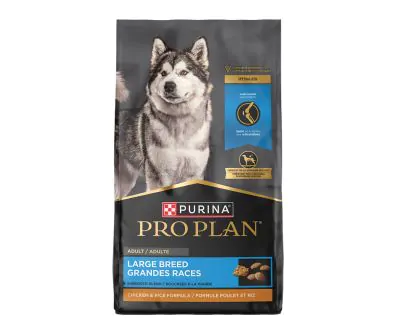
Credit: www.proplanvetdirect.com
Husky Growth Stages
Understanding Husky growth stages helps decide the right time for adult dog food. Huskies grow fast but in clear stages. Each stage needs different nutrition for healthy development.
Puppy Phase
Husky puppies grow quickly in their first months. Their bones and muscles develop fast. They need high-calorie food rich in protein and fat. Puppy food supports this rapid growth. Feeding adult food too soon can slow growth or cause problems.
Adolescence
This stage lasts from about six months to eighteen months. Huskies grow taller and gain strength. Their energy needs stay high but start to slow down. Transition to adult dog food can begin near the end of this phase. Mixing puppy and adult food helps the change go smoothly.
Adulthood
At around 18 months, Huskies reach full adult size. Their growth slows or stops. Adult dog food keeps their weight healthy and muscles strong. It has balanced nutrients for maintenance, not growth. Switching to adult food at this time supports long-term health.
Signs To Switch Food
Knowing the right time to switch your husky to adult dog food is important. Puppies grow fast, and their food needs change. Watch for clear signs that show your husky is ready for new nutrition. These signs come in different forms like physical growth, behavior, and diet needs.
Physical Development
Huskies grow quickly in their first year. Their baby teeth fall out and adult teeth come in. Their bones and muscles become stronger. You might see less chubby puppy looks. These changes mean their body needs new food to support adult growth.
Behavioral Changes
Young huskies are very active and playful. As they grow, they may calm down. They may eat less often but want bigger meals. Changes in energy and appetite show their body is changing. This hints it is time for adult dog food.
Nutritional Needs
Puppy food has more fat and protein to help growth. Adult dog food has balanced nutrients for maintenance. Your husky’s diet must match its age and activity level. Switching food helps prevent health issues and keeps your dog healthy and strong.
Choosing Adult Dog Food
Choosing the right adult dog food for your Husky is important for their health. Adult dog food supports their energy, coat, and overall well-being. The diet should match their size, activity, and age. Quality ingredients help keep your dog strong and happy. Here are some tips to pick the best food for your Husky.
Key Ingredients
Look for dog food with high protein sources like chicken, fish, or lamb. Protein builds muscles and keeps Huskies active. Healthy fats from fish oil or flaxseed improve coat shine. Carbohydrates from rice or sweet potatoes give steady energy. Vitamins and minerals support bones and the immune system.
Avoiding Common Additives
Stay away from foods with artificial colors or flavors. These can cause allergies or stomach issues. Avoid preservatives like BHA, BHT, and ethoxyquin. These chemicals may harm your dog over time. Choose natural, simple ingredient lists for better health.
Tailoring To Huskies
Huskies need a diet that matches their high energy and cold-weather history. Foods with more protein and fat suit their active lifestyle. Avoid heavy grains that can cause digestion problems. Look for formulas made for medium to large dogs. This helps maintain their lean, muscular body.

Credit: www.costco.com
Transitioning Diets
Changing your husky’s food from puppy to adult dog food needs care. Sudden changes can upset their stomach. A smooth switch helps your dog adjust well. Watch how your husky reacts to the new food. This keeps them healthy and happy during the change.
Gradual Switching Tips
Start by mixing 25% adult food with 75% puppy food. Do this for three days. Then, mix 50% adult and 50% puppy food for the next three days. After that, try 75% adult food and 25% puppy food. Finally, feed only adult dog food. This slow change helps avoid digestion problems.
Monitoring Health
Check your husky’s stool for changes in color or softness. Watch for vomiting or loss of appetite. Keep an eye on their energy levels. If you notice any problems, slow the transition. Consult a vet if issues continue for more than a week.
Adjusting Portions
Adult huskies need fewer calories than puppies. Measure food based on your dog’s weight and activity. Adjust portions if your dog gains or loses weight. Feed smaller meals more often if needed. Proper portions keep your husky fit and strong.
Common Feeding Mistakes
Feeding your husky adult dog food at the right time is important. Many dog owners make common mistakes that can harm their pet’s health. These errors often come from not knowing what huskies need or how much to feed. Avoiding these mistakes helps your husky stay strong and healthy.
Overfeeding Risks
Giving too much food leads to weight gain. Overweight huskies may face joint problems and low energy. Extra weight can cause serious health issues like diabetes. Keep an eye on portion sizes and follow feeding guidelines. Measure food carefully and avoid giving too many treats.
Ignoring Individual Needs
Each husky has unique needs based on age, activity, and health. Feeding the same amount to every dog is a mistake. Puppies need more calories than adult dogs. Active huskies burn more energy and require more food. Adjust food amounts to match your dog’s lifestyle.
Inconsistent Feeding Schedule
Feeding your husky at different times confuses their digestion. A regular schedule helps maintain good digestion and behavior. Try to feed your dog at the same time each day. Consistency makes your husky feel secure and helps with house training. Avoid free feeding to keep portions under control.
Special Considerations For Huskies
Huskies have unique needs that affect their diet. Their energy, weather, and weight must be carefully managed. Knowing these needs helps you decide the right time to switch to adult dog food.
Energy Requirements
Huskies are very active dogs. They burn a lot of calories every day. Their food must provide enough energy to keep them strong. Adult dog food for huskies should have balanced protein and fat. This keeps their muscles healthy and energy high.
Seasonal Changes
Huskies live well in cold places. They need more calories in winter to stay warm. In summer, their energy needs drop. Adjust their food portions with the seasons. This helps avoid weight gain or loss.
Weight Management
Huskies can gain weight quickly if overfed. Obesity leads to health problems. Adult dog food should support a healthy weight. Measure food carefully and watch their body shape. Keep them fit with regular exercise and proper diet.

Credit: tienda.vivapets.com
Frequently Asked Questions
When Should I Switch My Husky To Adult Dog Food?
Switch your Husky to adult dog food around 12 months old. This age marks their transition from puppy growth to adulthood. Adult formulas support their energy needs and maintain healthy weight. Always consult your vet for personalized advice based on your Husky’s health.
What Signs Indicate My Husky Needs Adult Food?
Signs include slowed growth, reduced energy demands, and steady weight. If your Husky is over a year old and not growing rapidly, it’s time for adult food. Adult diets contain balanced nutrients suited for mature dogs, ensuring long-term health.
Can I Feed Adult Dog Food To A Husky Puppy?
Avoid feeding adult food to puppies. Husky puppies need nutrient-rich puppy food for proper growth. Adult food lacks essential vitamins and calories for development. Transition only when your Husky reaches one year or as advised by your vet.
How To Transition Husky To Adult Dog Food Safely?
Mix adult food gradually over 7-10 days with puppy food. Increase adult food ratio daily to avoid digestive upset. Monitor your Husky’s reaction and stool quality during the transition. Slow changes help maintain their digestive health.
Conclusion
Switching your husky to adult dog food usually happens around one year old. Watch for signs like slowing growth or changing energy levels. Choose food that fits their size and activity. Balanced nutrition helps keep your dog healthy and happy.
Always consult your vet for the best timing and food choice. This small change supports your husky’s long life and strong body. Simple steps make a big difference in your dog’s health. Keep your husky’s diet right, and enjoy many joyful years together.


