

Are you unsure about what your dog really needs to stay healthy and happy? Choosing the best nutritional breakdown for dog food can feel confusing with so many options out there.
But understanding the right balance of proteins, fats, and carbs can make a huge difference in your dog’s energy, mood, and overall health. You’ll discover exactly what nutrients your furry friend needs and how to spot the best food that matches those needs.
Keep reading to unlock the secrets to giving your dog the nutrition they deserve.
Essential Nutrients For Dogs
Dogs need the right nutrients to stay healthy and active. These nutrients help with growth, energy, and body repair. A balanced diet provides all the essentials dogs require daily. Understanding each nutrient’s role helps choose the best dog food.
Essential nutrients include proteins, fats, carbohydrates, vitamins, minerals, and water. Each plays a unique part in a dog’s health. Missing any can lead to problems over time.
Proteins And Amino Acids
Proteins are the building blocks of a dog’s body. They help build muscles, skin, and hair. Amino acids make up proteins and support vital body functions. Dogs need high-quality protein sources like meat, fish, or eggs.
Essential amino acids cannot be made by the body. Dogs must get them from food. These amino acids help repair tissues and support the immune system.
Fats And Fatty Acids
Fats give dogs a concentrated energy source. They also keep the skin healthy and the coat shiny. Fatty acids like omega-3 and omega-6 support brain and joint health.
Good fats come from fish oil, chicken fat, and flaxseed. Too little fat can cause dry skin and low energy. Too much fat can lead to weight gain.
Carbohydrates
Carbohydrates provide energy for daily activities. They come from grains, vegetables, and fruits. Carbs also help with digestion and provide fiber.
Fiber supports healthy bowel movements and gut health. Dogs do not need a very high carb diet. Balanced carbs help maintain steady energy levels.
Vitamins And Minerals
Vitamins and minerals keep the body’s systems working well. Vitamins like A, D, E, and B-complex help vision, bone health, and metabolism. Minerals like calcium, phosphorus, and zinc build strong bones and teeth.
Too little or too much of these can cause health issues. A well-balanced dog food has the right amount of vitamins and minerals.
Water’s Role In Nutrition
Water is essential for life. It helps regulate body temperature and supports digestion. Water carries nutrients to cells and removes waste.
Dogs should always have access to fresh, clean water. Even mild dehydration can cause health problems. Water intake depends on activity level, diet, and weather.
Protein Needs By Life Stage
Protein is a key nutrient for dogs at every stage of life. It supports growth, repair, and energy. Different life stages require different amounts of protein to keep dogs healthy and strong. Understanding protein needs helps you choose the right food for your dog.
Puppies And Growth
Puppies need higher protein levels than adult dogs. Protein fuels their rapid growth and brain development. It helps build strong muscles, bones, and organs. A diet with 22% to 32% protein is ideal for puppies. Quality protein sources like chicken, fish, or beef provide essential amino acids. These nutrients support healthy development and future well-being.
Adult Maintenance
Adult dogs need moderate protein amounts to maintain health. Protein helps repair tissues and supports the immune system. Typically, 18% to 25% protein in their diet works well. Balanced protein keeps energy steady and muscles strong. Adults require fewer calories than puppies but still need quality protein. This balance helps prevent weight gain and maintains vitality.
Senior Dog Requirements
Senior dogs benefit from slightly higher protein than adults. Aging muscles need support to stay strong and active. Protein helps repair cells and boost immunity in older dogs. Around 25% protein in their food is usually best. High-quality protein sources help reduce muscle loss. A balanced diet with proper protein improves seniors’ quality of life.
Balancing Fats For Energy And Health
Fats play a key role in a dog’s diet. They provide energy and support overall health. Balancing fats ensures dogs get enough fuel without harmful effects. Choosing the right types and amounts of fat helps keep dogs active and healthy.
Omega-3 And Omega-6 Fatty Acids
Omega-3 and Omega-6 are essential fats. Dogs cannot make these fats, so food must supply them. Omega-3 supports brain health and reduces inflammation. Omega-6 helps with skin, coat, and immune function. A good balance between these two is important for health.
Healthy Vs Unhealthy Fats
Healthy fats come from sources like fish oil and flaxseed. These fats support heart and brain health. Unhealthy fats often come from processed oils and animal fat by-products. Too many unhealthy fats can cause weight gain and health problems. Choose dog food with mostly healthy fat sources.
Fat Percentage In Dog Food
Fat content in dog food varies by life stage and activity. Most adult dogs need about 10% to 15% fat in their diet. Puppies and active dogs may need up to 20% fat. Check dog food labels to find the right fat percentage. Avoid foods with too little or too much fat.
Carbohydrates: Friend Or Foe?
Carbohydrates often spark debate among dog owners and vets. Are carbs good or bad for dogs? Understanding their role in dog food helps make better choices. Carbohydrates provide energy but vary in quality and impact. Let’s explore the facts to decide if carbs are a friend or foe.
Types Of Carbohydrates
Carbohydrates come in two main types: simple and complex. Simple carbs digest quickly and raise blood sugar fast. Complex carbs break down slowly and provide steady energy. Common sources include rice, oats, potatoes, and peas. Fiber is a carb that aids digestion and gut health. Choosing the right type matters for your dog’s well-being.
Digestibility And Energy
Dogs use carbohydrates mainly for energy. Digestibility shows how well a dog can absorb nutrients. High digestibility means more usable energy from the food. Poorly digested carbs can cause stomach upset or weight gain. Balanced carbs support active dogs and maintain healthy weight. Quality matters more than quantity in carb content.
Grain-free Vs Grain-inclusive Diets
Grain-free dog foods exclude wheat, corn, and rice. Some owners prefer them to avoid allergies or sensitivities. Grain-inclusive diets contain these grains and often offer good nutrition. Grains provide important nutrients and fiber. Not all grains are bad; quality and source are key. Talk to your vet about the best choice for your dog.
Vitamins And Minerals Essentials
Vitamins and minerals are vital for a dog’s health. They support growth, energy, and immune function. Without the right balance, dogs can suffer from health problems. Understanding these nutrients helps choose the best dog food. Each vitamin and mineral has a unique role in keeping dogs strong.
Key Vitamins For Dogs
Vitamin A helps keep skin and eyes healthy. Vitamin D supports bone strength by managing calcium. Vitamin E acts as an antioxidant, protecting cells. B vitamins boost energy and brain function. Vitamin K helps blood clot properly. These vitamins must be in the dog’s diet daily.
Important Minerals And Their Functions
Calcium is crucial for bones and teeth. Phosphorus works with calcium for bone health. Iron carries oxygen in the blood. Zinc supports the immune system and skin health. Magnesium aids muscle and nerve function. Each mineral must be balanced to avoid problems.
Avoiding Deficiencies And Toxicities
Too little vitamins or minerals causes deficiencies. Dogs may get weak, tired, or sick. Too much can lead to toxic effects. For example, excess vitamin D can harm kidneys. Follow feeding guidelines and check dog food labels. Regular vet visits help monitor nutrient levels and health.
Credit: dogfoodsy.com
Special Nutritional Needs
Dogs have special nutritional needs that vary by health, age, and breed. A balanced diet supports their energy, growth, and overall health. Tailoring food to these needs helps keep dogs happy and strong.
Allergies And Sensitivities
Some dogs react to certain ingredients in food. Common allergens include wheat, soy, and beef. Choosing hypoallergenic or limited-ingredient diets can reduce reactions. Avoiding triggers protects your dog’s skin and digestion.
Weight Management
Overweight dogs face health risks like diabetes and joint pain. Feeding the right portion size and nutrient balance aids weight control. Foods high in fiber and protein help dogs feel full longer. Regular exercise combined with proper diet keeps dogs fit.
Breed-specific Diets
Different breeds have unique dietary needs. Small breeds need calorie-dense food for their fast metabolism. Large breeds require nutrients that support joints and bones. Breed-specific formulas address these needs for better health outcomes.
Reading Dog Food Labels
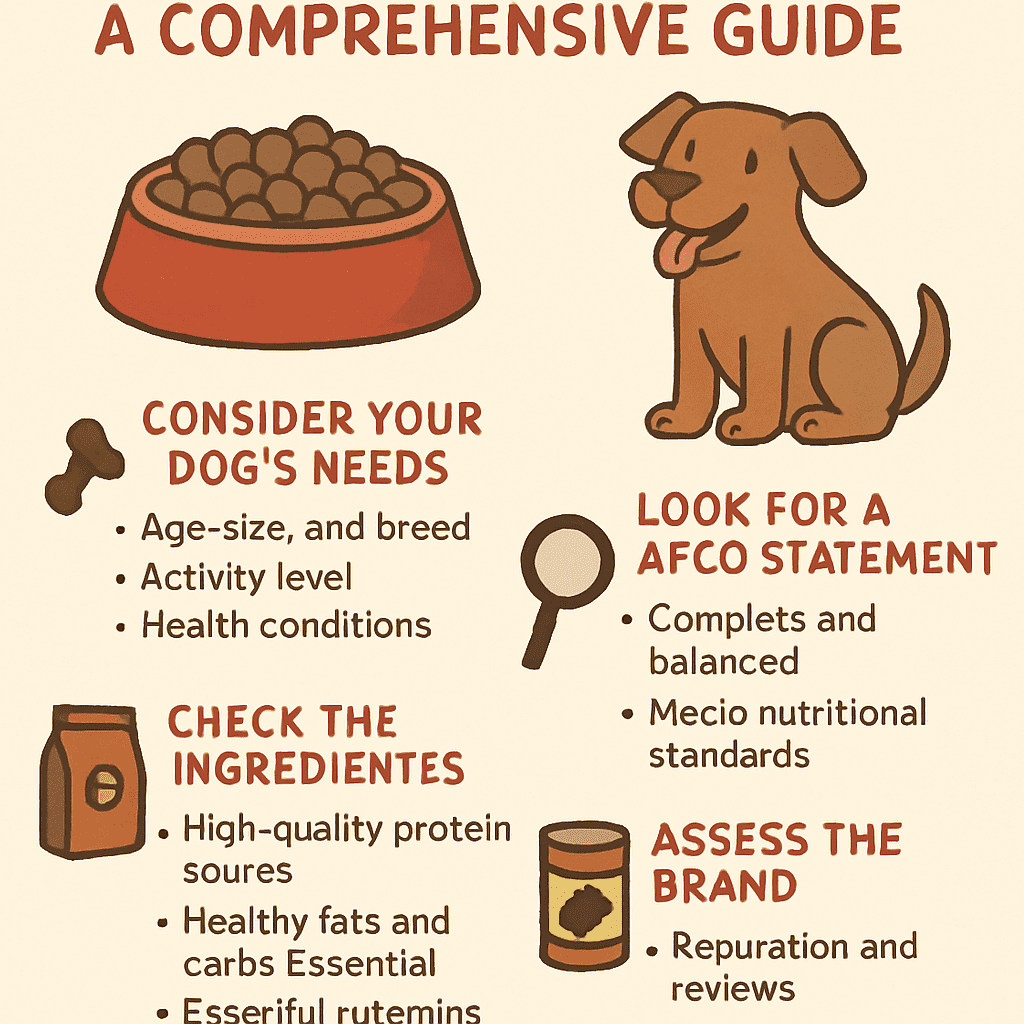
Reading dog food labels helps you choose the best nutrition for your dog. Labels show what is inside the food. Understanding these details ensures your dog gets a healthy diet. It also helps avoid foods with low-quality ingredients or harmful additives.
Labels may seem confusing at first. Breaking down the main parts makes it easier. Focus on the guaranteed analysis, ingredients list, and additives to make smart choices.
Interpreting Guaranteed Analysis
The guaranteed analysis shows nutrient amounts in the food. Look for protein, fat, fiber, and moisture percentages. Protein is important for muscle health. Fat provides energy. Fiber helps digestion. Moisture shows water content. These numbers give a quick idea of food quality.
Compare these values across different brands. Higher protein and moderate fat often mean better nutrition. Avoid foods with very low protein or high fillers.
Identifying Quality Ingredients
Ingredients are listed by weight. The first few ingredients are the most in the food. Choose foods with real meat, like chicken or beef, near the top. Whole grains and vegetables are good fillers. Avoid foods with too many by-products or unnamed meats.
Simple, recognizable ingredients usually mean better quality. Avoid long lists with strange names. Fresh, natural ingredients support your dog’s health best.
Avoiding Harmful Additives
Check for artificial colors, flavors, and preservatives. These add nothing to nutrition and may harm your dog. Common harmful additives include BHA, BHT, and ethoxyquin. These chemicals can cause allergies or other health issues.
Choose foods with natural preservatives like vitamin E or C. Avoid foods with sugar or excessive salt. Clean labels mean safer and healthier meals for your dog.
Credit: wefeedraw.com
Homemade Vs Commercial Dog Food
Choosing the right food for your dog is important for their health. Many pet owners wonder about homemade versus commercial dog food. Both types have their strengths and challenges. Understanding these can help you pick the best option for your pet.
Pros And Cons Of Homemade Meals
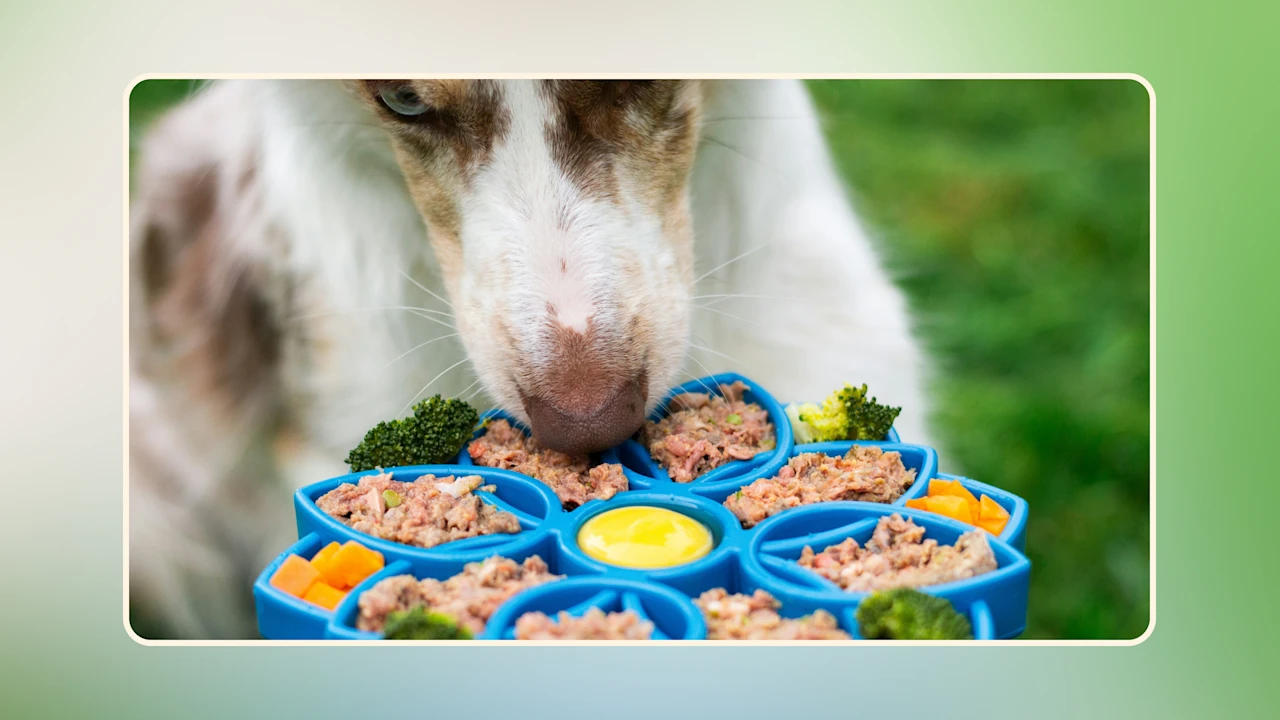
Homemade meals allow control over every ingredient. You can use fresh meat, vegetables, and grains. This can suit dogs with allergies or special diets. Yet, it takes time and knowledge to balance nutrients properly. Missing vitamins or minerals can harm your dog’s health. Cooking for dogs requires planning and care.
Choosing Quality Commercial Brands
Commercial dog food is made to meet nutritional standards. It offers convenience and consistent quality. Look for brands that list real meat as the first ingredient. Avoid foods with many fillers or artificial additives. Trusted brands often have veterinary nutritionists behind their recipes. Packaging usually shows guaranteed nutrient analysis.
Supplementing Homemade Diets
Homemade diets may need extra vitamins or minerals. Supplements can fill gaps in nutrition. Omega-3 fatty acids support skin and coat health. Calcium is important for strong bones and teeth. Consult a vet to create a balanced supplement plan. This helps keep your dog healthy and active.
Feeding Guidelines And Portion Control
Proper feeding guidelines and portion control keep your dog healthy and happy. Giving the right amount of food meets your dog’s nutritional needs. It also prevents weight problems and other health issues. Understanding how much to feed and when is key to good care. This section explains how to calculate calories, adjust portions, and monitor your dog’s health.
Calculating Daily Caloric Needs
Every dog needs a certain number of calories each day. This depends on size, age, and breed. Use your dog’s weight to find its maintenance calorie needs. Multiply the resting energy requirement by an activity factor. This gives the total daily calories your dog needs. Feeding too many calories leads to weight gain. Too few calories cause weight loss and low energy.
Adjusting Portions For Activity Level
Active dogs need more food than less active ones. Dogs that exercise or work hard burn more calories. Increase their food portions to match their energy use. Less active or older dogs need fewer calories. Reduce their portions to avoid obesity. Watch your dog’s behavior and energy to adjust food amounts. Balancing food with activity keeps your dog fit.
Monitoring Weight And Health
Check your dog’s weight regularly to stay on track. Use a scale or feel the ribs to assess body condition. A healthy dog has ribs you can feel but not see. If your dog gains or loses weight, change food portions. Look for signs like lethargy or poor coat health. Consult a vet if you notice sudden changes. Ongoing monitoring helps maintain your dog’s wellness.

Credit: www.businessinsider.com
Frequently Asked Questions
What Is The Ideal Protein Percentage In Dog Food?
The ideal protein content in dog food ranges from 18% to 30%. Protein supports muscle growth, repair, and overall health in dogs.
How Much Fat Should Dog Food Contain?
Dog food should have 8% to 20% fat. Fat provides essential energy and supports healthy skin and coat.
Why Are Carbohydrates Important In Dog Food?
Carbohydrates supply energy and aid digestion. Whole grains and vegetables are preferred carb sources for balanced dog nutrition.
Should Dog Food Include Vitamins And Minerals?
Yes, vitamins and minerals are vital. They support immune function, bone health, and overall well-being in dogs.
Conclusion
Choosing the right nutrition helps your dog stay healthy and happy. Balanced food with protein, fat, and fiber supports energy and digestion. Vitamins and minerals keep your dog’s body strong. Always check the ingredients for quality and safety. Remember, every dog is different, so their needs may change.
Feeding the best food means a longer, better life for your pet. Small changes can make a big difference in their health. Keep learning and watch your dog thrive every day.


