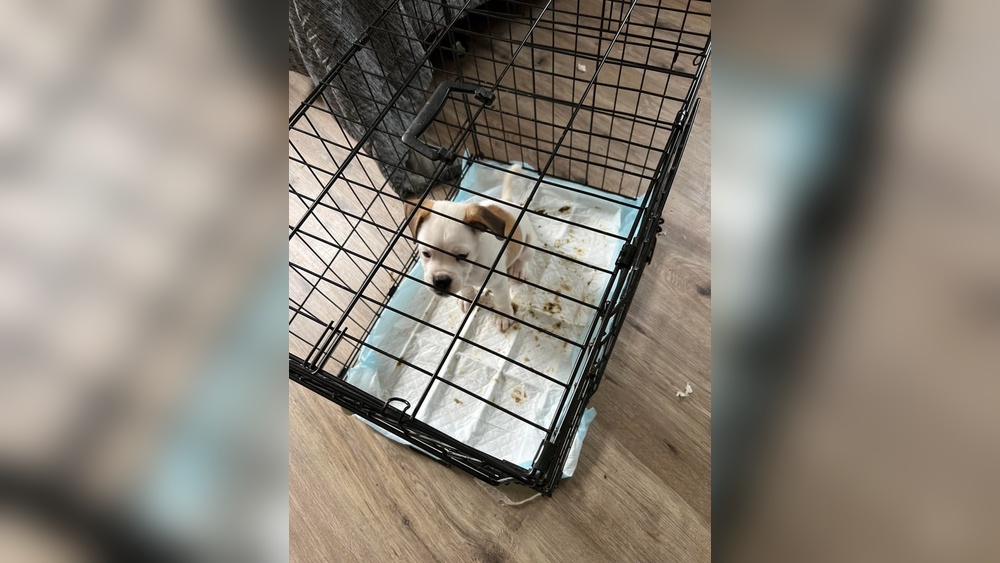
Are you wondering if it’s too late to crate train your older dog? You’re not alone.
Many dog owners believe crate training only works with puppies, but that’s not true. Your adult dog can learn to love their crate, just like a cozy little home. Imagine having a safe space for your dog that helps reduce anxiety and keeps your home tidy.
You’ll discover simple steps and practical tips to make crate training easy and stress-free for both you and your furry friend. Keep reading—your dog’s new favorite spot could be just a few clicks away.
Benefits Of Crate Training Older Dogs
Crate training older dogs offers many advantages for both pets and owners. It creates a safe space for dogs to relax. This training helps establish routines and reduces stress. Older dogs can learn new habits that improve their behavior and comfort.
Using a crate provides a quiet, secure spot. It can ease anxiety in unfamiliar places or during travel. Older dogs often appreciate having a personal retreat. This sense of security supports their emotional health.
Improved House Training And Routine
Older dogs benefit from clear house rules. Crate training helps prevent accidents inside the home. It reinforces bathroom schedules and teaches control. A consistent routine reduces confusion and stress for older dogs.
Safe Space For Rest And Recovery
The crate serves as a cozy resting area. It is especially useful for dogs with health issues. The quiet environment aids healing and prevents overexertion. Resting in a crate can improve overall well-being.
Reduced Anxiety And Stress
Many older dogs feel anxious in new situations. Crate training offers a calming refuge during storms or guests. This safe zone helps dogs cope with changes. It lowers stress and promotes relaxation.
Easy Management And Travel
Crates make travel safer and less stressful. Older dogs can stay calm in a confined space. This helps during car rides or vet visits. Crate training simplifies managing your dog outside the home.

Credit: www.diggs.pet
Assessing Your Dog’s Readiness
Assessing your dog’s readiness is a key step before crate training an older dog. Every dog has unique needs and habits. Understanding these helps make training smoother and less stressful for both of you.
Older dogs might need extra care and patience. Watch their behavior and health closely. This tells you if they are ready for crate training or if you need to adjust your approach.
Health Considerations
Start by checking your dog’s health. Older dogs may have arthritis or other joint problems. These can make entering or staying in a crate uncomfortable.
Frequent bathroom needs also matter. A dog with bladder issues may find crate time hard. Talk to your vet about any medical problems first. This helps avoid stress and accidents.
Behavioral Factors
Look at your dog’s past and current behavior. Some older dogs have never used a crate before. They might feel scared or confused at first.
Notice signs of anxiety or aggression. These can affect how well crate training goes. Gentle, steady steps work best. Be patient as your dog learns new routines.
Choosing The Right Crate
Choosing the right crate is key to successful training for older dogs. A good crate offers safety and comfort. It helps your dog feel secure and calm. The right crate fits your dog’s size and personality. This makes crate training easier and more effective.
Size And Comfort
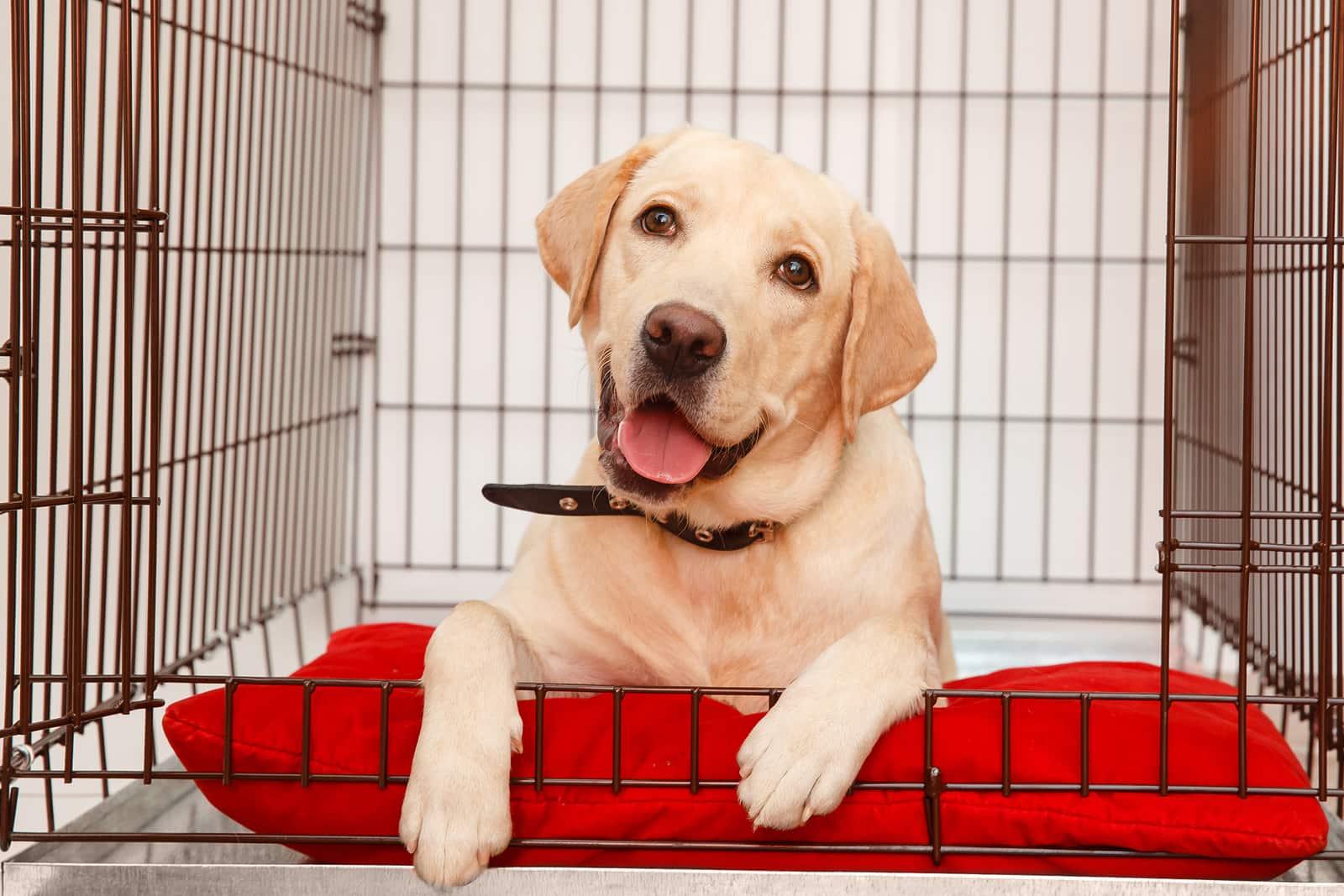
Pick a crate that is big enough for your dog. Your dog should stand, turn, and lie down comfortably. Too small a crate causes stress and discomfort. Too large a crate may not feel safe for your dog. Soft bedding or a blanket adds warmth and comfort. Comfort helps your dog relax and accept the crate.
Types Of Crates
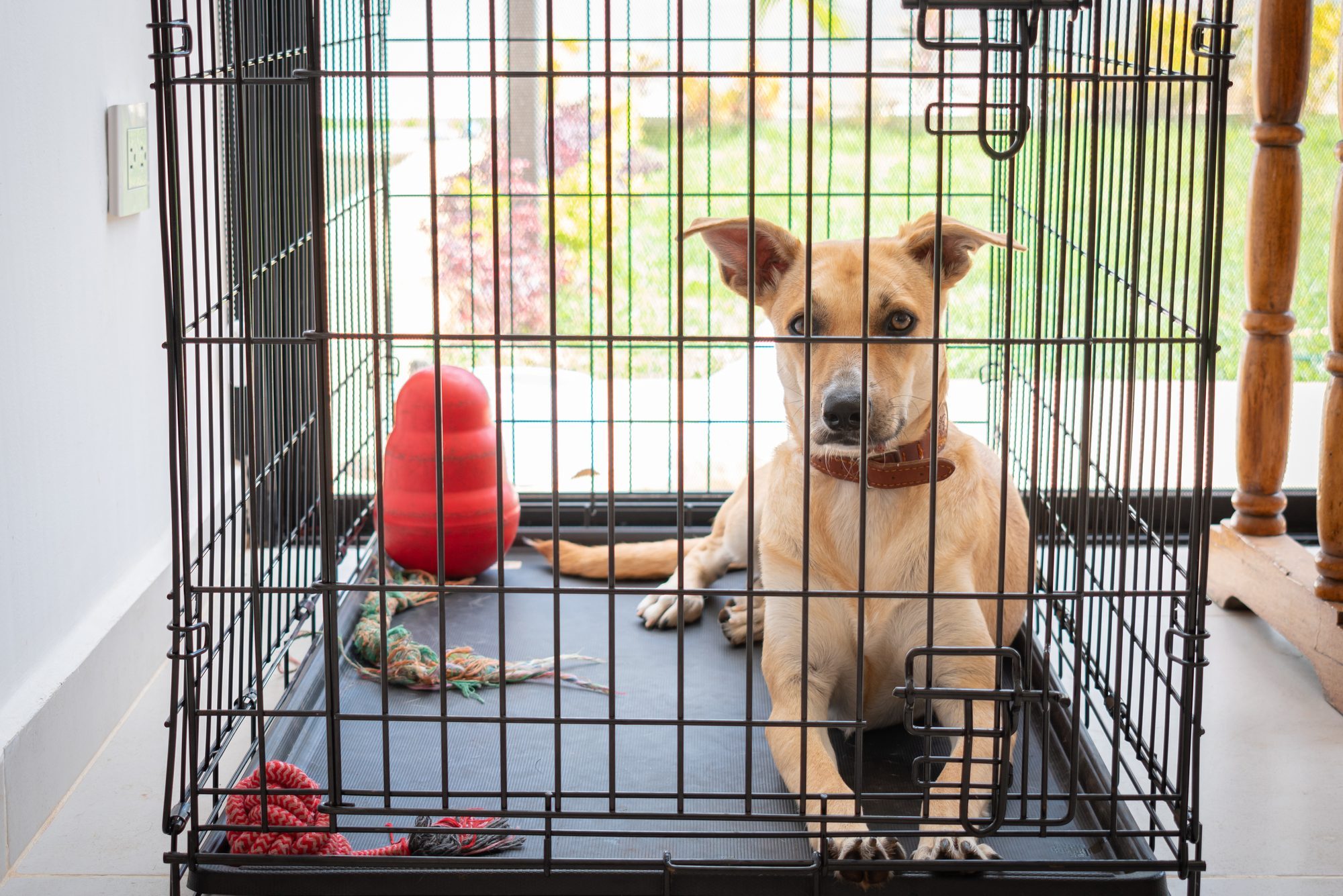
Crates come in many styles. Wire crates offer good ventilation and visibility. Plastic crates give a cozy, den-like space. Soft-sided crates are lightweight and easy to carry. Choose a crate that suits your dog’s needs and your lifestyle. Durability and ease of cleaning matter too. The right crate type supports calm and confident crate training.
Step-by-step Crate Training Process
Crate training an older dog takes patience and care. The process helps your dog feel safe and comfortable in their new space. Follow these clear steps to make crate training smooth and effective.
Introducing The Crate
Start by placing the crate in a quiet, familiar spot. Leave the door open so your dog can explore it freely. Put soft bedding inside to make it cozy. Let your dog enter and exit the crate on their own. Avoid forcing them inside. This builds trust and comfort.
Creating Positive Associations
Use treats and toys to make the crate a happy place. Give your dog a treat each time they go in. Feed meals near or inside the crate. Praise your dog warmly when they stay inside calmly. These actions link the crate with good feelings.
Establishing A Routine
Set regular crate times during the day. Start with short periods and slowly increase the time. Always use the crate before walks or bedtime. Keep calm and relaxed around the crate. A steady routine helps your dog know what to expect.
Dealing With Common Challenges
Crate training an older dog can bring unique challenges. These challenges often require patience and gentle methods. Understanding common issues helps you handle them well. Two main problems are separation anxiety and resistance or fear.
Separation Anxiety
Older dogs may feel anxious when left alone in a crate. They might bark, whine, or try to escape. To ease anxiety, start with short crate times. Stay nearby and offer treats or toys. Gradually increase the time spent inside the crate. Consistency helps your dog feel safe and calm.
Resistance And Fear
Fear of the crate can cause resistance in older dogs. They may avoid entering or seem stressed inside. Use positive reinforcement to create good memories. Let your dog explore the crate freely at first. Praise and reward calm behavior around the crate. Avoid forcing your dog inside. Patience and kindness reduce fear and build trust.
Credit: www.rd.com
Tips For Maintaining Success
Maintaining success in crate training an older dog requires steady effort. Dogs learn best with clear and calm guidance. Keep the training routine simple and steady. Small, daily steps build good habits over time. The right approach helps your dog feel safe and happy in the crate.
Consistency And Patience
Stick to the same schedule every day. Use the crate at regular times like meal or rest times. Avoid changing rules or expectations suddenly. Patience is key. Older dogs may take longer to adjust. Stay calm and give your dog time to learn. Repetition helps your dog understand the crate is a safe place.
Using Treats And Rewards
Offer tasty treats when your dog enters the crate. Praise your dog with kind words and gentle pets. Rewards make the crate a positive space. Use treats to encourage calm behavior inside the crate. Avoid giving treats when the dog is anxious or restless. Keep rewards consistent to reinforce good habits. This helps your dog feel happy and willing to stay in the crate.
When To Seek Professional Help
Crate training an older dog can be rewarding but challenging. Sometimes, challenges arise that need expert support. Recognizing when to seek professional help ensures your dog’s comfort and success. Professionals offer guidance tailored to your dog’s unique needs. They help address behavioral issues and make training smoother.
Signs Your Dog Is Stressed Or Anxious
Watch for constant whining or barking in the crate. Pacing or scratching at the crate door shows distress. Your dog may refuse to enter the crate altogether. These signs suggest anxiety that needs expert help. A trainer or behaviorist can teach calming techniques.
Persistent Refusal To Use The Crate
Your dog might avoid the crate despite your efforts. This refusal can last days or weeks. It may signal deeper fear or discomfort. Professional trainers can find the root cause quickly. They provide step-by-step plans to encourage crate acceptance.
Aggressive Behavior Around The Crate
Growling, snapping, or lunging near the crate is serious. Aggression can cause harm to you or your dog. This behavior often needs behaviorist intervention. Experts use safe methods to reduce fear and aggression. They help create a positive crate experience.
Difficulty With Consistency And Routine
Struggling to keep a training schedule hurts progress. Inconsistent crate use confuses your dog. Professionals assist in creating easy-to-follow routines. They teach how to build habits that last. Consistency improves your dog’s comfort and training success.
Credit: www.hillspet.com.au
Frequently Asked Questions
Can You Crate Train An Older Dog Successfully?
Yes, older dogs can be crate trained with patience and consistency. Use positive reinforcement and gradual introduction to the crate. Older dogs may take longer but can adapt well with proper guidance and comfort.
How Long Does Crate Training Take For Older Dogs?
Crate training duration varies but usually takes a few weeks. Older dogs may need more time to adjust. Consistent daily sessions and positive rewards speed up the process, making training effective and stress-free for your dog.
What Are The Benefits Of Crate Training An Older Dog?
Crate training provides safety, comfort, and a secure space for older dogs. It helps with house training, reduces anxiety, and prevents destructive behavior. A crate offers a familiar place for rest and relaxation, benefiting your dog’s overall well-being.
Are There Special Tips For Crate Training Senior Dogs?
Yes, use a comfortable crate with soft bedding for senior dogs. Introduce the crate slowly and avoid forcing them inside. Be patient, use treats, and maintain a calm environment to build trust and encourage positive crate experiences.
Conclusion
Crate training an older dog takes time and patience. Dogs can learn new habits at any age. Start slow and keep sessions short and positive. Use treats and praise to encourage good behavior. Avoid forcing your dog into the crate.
Create a safe, comfortable space inside the crate. Consistency is key to success. With love and effort, most older dogs adjust well. Give your dog the chance to feel secure and happy. Training builds trust and strengthens your bond. Keep trying—you can help your dog enjoy crate time.