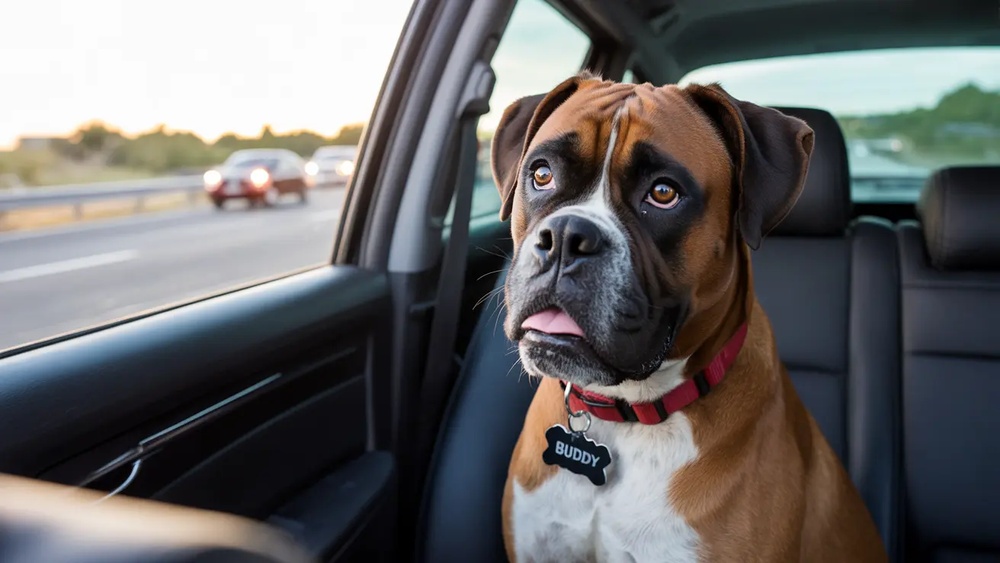
Does your dog get restless or anxious every time you get in the car? You’re not alone, and it can be stressful for both of you.
But imagine turning those tense rides into calm, peaceful trips where your dog feels safe and relaxed. You’ll discover simple and effective ways to help your furry friend stay calm during car rides. Keep reading, and you’ll learn how to make every drive a better experience for both you and your dog.

Credit: www.diggs.pet
Reasons Dogs Get Anxious In Cars
Many dogs feel uneasy during car rides. This anxiety can cause whining, barking, or even trembling. Understanding the reasons behind this stress helps to calm your dog effectively. Below are common causes of car anxiety in dogs.
Motion Sickness
Dogs can get motion sickness just like people. The motion of the car can upset their stomach. They may drool, vomit, or seem restless. This discomfort makes them nervous about car trips.
Loud Noises And Vibrations
Cars produce many sounds and vibrations. The engine noise, road bumps, and wind can scare dogs. These loud and strange feelings can increase their anxiety. Dogs may try to escape or hide.
Unfamiliar Surroundings
Car rides take dogs away from their safe place. New sights, smells, and places can confuse them. They do not know what to expect. This fear of the unknown causes stress and worry.

Credit: www.scenthound.com
Preparing Your Dog For Car Rides
Preparing your dog for car rides helps reduce stress and makes trips more enjoyable. Dogs may feel nervous or scared inside a moving car. Getting them used to the car before long drives helps build comfort and confidence. Start early and be patient. Small steps lead to calm and happy pets during travel.
Familiarizing With The Car
Let your dog explore the car while it is parked. Open doors and allow sniffing inside. Sit together without starting the engine. This creates a safe, quiet space. Your dog learns the car is not scary. Repeat often until your dog shows calm behavior.
Short Practice Trips
Take very short rides around the block first. Keep trips under five minutes at first. Praise your dog after the ride. Slowly increase trip length over days or weeks. This helps your dog adjust to motion and sounds. Short trips build positive memories of car rides.
Comfort Items
Bring familiar items like your dog’s favorite blanket or toy. These items provide comfort and a sense of home. Place them where your dog can easily reach. Comfort items help reduce anxiety during travel. They make the car feel like a safe place.
Calming Techniques During The Ride
Keeping your dog calm during car rides makes travel safer and more pleasant. Dogs can feel nervous or stressed by the moving car and new surroundings. Using simple calming techniques helps your dog relax and enjoy the trip. These methods ease anxiety and reduce restless behavior.
Using Calming Treats And Supplements
Calming treats contain ingredients like chamomile or valerian root. These natural herbs help lower stress in dogs. Give treats before the ride to prepare your dog. Some supplements include CBD or melatonin. Always check with your vet before trying new products. Treats and supplements work best with other calming methods.
Playing Soothing Music
Soft music can calm a nervous dog. Choose slow, gentle tunes without loud beats. Classical music or nature sounds often work well. Keep the volume low to avoid startling your pet. Playing music helps distract your dog from outside noises. This creates a peaceful environment inside the car.
Gentle Touch And Reassurance
Physical contact comforts many dogs during travel. Gently pet or stroke your dog’s head or back. Speak softly in a calm voice to reassure them. Holding your dog’s paw can also help. Your calm presence gives your dog a sense of safety. Avoid sudden movements that may increase anxiety.
Safety Measures For Stress-free Travel
Traveling with a dog can be stressful for both of you. Safety measures help keep your dog calm and safe during car rides. These steps reduce anxiety and prevent accidents. Follow simple rules to make your trip smoother and more pleasant.
Proper Restraints And Harnesses
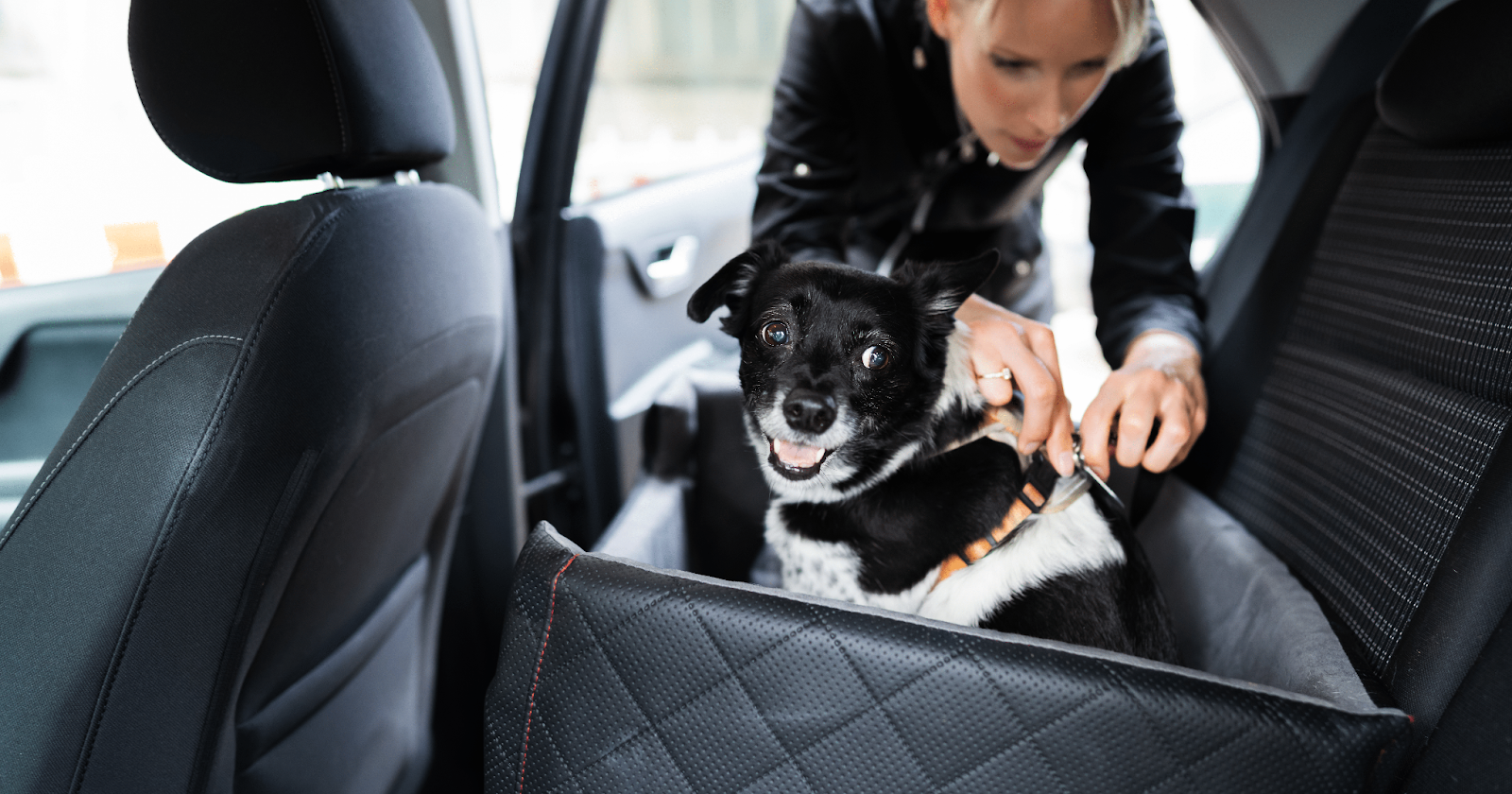
Use a dog seatbelt or harness designed for cars. These keep your dog secure and stop sudden movements. Unrestrained dogs can distract the driver or get hurt in crashes. Choose a harness that fits well and feels comfortable.
Secure the harness to the car’s seatbelt system. Avoid using just a collar, which can cause injuries. Restraining your dog also helps reduce their stress by limiting their movement.
Ventilation And Temperature Control
Keep fresh air flowing in the car. Open windows slightly or use air conditioning. Avoid hot or cold temperatures that can upset your dog. Dogs cannot sweat like humans, so they need help staying cool.
Check the temperature often during the trip. Never leave your dog alone in a parked car. Heatstroke can happen quickly and is very dangerous. Proper ventilation keeps your dog comfortable and calm.
Regular Breaks
Stop every one to two hours for a break. Let your dog stretch, walk, and relieve themselves. Breaks reduce stress and help prevent restlessness. Offer water during stops to keep your dog hydrated.
Use breaks to check your dog’s mood and health. A tired or anxious dog needs more attention. Short breaks make long trips easier for your pet.
When To Seek Professional Help
Knowing when to seek professional help is important for your dog’s well-being. Some signs show that your dog needs more than just home care. Acting early can prevent more stress for your pet.
Recognizing Severe Anxiety
Severe anxiety in dogs shows clear signs. Your dog may shake, drool, or bark nonstop. They might try to escape or hide. Loss of appetite or vomiting can also appear. These signs mean your dog feels very unsafe in the car.
Consulting A Veterinarian
A veterinarian can find if your dog has medical issues. They can suggest safe medicines to reduce anxiety. Vets can also check if pain or illness worsens car stress. Getting a vet’s advice is a smart step for your dog’s health.
Behavioral Training Options
Professional trainers use special methods to calm anxious dogs. Training can teach your dog to feel safe during rides. Techniques include gradual exposure and positive rewards. Trainers help build your dog’s confidence in the car. This support improves your dog’s travel experience over time.
Credit: www.adaptil.co.uk
Frequently Asked Questions
How Can I Reduce My Dog’s Car Anxiety?
Start with short trips to help your dog get used to the car. Use calming treats or toys. Speak softly and offer reassurance. Avoid sudden movements or loud noises. Gradually increase travel time to build comfort and confidence during car rides.
What Are The Best Calming Products For Dogs In Cars?
Calming products like pheromone sprays, anxiety wraps, and natural supplements can help. Consult your vet before use. These products reduce stress and promote relaxation. Choose items specifically designed for dogs. Always monitor your dog’s reaction to ensure safety and effectiveness.
How Do I Prepare My Dog Before A Car Trip?
Exercise your dog before travel to reduce energy and stress. Provide a light meal a few hours before departure. Offer water but limit excessive drinking. Bring familiar items like blankets or toys. This preparation helps your dog feel secure and calm during the journey.
Is It Safe To Use A Dog Seat Belt Or Crate?
Yes, using a dog seat belt or crate is safe and recommended. They prevent injury during sudden stops and keep your dog secure. Crates provide a cozy, enclosed space that helps reduce anxiety. Always choose appropriate sizes and properly secure the restraint.
Conclusion
Calming your dog in the car takes patience and care. Start with short trips to build comfort. Use familiar toys or blankets for a sense of safety. Speak softly and stay calm yourself. Avoid loud noises and sudden moves. Regular breaks help your dog relax and stretch.
Each dog is different; find what works best. A calm dog means a safer, happier ride for both of you. Keep trying, and enjoy your travels together.