

Have you ever caught your puppy sneaking a bite of your adult dog’s food and wondered if it’s okay? You might worry if that one meal could upset their tummy or affect their growth.
Understanding what happens when a puppy eats adult dog food is important for keeping your furry friend healthy and happy. You’ll discover the key differences between puppy and adult dog food, the risks involved, and what you should do if it happens.
Keep reading to make sure your puppy gets the best start in life.
Differences Between Puppy And Adult Dog Food
Puppy food and adult dog food serve very different purposes. Puppies need special nutrition to grow strong and healthy. Adult dogs need food to maintain their health and energy. Feeding the wrong type of food can cause health problems for your puppy.
Understanding the differences between puppy and adult dog food helps you make better feeding choices. This knowledge keeps your puppy happy and thriving.
Nutritional Needs Of Puppies
Puppies grow fast and need more calories than adult dogs. Their food must have extra protein to build muscles. Puppies also need more fat for energy and brain development. Vitamins and minerals support bone growth and immunity. Balanced nutrition helps puppies develop healthy teeth and strong bones.
Ingredients In Adult Dog Food
Adult dog food has fewer calories than puppy food. It contains less fat and protein since adult dogs need less energy. The ingredients focus on maintaining health and preventing weight gain. Some adult foods include fiber to support digestion. These foods suit dogs that are fully grown and less active.
Potential Risks Of Puppies Eating Adult Dog Food
Puppies have different needs than adult dogs. Their bodies grow fast and need special food. Eating adult dog food can cause some problems for puppies. These problems can affect their health now and later in life.
Nutritional Deficiencies
Adult dog food lacks some nutrients puppies need. Puppies need more protein and fat for growth. Adult food has less calcium and vitamins for bones. Missing these nutrients can slow down their development. Puppies may not get enough energy to stay active.
Digestive Issues
Puppy stomachs are sensitive. Adult dog food can be hard to digest. This can cause upset stomach, diarrhea, or vomiting. Puppies may feel uncomfortable and lose appetite. Digestive problems can lead to dehydration and weakness.
Long-term Health Concerns
Eating adult food can cause health issues later. Lack of proper nutrients may weaken bones and joints. It can lead to poor muscle growth. Puppies may have a weaker immune system. This increases the risk of illness as they grow.
Signs Your Puppy Ate Adult Dog Food
Noticing signs that your puppy ate adult dog food can help you act quickly. Puppies have different needs than grown dogs. Eating adult food may cause problems. Watch your puppy closely for changes. Some signs are easy to see. Others show up in their behavior or body. Recognizing these signs early keeps your puppy safe and healthy.
Behavioral Changes
Your puppy might act restless or tired. They may eat less or refuse food. Sudden changes in mood can happen. Some puppies seem irritable or whiny. Sleep patterns might change too. They could be more sleepy or restless at night. Pay attention to any unusual behavior. These changes often mean something is wrong.
Physical Symptoms
Look for vomiting or diarrhea. Your puppy’s stomach may seem swollen or painful. They might have less energy or limp. Changes in their coat, like dryness, can appear. Some puppies cough or have trouble breathing. These signs suggest their body reacts to adult food. Quick action can prevent serious health issues.
Credit: www.bowlerspets.com
Immediate Steps To Take
Finding out your puppy has eaten adult dog food can cause worry. Acting fast helps your puppy stay safe and healthy. Follow clear steps to handle this situation well.
Monitoring Your Puppy
Watch your puppy closely after eating adult dog food. Check for vomiting, diarrhea, or upset stomach. Notice if your puppy seems tired or less active. Keep an eye on their eating and drinking habits. Record any changes in behavior or health. Keep your puppy calm and comfortable during this time.
When To Contact A Veterinarian
Call your veterinarian if your puppy vomits repeatedly. Seek help if diarrhea lasts more than a day. Reach out if your puppy shows signs of pain or distress. Contact a vet if your puppy refuses to eat or drink. Immediate care is crucial for severe reactions. Trust your instincts and ask for professional advice.
Preventing Accidental Feeding
Preventing accidental feeding of adult dog food to puppies is important. Puppies need special nutrition for growth. Adult dog food can cause stomach upset and nutrient imbalance. Careful habits help keep puppies healthy and happy.
Proper Storage Of Dog Food
Store adult dog food in a high cabinet or sealed container. Keep puppy food separate in a different area. Use containers that close tightly to keep food fresh. Avoid leaving food bags open on the floor. This prevents puppies from eating the wrong food by mistake.
Feeding Schedules And Practices
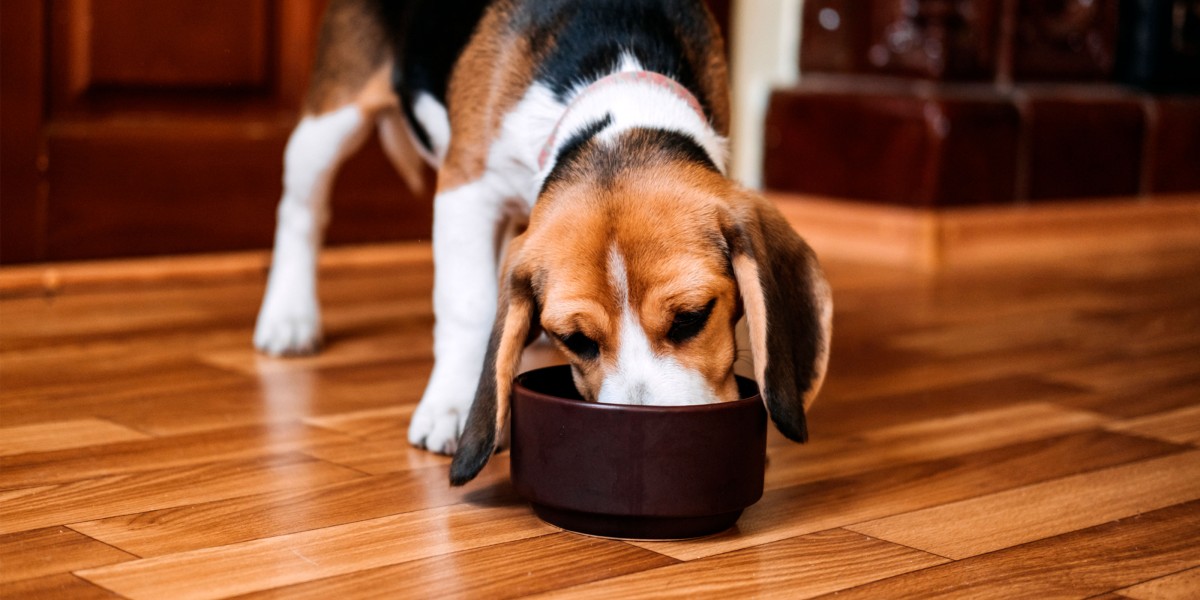
Feed puppies and adult dogs at different times. Use separate bowls for each type of food. Watch your puppy during meal times to avoid confusion. Clean bowls after feeding to remove leftover food. Consistent routines help puppies learn what to eat and when.
Credit: www.purina.com
Safe Transition Between Food Types
Changing your puppy’s food needs care and patience. A sudden switch can upset their stomach. Puppies have sensitive digestion. A smooth change helps avoid diarrhea or vomiting. It also helps your puppy enjoy their new food without stress.
Gradual Switching Techniques
Start by mixing 25% new food with 75% old food. Do this for three days. Then, change the mix to 50% new and 50% old. Keep this for another three days. Next, try 75% new food and 25% old food. After three days, feed only the new food. Watch your puppy for any signs of discomfort. This slow change gives their body time to adjust.
Choosing The Right Food For Your Puppy
Select food made specifically for puppies. Puppy food has the right vitamins and minerals. It supports their growth and energy needs. Avoid adult dog food during the first year. Adult food lacks nutrients that puppies need. Check the label for AAFCO approval. This shows the food meets nutritional standards. Pick a brand with good reviews and clear ingredients. Healthy food helps your puppy grow strong and happy.
Credit: www.acanapetfoods.co.uk
Frequently Asked Questions
Can Puppies Eat Adult Dog Food Safely?
Puppies can eat adult dog food occasionally, but it lacks essential nutrients for growth. Feeding adult food long-term may cause deficiencies and health issues. Always prioritize puppy-specific food for balanced nutrition.
What Are Risks If Puppies Eat Adult Dog Food?
Adult dog food may lack critical vitamins and minerals for puppies. This can lead to poor bone development, weak immunity, and digestive problems. Monitor your puppy’s health and consult a vet if needed.
How To Transition A Puppy From Adult Dog Food?
Switch gradually by mixing adult and puppy food over 7-10 days. Increase puppy food amount daily to avoid digestive upset. Always ensure fresh water and monitor your puppy’s response during the transition.
Will Adult Dog Food Affect Puppy’s Growth?
Yes, adult dog food might slow growth due to lower calories and nutrients. Puppies need higher protein and fat for development. Feeding puppy food supports healthy bones, muscles, and energy levels.
Conclusion
Feeding a puppy adult dog food can cause health problems. Puppies need special nutrients to grow strong and healthy. Adult food lacks enough vitamins and minerals for puppies. Eating adult food once or twice may not harm much. But long-term feeding can lead to poor growth and digestion issues.
Always choose puppy food made for their needs. This helps your puppy stay energetic and develop properly. Watch your puppy’s eating habits closely. Consult a vet if you notice any problems. Keeping your puppy on the right diet is key to a happy, healthy dog.


