

Are you wondering when it’s the right time to switch your puppy from puppy food to adult dog food? Choosing the perfect moment can feel confusing, but it’s one of the most important decisions for your dog’s health and growth.
If you switch too early, your pup might miss out on essential nutrients. Wait too long, and they could gain unwanted weight or lose energy. You’ll discover clear signs to watch for and expert tips to make the transition smooth and safe.
Keep reading to ensure your furry friend stays happy and healthy every step of the way.

Credit: www.iams.com
Puppy Growth Stages
Puppies grow fast. Their food needs change as they pass through different stages. Understanding these stages helps you know the right time to switch their diet. Each phase has unique growth and nutrition demands. This ensures your puppy stays healthy and strong.
Newborn To Weaning
At birth, puppies rely fully on their mother’s milk. It gives them all needed nutrients and antibodies. Around three to four weeks, they start trying solid food. This is called weaning. Gradually, they eat less milk and more soft puppy food. This phase is crucial for their digestive system development.
Early Puppy Phase
From about six weeks to four months, puppies grow very fast. They need food rich in protein and fat. Puppy food supports bone growth and muscle development. Meals should be small but frequent. This stage builds a strong foundation for future health and energy.
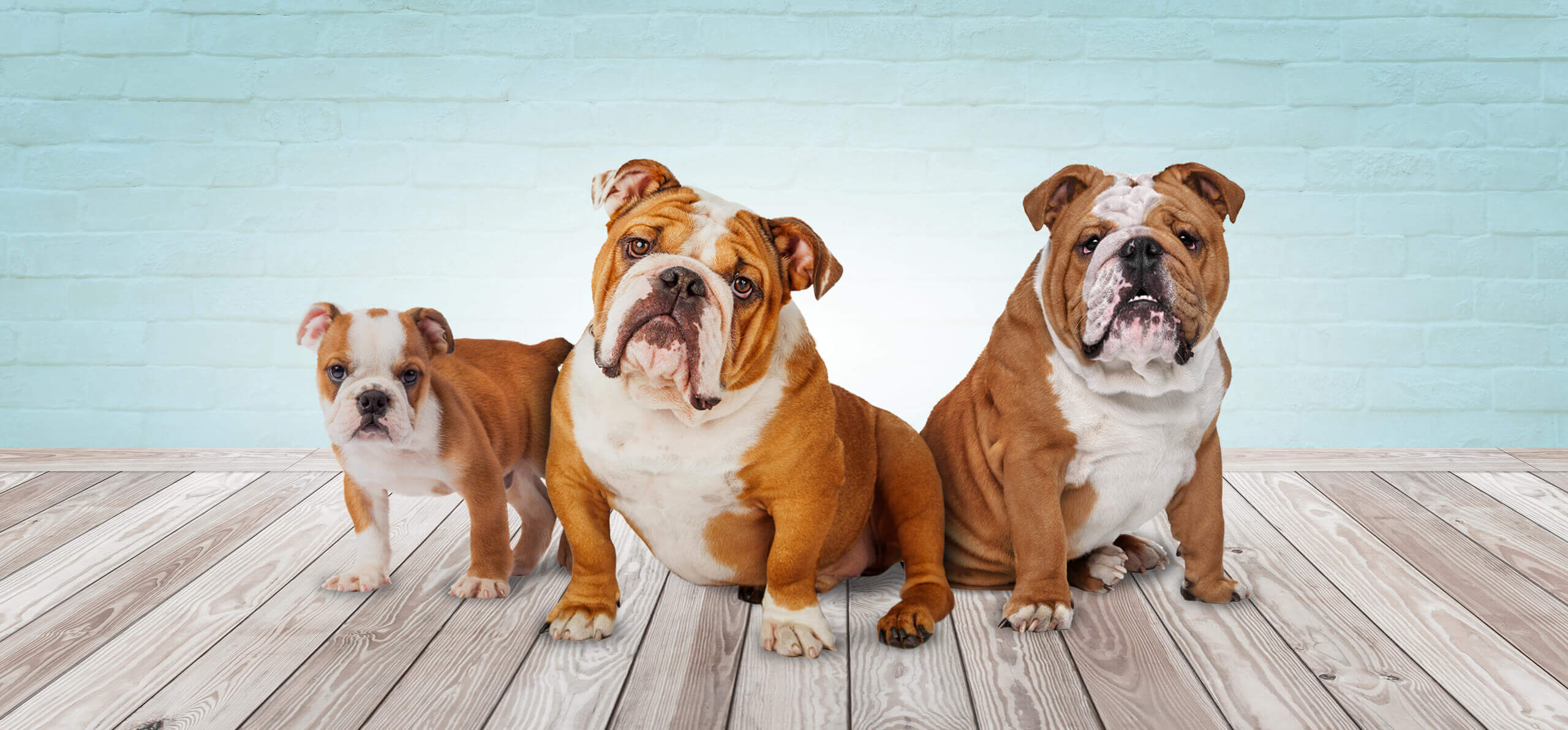
Adolescence In Dogs
Between four months and one year, puppies enter adolescence. Growth slows but continues steadily. Energy needs remain high, but less than before. Their diet should balance nutrients for growth and activity. Monitoring weight and health helps to adjust food amounts. This phase bridges puppy food and adult dog food.
Credit: www.bluebuffalo.com
Nutritional Needs Of Puppies
Puppies need special food to grow strong and healthy. Their bodies develop fast. This means their food must have the right nutrients in the right amounts. Knowing what puppies need helps you choose the best food for them.
Essential Nutrients
Puppies need protein to build muscles and tissues. Fat gives them energy to play and learn. Vitamins and minerals keep their bones and immune system strong. DHA, a type of fat, helps brain and eye development. These nutrients work together to support puppy growth.
Caloric Requirements
Puppies burn more calories than adult dogs. Their fast growth uses a lot of energy. They need food with higher calories per serving. This helps them stay active and healthy. Feeding too little can slow their growth. Too much can cause weight problems.
Differences From Adult Dogs
Adult dogs need less protein and calories. Puppy food has more nutrients to support growth. Their bones and organs are still forming. Adult dog food may not provide enough nutrition. Switching to adult food too early can harm puppies. Proper timing keeps puppies healthy and strong.
Signs To Switch To Adult Food
Knowing when to switch your puppy to adult dog food is key for their health. Puppies grow fast and need different nutrients than adult dogs. Watch for clear signs that show your pup is ready for a new diet. These signs help ensure your dog stays strong and healthy as they grow up.
Physical Development Indicators
Your puppy’s body shows clear signs of growth. Teeth change from sharp puppy teeth to adult teeth. Their weight starts to level off. Muscle tone becomes more defined. Coat texture can also shift from soft to thicker. These changes mean your puppy is ready for adult food.
Behavioral Changes
Puppies become less hyperactive as they mature. They eat less often but consume larger meals. Interest in play might decrease slightly. They may sleep more during the day. These behaviors suggest their metabolism is slowing down. This means adult food is better for their energy needs.
Vet Recommendations
Your vet knows your puppy’s health best. Regular check-ups help track growth and development. Your vet will suggest the right time to switch food. They may recommend specific adult dog food brands. Always follow your vet’s advice to keep your dog healthy.
Breed And Size Considerations
Puppies grow at different rates. Their breed and size affect when they need adult dog food. Choosing the right time helps keep them healthy. Each type needs special care for their unique growth.
Small Breeds
Small breed puppies grow fast. They usually switch to adult food around 9 to 12 months. Their bodies mature sooner than bigger dogs. Feeding adult food too late can cause weight gain. Pick a formula made for small breeds for better nutrition.
Medium Breeds
Medium breed puppies grow steady and take longer to mature. They often change to adult dog food between 12 and 14 months. Their food needs balance protein and fat. This supports healthy muscles and energy. Watch their growth and adjust food as needed.
Large And Giant Breeds
Large and giant breeds grow slower and for longer. They switch to adult food at 12 to 24 months. Their bones and joints need extra care during growth. Special large breed formulas help prevent problems. Feeding adult food too early may harm their development.
Transitioning Tips
Switching a puppy from puppy food to adult dog food needs care. A smooth transition helps your dog adjust well. It avoids stomach problems and keeps them healthy.
Follow simple steps to make the change easy. Watch your puppy closely during this time. Small changes over days work best for their body.
Gradual Food Mixing
Start by mixing a small amount of adult food with puppy food. Increase the adult food each day. Do this over 7 to 10 days. This helps your puppy get used to the new taste and texture.
Monitoring Digestive Health
Check your puppy’s stool for changes. Soft or loose stool may mean the food change is too fast. Watch for vomiting or loss of appetite. If problems appear, slow down the transition or talk to a vet.
Adjusting Portion Sizes
Adult dogs need different food amounts than puppies. Follow feeding guidelines on the dog food package. Adjust portions based on your dog’s weight and activity. Avoid overfeeding to keep your dog fit and healthy.
Common Mistakes To Avoid
Switching your puppy to adult dog food is important. Doing it wrong can cause health problems. Many pet owners make simple mistakes during this change. Avoiding these errors helps your dog stay healthy and happy.
Switching Too Early
Puppies need special food to grow strong. Adult food may lack nutrients they need. Changing food too soon can slow growth. Wait until your puppy is ready, usually after one year. Follow your vet’s advice for the best time.
Ignoring Nutritional Labels
Reading food labels is key. Not all adult dog food fits every dog. Look for balanced nutrients like protein, fat, and vitamins. Choose food that matches your dog’s size and activity. Labels help you pick the right option.
Overfeeding During Transition
Many owners feed too much food when switching. This causes weight gain and stomach upset. Gradually change portions over 7-10 days. Mix new food with old food to avoid problems. Control portions to keep your dog healthy.
Veterinarian Advice And Resources
Veterinarians play a key role in deciding when puppies should switch to adult dog food. Their advice helps ensure your pet stays healthy during growth. They also provide resources to guide you in making the right food choices. Regular vet visits help track your puppy’s health and growth. This ensures the diet change happens at the right time and in the right way.
Scheduling Checkups
Plan regular visits to your vet during your puppy’s first year. These checkups help monitor weight and development closely. Your vet can tell you the best time to change food. They watch for signs your puppy needs more nutrients or fewer calories. Scheduling checkups every few months keeps your puppy on a healthy track.
Choosing Quality Food Brands
Your vet can recommend trusted dog food brands. These brands use safe ingredients and balanced nutrition. Choose foods made for your puppy’s breed size and age. Your vet may suggest gradual food changes to avoid stomach upset. Quality foods support strong bones, muscles, and overall growth.
Tracking Growth Progress
Vets measure weight and body condition to track growth. They look for steady gains, not too fast or slow. Tracking progress helps decide if your puppy needs adult food sooner or later. Keep notes on your puppy’s eating habits and energy levels. Sharing this info with your vet improves diet advice and care.
Credit: www.dogster.com
Frequently Asked Questions
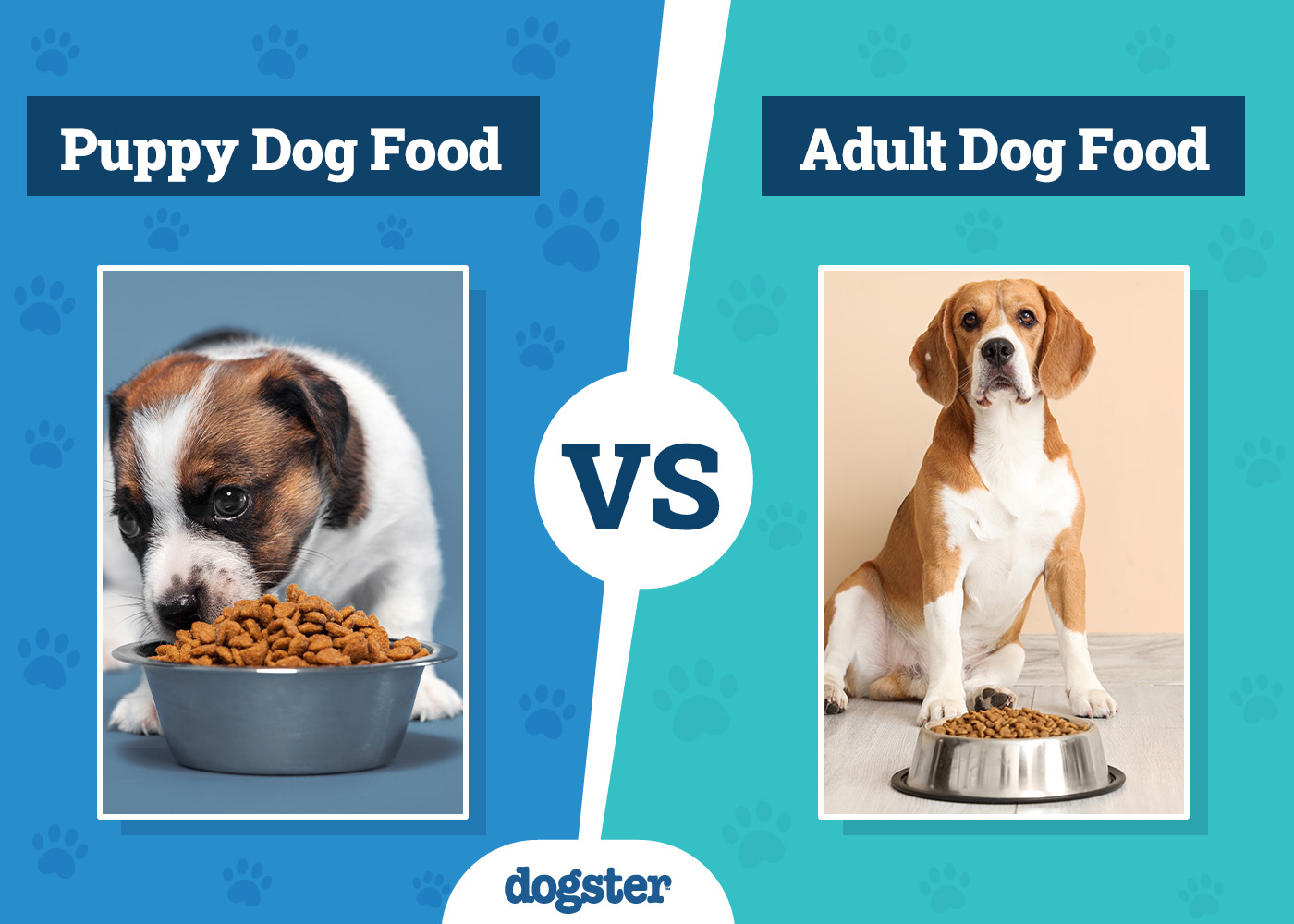
When Should Puppies Start Eating Adult Dog Food?
Puppies can switch to adult dog food around 12 months old. Large breeds may need up to 18 months. Transition gradually to avoid stomach upset. Consult your vet for breed-specific advice.
What Signs Show Puppies Are Ready For Adult Food?
Signs include slowed growth, stable weight, and less energetic behavior. Puppies become less dependent on high-calorie food. Teeth and digestive system are more developed by then.
Can Switching To Adult Food Too Early Harm Puppies?
Yes, switching too early can cause nutrient deficiencies. Puppies need higher protein and fat for growth. Early switch may stunt development and weaken immunity. Always follow vet guidance for timing.
How To Transition Puppies To Adult Dog Food?
Mix increasing amounts of adult food with puppy food over 7-10 days. Monitor for digestive issues like diarrhea or vomiting. Gradual change helps puppies adapt easily to new nutrition.
Conclusion
Puppies grow fast and need good nutrition to stay healthy. Switching to adult dog food depends on their breed and size. Most dogs change food around one year old, but check with a vet first. Watch for signs like slower growth or less energy.
Feeding the right food helps your dog stay strong and happy. Remember, each puppy is different. Take your time and choose wisely. Your care makes a big difference in their life.


