

Are you worried about allergies but still want a furry friend by your side? Finding the right dog breed that won’t trigger your sneezes or itchy eyes can feel like a challenge.
But don’t give up just yet. There are dog breeds known to be hypoallergenic, meaning they are less likely to cause allergic reactions. You’ll discover which breeds fit the bill and what makes them special. Keep reading to find the perfect allergy-friendly companion for your home and heart.

Credit: www.doctoryahni.com
Hypoallergenic Dogs Explained
Many people want dogs that do not cause allergies. Hypoallergenic dogs are often the answer. These dogs cause fewer allergy problems for sensitive people. Understanding what hypoallergenic means helps choose the right dog. It clears up common myths and guides better decisions.
What Makes A Dog Hypoallergenic
Hypoallergenic dogs shed less hair and dander. Dander is tiny skin flakes that cause allergies. These dogs produce fewer allergens in their saliva and skin. Their coats trap dander instead of spreading it. Regular grooming keeps allergens low. No dog is fully allergy-proof. But some breeds cause fewer reactions.
Common Misconceptions
Many believe hairless dogs cause no allergies. This is not always true. Allergens come from skin and saliva too. Some breeds shed a lot but do not trigger allergies. Allergies depend on the person, not just the dog. Clean homes and good care reduce allergy issues. Choosing a hypoallergenic dog is just one step.
Credit: www.latimes.com
Shedding And Allergies Connection
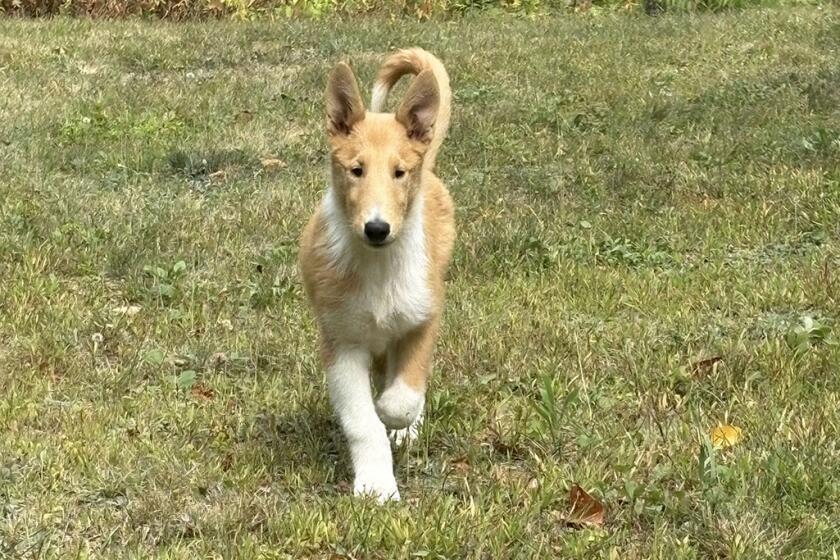
Shedding and allergies often go hand in hand for many dog owners. The main allergen is not fur but tiny flakes of dead skin called dander. Dogs shed fur and skin, spreading dander around the home. This dander triggers allergic reactions in sensitive people. Understanding the link between shedding and allergies helps in choosing the right dog breed.
How Shedding Affects Allergens
Shedding spreads dander, the real allergen, into the air and surfaces. More shedding means more dander in your living space. Even dogs with short fur can cause allergies if they shed a lot. Regular grooming reduces loose fur but does not stop dander. Some breeds shed less, which means less dander spread. Low-shedding dogs often cause fewer allergy problems.
Dogs That Shed Less
Breeds that shed less usually produce less dander in the environment. Examples include Poodles, Bichon Frises, and Maltese. These dogs keep their fur longer, trapping dander close to the skin. They need regular grooming to avoid matting. Choosing low-shedding dogs may help people with mild allergies. Still, no dog is 100% hypoallergenic.
Top Hypoallergenic, Low-shedding Breeds
Some dog breeds cause fewer allergy problems. They shed less hair and dander. These breeds suit people with allergies or sensitive skin. Choosing a hypoallergenic dog means less cleaning and fewer sneezes.
Below are popular breeds known for low shedding and allergy-friendly coats. Each has unique traits and care needs.
Poodle Varieties
Poodles come in toy, miniature, and standard sizes. Their curly coats trap dander and hair. Poodles shed very little, making them allergy-friendly. They are smart and easy to train.
Bichon Frise
The Bichon Frise has a soft, curly coat. This breed sheds minimally and produces less dander. Bichons are playful and friendly. Regular grooming keeps their coat healthy.
Maltese
Maltese dogs have long, silky hair that sheds little. Their fine coat causes fewer allergic reactions. Maltese dogs are gentle and affectionate. Brushing prevents mats and tangles.
Portuguese Water Dog
Portuguese Water Dogs have curly or wavy coats. They shed very little and resist allergens. These dogs are active and love water. Their coat needs regular grooming.
Schnauzer Breeds
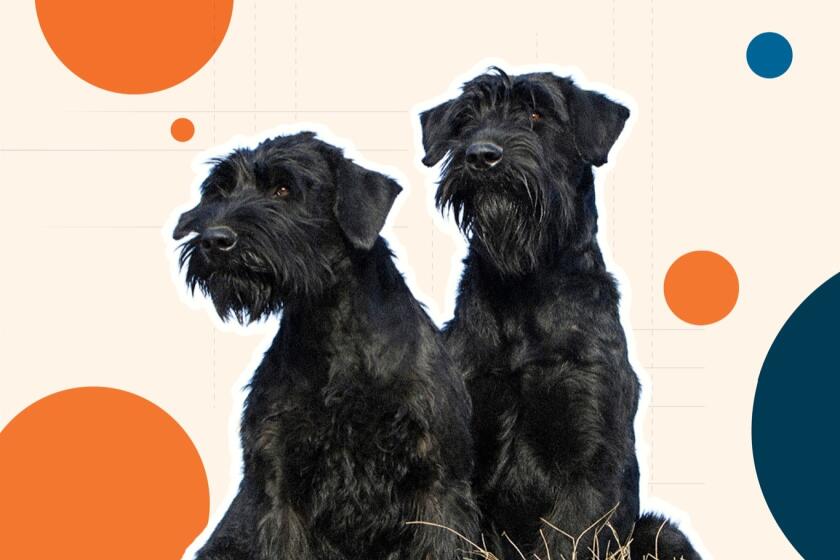
Schnauzers come in miniature, standard, and giant sizes. Their wiry coat sheds very little. Schnauzers are alert and loyal. They need regular trimming to keep their coat neat.
Shih Tzu
Shih Tzus have long, dense hair that sheds minimally. Their coat traps dander, reducing allergens. These dogs are friendly and good companions. Daily brushing helps maintain their coat.
Yorkshire Terrier
Yorkshire Terriers have fine, silky hair that sheds little. Their coat produces less dander than other breeds. Yorkies are lively and affectionate. Regular grooming keeps their hair shiny and healthy.
Credit: www.latimes.com
Choosing The Right Breed For Allergy Sufferers
Choosing the right dog breed is important for allergy sufferers. Not all hypoallergenic breeds suit every lifestyle or home. Some dogs need more care and attention. Others may have a calm or active nature. Understanding these factors helps find the best match. This section guides you through key points to consider.
Lifestyle Considerations
Think about your daily routine and space. Active breeds need regular exercise and playtime. Quiet dogs fit better in small apartments. Time for training and walks matters too. Choose a breed that matches your energy level. This keeps both you and your dog happy.
Grooming Needs
Some hypoallergenic dogs shed less but need frequent grooming. Others require regular baths and brushing to reduce allergens. Grooming habits affect allergy symptoms. Pick a breed with grooming needs you can manage. This helps keep allergens low at home.
Temperament And Size
Small breeds fit well in tight spaces. Large breeds need more room and exercise. Temperament varies from calm to playful. Choose a dog with a personality that fits your family. This creates a comfortable and safe environment for all.
Managing Allergies With Pets
Managing allergies while having pets can be challenging. Allergies often come from pet dander, saliva, or urine. These tiny particles can float in the air and stick to surfaces. Controlling these allergens helps reduce symptoms and makes living with pets easier.
Small changes at home can make a big difference. Cleaning, grooming, and improving air quality help keep allergens low. These steps create a healthier space for both pets and people.
Home Cleaning Tips
Clean floors and furniture often to remove pet dander. Use a vacuum with a HEPA filter to trap small particles. Wash pet bedding weekly in hot water. Dust surfaces with a damp cloth to avoid spreading allergens. Keep clutter low to reduce places where dander collects.
Regular Grooming Practices
Brush your pet regularly to reduce loose hair and dander. Bathing pets helps remove allergens from their coat. Use pet-friendly shampoos designed for sensitive skin. Trim pet nails to prevent scratches that spread allergens. Groom pets outside to keep dander out of the house.
Air Quality Improvements
Use air purifiers with HEPA filters to clean airborne allergens. Keep windows open to allow fresh air in. Avoid smoking indoors as it worsens allergy symptoms. Change HVAC filters regularly to maintain clean air flow. Consider plants that improve indoor air quality naturally.
Frequently Asked Questions
What Makes A Dog Breed Hypoallergenic?
Hypoallergenic dog breeds produce fewer allergens like dander and saliva. These dogs shed less, reducing allergic reactions. They are ideal for allergy sufferers seeking a pet without frequent symptoms.
Which Dog Breeds Are Considered Hypoallergenic?
Popular hypoallergenic breeds include Poodles, Bichon Frises, Maltese, and Schnauzers. These breeds shed minimally and have hair-like fur, lowering allergen exposure. They suit people with mild to moderate allergies.
Can Hypoallergenic Dogs Cause Allergies?
Yes, no dog is 100% allergen-free. Hypoallergenic breeds reduce allergens but may still trigger mild reactions. Regular grooming and cleaning help minimize allergy symptoms further.
How To Care For A Hypoallergenic Dog?
Frequent grooming, bathing, and vacuuming keep allergens low. Use air purifiers and wash dog bedding often. Proper care enhances hypoallergenic benefits and keeps your home allergy-friendly.
Conclusion
Choosing a hypoallergenic dog breed can help reduce allergy problems. These breeds shed less hair and dander. Remember, no dog is 100% allergy-free. Spending time with a dog before adoption is a smart idea. This helps check your allergy reactions early.
Every dog needs love, care, and attention. Find a breed that fits your lifestyle and allergy needs. Enjoy the joy and companionship a dog brings. Your perfect hypoallergenic friend is waiting.


