

If you love dogs but hate the mess of fur everywhere, you’re not alone. Finding a dog that doesn’t shed can make your life so much easier.
Imagine cuddling with your furry friend without worrying about hair on your clothes, furniture, or floors. You’ll discover which dog breeds keep shedding to a minimum and why they might be the perfect match for your home. Keep reading to find the right pup that fits your lifestyle and keeps your space clean.

Credit: www.womansday.com
Why Shedding Matters
Shedding affects many parts of dog ownership. It changes how clean your home stays. It influences allergies and grooming routines. Understanding why shedding matters helps you choose the right dog breed.
Impact On Allergies
Shedding can spread tiny dander particles in the air. These particles often trigger allergy symptoms. Dogs that shed less usually cause fewer allergy problems. Choosing a low-shedding dog can improve breathing and comfort.
Home Cleanliness
Shedding fills floors, furniture, and clothes with hair. It creates extra work for cleaning. Less shedding means less hair on carpets and sofas. A low-shedding dog keeps your home tidier and cleaner.
Grooming Needs
Dogs that shed heavily need regular brushing. This helps remove loose hair and prevents mats. Low-shedding dogs usually require less grooming. They save time and reduce the chance of skin problems.

Credit: www.goodhousekeeping.com
Traits Of Low-shedding Breeds
Low-shedding dog breeds have special traits that keep loose hair to a minimum. These traits help maintain cleaner homes and reduce allergy problems. Understanding these traits can help choose a pet that fits well with your lifestyle.
Coat Types
Low-shedding dogs often have coats that do not shed much. Their hair grows continuously, similar to human hair. This type of coat traps loose hair instead of letting it fall out. Breeds like Poodles and Bichon Frises have this kind of coat. Some dogs have wiry coats that shed less than soft, fluffy fur. These coats need regular grooming to stay healthy and clean.
Hypoallergenic Qualities
Many low-shedding breeds are also hypoallergenic. They produce fewer dander particles, which trigger allergies in some people. Less shedding means less dander in the environment. This makes these breeds better for people with mild allergies. No dog is fully allergy-free, but these breeds cause fewer reactions. Regular brushing and cleaning help reduce allergens even more.
Popular Low-shedding Dogs
Many people want dogs that do not shed much. Low-shedding dogs are easy to clean up after. They help keep homes free from fur and dander. These breeds are good for people with allergies or who dislike constant cleaning.
Here are some popular low-shedding dog breeds. They have different sizes and personalities. Each one has unique traits but shares the low-shedding coat.
Poodle Varieties
Poodles come in toy, miniature, and standard sizes. They have curly, dense fur that sheds very little. Poodles are smart and easy to train. Their coats need regular grooming to avoid mats. They are friendly and good for families.
Bichon Frise
The Bichon Frise has soft, curly hair that does not shed much. This small dog is playful and happy. Bichons enjoy being around people. Regular brushing keeps their coat clean and healthy. They are great for apartment living.
Maltese
Maltese dogs have long, silky hair that sheds very little. They are small and gentle pets. Maltese dogs love attention and make good companions. Their fur needs daily brushing to stay neat. They adapt well to different living spaces.
Portuguese Water Dog
This medium-sized dog has a curly coat that sheds minimally. Portuguese Water Dogs are energetic and love water. They are loyal and protective of their family. Regular grooming helps keep their coat healthy. These dogs do well with active owners.
Shih Tzu
Shih Tzus have long, flowing coats that shed little. They are friendly and calm dogs. Shih Tzus enjoy indoor play and cuddles. Their coat requires daily brushing to prevent tangles. They fit well in small homes or apartments.
Credit: www.newsweek.com
Less Common Low-shedding Breeds
Some dog breeds shed very little and are not as well known. These less common breeds are great for people who want a cleaner home. They also suit those who have mild allergies. Each breed has unique traits and needs. They make great pets for different lifestyles.
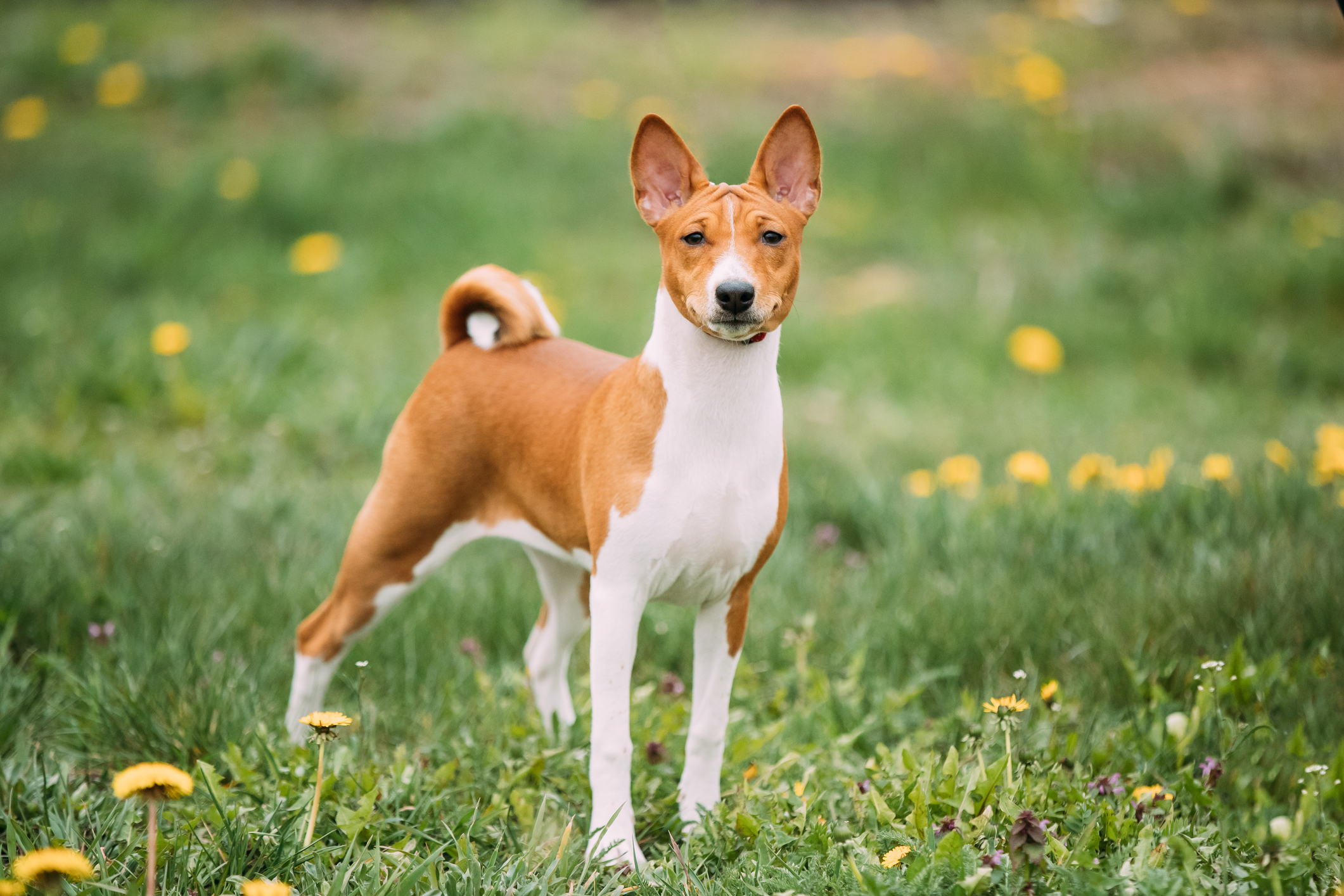
Basenji
Basenjis are small dogs with short hair. They shed very little, so cleaning is easy. These dogs are quiet and rarely bark. They are active and need daily exercise. Basenjis are clever and independent thinkers. They form strong bonds with their owners.
Chinese Crested
Chinese Crested dogs have two types: hairless and powderpuff. Hairless ones have soft skin with little hair. Powderpuff dogs have soft, silky coats that shed little. They are gentle and playful pets. Chinese Cresteds enjoy being close to people. Their small size fits well in apartments.
Havanese
Havanese dogs have long, silky coats that shed minimally. Their fur feels soft and looks shiny. Havanese are friendly and love to play. They get along well with children and other pets. These dogs need regular grooming to avoid mats. Havanese are smart and easy to train.
Choosing The Right Low-shedding Dog
Choosing the right low-shedding dog is important for a happy home. Some dogs shed less, but their needs differ a lot. Think about your daily life and space before picking a breed. This helps ensure your dog fits well with your lifestyle. Consider how active you are and how much room you have. These factors affect your dog’s happiness and health. Read on to find key points to help your choice.
Lifestyle Considerations
Dogs need care, time, and attention. Some low-shedding dogs need regular grooming. Others need less brushing but more exercise. Choose a dog that matches your daily routine. Busy people might want breeds needing less care. Quiet dogs suit calm homes better. Think about how much time you can give your pet. This makes life easier for both of you.
Activity Levels
Every dog has a different energy level. Some low-shedding breeds love to run and play. Others prefer short walks and relaxing. Match a dog’s activity with your own. Active dogs need more exercise and mental games. Lazy dogs fit well with a calm lifestyle. A good match keeps your dog happy and healthy. Avoid stress by choosing a breed with a similar energy level.
Size And Space
Space matters for dogs of all sizes. Large breeds need more room to move freely. Small dogs can live well in apartments. Some low-shedding dogs are small and fit in tight spaces. Others are bigger and need a yard or park. Think about your living space before choosing. A well-sized dog feels comfortable and less stressed. This helps your pet stay calm and relaxed.
Care Tips For Low-shedding Dogs
Low-shedding dogs need special care to keep their coats healthy. Their fur does not fall out much, but it still needs attention. Proper care helps avoid skin problems and keeps your dog comfortable. Here are some simple tips to care for low-shedding dogs.
Regular Grooming
Brush your dog’s coat often to remove dirt and loose hair. Use a brush made for low-shedding breeds. Bath your dog every few weeks to clean the skin and fur. Keep nails trimmed to avoid pain and injury. Grooming also helps you check for ticks or skin issues.
Diet And Health
Feed your dog a balanced diet full of vitamins and minerals. Good food supports healthy skin and fur. Fresh water is important to keep your dog hydrated. Visit the vet regularly for check-ups and vaccinations. Healthy dogs shed less and feel better.
Skin Care
Watch your dog’s skin for redness, dryness, or bumps. Use mild shampoos made for sensitive skin. Avoid harsh soaps that can cause irritation. Keep your dog’s sleeping area clean and dry. Healthy skin means less shedding and a happier dog.
Frequently Asked Questions
Which Dog Breeds Are Known For Not Shedding?
Breeds like Poodles, Bichon Frises, and Maltese are known for minimal shedding. These dogs have hair that grows continuously, reducing loose fur. They are ideal for allergy sufferers and those wanting a cleaner home.
Are Non-shedding Dogs Hypoallergenic?
Non-shedding dogs are often considered hypoallergenic but not completely allergy-free. They shed less dander, which triggers allergies. However, individual reactions vary, so spending time with the dog before adoption is best.
How Often Do Non-shedding Dogs Need Grooming?
Non-shedding dogs require regular grooming to prevent matting and maintain coat health. Grooming frequency varies by breed but usually includes brushing every few days and professional trims every 6-8 weeks. Consistent care keeps their coats clean and healthy.
Can Non-shedding Dogs Still Cause Allergies?
Yes, non-shedding dogs can still cause allergies. Allergies stem from dander, saliva, and urine proteins, not just shedding fur. Low-shedding breeds reduce airborne allergens but do not eliminate them entirely.
Conclusion
Choosing a dog that does not shed can make life easier for many people. Breeds like Poodles, Bichon Frises, and Shih Tzus offer friendly company without much hair around the house. These dogs still need love, care, and regular grooming.
Finding the right breed depends on your lifestyle and needs. A low-shedding dog can help keep your home cleaner and reduce allergy problems. Remember, every dog deserves a happy home and plenty of attention.


