

Are you dreaming of having a furry friend but worried about allergies? You’re not alone.
Many dog lovers struggle with sneezing, itchy eyes, or worse when around pets. But what if you could find a dog breed that’s easier on your allergies? Imagine enjoying a loyal companion without the constant sniffles. You’ll discover which dog breeds are truly hypoallergenic and perfect for your home.
Keep reading to find the best match for you and your family, and finally bring that lovable pup into your life—without the allergy hassle.
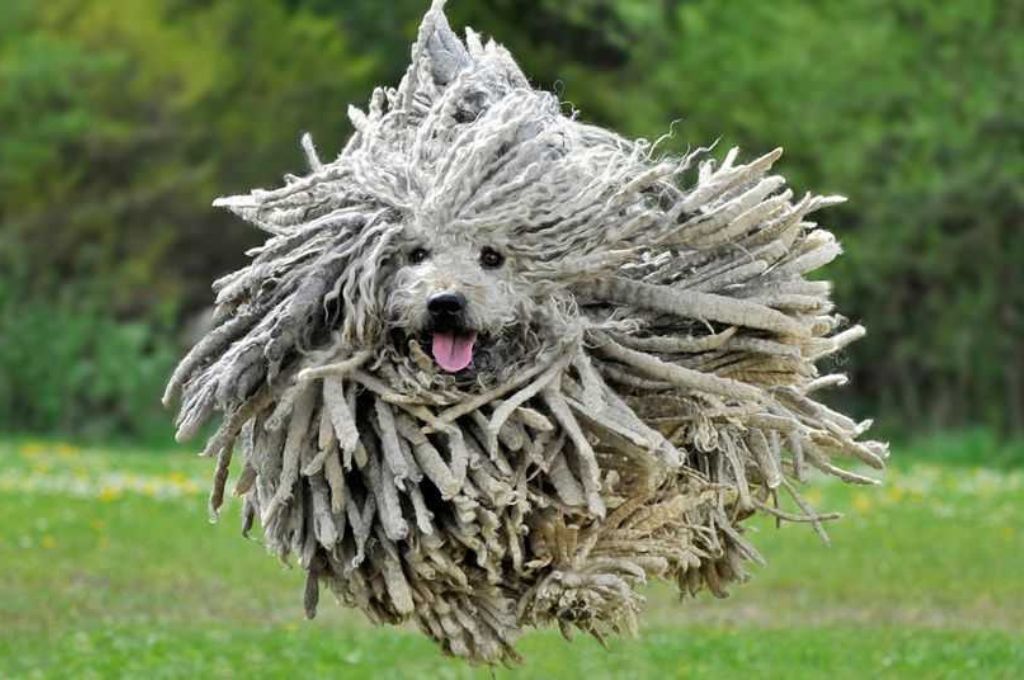
Credit: www.woofblankets.com
What Makes A Dog Hypoallergenic
Hypoallergenic dogs cause fewer allergy problems for many people. Allergies happen because of proteins found in dog skin flakes, saliva, and urine. These proteins spread through the air attached to tiny skin flakes called dander. Some dogs produce less dander or shed less hair, lowering allergy triggers. Understanding what makes a dog hypoallergenic helps find the right breed for sensitive individuals.
Low Shedding Traits
Dogs that shed less hair spread fewer allergens. Hair can carry dander, saliva, and other proteins. Low shedding breeds keep these allergens mostly on their bodies. Regular grooming and bathing also help reduce loose hair and dander. Breeds like Poodles and Bichon Frises shed very little. This trait makes them popular choices for allergy sufferers.
Reduced Dander Production
Some dogs naturally produce less dander. Less dander means fewer allergy-causing proteins in the air. Breeds with reduced dander are easier on sensitive noses. They still need care to keep dander levels low. Regular cleaning of their living space also helps. Reduced dander breeds include the Basenji and Portuguese Water Dog.
Coat Types And Allergies
Coat type influences allergy reactions. Curly or wiry coats trap dander and hair better. These coats stop allergens from spreading as much. Smooth or double coats release more dander into the environment. Dogs with hair-like coats often cause fewer allergy problems. Choosing the right coat type is key for allergy-friendly dogs.

Credit: tailsofbarkley.com
Top Hypoallergenic Dog Breeds
Finding the right dog breed is important for people with allergies. Hypoallergenic dogs shed less hair and dander, reducing allergic reactions. These breeds are great choices for sensitive individuals. They help create a cleaner, more comfortable home environment.
Poodle Varieties
Poodles come in three sizes: standard, miniature, and toy. They have curly, dense coats that trap dander. Poodles shed very little, making them ideal for allergy sufferers. Their intelligence and friendly nature add to their appeal.
Bichon Frise
The Bichon Frise has a soft, curly coat that does not shed much. They are playful and gentle dogs. Their coat requires regular grooming to prevent mats and tangles. They fit well into families with allergy concerns.
Maltese
Maltese dogs have long, silky hair that sheds very little. They are small and affectionate companions. Their hypoallergenic coat needs daily brushing to stay healthy. Maltese dogs adapt well to apartment living.
Portuguese Water Dog
Portuguese Water Dogs have curly, water-resistant coats. They shed minimally and produce less dander. These dogs are energetic and love water activities. They are a good match for active families.
Schnauzer
Schnauzers come in miniature, standard, and giant sizes. Their wiry coat sheds little and traps allergens. Schnauzers are alert and loyal pets. Regular grooming keeps their coat in good shape.
Shih Tzu
Shih Tzus have long, flowing hair that sheds very little. They are friendly and good with children. Their coat needs frequent brushing to avoid tangles. Shih Tzus enjoy being indoor companions.
Basenji
Basenjis have short, fine coats that shed minimally. They are quiet dogs with unique yodel-like sounds. Basenjis are independent and clean animals. They require less grooming compared to other breeds.
Choosing The Right Hypoallergenic Dog
Picking a hypoallergenic dog means more than just avoiding allergies. Each breed has unique needs and traits. Choosing the right dog fits your life and keeps allergies low. Think about your daily routine and home space. Match these with the dog’s care needs and energy. This helps create a happy life for both you and your pet.
Lifestyle Considerations
Consider how much time you have for a dog. Some breeds need lots of attention and play. Others are calm and enjoy quiet time. Your work hours and family setup matter. A busy life may suit a low-energy dog. A more active lifestyle fits an energetic breed. Think about children or other pets at home too.
Grooming Needs
Hypoallergenic dogs often need regular grooming. Some breeds shed less but require frequent brushing. Others need professional grooming every few weeks. Grooming helps reduce allergens and keeps coats healthy. Be ready to spend time or money on grooming. This is important to keep allergies under control.
Size And Activity Levels
Dog size affects your living space and activity time. Small dogs fit well in apartments. Larger dogs need more room and exercise. Activity level varies by breed too. Some hypoallergenic dogs love long walks and play. Others prefer short, gentle activities. Choose a size and energy level that suits you.
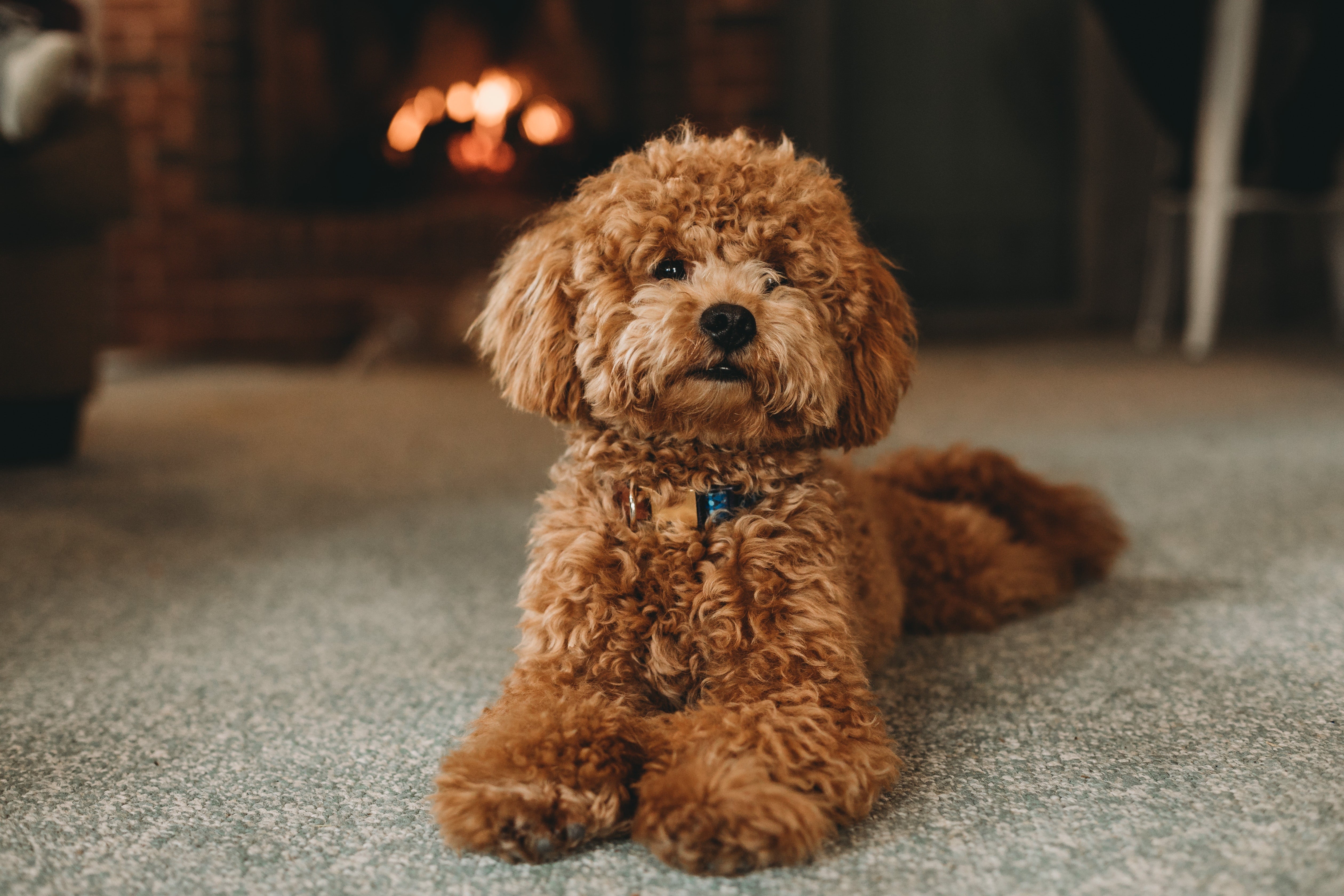
Credit: www.pethonesty.com
Managing Allergies With Dogs
Managing allergies with dogs requires a careful approach. Allergies come from proteins in dog skin flakes, saliva, and urine. Even hypoallergenic breeds can cause reactions. Controlling allergens in your home helps reduce symptoms. A clean environment and proper care make living with dogs easier for allergy sufferers.
Cleaning Tips To Reduce Allergens
Regular cleaning cuts down allergens significantly. Vacuum your floors and furniture often with a HEPA filter vacuum. Wash dog bedding weekly in hot water. Wipe your dog’s fur with a damp cloth to remove loose dander. Keep your dog out of bedrooms and off furniture. Use washable covers on sofas and chairs to trap allergens.
Air Filtration Solutions
Air filters help trap airborne allergens. Use HEPA air purifiers in main living areas. Replace filters regularly for best results. Keep windows closed during high pollen seasons to reduce allergens inside. Use exhaust fans in kitchens and bathrooms to improve air flow. Clean vents and ducts to avoid dust buildup that worsens allergies.
Allergy Medications And Treatments
Over-the-counter antihistamines can ease mild allergy symptoms. Nasal sprays and eye drops provide relief from irritation. Consult a doctor about allergy shots for long-term help. Some medicines reduce inflammation caused by allergens. Always follow the doctor’s advice for safe use. Combining medication with cleaning and air control works best.
Frequently Asked Questions
What Makes A Dog Breed Hypoallergenic?
Hypoallergenic dog breeds shed less dander and hair. They produce fewer allergens, reducing allergic reactions. These dogs often have curly or non-shedding coats, which trap allergens. Examples include Poodles and Bichon Frises. Hypoallergenic does not mean allergen-free, but it helps allergy sufferers.
Are Hypoallergenic Dogs Truly Allergy-free?
No dog is completely allergy-free. Hypoallergenic breeds produce fewer allergens but can still trigger mild reactions. Individual sensitivity varies. Regular grooming and cleaning reduce allergens. Choosing hypoallergenic dogs helps minimize symptoms but does not guarantee zero allergies.
Which Hypoallergenic Dog Breeds Are Best For Families?
Poodles, Maltese, and Shih Tzus are great hypoallergenic family dogs. They are friendly, adaptable, and low-shedding. These breeds often enjoy children and fit various living spaces. Always consider temperament and lifestyle when selecting a dog breed.
How Do Hypoallergenic Dogs Help Allergy Sufferers?
Hypoallergenic dogs shed less hair and dander, reducing airborne allergens. This lowers allergy symptoms like sneezing and itching. Regular grooming keeps allergen levels down. They provide companionship without severe allergic reactions, improving quality of life for allergy sufferers.
Conclusion
Choosing a hypoallergenic dog breed can help reduce allergy problems. Many breeds shed less and produce fewer allergens. Breeds like Poodles, Bichon Frises, and Shih Tzus are popular choices. Remember, no dog is 100% allergy-free. Spending time with a dog before adopting helps check for reactions.
Caring for a hypoallergenic dog still needs regular grooming and cleaning. Enjoy the company of a furry friend without constant sneezing or itching. A hypoallergenic dog can bring joy and comfort to many homes.


