

Are you worried about allergies but still want a furry friend by your side? You’re not alone.
Many people wonder how many dog breeds are truly hypoallergenic and safe for allergy sufferers. Finding the right dog that won’t trigger your sneezes or itchy eyes can feel overwhelming. But don’t worry—this guide will help you discover which breeds are best suited for you and your home.
Keep reading to find out how many hypoallergenic dog breeds exist and which one might be your perfect match.

Credit: www.thepioneerwoman.com
What Makes A Dog Hypoallergenic
Many people want a dog but worry about allergies. Hypoallergenic dogs offer a solution. These dogs cause fewer allergy problems. Understanding what makes a dog hypoallergenic helps choose the right pet. It depends on how much they shed and the allergens they produce.
Shedding And Dander Factors
Shedding spreads tiny skin flakes called dander. Dander carries proteins that cause allergies. Dogs that shed less release less dander. Some breeds have hair instead of fur, trapping dander. This makes them better for allergy sufferers. Regular grooming also helps reduce dander in the home.
Common Allergens In Dogs
Allergens in dogs come from saliva, urine, and dander. When dogs lick themselves, allergens spread to their fur. These proteins trigger allergic reactions in sensitive people. Some breeds produce fewer allergens. No dog is 100% allergen-free, but some cause fewer problems. Choosing the right breed helps manage allergies effectively.
Number Of Hypoallergenic Dog Breeds
Many people want dogs that do not cause allergies. Hypoallergenic dogs are known to produce fewer allergens. But how many dog breeds are truly hypoallergenic? The answer is not simple. It depends on many factors, including breed traits and individual differences.
Estimated Breed Counts
Experts list about 20 to 30 dog breeds as hypoallergenic. These breeds shed less hair and dander. Examples include Poodles, Bichon Frises, and Maltese. The list varies by source and expert opinion. Some breeds are often added or removed. The key is that these dogs tend to trigger fewer allergy symptoms.
Variability Among Individuals
Each dog is unique, even within hypoallergenic breeds. Some dogs shed more than others. Allergens come from skin flakes, saliva, and urine. A dog’s grooming and health also affect allergen levels. People with allergies may react differently to the same breed. Spending time with a dog before adopting helps understand personal reactions.
Top Hypoallergenic Breeds For Allergy Sufferers
Many allergy sufferers want a dog without constant sneezing or itchy eyes. Hypoallergenic dog breeds produce fewer allergens and shed less fur. These dogs often suit people with mild to moderate allergies. Some breeds are small and perfect for apartments. Others are medium or large and good for active families. Here are some top hypoallergenic breeds to consider.
Small Breeds
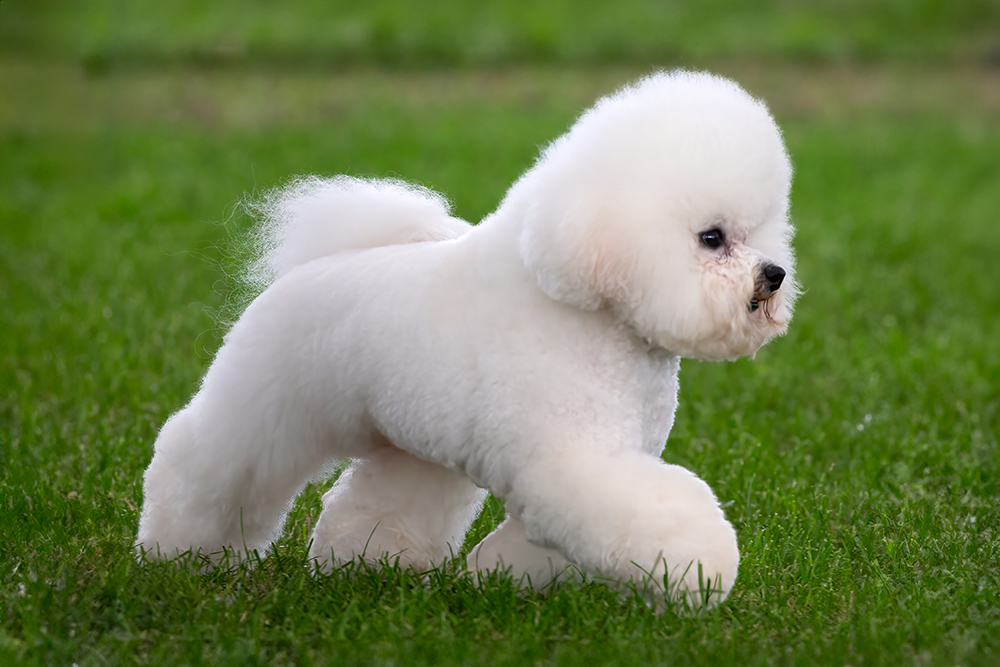
Small hypoallergenic dogs fit well in tight spaces. The Maltese has soft hair that rarely sheds. Bichon Frise dogs have curly coats trapping dander effectively. Yorkshire Terriers carry hair similar to human strands, reducing allergies. The Shih Tzu’s dense coat needs regular grooming but sheds little. These breeds stay close by and bring joy without heavy allergy triggers.
Medium And Large Breeds
Medium and large hypoallergenic dogs suit active owners. Poodles come in various sizes and shed very little. Portuguese Water Dogs have curly coats that limit dander spread. Soft Coated Wheaten Terriers are friendly and shed less than many dogs. Irish Water Spaniels offer a curly, water-resistant coat that helps allergy sufferers. These breeds combine size and allergy-friendly traits well.
Care Tips To Reduce Allergens
Reducing allergens is key for people with dog allergies. Proper care helps lower pet dander and saliva, which cause most allergies. Small habits can make a big difference in your home and with your dog.
Grooming Practices
Brush your dog often to remove loose hair and dander. Use a damp cloth to wipe your dog’s fur regularly. Bathe your dog with a gentle shampoo every few weeks. Clean your dog’s bedding and toys frequently. Trim your dog’s nails to avoid scratching and spreading dander. Grooming outside helps keep allergens out of the house.
Home Cleaning Strategies
Vacuum floors and furniture using a HEPA filter vacuum. Wash your dog’s bedding in hot water every week. Use air purifiers to reduce allergens in the air. Clean hard floors with a damp mop regularly. Avoid carpets and heavy curtains that trap dander. Keep your dog out of bedrooms and off furniture to reduce allergen spread.
Choosing The Right Hypoallergenic Dog
Choosing a hypoallergenic dog means finding a pet that fits your health needs. Not all hypoallergenic breeds suit every person. Each dog breed has unique traits and care needs. Knowing your allergy level helps pick the best match. Spending time with dogs before adopting is important. It helps you see how your body reacts.
This process makes living with a dog easier and safer. You get a friend who brings joy without allergy problems. Careful choice leads to happy moments with your new pet.
Assessing Your Allergy Severity
Allergy levels vary from person to person. Some people have mild reactions, others severe. Knowing your allergy type guides your dog choice. Talk to your doctor about your allergies. Allergy testing can show which proteins affect you. This info helps avoid breeds that cause strong reactions. Choose breeds known for lower allergen levels if needed.
Meeting And Testing With Dogs
Spend time with different hypoallergenic dogs before deciding. Visit shelters or breeders to meet the dogs in person. Watch for sneezing, itching, or watery eyes during visits. Bring allergy medicines if your doctor suggests. Try petting and holding the dog for a few minutes. This testing shows how your allergies respond in real life.
Repeat visits with different breeds improve your choice. The goal is a dog that fits your health and lifestyle well.
Credit: www.purina.com

Credit: www.thepioneerwoman.com
Frequently Asked Questions
How Many Dog Breeds Are Truly Hypoallergenic?
There are about 20 to 30 recognized hypoallergenic dog breeds. These breeds shed less dander, reducing allergy triggers. However, no dog is 100% hypoallergenic. Individual reactions vary, so spend time with a breed before deciding.
What Makes A Dog Breed Hypoallergenic?
Hypoallergenic breeds produce fewer allergens like dander and saliva proteins. They often have hair instead of fur, which sheds less. This lowers allergen spread in the environment, making them better for allergy sufferers.
Are Hypoallergenic Dogs Suitable For All Allergy Sufferers?
Hypoallergenic dogs help most, but not all allergy sufferers. Allergies depend on individual sensitivity to proteins. It’s best to test exposure before adopting. Regular grooming and cleaning also reduce allergic reactions.
Which Popular Dog Breeds Are Hypoallergenic?
Popular hypoallergenic breeds include Poodles, Bichon Frises, Maltese, and Schnauzers. These breeds shed minimally and are friendly for allergy sufferers. Their grooming needs vary, so consider maintenance before choosing one.
Conclusion
Hypoallergenic dog breeds are fewer than many expect. These dogs shed less and cause fewer allergies. Choosing the right breed helps people with sensitivities enjoy pets. Remember, no dog is 100% allergy-free. Spend time with a dog before deciding. This way, you know how your body reacts.
Enjoy the love and joy dogs bring, safely and happily.


