

If you’re training your dog, you’ve probably heard about a clicker but aren’t quite sure what it does or how it helps. Imagine having a simple tool that can make teaching your dog new tricks faster and easier.
That’s exactly what a clicker does. It’s a small device that can change the way your dog learns by giving clear, immediate feedback. Curious how it works and why so many dog owners swear by it? Keep reading, and you’ll discover how a clicker can transform your training sessions and strengthen the bond with your furry friend.
Credit: www.whole-dog-journal.com
Role Of A Clicker
The clicker plays a key role in dog training. It acts as a clear, consistent signal for your dog. This helps your dog understand exactly what behavior you want. The sound of the clicker is quick and sharp. Dogs learn to connect this sound with a reward. This makes training faster and more effective.
Using a clicker reduces confusion. Your dog can tell the difference between good and unwanted actions. This clear communication builds trust and helps your dog learn new skills easily.
Basics Of Clicker Training
Clicker training uses a small device that makes a clicking sound. Each click marks the exact moment your dog does something right. After the click, you give your dog a treat or praise. This helps the dog link the behavior with a positive result.
Training starts by teaching your dog to respond to the click. Soon, your dog understands the click means a reward is coming. This simple method helps dogs learn commands and tricks faster than just using words.
How Clickers Communicate
The clicker is a clear form of communication. Its sound is always the same, unlike words that can change tone. Dogs hear the click and know it means “good job.” This clear message helps dogs focus on the right actions.
The click acts as a bridge between the action and the reward. It tells your dog exactly when they did something right. This precise timing helps dogs learn better and stay motivated during training.
:max_bytes(150000):strip_icc()/dog-clicker-training-642355301-31afabb2890f418a925d43bb2c19de78.jpg)
Credit: www.dailypaws.com
Benefits For Dogs
Using a clicker in dog training brings many benefits for dogs. It helps dogs learn faster and understand commands better. The clicker makes training clear and fun. Dogs feel happy and confident during lessons.
Training becomes easier for both dogs and owners. The sound of the click tells dogs exactly when they do the right thing. This clear signal helps dogs know what to do next.
Faster Learning
The clicker speeds up the learning process. Dogs link the click sound with a reward quickly. This connection helps dogs remember commands faster. Training sessions become shorter and more effective.
Clear Communication
The clicker gives a clear message to dogs. It marks the exact moment a dog does something right. This reduces confusion and guessing. Dogs understand what behavior is wanted every time.
Positive Reinforcement
The clicker uses positive reinforcement to teach dogs. It is a happy sound that means good job. Dogs enjoy training because they get praise and treats. This builds trust and strengthens the bond between dog and owner.
Benefits For Trainers
Using a clicker in dog training offers clear benefits for trainers. It helps trainers communicate with dogs more effectively. Trainers can give precise signals to mark the right behavior. This makes the learning process smoother and faster for both dogs and trainers.
Consistency In Commands
A clicker provides a consistent sound every time. This consistency helps dogs understand exactly when they do something right. Trainers avoid confusion by using the same clear signal. It makes training sessions more effective and less stressful.
Improved Timing
Clickers allow trainers to mark good behavior at the exact moment. Timing is very important in dog training. The click sound tells the dog immediately what is correct. This helps dogs learn faster and respond better to commands.
Reduced Frustration
Training can be frustrating without clear feedback. The clicker removes guesswork for both trainers and dogs. Trainers know when to reward good behavior. This reduces frustration and makes training more enjoyable for everyone.
Using A Clicker Effectively
Using a clicker effectively helps your dog learn faster. The clicker makes training clear and simple. It marks the exact moment your dog does the right thing. This creates strong communication between you and your dog.
Introducing The Clicker
Start by letting your dog hear the click sound. Click once, then give a treat right away. Repeat this several times in a calm place. Your dog will begin to link the click with a reward. This step is key before training commands.
Pairing Clicks With Rewards
Always follow a click with a small treat or praise. The click says, “Good job!” and the treat confirms it. Use tasty treats that your dog likes. This makes your dog want to listen and learn. Avoid clicking without giving a reward.
Timing The Click
Click at the exact moment your dog does the right action. Too early or too late can confuse your dog. The click tells your dog what behavior earned the treat. Practice this to improve your training sessions. Good timing speeds up learning.
Common Challenges
Using a clicker for dog training is effective, but it comes with some common challenges. Trainers often face issues that can slow progress or confuse the dog. Understanding these problems helps trainers improve their methods and get better results.
Overclicking
Overclicking happens when trainers click too many times. Each click marks a good behavior, so too many clicks can confuse the dog. The dog may not understand which action earned the reward. Click only once for each correct behavior to keep training clear.
Ignoring The Clicker
Sometimes dogs ignore the clicker sound. This happens if the clicker is not paired well with treats at first. The dog needs to learn the click means a reward is coming. Repeat the clicking and rewarding step often to build this connection.
Transitioning To Other Cues
Trainers must move from the clicker to other cues like words or hand signals. This change can be hard for dogs. They may wait for the click instead of following new commands. Gradually use the new cues along with the clicker to help dogs adjust.
Credit: www.walmart.com
Advanced Clicker Techniques
Advanced clicker techniques help trainers teach dogs complex tasks. These methods build on basic clicker training. They guide dogs step-by-step to learn new and tricky behaviors. Using a clicker makes training clear and fun for dogs.
These techniques improve communication between you and your dog. They make learning faster and more effective. Here are some key advanced clicker methods to try.
Shaping Behaviors
Shaping means rewarding small steps toward a goal. Click when the dog shows any part of the desired behavior. For example, raise a paw, then click and reward. Gradually require closer steps to the full action. This helps dogs learn complex tricks without fear or stress.
Chaining Commands
Chaining links simple actions into one longer task. Teach each step separately with clicks and treats. Then put the steps together in order. For example, sit, then lie down, then roll over. The dog learns to do all steps smoothly as one command.
Generalizing Skills
Generalizing means teaching dogs to perform skills in different places. Click and reward the behavior in new spots or with distractions. This helps dogs respond well outside training sessions. They learn to obey no matter where they are or what happens around them.
Choosing The Right Clicker
Choosing the right clicker is important for effective dog training. The right clicker helps your dog understand commands faster. It should be easy to use and reliable. A good clicker makes training sessions smooth and fun for both you and your dog.
Types Of Clickers
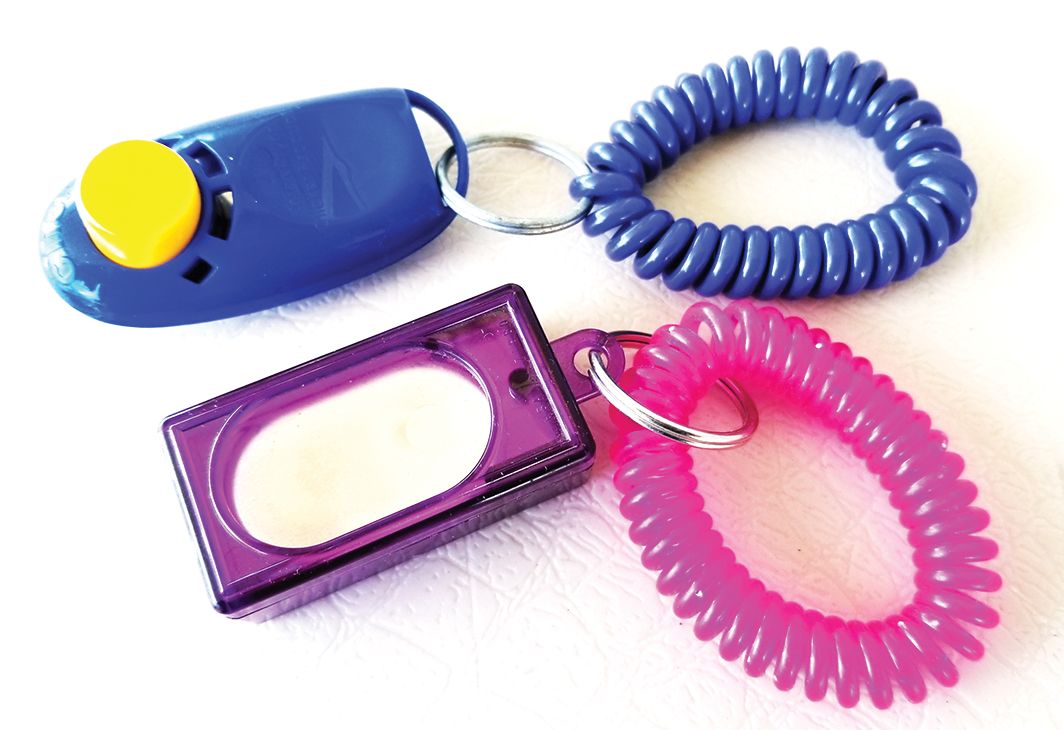
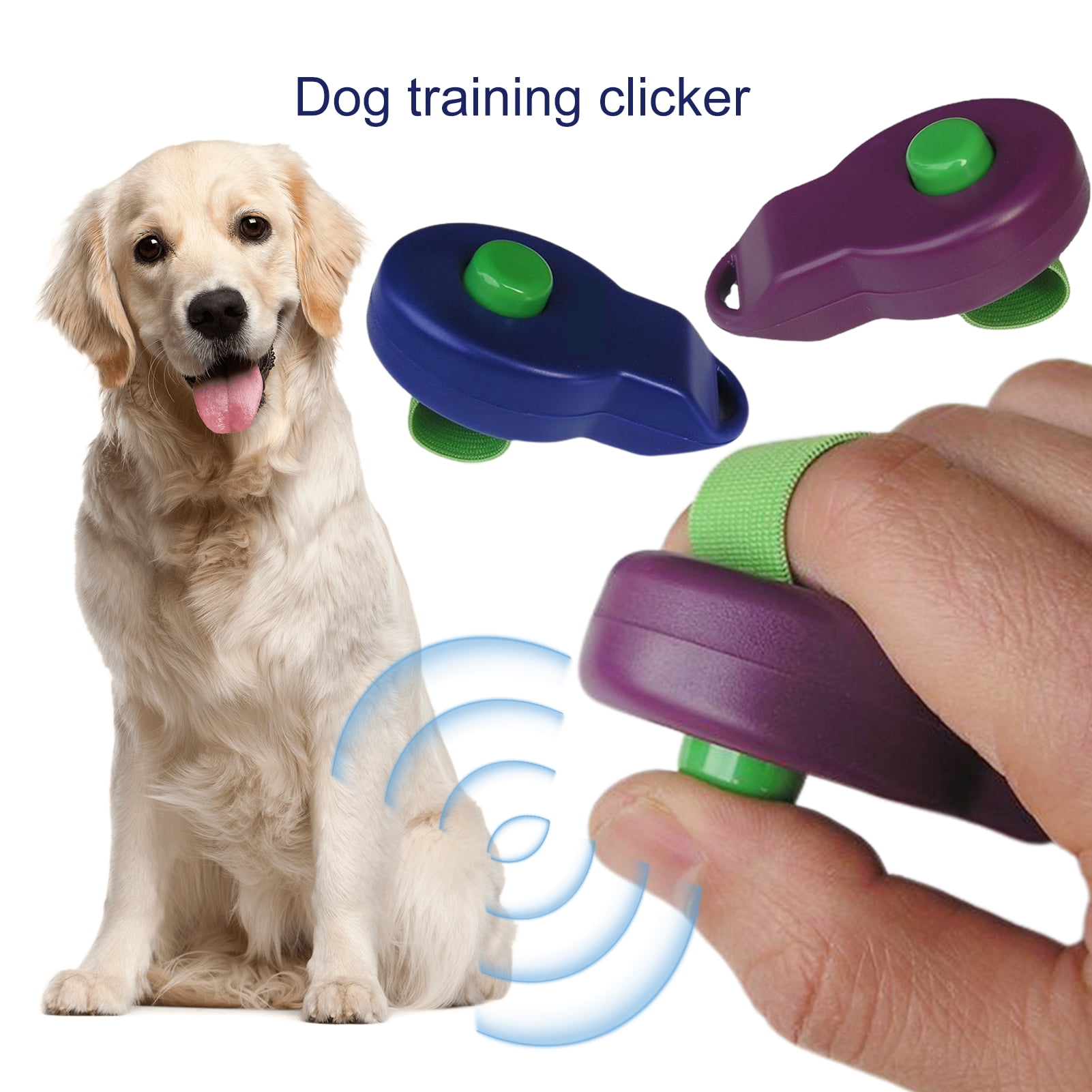
There are several types of clickers available. The most common is the plastic handheld clicker. It produces a sharp, clear sound. Some clickers are made of metal and create a louder click. Wrist strap clickers keep the tool close to your hand. Silent clickers are also an option for sensitive dogs.
Features To Consider
Sound clarity is a key feature. Your dog must hear the click clearly. The clicker should produce a consistent sound every time. Look for a clicker that fits comfortably in your hand. Easy operation with one finger is best. Some clickers have a button, others use a lever. Choose the one that feels natural to you.
Durability And Size
Durability matters for long-term use. Dogs can be rough, so pick a sturdy clicker. Plastic clickers may break easily if dropped. Metal clickers last longer but can be heavier. Size is also important for comfort. Small clickers fit easily in pockets. Larger ones may be harder to carry during walks.
Frequently Asked Questions
What Is The Purpose Of A Clicker In Dog Training?
A clicker provides a consistent, clear sound to mark desired behaviors. It helps dogs understand exactly what action earned a reward. This improves communication and speeds up training by reinforcing positive behavior effectively.
How Does A Clicker Improve Dog Training Results?
Clickers offer precise timing for marking good behavior. This immediate feedback helps dogs learn faster and reduces confusion. The sound becomes a positive signal, encouraging dogs to repeat the behavior for treats or praise.
Can Clicker Training Replace Verbal Commands?
Clicker training complements, not replaces, verbal commands. It clarifies which behavior is rewarded, making training more efficient. Verbal commands and clicks together enhance understanding and strengthen the bond between owner and dog.
Is A Clicker Suitable For All Dog Breeds?
Yes, clicker training works well for all breeds and ages. It relies on sound and positive reinforcement, which are universally effective. This method is gentle, making it suitable for shy or sensitive dogs too.
Conclusion
A clicker helps dogs learn by giving clear signals. It marks the right behavior quickly and clearly. Dogs understand what you want them to do. Training becomes easier and more fun for both. Consistent use of a clicker builds good habits.
Small clicks lead to big training success. Using a clicker can improve communication with your dog. It makes training simple, fast, and positive. Try adding a clicker to your training routine today.


