

Have you noticed your dog acting differently lately? Maybe your once energetic pup now seems slower or less interested in playing.
These changes can be confusing and sometimes worrying. Understanding behavior changes in older dogs is key to keeping your furry friend happy and healthy. You’ll discover what signs to watch for, why they happen, and how you can help your dog enjoy their golden years to the fullest.
Keep reading—your dog’s comfort and well-being depend on it.
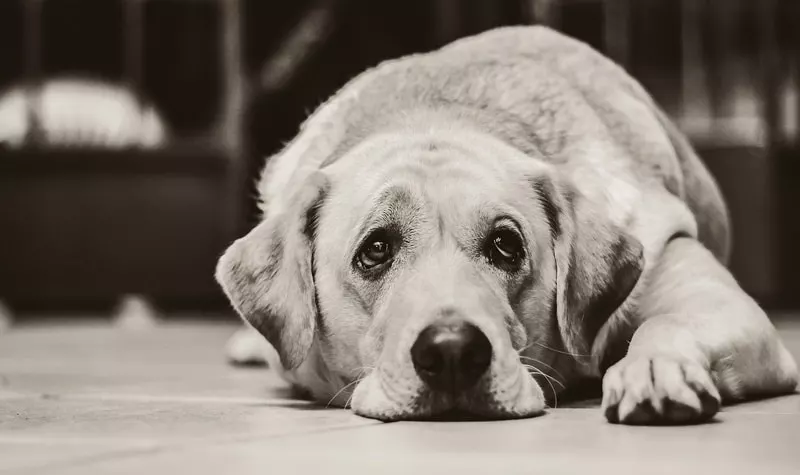
Credit: shallowfordvet.com
Common Behavior Shifts
Older dogs often show clear behavior changes. These shifts can be surprising for owners. Knowing common signs helps in caring for aging pets. These changes affect daily activities and interactions. Recognizing them early improves your dog’s comfort and happiness.
Reduced Activity Levels
Older dogs usually move less than before. They may tire quickly during walks. Playtime might last shorter than usual. Muscle strength and joint health decline with age. This leads to less running and jumping. Rest becomes more important for their health.
Changes In Social Interaction
Senior dogs might seek less attention. They may prefer to be alone more often. Some dogs show less interest in other pets. They might avoid busy places or loud noises. Changes in hearing or vision can cause this. Respecting their space is key to comfort.
Altered Sleep Patterns
Older dogs often sleep more during the day. Nighttime rest may become restless or uneven. They might wake up frequently or seem confused. These changes relate to aging brain and body. Creating a quiet, comfortable space helps them sleep well.
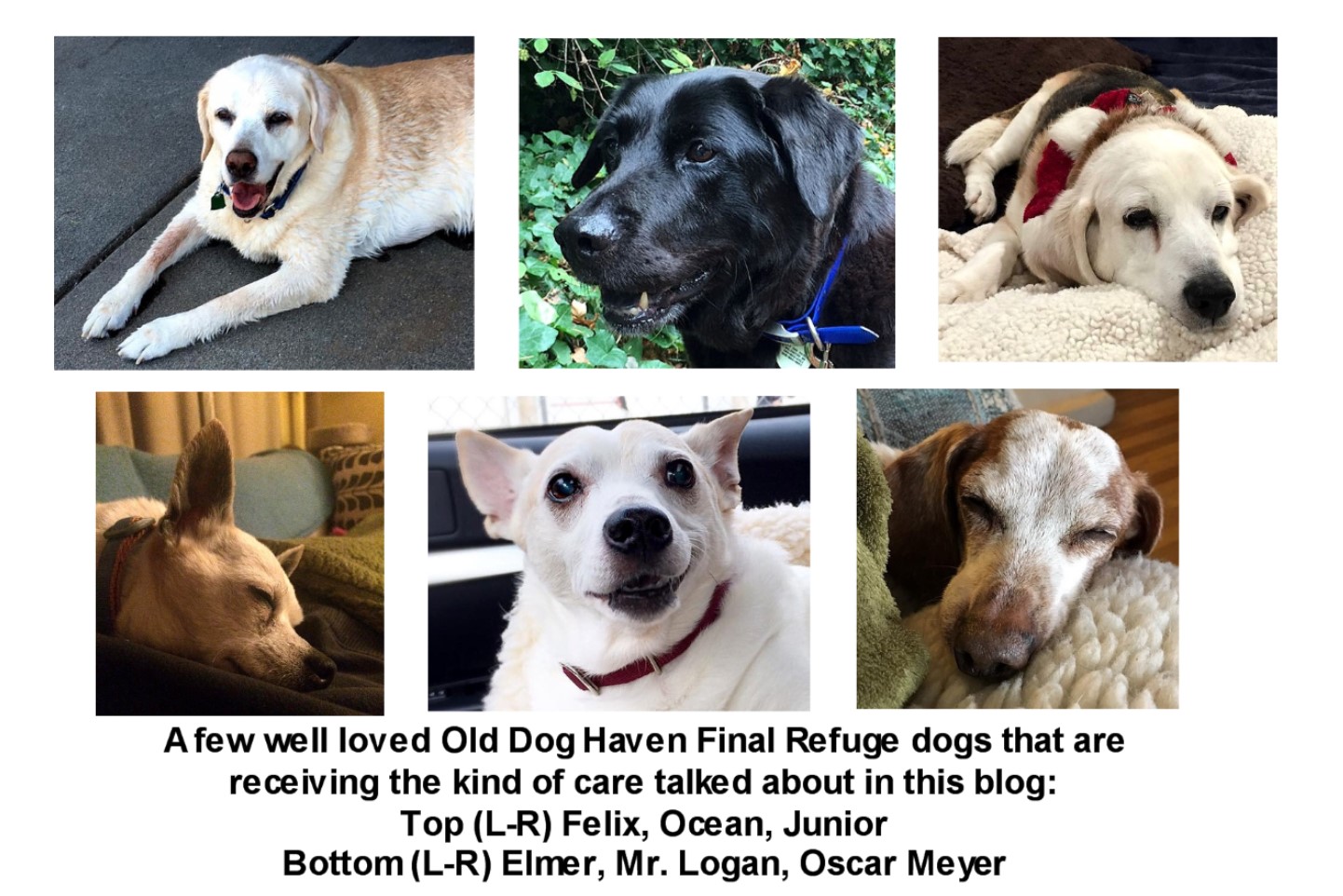
Credit: olddoghaven.org
Signs Of Cognitive Decline
Older dogs can show signs of cognitive decline as they age. This change affects their brain, making daily tasks harder. Recognizing these signs early helps provide better care. Understanding these behaviors improves your dog’s quality of life.
Disorientation And Confusion
Disorientation is common in aging dogs. They may get lost in familiar places. Simple paths can seem confusing. Dogs might stare at walls or get stuck in corners. This behavior shows their brain struggles to process surroundings.
Memory Loss
Memory loss affects how dogs remember routines. They may forget commands they once knew well. Dogs can lose track of favorite toys or where they eat. This change can be frustrating for both dogs and owners.
Decreased Responsiveness
Older dogs might respond less to voices or touch. They may seem distant or uninterested in activities. This behavior signals slower brain function. It reduces their ability to engage with their environment.
Health-related Behavior Changes
Older dogs often show changes in behavior due to health problems. These changes can signal pain, discomfort, or illness. Understanding these signs helps pet owners provide better care and comfort.
Pain-induced Aggression
When dogs feel pain, they may act aggressively. This behavior protects them from more hurt. A dog might growl, snap, or bite if touched in a sore area. Recognizing pain-induced aggression helps avoid accidents and aids in seeking vet care.
Increased Anxiety Or Fear
Health issues can cause older dogs to become anxious or fearful. They may hide, shake, or refuse to move. Changes in eyesight or hearing often raise stress levels. Comfort and patience are key to helping dogs feel safe again.
Changes In Eating Habits
Older dogs often eat less or lose interest in food. Pain in the mouth or digestive problems may cause this. Some dogs may eat more due to changes in metabolism or medication side effects. Monitoring eating habits helps catch health issues early.
Monitoring Emotional Well-being
Monitoring your older dog’s emotional well-being is important for their health. Changes in feelings and behavior can signal problems. Paying attention helps you support your pet better. Watch closely for signs that show how your dog feels inside.
Withdrawal And Depression
Older dogs may suddenly stop playing or eating. They might hide or avoid family members. This withdrawal can mean sadness or depression. Dogs feel lonely or confused as they age. Notice if your dog loses interest in usual activities. This change often needs attention and care.
Excessive Vocalization
Some older dogs bark, whine, or howl more than before. This vocalization can show anxiety or pain. It may also mean your dog feels lost or scared. Pay attention if your dog seems restless and noisy. This can be a cry for help or comfort.
Attachment Shifts
Older dogs may stick closer to certain people. They might follow one family member more than others. This shift shows their need for safety and love. Sometimes they become more clingy or protective. Understanding these changes helps you meet their emotional needs.
When To Seek Veterinary Help
Older dogs often change their behavior as they age. Some changes are normal, but others need a vet’s attention. Knowing when to seek veterinary help can protect your dog’s health. Early action helps catch problems before they get worse.
Sudden Behavior Changes
Watch for sudden changes in how your dog acts. Aggression, confusion, or hiding can signal issues. These changes may mean pain or illness. A vet can find the cause and suggest treatment. Don’t ignore new or unusual behavior.
Signs Of Physical Discomfort
Signs like limping, shaking, or restlessness show discomfort. Loss of appetite or difficulty moving also matter. These signs tell you your dog might be hurting. A vet checkup can find hidden problems. Treating pain early improves your dog’s life.
Impact On Daily Life
If your dog stops enjoying walks or playing, take note. Changes in sleep or bathroom habits also matter. These affect your dog’s quality of life. A vet can help manage these changes. Your dog deserves comfort and care every day.
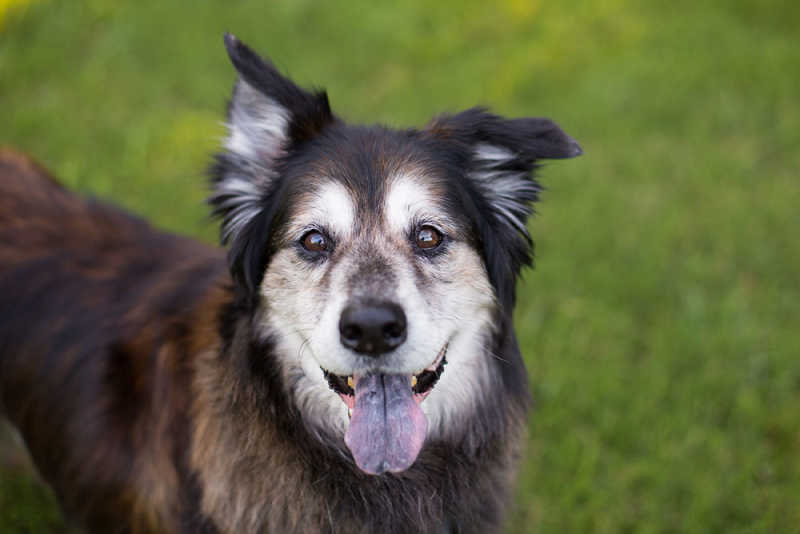
Credit: www.smalldoorvet.com
Supporting Older Dogs
Supporting older dogs requires care and attention to their changing needs. Their bodies and minds work differently now. Owners must adapt routines to keep them happy and healthy. Small changes can make a big difference in their quality of life. Let’s explore ways to support aging dogs effectively.
Adjusting Exercise Routines
Older dogs need less intense exercise. Shorter, gentle walks are best. Avoid long runs or rough play. Stretching and slow movements help keep joints flexible. Watch for signs of tiredness or pain. Exercise should boost health, not cause stress.
Creating A Comfortable Environment
Comfort is key for older dogs. Provide soft bedding with good support. Keep their space warm and quiet. Avoid slippery floors to prevent falls. Place food and water bowls within easy reach. Make sure their favorite spots are cozy and safe.
Mental Stimulation Techniques
Keep your dog’s mind active. Use simple puzzle toys and treat games. Teach easy new commands or tricks. Short training sessions work well. Regular interaction helps reduce confusion and anxiety. Mental exercise supports a sharper brain.
Frequently Asked Questions
What Are Common Behavior Changes In Older Dogs?
Older dogs often show reduced activity, increased irritability, and confusion. They may also sleep more and exhibit anxiety or aggression due to aging or health issues.
How Can I Help My Senior Dog With Behavior Changes?
Provide a consistent routine, regular vet check-ups, and mental stimulation. Use gentle training and ensure a comfortable, quiet environment for your senior dog.
When Should I Consult A Vet About My Dog’s Behavior?
If behavior changes are sudden, severe, or affect daily life, consult a vet. Early diagnosis can address medical or cognitive issues in older dogs.
Can Diet Affect Behavior Changes In Older Dogs?
Yes, a balanced diet supports brain health and energy levels. Special senior dog food can reduce cognitive decline and improve overall behavior.
Conclusion
Older dogs change their behavior as they age. They may sleep more or act less playful. Sometimes, they get confused or scared easily. These changes need patience and love. Watching your dog closely helps you understand their needs. Small adjustments in care can make a big difference.
Keep their routine calm and gentle. Always give them extra comfort and attention. Caring for an older dog takes time but brings joy. Their loyalty remains strong, even if they act different. Stay kind and patient with your aging friend.

