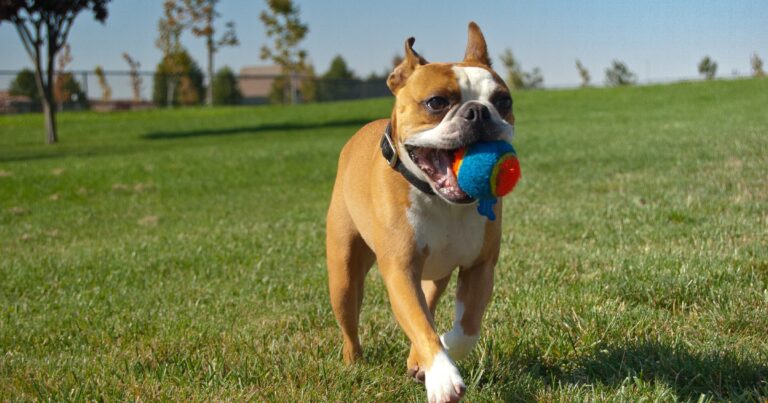
Do you want your dog to eagerly chase after a ball and bring it right back to you? Teaching your dog to fetch is not only fun but also a great way to bond and keep your furry friend active.
Imagine the joy of watching your dog’s eyes light up as they run to grab their favorite toy and return it proudly. In this guide, you’ll discover simple, step-by-step tips that make training your dog to fetch easy and enjoyable—for both of you.
Ready to turn playtime into a game your dog loves? Let’s get started!
Choosing The Right Toy
Choosing the right toy is key to teaching your dog how to fetch. The right toy keeps your dog interested and makes training easier. Not every toy works for every dog. Picking a toy that suits your dog’s size, chewing style, and play habits helps a lot.
Selecting Fetch-friendly Toys
Choose toys designed for fetching. Balls and frisbees work well for most dogs. Soft toys can work but must be durable. Toys should be easy to carry and safe to chew. Avoid small toys that can cause choking. Bright colors help your dog see the toy better outside. Durable materials last longer during play.
Considering Your Dog’s Preferences
Watch how your dog plays. Some dogs love chasing balls. Others prefer tug toys or soft plush toys. Choose a toy your dog shows interest in. Pay attention to how your dog holds and carries toys. Some dogs like toys that squeak. Others prefer silent toys. Matching the toy to your dog’s taste makes fetch more fun.
Credit: www.diamondpet.com
Setting Up A Training Area
Setting up a proper training area is the first step to teaching your dog to fetch. This space helps your dog focus and learn faster. A good area keeps your dog safe and free from distractions. It also creates a positive learning environment. Choose a spot where your dog feels comfortable and secure.
Finding A Safe Space
Pick a place with enough room for your dog to run and play. Avoid busy streets or places with sharp objects. A fenced yard works well to keep your dog from running away. Make sure the ground is soft and even to prevent injuries. Safety is key to a good training session.
Minimizing Distractions
Choose a quiet area away from loud noises and lots of people. Turn off TVs or radios nearby. Remove toys or items that might distract your dog. A calm place helps your dog focus on learning to fetch. Start with short sessions and fewer distractions to build attention.
Teaching The Basic Fetch Command
Teaching your dog the basic fetch command is a fun way to bond. It also helps your dog learn important skills like focus and obedience. Start with simple steps to make training clear and enjoyable.
Introducing The Fetch Cue
Choose a clear word or phrase for fetch. Use the same cue every time. For example, say “fetch” before throwing a toy. This helps your dog understand what to do.
Show the toy to your dog. Let them sniff and get interested. Then say the fetch cue and toss the toy a short distance. Praise your dog when they look at the toy.
Encouraging Your Dog To Chase
Make the game exciting. Run a few steps with the toy to grab your dog’s attention. Use happy tones to cheer your dog on. This encourages your dog to chase the toy.
Keep the distance short at first. Throw the toy just a few feet away. Gradually increase the distance as your dog gets better. Always reward your dog with praise or a treat when they chase the toy.
Encouraging Retrieval
Encouraging your dog to retrieve the toy is key to teaching fetch. Dogs need clear signals and positive feelings to want to bring the toy back. This part of training builds trust and fun. Use simple steps and stay patient. Make the experience enjoyable for your dog. This helps them learn faster and want to play more.
Using Rewards Effectively
Rewards help your dog understand what you want. Use treats that your dog likes a lot. Give the treat right after your dog brings the toy. Praise with happy words and petting. This shows your dog that fetching is a good thing. Avoid giving treats too late. Your dog might get confused. Small, frequent rewards work best. Change treats or praise to keep your dog interested.
Motivating Your Dog To Bring The Toy Back
Make the toy special and fun to find. Use a toy that your dog loves. Call your dog with a happy voice. Show excitement to make your dog want to return. Play gentle tug when your dog brings the toy. This makes bringing it back rewarding. If your dog runs away with the toy, try gentle commands. Practice short throws to build good habits. Keep sessions short to hold your dog’s attention.
Reinforcing The Release
Reinforcing the release is a key part of teaching your dog to fetch. It means encouraging your dog to let go of the toy after bringing it back. This step helps keep the game fun and smooth. Without a good release, the fetch game can turn into a tug-of-war. Teaching this skill takes patience and clear signals.
Focus on gentle guidance and rewards. Your dog will learn to drop the toy happily and wait for the next throw. Consistency is important. Practice this often to build good habits.
Training Your Dog To Drop The Toy
Start by offering a treat while your dog holds the toy. Show the treat close to their nose. Most dogs will drop the toy to get the treat. The moment your dog drops the toy, say “drop” or “release” clearly. Give the treat immediately. Repeat this step several times during play.
Use a calm voice and avoid pulling the toy from your dog’s mouth. Pulling may cause stress or make your dog hold tighter. Let your dog feel safe to let go. Over time, your dog will connect the word with dropping the toy.
Using Positive Reinforcement
Reward your dog every time they drop the toy on command. Use treats, praise, or petting as rewards. Positive reinforcement makes your dog want to repeat the behavior. Avoid punishment or scolding. It can make your dog afraid or confused.
Keep training sessions short and fun. End on a good note with lots of praise. Use the same word for release every time. This helps your dog learn faster and enjoy fetching.

Credit: www.wagstowiskers.com
Increasing Distance And Difficulty
Increasing distance and difficulty is key to improving your dog’s fetch skills. Start small and build up slowly. This helps your dog stay confident and eager. Each step should challenge your dog just enough to learn without stress.
Gradually Extending Throws
Begin with short throws near your dog. Let your dog catch the ball or toy easily. Praise your dog every time it brings the item back. Slowly increase the distance by a few feet each time. This helps your dog build strength and focus. Keep sessions short to maintain your dog’s interest. Watch for signs of tiredness or frustration. Stop before your dog feels overwhelmed. Practice often for steady progress.
Introducing New Environments
Change the location to keep fetch exciting. Try a backyard, park, or quiet street. New places teach your dog to focus despite distractions. Start in calm spots with few noises or people. Gradually move to busier places as your dog improves. Always use the same commands to avoid confusion. Bring treats or toys to reward good behavior. This builds your dog’s confidence in different settings. Keep training fun and positive to encourage learning.
Common Challenges
Training a dog to fetch can be fun but comes with common challenges. Some dogs might not want to play fetch at first. Others may get too excited and lose focus. Understanding these issues helps in training effectively.
Dealing With Lack Of Interest
Some dogs ignore the ball or toy. They may not see it as fun. Try using a toy your dog likes. Use treats to reward any interest. Keep sessions short to hold attention. Patience is key to build interest over time.
Handling Overexcitement
Some dogs jump or bark a lot. They want to play but lose control. Teach calm behavior before starting fetch. Use commands like “sit” or “stay.” Reward calm moments to encourage good habits. This helps focus and better training results.
Maintaining Consistency
Maintaining consistency is key when teaching your dog to fetch. It helps your dog learn faster and keeps them interested in the game. Regular practice builds good habits and strengthens your dog’s skills. Without steady effort, your dog may get confused or lose interest.
Consistency also makes training easier for you. It sets clear expectations for your dog. Each session should follow a similar routine. This helps your dog know what to do and what to expect next.
Scheduling Regular Practice
Set specific times each day for fetch training. Try to train at the same time daily. This creates a routine your dog can depend on. Short, regular sessions work better than long, rare ones. Even 5 to 10 minutes a day can make a big difference.
Choose quiet spots free from distractions. This helps your dog focus on the game. Consistent timing and place help your dog learn faster.
Keeping Sessions Short And Fun
Keep training sessions brief to hold your dog’s attention. End each session on a positive note. Use praise and treats to reward your dog’s effort. Fun and rewards encourage your dog to play fetch happily.
Mix up the game to avoid boredom. Use different toys or vary the throwing distance. Your dog will stay eager to learn and play more.

Credit: www.amazon.com
Frequently Asked Questions
How Long Does It Take To Train A Dog To Fetch?
Training a dog to fetch usually takes one to two weeks. Consistent daily practice of 10 to 15 minutes helps dogs learn faster. Some breeds may learn quicker due to natural retrieving instincts.
What Are The Best Toys For Teaching Fetch?
Soft balls and lightweight frisbees are ideal fetch toys. Choose toys that are easy for your dog to carry. Avoid small toys that can be swallowed or hard toys that may hurt your dog’s mouth.
How Do I Encourage My Dog To Bring Back The Toy?
Use treats and praise when your dog returns the toy. Call your dog excitedly and offer a reward for bringing the item back. Consistent positive reinforcement strengthens this behavior.
Can All Dog Breeds Learn To Fetch?
Most dog breeds can learn to fetch with patience. Retrievers and herding breeds tend to pick it up faster. Some dogs may need more encouragement or alternative games to stay interested.
Conclusion
Training your dog to fetch builds trust and fun. Keep sessions short and positive for best results. Use treats and praise to encourage your dog. Practice often, but be patient with mistakes. Enjoy the bond that grows through this simple activity.
Fetch is more than a trick; it’s play and learning combined. Your dog will love the attention and exercise too. Start today and watch your dog respond happily. Training fetch creates joyful moments for both of you.