

Training your dog to come to you when called is one of the most important skills you can teach. Imagine the peace of mind you’ll have, knowing your furry friend will return safely no matter the distraction.
Whether your dog is a playful puppy or an older companion, this simple command can keep them safe and strengthen your bond. You’ll discover easy, effective steps to train your dog to come to you every time. Ready to make your dog listen and respond with excitement?
Let’s get started!
Choose The Right Environment
Choosing the right environment is key to teaching your dog to come to you. The right place helps your dog focus and learn faster. It also keeps them safe while training. Start with easy settings and add challenges as your dog improves.
Start Indoors
Begin training inside your home. Indoors is quiet and familiar for your dog. Fewer distractions help your dog pay attention. Use a small room or hallway to keep your dog close. Call your dog and reward them when they come to you. Practice short sessions to keep your dog interested.
Minimize Distractions
Choose a calm place with few distractions. Avoid noisy or busy areas at first. Turn off the TV and keep other pets away. Remove toys or food that might distract your dog. As your dog learns, slowly add distractions. This helps your dog listen even with noise around.
Pick A Clear Recall Cue
Choosing a clear recall cue is key to training your dog to come to you. The cue should be easy to say and remember. It helps your dog understand exactly what you want. A strong, simple cue makes training faster and more effective.
Use A Consistent Word
Pick one word for recall and use it every time. Words like “come,” “here,” or “now” work well. Do not change the word or mix it with others. Consistency helps your dog learn quickly. Use the same tone and volume to avoid confusion.
Incorporate A Whistle Or Clicker
Adding a whistle or clicker can make recall clear and fun. These sounds stand out and get your dog’s attention fast. Train your dog to associate the sound with coming to you. Practice often to build a strong connection between the sound and the recall cue.
Use High-value Rewards
Using high-value rewards is key to teaching your dog to come. Dogs respond best to treats and praise they really like. These rewards make your dog excited to listen and return quickly. Choosing the right rewards helps your dog connect coming to you with something positive. This builds a strong habit over time.
Find Your Dog’s Favorite Treats
Not all treats work the same for every dog. Some dogs love small pieces of cheese. Others prefer tiny bits of cooked chicken or special dog biscuits. Try different treats to see what your dog likes best. Use treats that smell strong and taste good. Save these treats only for recall training to keep them special.
Praise And Play
Rewards do not have to be just food. Many dogs enjoy praise and play as much as treats. Use a happy voice to say “Good job!” or “Come here!” right after your dog comes. Playing with a favorite toy can also be a great reward. This helps your dog feel happy and eager to come next time.

Credit: pupford.com
Teach Recall In Short Sessions
Teaching your dog to come when called works best in short sessions. Dogs learn faster in brief, focused training times. Keep sessions to about 5 to 10 minutes. This helps your dog stay interested and not get tired. Short sessions also fit well into your daily routine. Practice recall several times a day for steady progress.
Keep Training Fun
Make training a happy time for your dog. Use a cheerful voice and lots of praise. Offer small treats or toys as rewards. Change the games to keep your dog excited. A bored dog will not come quickly. Fun training builds trust and eagerness.
End On A Positive Note
Stop each session while your dog is doing well. Finish with a successful recall and a big reward. This leaves your dog feeling proud and ready for next time. Ending positively helps your dog want to train again. Always end with smiles and praise.
Practice With Increasing Distance
Practicing the recall command at increasing distances helps your dog learn better. Start close and slowly add space between you and your dog. This builds your dog’s confidence and strengthens the habit of coming when called.
Gradually Move Further Away
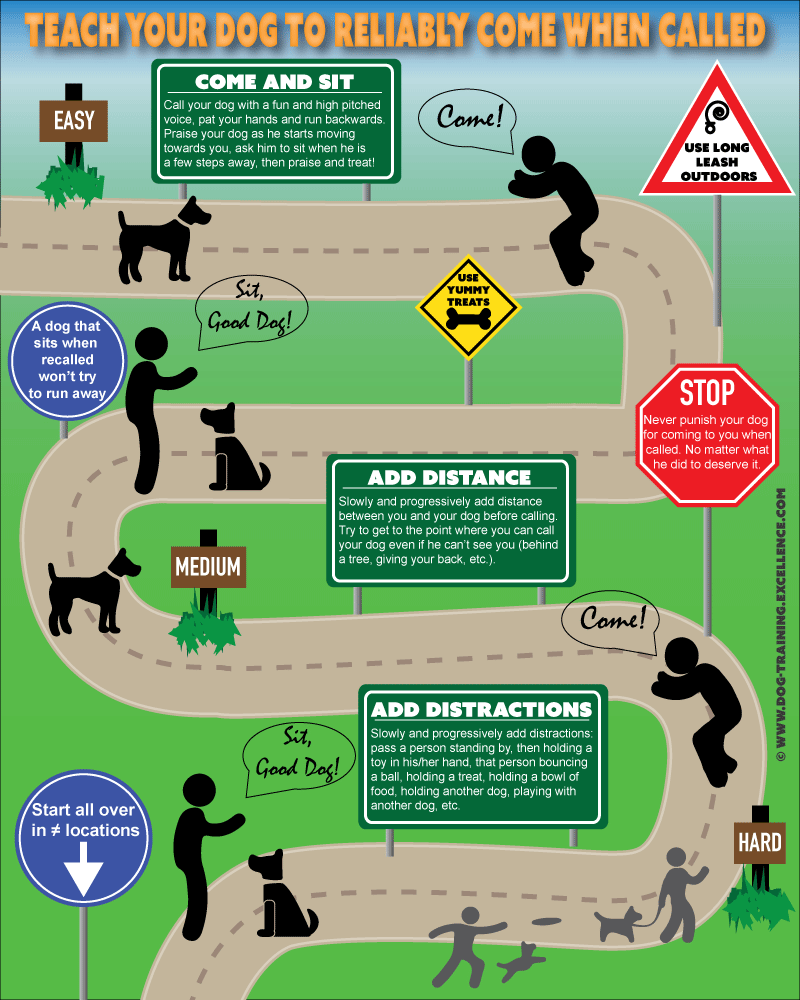
Begin training just a few feet away from your dog. Call your dog using a cheerful voice and reward them with praise or treats when they come. Each time your dog succeeds, step back a little more. Take small steps to avoid overwhelming your dog. This steady progress makes your dog trust the command more.
Use A Long Leash For Safety
A long leash lets your dog roam while keeping control. Attach the leash before moving further away. This prevents your dog from running off or getting distracted. Use the leash to gently guide your dog back if needed. Safety matters, especially in open or busy areas. The leash helps you manage distance without risk.
Add Distractions Slowly
Adding distractions slowly helps your dog learn to focus on you. It builds trust and improves their response. Start with simple distractions and increase difficulty over time. This method keeps your dog calm and attentive. Patience and consistency are key during this process.
Introduce Other People Or Pets
Begin by training with one calm person nearby. Let your dog see and hear them without pressure. Call your dog to come, rewarding them each time. Gradually add more people or pets as your dog improves. This helps your dog learn to listen despite distractions.
Train In Different Locations
Practice in your yard first. Move to quiet parks next. Then try busy places with more sounds and smells. Each new place offers new challenges for your dog. Training in many spots makes your dog reliable everywhere.
Avoid Negative Associations
Training your dog to come to you is about building trust and positive feelings. Avoiding negative associations helps your dog want to come, not fear it. Dogs learn best when they feel safe and happy. Negative experiences can make them reluctant or scared to respond. Keep training sessions fun and kind. This makes your dog eager to obey your call.
Never Punish For Coming Late
Do not punish your dog if they come late. Dogs need time to decide and move. Yelling or scolding will create fear. Your dog may start ignoring your call. Wait patiently and reward them when they arrive. This teaches your dog that coming back is good, no matter the time.
Make Recall Always Rewarding
Use treats, praise, or play as rewards. Every time your dog comes, give a reward. This makes coming to you a happy event. Your dog will want to come quickly next time. Change rewards to keep your dog interested. The goal is for your dog to love returning to you.
Credit: www.dog-training-excellence.com
Maintain Consistency Over Time
Maintaining consistency over time is key to training your dog to come to you. Dogs learn best with steady routines. Regular practice helps your dog remember what you want.
Training is not a one-time event. It needs patience and daily effort. Consistency builds trust between you and your dog. Your dog will understand your commands better with practice.
Regular Practice Sessions
Set aside short training sessions each day. Five to ten minutes is enough. Practice in different places to keep your dog alert. Use the same command word every time. Consistency in your tone helps your dog recognize the call.
Keep sessions fun and positive. End on a good note. Avoid long sessions that tire your dog. Regular practice creates a habit for your dog to come when called.
Keep Using Rewards
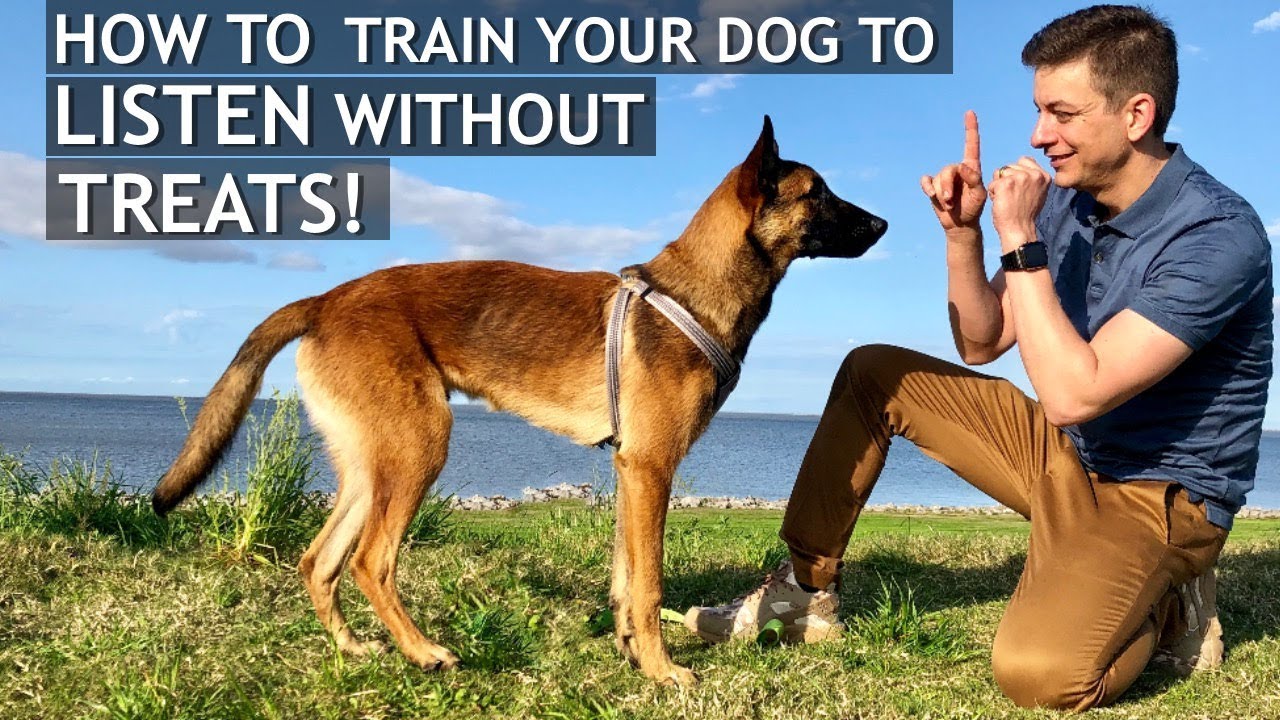
Rewards motivate your dog to listen. Use treats, praise, or play as rewards. Give rewards immediately after your dog comes. This helps your dog connect the action with the reward.
Gradually reduce treats but never stop praise. Praise is a powerful reward on its own. Consistent rewards make your dog eager to obey. Your dog learns that coming to you brings good things.
Credit: www.youtube.com
Frequently Asked Questions
How Long Does It Take To Train A Dog To Come?
Training duration varies by dog breed and consistency. Most dogs learn recall in 2-4 weeks with daily practice and positive reinforcement.
What Is The Best Reward For Dog Recall Training?
Use high-value treats, praise, or toys your dog loves. Immediate rewards motivate dogs to respond quickly and happily.
How Can I Prevent My Dog From Ignoring Recall Commands?
Train in distraction-free areas first. Gradually add distractions. Always reward your dog for coming when called to build trust.
Should I Use A Leash During Recall Training?
Yes, a leash ensures control and safety. It helps guide your dog and prevent running off during early training stages.
Conclusion
Training your dog to come when called builds trust and safety. Practice often, keep sessions short, and stay patient. Use clear commands and reward good behavior every time. Avoid punishment to keep training positive and fun. Remember, consistency is key for your dog to learn well.
Enjoy the bond that grows with each successful recall. Your dog will feel happy and secure near you. Keep training simple and steady for best results. You both will benefit from this important skill every day.

