

Are you sure your dog is getting the best nutrition every day? What you feed your furry friend can make a huge difference in their energy, health, and happiness.
Knowing exactly what meals to give your dog isn’t always easy. But don’t worry—this guide will show you simple, effective daily meals that provide ultimate nutrition. By the time you finish reading, you’ll feel confident about giving your dog the food they truly need to thrive.
Keep reading to discover the key to your dog’s healthiest life!
Credit: www.gallant.com
Essential Nutrients For Dogs
Dogs need a balanced diet to stay healthy and strong. Feeding them the right nutrients helps their body work well. Essential nutrients support energy, growth, and repair. Each nutrient plays a unique role in your dog’s health. Understanding these helps you choose the best daily meals.
Proteins And Amino Acids
Proteins build muscles, skin, and fur. They also repair tissues and fight illness. Dogs need amino acids, the building blocks of protein. Some amino acids must come from food. Good sources include meat, eggs, and fish. Protein helps dogs stay active and healthy.
Fats And Fatty Acids
Fats give dogs energy and keep their skin soft. Fatty acids support brain and eye health. Omega-3 and Omega-6 are important types of fatty acids. They reduce inflammation and help coat shine. Healthy fats come from fish oil, chicken fat, and flaxseed.
Carbohydrates And Fiber
Carbohydrates provide quick energy for daily activities. Fiber helps digestion and keeps the stomach healthy. Whole grains, vegetables, and fruits offer good carbs and fiber. They prevent constipation and support gut health. Balanced carbs keep dogs energetic and regular.
Vitamins And Minerals
Vitamins help the immune system and overall health. Minerals build strong bones and teeth. Dogs need vitamins A, D, E, and B complex. Important minerals include calcium, phosphorus, and zinc. Fresh vegetables and meat provide many essential vitamins and minerals.
Credit: www.houndsy.com
Types Of Dog Food
Choosing the right type of dog food is key for your pet’s health. Dogs need balanced meals with proteins, fats, and vitamins. Different food types offer various benefits and suit different needs. Understanding these options helps you pick the best daily meals for your dog.
Commercial Dry And Wet Foods
Dry food is easy to store and helps keep teeth clean. It contains balanced nutrients and is often affordable. Wet food has higher moisture, which helps dogs stay hydrated. It is softer and often more appealing to picky eaters. Both types provide complete nutrition if chosen wisely.
Raw Diets
Raw diets include uncooked meat, bones, and vegetables. Many owners believe it mimics a dog’s natural diet. It may improve coat shine and energy levels. Raw feeding requires care to avoid bacteria and ensure balance. Consult a vet before starting this diet.
Home-cooked Meals
Cooking meals at home allows full control over ingredients. Fresh meats, grains, and vegetables can be included. This option suits dogs with allergies or special needs. Recipes must be balanced to avoid nutrient gaps. A vet’s guidance is important when preparing home meals.
Freeze-dried And Dehydrated Options
Freeze-dried and dehydrated foods keep nutrients well. They are lightweight and easy to store. These foods need water added before feeding. They offer a natural taste and texture dogs enjoy. Quality brands ensure a balanced mix of nutrients.
Balancing Daily Meals
Balancing daily meals for dogs is key to keeping them healthy and happy. Each dog needs the right amount of food and nutrients. This balance helps support their energy, growth, and overall well-being.
Understanding how to balance meals can prevent health problems. It also makes sure dogs get what they need without overeating. Let’s explore how to balance your dog’s daily meals for best nutrition.
Portion Sizes By Age And Size
Dogs need different portion sizes depending on their age and size. Puppies require more calories for growth. Small breeds eat less than large breeds. Older dogs may need fewer calories to avoid weight gain.
Measure food according to your dog’s weight and activity level. Use feeding guides on dog food packages as a starting point. Adjust portions if your dog gains or loses weight.
Meal Frequency And Timing
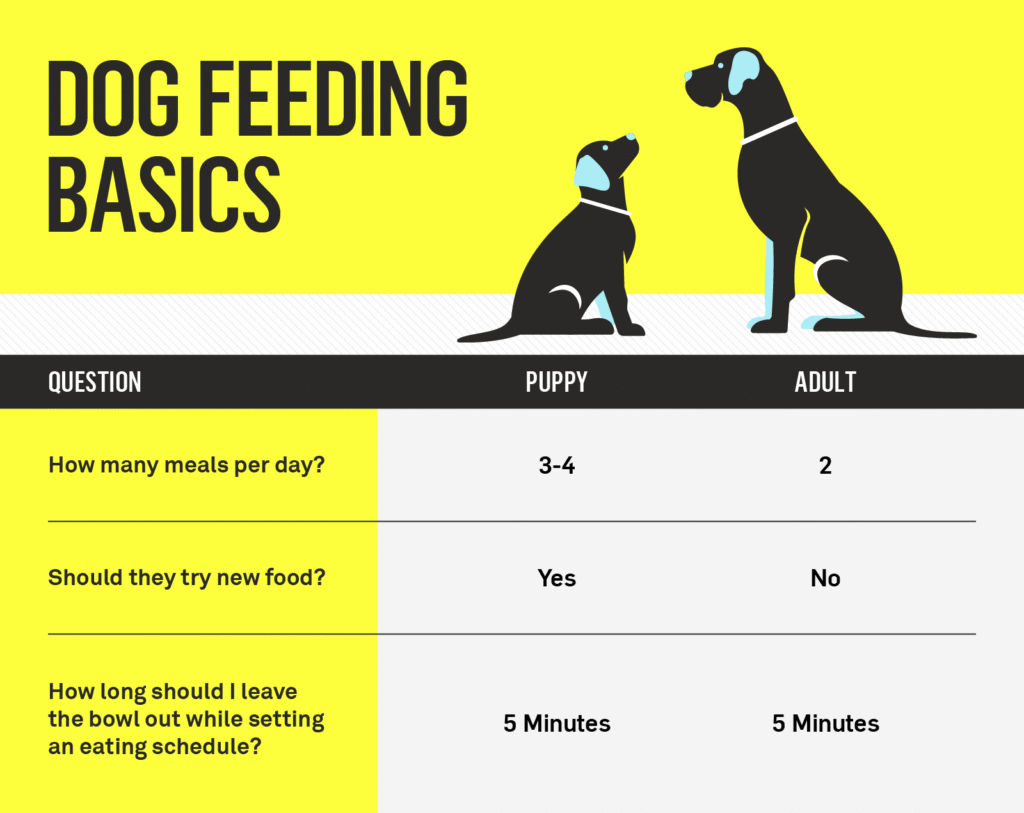
Feeding frequency depends on the dog’s age and lifestyle. Puppies usually eat three to four meals a day. Adult dogs do well with two meals daily. Senior dogs might benefit from smaller, more frequent meals.
Keep meal times consistent. Regular timing helps digestion and prevents begging. Avoid feeding right before or after exercise to reduce stomach problems.
Combining Food Types For Variety
Mixing different food types adds variety and nutrients to meals. Combine dry kibble with wet food for texture and moisture. Fresh vegetables or cooked meat can boost vitamins and protein.
Introduce new foods slowly to avoid upset stomachs. Variety keeps dogs interested in their meals. It also helps provide a wider range of nutrients for complete nutrition.
Safe Ingredients To Include
Choosing safe ingredients for your dog’s meals is important for their health. These foods provide essential nutrients without causing harm. Safe ingredients support strong muscles, good digestion, and a shiny coat. They help your dog stay active and happy every day.
Lean Meats And Fish
Lean meats like chicken and turkey are great protein sources. They help build strong muscles and provide energy. Fish, such as salmon, contains healthy omega-3 fats. These fats improve brain function and reduce inflammation. Always cook meat well and remove bones before feeding.
Vegetables And Fruits
Vegetables like carrots, green beans, and sweet potatoes add fiber and vitamins. Fruits like apples and blueberries offer antioxidants and natural sweetness. Avoid toxic foods like grapes, onions, and garlic. Chop fruits and vegetables into small pieces for easy eating.
Grains And Legumes
Grains such as brown rice and oats provide fiber and energy. Legumes like lentils and peas are good sources of plant protein. These foods help with digestion and keep your dog full longer. Cook grains and legumes thoroughly to make them easy to digest.
Foods To Avoid
Choosing the right meals for your dog is key to their health. Avoiding certain foods keeps your dog safe and strong. Some foods can harm dogs badly. Knowing what not to feed helps you protect your pet every day.
Toxic Human Foods
Chocolate, grapes, and raisins are toxic for dogs. They can cause vomiting and kidney failure. Onions and garlic damage their blood cells. Alcohol and caffeine are dangerous, even in small amounts. Keep all these away from your dog’s reach.
Harmful Additives And Preservatives
Many dog foods contain artificial colors and flavors. These chemicals can upset your dog’s stomach. Preservatives like BHA, BHT, and ethoxyquin may cause health issues. Choose fresh, natural foods without these additives for better nutrition.
Unsafe Raw Ingredients
Raw meat and eggs can carry bacteria like Salmonella. These cause infections in dogs and humans. Bones from raw meat can splinter and choke your dog. Avoid raw fish, which may contain parasites. Cooked, balanced meals are safer and healthier for dogs.

Credit: www.bowlerspets.com
Supplements And Enhancers
Supplements and enhancers can improve your dog’s daily meals. They provide extra nutrients that might be missing in regular food. These additions help support your dog’s health, energy, and coat condition. Knowing how and when to use them is important for safe feeding.
When To Use Supplements
Use supplements if your dog has specific health needs. Older dogs may need joint support. Puppies might benefit from vitamins for growth. Dogs with allergies or digestive issues can also need supplements. Always check with a vet before starting any new supplement.
Common Supplements For Dogs
Fish oil is popular for a shiny coat and healthy skin. Glucosamine helps keep joints flexible. Probiotics support digestion and gut health. Vitamins like B-complex and E boost immunity. These are safe choices for most dogs but should match their health needs.
Natural Flavor Enhancers
Natural enhancers make meals tastier without harmful additives. Plain yogurt adds creaminess and probiotics. Cooked pumpkin helps digestion and adds sweetness. Small amounts of chicken broth can encourage picky eaters. These enhancers keep dogs interested in their food and improve nutrition.
Special Diets For Health Issues
Special diets help dogs with health problems feel better and stay strong. These diets change daily meals to match each dog’s needs. Careful food choices can reduce symptoms and improve health. Feeding the right food supports healing and comfort.
Here are common special diets for dogs with health issues. Each plan targets a different problem to give the best nutrition.
Allergies And Sensitivities
Dogs with allergies need meals that avoid triggers. Common allergens include beef, chicken, and grains. Hypoallergenic diets use novel proteins like duck or fish. Grain-free options help if dogs react to wheat or corn. Limited ingredient diets reduce the chance of reactions. These meals calm itchy skin and upset stomachs.
Weight Management
Obese dogs need fewer calories and more fiber. Low-fat, high-protein foods help dogs lose weight safely. Meals rich in vegetables add bulk without many calories. Controlled portions prevent overeating. Regular meals keep metabolism steady and energy balanced. Weight loss improves joint health and heart function.
Digestive Health Support
Dogs with digestion problems benefit from easy-to-digest foods. Meals with rice, boiled chicken, and pumpkin soothe the gut. Probiotics in food boost healthy gut bacteria. Fiber from vegetables helps regulate bowel movements. Avoiding rich or fatty foods prevents upset stomachs. These diets support nutrient absorption and comfort.
Monitoring And Adjusting Diet
Keeping an eye on your dog’s diet is important for their health. Dogs need the right nutrients every day to stay strong and happy. Sometimes, their needs change. Monitoring and adjusting their meals helps ensure they get the best nutrition.
Watch how your dog reacts to the food. Changes in behavior, coat, or energy can signal if their diet needs tweaking. Regular checks help catch problems early and keep your dog feeling good.
Signs Of Nutritional Deficiency
Look for signs like dull fur, weight loss, or bad breath. A dog that scratches a lot or has dry skin might lack vitamins. Weakness or tiredness can mean missing minerals or protein. Early signs are often subtle but important to notice.
Tracking Weight And Energy Levels
Weigh your dog regularly to track any changes. Sudden weight loss or gain can indicate a diet problem. Note how active your dog is each day. Low energy might mean the food isn’t meeting their needs. Keep a simple log to see patterns over time.
Consulting With A Veterinarian
A vet can help identify nutritional gaps and suggest changes. Share your observations about your dog’s weight and energy. Vets may recommend supplements or different foods. Regular check-ups help adjust diet safely and effectively.
Frequently Asked Questions
What Are The Best Daily Meals For Dog Nutrition?
Balanced daily meals for dogs include high-quality protein, healthy fats, and vegetables. Incorporate lean meats, rice, and carrots for optimal health.
How Often Should I Feed My Dog Each Day?
Most dogs thrive on two meals per day. Puppies may need three to four smaller meals for proper growth and energy.
Can Homemade Meals Provide Complete Dog Nutrition?
Yes, homemade meals can be complete with proper balance. Include proteins, carbs, fats, and essential vitamins to meet your dog’s needs.
What Human Foods Are Safe For Dogs Daily?
Safe daily foods include cooked chicken, rice, carrots, and pumpkin. Avoid toxic foods like onions, chocolate, and grapes.
Conclusion
Feeding dogs the right daily meals supports their health and happiness. Balanced nutrition helps maintain energy and a shiny coat. Fresh proteins, vegetables, and grains offer essential vitamins and minerals. Avoid feeding harmful or processed foods to keep dogs safe.
Regular meal times build good habits and aid digestion. Tailor meals to your dog’s age, size, and activity level. Watch their weight and adjust portions as needed. Healthy meals lead to a long, active life for your dog. Simple, thoughtful choices make a big difference every day.


