

Is your dog constantly barking at cars, making walks stressful and your neighborhood noisy? You’re not alone, and the good news is, you can change this behavior.
Imagine enjoying peaceful strolls without the constant barking or your dog feeling anxious every time a car passes by. You’ll discover simple and effective steps to help your dog stay calm around cars. Keep reading to learn how to transform your dog’s reaction and bring harmony back to your daily routine.
Reasons Dogs Bark At Cars
Dogs often bark at cars for different reasons. Understanding these reasons helps to manage this behavior. Barking at cars can come from natural instincts, fears, or social habits. Each dog reacts to cars in its own way.
Knowing why dogs bark at cars is the first step to stop it. Let’s explore the main causes behind this common behavior.
Instinct And Territorial Behavior
Dogs see cars as intruders in their space. Barking is a way to protect their territory. This behavior comes from their natural instincts. Dogs want to warn their owners of possible threats. The sound and movement of cars trigger this reaction.
Fear And Anxiety
Some dogs bark because they feel scared of cars. Loud noises and fast movement cause fear. Barking helps them express their anxiety. This reaction is a sign that they feel unsafe. Fear-based barking needs gentle and patient handling.
Lack Of Socialization
Dogs that do not see cars often may bark out of confusion. Lack of exposure makes cars seem strange or threatening. Socializing dogs with different environments reduces this behavior. Early and regular contact with cars helps dogs stay calm.
Recognizing Barking Triggers
Understanding what causes your dog to bark at cars is the first step. Dogs react to different triggers around moving vehicles. Recognizing these triggers helps you manage and reduce barking. Each dog has unique reasons for barking. Observe your dog’s behavior carefully to find patterns.
Approaching Vehicles
Many dogs bark when cars come near. The sight of a car moving closer can feel threatening. Your dog may see cars as intruders. Some dogs bark to warn you about the approaching vehicle. Watch how your dog acts as cars get closer. Notice if the barking starts early or late.
Sounds And Movements
Noise from cars can trigger barking too. The sound of engines, horns, or brakes can upset dogs. Sudden movements of cars also catch your dog’s attention. Fast or loud cars may cause more barking. Quiet, slow cars might not bother your dog much. Pay attention to which sounds cause the most reaction.
Environmental Factors
The surroundings can affect your dog’s barking. Busy streets with many cars may increase barking. Open yards might make your dog feel exposed and protective. Weather and lighting can also play a role. A dog may bark more in the dark or during storms. Note the places and times when barking increases.
Basic Obedience Commands
Basic obedience commands help control your dog’s behavior around cars. Teaching your dog simple commands can stop barking and reduce stress. These commands build trust and improve communication between you and your dog.
Start training with easy commands. Practice often and keep sessions short. Reward your dog with treats or praise to encourage good behavior.
Teaching Quiet
The “Quiet” command tells your dog to stop barking. Wait for your dog to bark at a car. Say “Quiet” in a calm, firm voice. When your dog stops barking, give a treat immediately. Repeat this until your dog understands the word “Quiet” means stop barking.
Using Leave It
“Leave It” helps your dog ignore cars. Hold a treat in your hand and say “Leave It.” Wait until your dog stops reaching for the treat. Praise your dog and give a different treat. Practice this command near cars. It teaches your dog to avoid barking or chasing cars.
Implementing Stay And Focus
“Stay” keeps your dog still near cars. Tell your dog to “Stay” and step back slowly. Reward your dog for staying calm. “Focus” directs your dog’s attention to you. Say “Look” or “Focus” and show a treat. This stops your dog from watching cars and barking. Use these commands together for best results.
Credit: www.reddit.com
Desensitization Techniques
Desensitization techniques help calm dogs that bark at cars. These methods teach dogs to stay relaxed around vehicles. The process takes patience and consistency. It reduces fear and excitement that cause barking.
Gradual Exposure To Cars
Start by showing your dog cars at a distance. Choose a quiet area with few vehicles. Let your dog watch cars without reacting. Slowly decrease the distance over several days. This helps your dog get used to cars step by step.
Controlled Walks Near Traffic
Take your dog on walks near busy roads. Keep your dog on a leash and stay calm. Walk at a safe distance where your dog feels okay. Praise your dog for staying quiet. Gradually move closer to traffic over time.
Positive Reinforcement
Reward your dog for calm behavior near cars. Use treats, toys, or gentle praise. Give rewards only when your dog stays quiet. This teaches your dog that calmness brings good things. Positive reinforcement builds trust and good habits.
Counter-conditioning Strategies
Counter-conditioning strategies help change your dog’s reaction to cars. This method trains your dog to feel calm instead of anxious or aggressive. By replacing the barking habit with a peaceful response, your dog learns to stay relaxed around cars.
Replacing Barking With Calm Behavior
Start by noticing when your dog begins to bark at cars. Interrupt the barking gently. Use a calm voice to get your dog’s attention. Teach your dog to sit or lie down instead of barking. Practice this often, so calm behavior becomes a new habit.
Reward-based Training
Use rewards to encourage good behavior. Praise your dog when it stays quiet near cars. Rewards can be treats, toys, or kind words. This positive feedback helps your dog connect calmness with good things. Over time, your dog will bark less and stay calm.
Using Treats And Toys
Keep treats and toys ready during walks or car rides. Offer them when your dog notices a car but doesn’t bark. This redirects your dog’s focus from the car to the reward. Use high-value treats or favorite toys for best results. This method keeps your dog interested and calm.
Managing The Environment
Managing the environment is key to reducing your dog’s barking at cars. Dogs often react to what they see outside. Changing their surroundings can help calm them down. This step helps lower triggers that cause barking. It makes your dog feel safer and less alert to passing cars.
Limiting Visual Access
Block your dog’s view of the street or driveway. Use curtains or blinds on windows. Close doors that face busy roads. This stops your dog from seeing cars pass by. Without the visual stimulus, barking often decreases. Try using frosted window film for a clear but blurry view.
Creating Safe Spaces
Give your dog a quiet area inside the house. Use a cozy bed or crate in a low-traffic room. Add favorite toys and blankets to comfort them. This safe space helps your dog relax and feel secure. When they feel safe, they bark less at outside noises.
Using Barriers Or Fencing
Install fences or barriers to block your dog’s view outdoors. Solid fences work better than chain-link ones. Barriers can also limit your dog’s access to doors and windows. This reduces opportunities to bark at passing cars. Choose fences that match your yard and dog’s needs.
When To Seek Professional Help
Knowing when to seek professional help is key to managing your dog’s barking at cars. Some barking problems need expert care. Professionals can offer solutions that you might not know.
Early intervention can prevent bigger issues later. Recognizing signs that require help saves time and stress. Professionals bring experience and skills to guide you and your dog.
Persistent Barking Issues
Barking that lasts for weeks or months is a concern. It might mean your dog has anxiety or fear. Simple training may not fix this problem. Professionals can find the root cause and provide the right plan.
Aggressive Reactions
If your dog shows aggression toward cars or drivers, safety is at risk. Growling, lunging, or biting needs urgent attention. Aggression can harm people and pets. Experts teach control and calm behaviors to protect everyone.
Consulting Trainers And Behaviorists
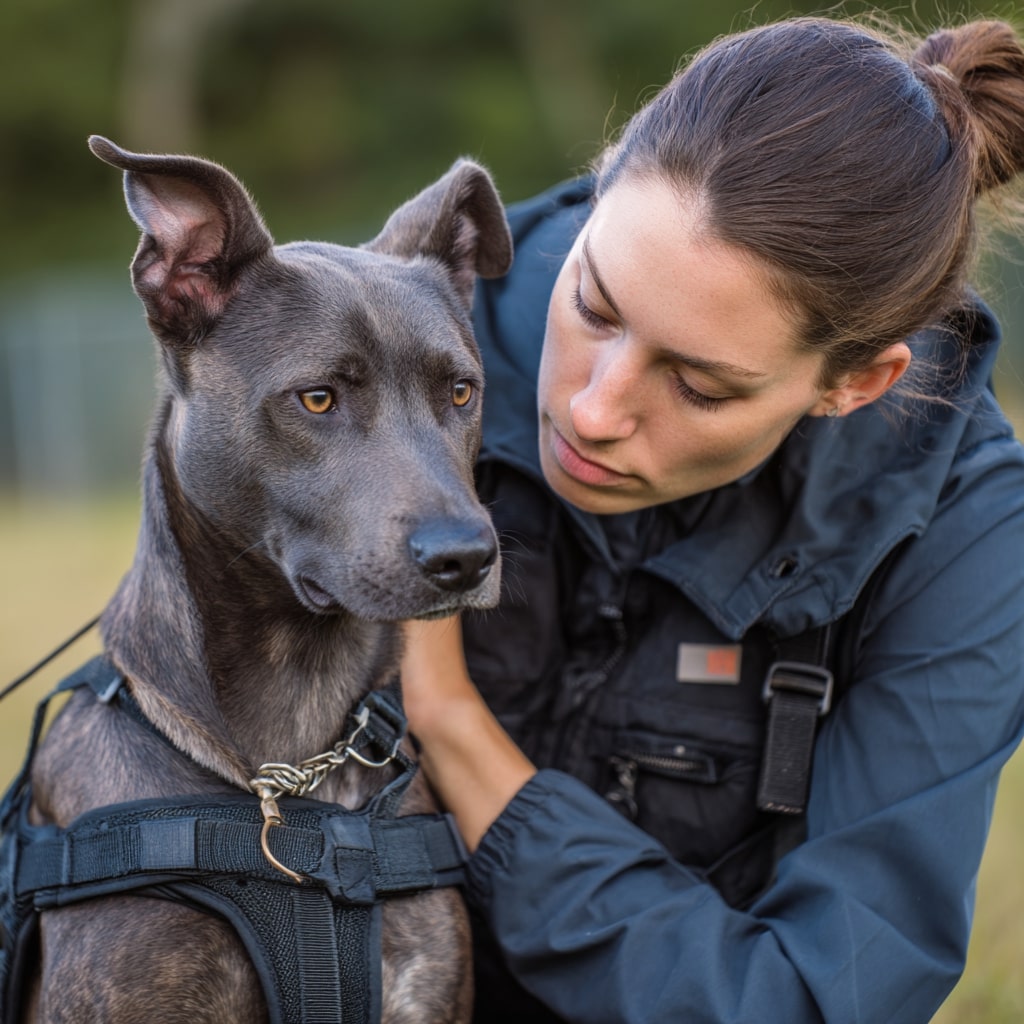
Trainers and behaviorists understand dog body language and triggers. They use methods based on science and kindness. These experts create step-by-step plans for change. They also support owners with clear advice and follow-up.
Credit: dogtime.com
Credit: performancek9training.com
Frequently Asked Questions
How Can I Stop My Dog Barking At Passing Cars?
Train your dog with consistent commands like “quiet” and reward calm behavior. Use distractions and positive reinforcement to reduce barking.
Why Do Dogs Bark At Cars Frequently?
Dogs bark at cars due to territorial instincts or fear. They see moving vehicles as threats or intruders in their space.
What Training Methods Help Reduce Barking At Cars?
Use desensitization, positive reinforcement, and commands. Gradually expose your dog to cars while rewarding calmness to change their reaction.
Can Exercise Reduce My Dog’s Barking At Cars?
Yes, regular exercise helps burn excess energy and reduces anxiety. A tired dog is less likely to bark excessively at cars.
Conclusion
Stopping your dog from barking at cars takes patience and practice. Use gentle training methods and stay calm. Reward quiet behavior to encourage peace. Be consistent every day for the best results. Remember, your dog learns through your actions. Small steps lead to big changes over time.
Keep sessions short and positive. Soon, your walks will be calm and enjoyable. A peaceful dog means a happier home for all.


