

Are you wondering how to give your furry friend the healthiest, tastiest meals right at home? Finding the best homemade dog food recipe can feel overwhelming with so many options out there.
But what if you could prepare meals that not only satisfy your dog’s hunger but also boost their energy, improve their coat, and support their overall health? You’ll discover a simple, nutritious recipe that’s easy to make and packed with ingredients your dog will love.
Keep reading to unlock the secrets to homemade dog food that truly makes a difference for your pet’s well-being.
Benefits Of Homemade Dog Food
Homemade dog food offers many benefits for pet owners. It allows you to provide fresh, healthy meals tailored to your dog’s needs. Preparing food at home means you know exactly what your dog eats. This control can lead to better health and happiness for your pet.
Improved Nutrition
Homemade meals can include fresh ingredients rich in nutrients. You can avoid fillers and artificial additives found in some commercial foods. This fresh food helps your dog get essential vitamins and minerals. Balanced meals support strong muscles, shiny fur, and good energy.
Control Over Ingredients
Making food at home lets you choose every ingredient. You avoid harmful preservatives and low-quality fillers. It is easier to prevent allergies by skipping certain foods. This control helps your dog digest food better and stay healthy.
Catering To Special Diets
Dogs with allergies or health problems need special diets. Homemade food lets you adjust recipes to suit their needs. You can add supplements or remove ingredients that cause issues. This care improves your dog’s comfort and well-being.
Cost Considerations
Homemade dog food can save money over time. Buying fresh ingredients in bulk often costs less than premium dog food. You avoid paying for packaging and brand premiums. Careful planning helps keep your dog’s meals affordable and nutritious.
Essential Nutrients For Dogs
Dogs need a balanced diet to stay healthy and active. Essential nutrients support their growth, energy, and immune system. A homemade dog food recipe must include these vital nutrients. Understanding each nutrient helps create meals that meet your dog’s needs.
Proteins And Amino Acids
Proteins build muscles, skin, and fur. They also repair body tissues. Amino acids are the building blocks of proteins. Dogs need certain amino acids from their food. Good sources include chicken, beef, fish, and eggs. Protein helps dogs stay strong and energetic.
Carbohydrates And Fiber
Carbohydrates provide energy for daily activities. Fiber supports healthy digestion and bowel movements. Brown rice, sweet potatoes, and oats are good carbohydrate sources. Fiber keeps your dog’s stomach comfortable. Balanced carbs and fiber prevent digestive problems.
Fats And Fatty Acids
Fats supply energy and keep skin soft. Essential fatty acids like omega-3 and omega-6 improve coat health. Fish oil, flaxseed, and chicken fat contain these fats. Fats help absorb vitamins and support brain function. Dogs need moderate fat in their diet.
Vitamins And Minerals
Vitamins and minerals support bones, nerves, and the immune system. Calcium, phosphorus, and vitamin D strengthen bones and teeth. Vitamin A, E, and B vitamins keep eyes and skin healthy. Fresh vegetables and fruits provide many vitamins. Balanced minerals keep your dog active and strong.
Safe Ingredients To Use
Choosing safe ingredients is the first step to making healthy homemade dog food. Dogs need balanced meals with good nutrition. Using the right ingredients keeps your dog happy and healthy. Some foods are safe and healthy for dogs. Others can be harmful or cause allergies. Always pick fresh, clean, and dog-friendly foods.
Lean Meats And Alternatives
Lean meats provide essential protein and energy for dogs. Chicken, turkey, and lean beef are great choices. Remove all bones and excess fat before cooking. Fish like salmon offers healthy omega-3 fats. Eggs are also good protein sources. For dogs with allergies, try cooked lentils or cottage cheese as alternatives.
Vegetables And Fruits
Vegetables add fiber, vitamins, and minerals to dog meals. Safe veggies include carrots, green beans, and sweet potatoes. Avoid onions, garlic, and mushrooms as they can harm dogs. Fruits like apples, blueberries, and bananas work well. Remove seeds and cores from fruits to prevent choking.
Grains And Legumes
Grains and legumes supply energy and fiber. Brown rice, quinoa, and oats are good grains for dogs. Cook them well to aid digestion. Lentils and peas provide protein and fiber. Avoid raw beans, as they can be toxic. Always introduce grains slowly to avoid stomach upset.
Supplements And Additives
Supplements help fill nutrition gaps in homemade dog food. Fish oil supports skin and coat health. Calcium is vital for strong bones; use ground eggshells or supplements. Probiotics improve digestion and immunity. Avoid salt, sugar, and artificial flavors. Consult your vet before adding supplements.
Ingredients To Avoid
Choosing the right ingredients is key to making safe homemade dog food. Some foods can harm your dog’s health. Avoiding these ingredients keeps your pet happy and healthy. This section lists foods and additives to skip in your recipes.
Toxic Foods For Dogs
Chocolate is highly toxic to dogs and must never be used. Grapes and raisins can cause kidney failure. Onions and garlic damage red blood cells and lead to anemia. Avocado contains a toxin called persin harmful to dogs. Avoid macadamia nuts, which cause weakness and vomiting.
Harmful Additives
Avoid salt and sugar in dog food recipes. These can cause dehydration and obesity. Artificial sweeteners like xylitol are deadly even in small amounts. Preservatives and food colorings may trigger allergies or digestive issues. Always use fresh, natural ingredients for safety.
Common Allergens
Some dogs react to common proteins like beef, chicken, or dairy. Wheat and corn may cause itching and digestive upset. Soy is another frequent allergen affecting sensitive dogs. Monitor your dog’s reaction to new foods carefully. Choose hypoallergenic ingredients if your dog has allergies.
Step-by-step Recipe Guide
Creating homemade dog food is a caring way to ensure your pet eats healthy and tasty meals. This step-by-step guide helps you make a balanced dish. Simple instructions make the cooking process easy to follow.
Gathering Ingredients
Choose fresh, high-quality ingredients. Start with lean meats like chicken or turkey. Add vegetables such as carrots, peas, and spinach. Include healthy grains like brown rice or oats. Avoid harmful foods like onions, garlic, and chocolate.
Preparation Techniques
Wash all vegetables thoroughly. Chop them into small, bite-sized pieces. Cut meat into cubes or strips. Use a food processor if your dog prefers softer textures. Keep portions balanced between protein, veggies, and grains.
Cooking Methods
Cook meat fully to kill bacteria. Boil or steam vegetables to keep nutrients. Use low heat to avoid burning food. Mix all ingredients in a large pot. Stir well to combine flavors and textures evenly.
Portioning And Storage
Divide cooked food into daily portions. Use airtight containers for storage. Refrigerate meals for up to three days. Freeze extra portions for later use. Thaw frozen food in the fridge before serving.
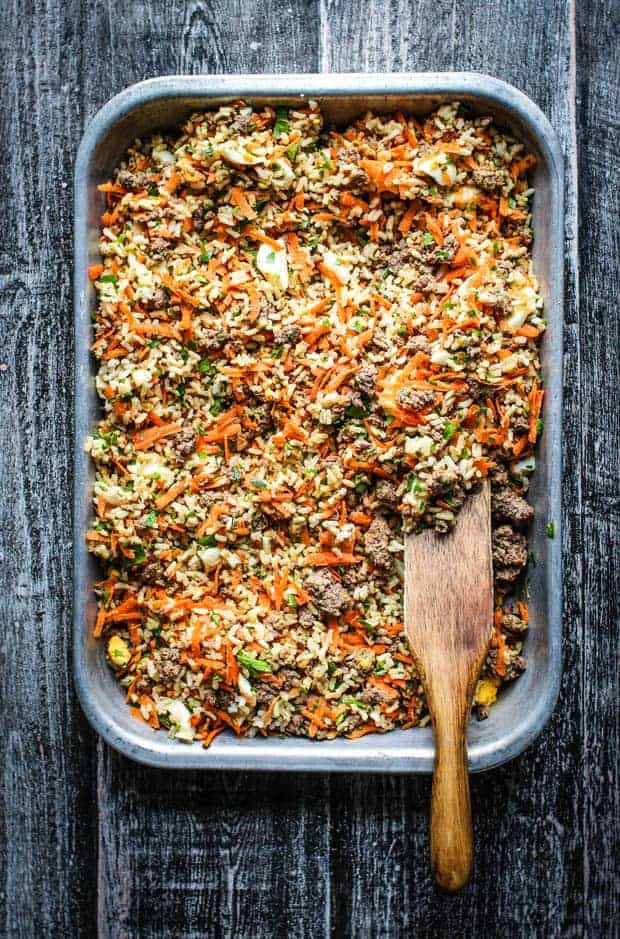
Credit: thismessisours.com
Adjusting Recipes For Dog Size And Age
Adjusting homemade dog food recipes is important for your dog’s size and age. Dogs have different needs at each life stage. A recipe good for a puppy may not work for a senior dog. The amount of food and nutrients must change to keep your dog healthy.
Puppy Nutrition Needs
Puppies grow fast and need more calories than adult dogs. They require extra protein to build strong muscles. Calcium and phosphorus are important for healthy bones. Offer food in small, frequent meals to help digestion. Avoid large portions that can upset their stomach.
Adult Dog Requirements
Adult dogs need balanced meals to maintain weight and energy. Protein helps keep muscles strong and repair tissue. Carbohydrates provide energy for daily activities. Include vegetables for fiber and vitamins. Portion size depends on activity level and breed.
Senior Dog Considerations
Older dogs often slow down and need fewer calories. They benefit from food with joint-supporting nutrients like glucosamine. Protein remains important but in moderate amounts. Add easily digestible ingredients to protect sensitive stomachs. Keep an eye on weight to avoid obesity.
Breed-specific Adjustments
Small breeds need nutrient-dense meals in smaller portions. Large breeds require controlled calcium to protect growing bones. Some breeds need more fats or specific vitamins. Research your dog’s breed to tailor the recipe. Personalized food keeps your dog healthy and happy.
Tips For Transitioning To Homemade Food
Switching your dog to homemade food needs care and patience. Sudden changes can upset their stomach or cause refusal to eat. Following simple tips helps your dog accept new meals easily. Watch your pet closely during this time. Their health and happiness depend on a smooth transition.
Gradual Introduction
Start by mixing a small amount of homemade food with your dog’s current meal. Increase the homemade portion slowly over 7 to 10 days. This helps your dog’s digestive system adjust without stress. Keep the texture and temperature similar to what they are used to. This makes the new food more familiar.
Monitoring Health And Behavior
Observe your dog’s behavior and health daily. Check for signs like vomiting, diarrhea, or lack of appetite. Notice any changes in energy or mood. Healthy dogs usually show excitement for meals and have normal bowel movements. Write down any concerns to discuss later with your vet.
Consulting Your Veterinarian
Talk to your veterinarian before starting homemade food. They can guide you on balanced nutrition and portion sizes. Your vet may recommend supplements to keep your dog healthy. Regular check-ups help track your dog’s progress. Follow professional advice to ensure a safe diet change.
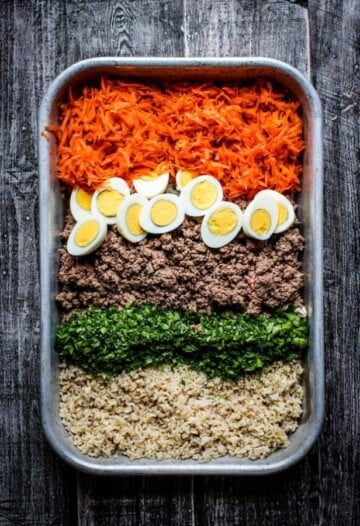
Credit: thismessisours.com
Common Mistakes To Avoid
Making homemade dog food can be rewarding and healthy for your pet. Still, mistakes happen often. These errors can harm your dog’s health or cause poor nutrition. Avoiding common pitfalls helps keep your dog happy and strong. Read on to learn about key mistakes to watch out for.
Overfeeding Or Underfeeding
Feeding too much or too little food is a frequent mistake. Overfeeding can cause weight gain and health issues. Underfeeding may lead to weakness and nutrient shortages. Measure portions carefully based on your dog’s size and activity. Balance is essential for good health and energy.
Ignoring Nutritional Balance
Dogs need a mix of proteins, fats, and carbohydrates. Missing important nutrients can harm their growth and vitality. Homemade meals must include vitamins and minerals too. Use recipes designed for dogs or consult a vet. Nutritional balance keeps your dog strong and lively.
Using Unsafe Ingredients
Certain foods are toxic to dogs. Ingredients like onions, garlic, chocolate, and grapes must be avoided. Also, avoid spices and artificial sweeteners. Use fresh, dog-safe ingredients only. Checking each component keeps your dog safe and healthy.
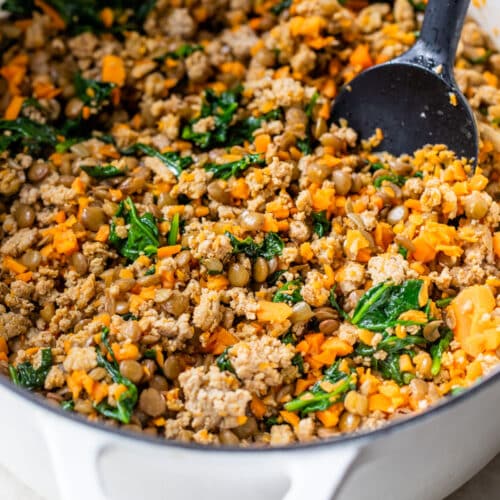
Credit: thealmondeater.com
Frequently Asked Questions
What Ingredients Make The Best Homemade Dog Food Recipe?
The best homemade dog food includes lean meats, vegetables, and grains. Use chicken, carrots, peas, and brown rice. Ensure balanced nutrients for your dog’s health and energy. Avoid toxic ingredients like onions or garlic.
How Do I Balance Nutrients In Homemade Dog Food?
Balance protein, fats, and carbohydrates properly. Include quality meat, healthy fats, and fibrous vegetables. Use supplements if needed for vitamins and minerals. Consult a vet for precise nutrient requirements based on your dog’s breed and age.
Can Homemade Dog Food Improve My Pet’s Health?
Yes, homemade dog food often improves digestion and energy. It reduces exposure to preservatives and fillers common in commercial foods. Fresh ingredients enhance coat shine and immunity. Always prepare meals safely to avoid nutritional gaps.
How Often Should I Feed My Dog Homemade Food?
Feed homemade meals once or twice daily, depending on your dog’s size and needs. Maintain consistent meal times for digestion. Adjust portion sizes to avoid overfeeding and maintain healthy weight.
Conclusion
Choosing the best homemade dog food recipe takes care and thought. Fresh ingredients keep your dog healthy and happy. Simple recipes with balanced nutrients work best. Always check with your vet before changing your dog’s diet. Homemade meals can strengthen your bond with your pet.
Feeding your dog at home shows love and attention. Try different recipes to find what your dog enjoys. Healthy food helps your dog live a long, active life. Keep meals safe, tasty, and full of good nutrition. Your dog deserves the best you can give.


