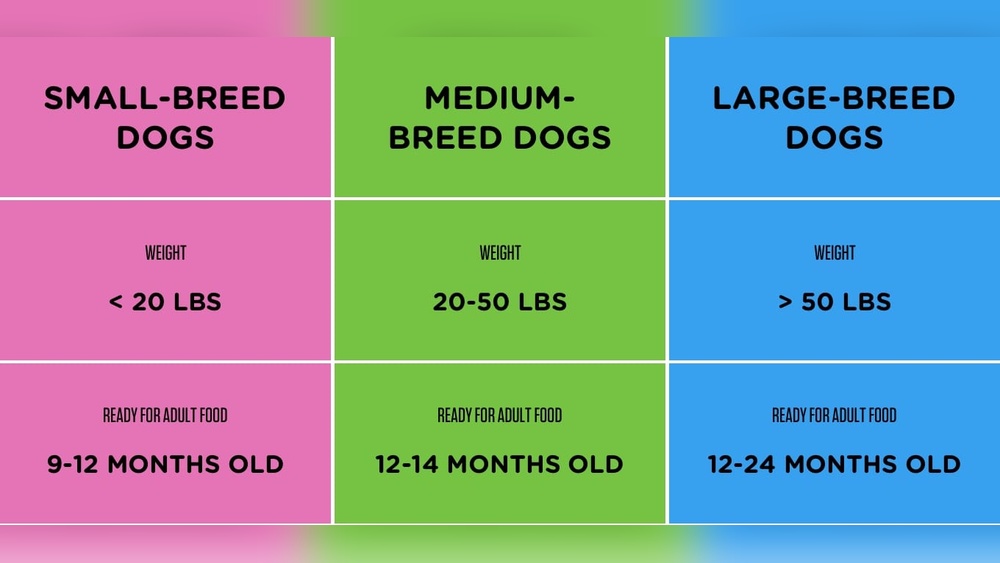
Are you wondering if it’s okay to feed your adult dog puppy food? You’re not alone.
Many dog owners ask this question because they want the best for their furry friends. But giving your adult dog the wrong food can affect their health and energy. You’ll discover what happens when adult dogs eat puppy food and whether it’s safe for your pet.
Keep reading to make sure you’re making the right choice for your dog’s diet and well-being.
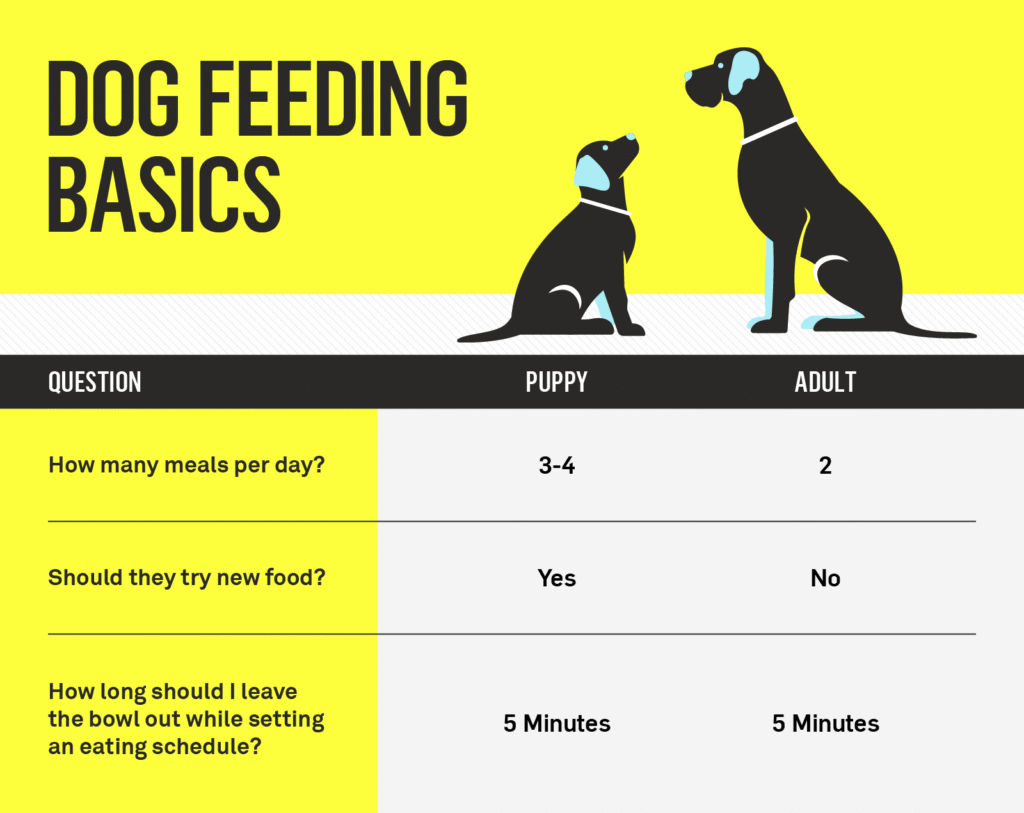
Credit: www.gallant.com
Nutritional Needs Of Adult Dogs
Adult dogs have different nutritional needs than puppies. Their bodies require balanced nutrients to stay healthy and active. Feeding adult dogs food meant for puppies may not meet these needs. Understanding the nutritional needs of adult dogs helps provide the right diet for them.
Calorie Requirements
Adult dogs need fewer calories than puppies. Puppies burn more energy growing and playing. Adult dogs require just enough calories to maintain their weight and energy. Overfeeding can cause obesity and health issues in adult dogs.
Protein And Fat Levels
Protein is essential for muscle maintenance in adult dogs. Puppy food often contains higher protein and fat levels to support growth. Adult dogs need moderate protein and fat to avoid excess weight gain. Balanced amounts keep their coat shiny and muscles strong.
Essential Vitamins And Minerals
Adult dogs need vitamins and minerals for overall health. Puppy food may have higher levels of some nutrients. Too much calcium or phosphorus can harm adult dogs’ bones and kidneys. Proper vitamin and mineral balance supports their immune system and organ function.
Credit: www.purina.com
Differences Between Puppy And Adult Dog Food
Understanding the differences between puppy and adult dog food helps you make better feeding choices. Puppy food is made to support fast growth and high energy. Adult dog food keeps your dog healthy without extra calories. These foods have distinct ingredients and nutrient levels.
Formulation Variations
Puppy food has more protein and fat than adult food. These nutrients support muscle and brain growth. Adult food focuses on maintaining weight and health. It has balanced nutrients for daily energy needs.
Caloric Density
Puppy food contains more calories per serving. Puppies need this energy for active play and growth. Adult dog food has fewer calories to avoid weight gain. It matches the slower activity of adult dogs.
Growth Supplements
Puppy food includes extra vitamins and minerals for bones and joints. Ingredients like DHA help brain and eye development. Adult food has fewer growth supplements. It supports maintenance, not rapid growth.
Potential Effects Of Feeding Puppy Food To Adults
Feeding puppy food to adult dogs can cause several effects on their health. Puppy food has more calories and nutrients than adult dog food. These extra nutrients help puppies grow fast but may not suit adult dogs. Adults have different energy needs and digestive systems.
Understanding these effects helps keep your dog healthy and happy. Let’s explore the potential risks of feeding puppy food to adult dogs.
Weight Gain Risks
Puppy food contains more calories than adult dog food. Adult dogs eating puppy food can gain weight quickly. Excess weight can cause joint problems and reduce mobility. Overweight dogs face higher risks of diabetes and heart disease. Maintaining a healthy weight is important for adult dogs.
Digestive Issues
Adult dogs may struggle to digest rich puppy food. High protein and fat can upset their stomachs. Symptoms include diarrhea, gas, and vomiting. Digestive discomfort lowers a dog’s quality of life. Proper food suited to their age supports digestion.
Long-term Health Impacts
Continuous feeding of puppy food may lead to health problems. Excess nutrients can strain the liver and kidneys. Long-term nutrient imbalance affects overall body function. Adult dogs need balanced food for steady health. Choosing the right diet supports their lifespan and energy.
Situations Where Puppy Food May Be Suitable
Puppy food is designed to meet the needs of growing dogs. It contains more protein, fats, and calories than adult dog food. In some cases, adult dogs may benefit from these extra nutrients. Here are situations where puppy food might be suitable for adult dogs.
Pregnant Or Nursing Dogs
Pregnant or nursing dogs need extra energy and nutrients. Puppy food helps support their increased nutritional demands. It provides the vitamins and minerals needed for healthy puppies. Feeding puppy food during this time can improve the mother’s health and milk quality.
Recovering From Illness
Dogs recovering from illness or surgery require extra nutrients to heal. Puppy food offers higher protein and calorie levels for tissue repair. It can help rebuild strength and boost the immune system. This food supports faster recovery in adult dogs with health challenges.
Highly Active Adult Dogs
Active adult dogs burn more calories daily. Working dogs or those with intense exercise need extra fuel. Puppy food can supply the energy and nutrients to keep them strong. It helps maintain muscle mass and supports stamina for active lifestyles.
Tips For Transitioning Between Foods
Changing your dog’s food needs care and patience. Sudden switches can upset their stomach. Use smart steps to help your dog adjust well. Healthy digestion starts with a good transition plan.
Follow these tips to make the change smooth and safe. Watch your dog closely and adjust as needed.
Gradual Mixing Method
Start by mixing a small amount of new food with the old food. Increase the new food gradually over 7 to 10 days. This slow change helps your dog’s stomach adapt. Avoid feeding only new food at once.
Monitoring For Allergies
Watch your dog for itching, redness, or swelling. Check for vomiting or diarrhea too. These signs might mean an allergy or sensitivity. Stop the new food if symptoms appear. Consult your vet for advice.
Adjusting Portion Sizes
Puppy food often has more calories than adult dog food. Feed smaller portions to prevent weight gain. Measure the food carefully each day. Adjust portions based on your dog’s weight and energy.
Consulting A Veterinarian
Consulting a veterinarian is the best step before changing your dog’s diet. They know what is healthy for your adult dog. Puppies and adult dogs have different food needs. A vet can guide you on the right food choices. This helps keep your dog strong and happy.
Tailoring Diet Plans
Vets create diet plans based on your dog’s age, size, and activity level. They choose foods that fit your dog’s energy needs. This helps prevent overfeeding or underfeeding. Each dog is unique, so a custom plan works best. Following a vet’s advice keeps your dog in good shape.
Addressing Specific Health Needs
Some dogs need special diets due to health problems. A vet can spot these needs early. They suggest foods that support your dog’s health. For example, dogs with allergies or joint issues need special care. Feeding the right food helps your dog feel better and stay healthy.
Regular Nutritional Checkups
Routine checkups help track your dog’s health over time. Vets check weight, coat, and energy levels. They adjust the diet if your dog’s needs change. Regular visits catch problems before they get serious. Keeping up with checkups means your dog gets the best care.
Credit: www.acanapetfoods.co.uk
Frequently Asked Questions
Can Adult Dogs Eat Puppy Food Safely?
Adult dogs can eat puppy food occasionally, but it lacks balanced nutrients. Puppy food is richer in calories and fats, which may cause weight gain in adults if fed regularly.
What Are The Risks Of Feeding Puppy Food To Adults?
Feeding puppy food to adult dogs long-term can lead to obesity and digestive issues. The nutrient levels are not suited for their maintenance needs, causing potential health problems.
How To Transition From Puppy To Adult Dog Food?
Transition gradually over 7-10 days by mixing increasing amounts of adult food with puppy food. This minimizes digestive upset and helps your dog adjust to the new diet comfortably.
Is Puppy Food More Expensive Than Adult Dog Food?
Yes, puppy food is generally more expensive due to higher protein and nutrient content. Feeding adult dogs puppy food can increase feeding costs unnecessarily without added benefits.
Conclusion
Feeding puppy food to an adult dog is not ideal for long-term health. Puppy food has more calories and nutrients meant for growing dogs. Adult dogs need balanced nutrition to stay healthy. Too many calories can cause weight gain and health problems.
Occasionally, a small amount is okay, but not daily. Always check with your vet before changing your dog’s diet. Proper food helps your dog live a happy, active life. Choose the right food to match your dog’s age and needs.