
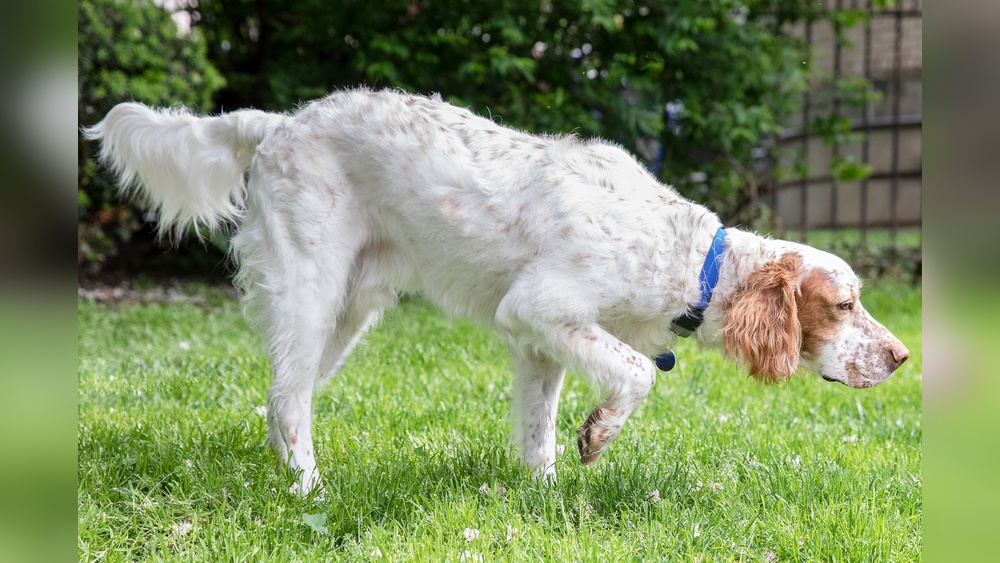
Have you ever noticed a dog suddenly freeze, nose lifted, tail straight, as if it’s locked onto something invisible? That’s called “pointing,” a fascinating behavior that certain dog breeds naturally do.
If you’re curious about which breeds have this unique skill and why they do it, you’re in the right place. Understanding these dogs can change the way you see your furry friend and deepen your bond. Keep reading to discover the breeds that point and what makes them so special.
Origins Of Pointing Behavior
Pointing behavior in dogs is a fascinating trait seen in certain breeds. It helps hunters locate game by having the dog stop and point its nose toward the prey. This action signals hunters where to find birds or other animals. The origins of this behavior trace back hundreds of years.
Dogs began pointing as humans trained them to assist in hunting. The skill became valuable in Europe during the 17th and 18th centuries. Hunters needed dogs that could silently indicate where birds rested without chasing them. This improved hunting success and efficiency.
Pointing is partly instinctive and partly learned. Some dog breeds naturally show this behavior. Others develop it through training and breeding. Over time, pointing breeds were carefully selected for this trait.
Early History Of Pointing Dogs
Pointing dogs appeared in Europe, especially in Spain, France, and England. Hunters bred dogs that could find birds and hold a steady point. These dogs helped track game across fields and forests. Their calm and focused nature made them excellent companions for hunting.
How Pointing Behavior Developed
Pointing behavior likely evolved from natural hunting instincts. Dogs that froze when spotting prey had better hunting success. Humans encouraged this trait by breeding dogs that pointed well. Training helped dogs learn to stay still and alert. This created reliable hunting partners.
Role Of Selective Breeding
Selective breeding shaped pointing breeds over centuries. Breeders chose dogs with strong pointing instincts. They bred these dogs to enhance focus and obedience. This ensured puppies inherited the pointing skill. Today’s pointing breeds carry this legacy clearly.
Credit: a-z-animals.com
Top Pointing Dog Breeds
Pointing dog breeds are famous for their hunting skills. They use a special stance called “pointing” to show where prey hides. These dogs have sharp noses and quick reactions. They work well in fields and woods. Their loyalty and energy make them great companions. Here are some top pointing dog breeds you should know.
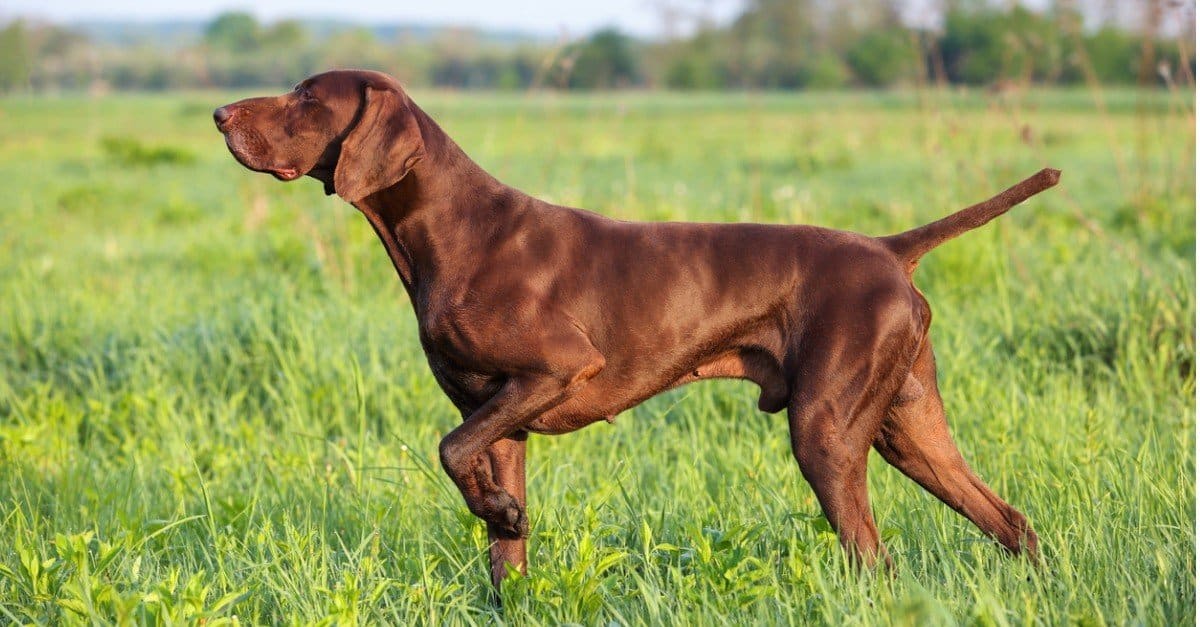
German Shorthaired Pointer
The German Shorthaired Pointer is strong and fast. It has a short, dense coat that repels water. This breed works well in all types of terrain. It points with style and is easy to train. Its friendly nature makes it a good family dog too.
English Setter
English Setters have beautiful spotted coats. They move gracefully and cover ground quickly. Their pointing is steady and clear. These dogs have a gentle temperament and enjoy being around people. They are patient and great for beginners.
Brittany Spaniel
The Brittany Spaniel is smaller but very agile. It points with excitement and energy. This breed loves to run and explore outdoors. They are smart and respond well to commands. Their cheerful attitude wins many hearts.
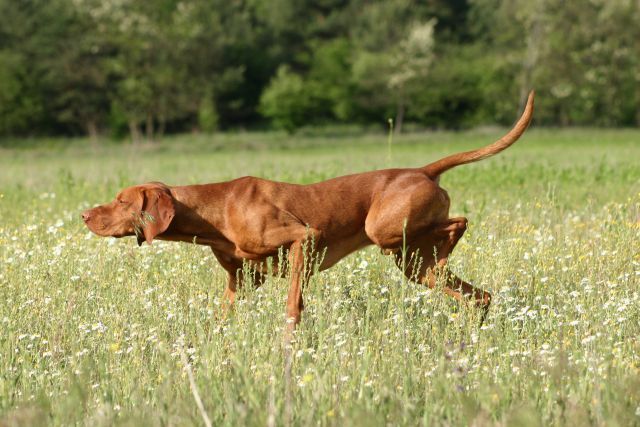
Vizsla
Vizslas are sleek and muscular dogs. They have short coats and rust-colored fur. This breed points quietly and with focus. They form strong bonds with their owners. Their stamina and speed suit active lifestyles.
Wirehaired Pointing Griffon
The Wirehaired Pointing Griffon has a rough, thick coat. It works well in wet and cold conditions. This breed points with confidence and skill. They are loyal and enjoy family life. Their calm nature fits well with children.
How Pointing Instincts Work
Pointing instincts in dogs are natural behaviors that help hunters find game. These instincts guide dogs to locate and indicate the presence of birds or small animals. The process involves body signals, scent tracking, and hunting skills. Each part plays a role in how pointing breeds work efficiently in the field.
Body Language Signals
Dogs use clear body signals to point out game. They stand still and stretch one paw forward. Their tail often remains stiff and straight. The dog’s head and eyes focus on the target. This silent signal tells the hunter where to look. It is a trained but natural behavior in pointing breeds.
Scent Detection Skills
Pointing dogs have a strong sense of smell. They detect scents carried by the wind from distant animals. Their noses pick up faint odors that humans cannot notice. This scent guides them to the exact location of the game. These dogs often work close to the hunter to keep the scent trail alive.
Hunting And Tracking
Hunting with pointing dogs requires patience and skill. The dog moves slowly, scanning the area for signs. Once it senses game, the dog freezes and points. This alerts the hunter to prepare for a shot. The dog may also track wounded animals after the shot. These tracking skills come from their natural hunting instincts.
Credit: en.wikipedia.org
Training Pointing Dogs
Training pointing dogs requires patience and clear methods. These dogs have strong natural instincts. Training helps them control their behavior and follow commands. It also builds a strong bond between you and your dog. Starting early is important to guide their energy and focus.
Early Training Tips
Begin training your pointing dog as a young puppy. Use short sessions to hold their attention. Teach basic commands like “sit,” “stay,” and “come.” Use gentle praise to encourage good behavior. Avoid harsh punishment, which can cause fear. Consistency is key in early training stages.
Encouraging Natural Instincts
Pointing dogs have a natural talent for hunting and pointing. Let them practice these skills safely. Use toys or scent trails to engage their instincts. Reward them when they show correct pointing behavior. This keeps training fun and motivates your dog. Balance instinct work with obedience training for best results.
Common Training Challenges
Pointing dogs can be easily distracted by scents and sights. They may ignore commands when excited. Some dogs show stubborn behavior during training. Stay patient and calm to handle setbacks. Use clear, simple commands to reduce confusion. Regular practice helps overcome most challenges.
Pointing Dogs As Family Pets
Pointing dogs make great family pets. They are known for their intelligence and loyalty. These dogs enjoy being part of family activities and can bond well with all members. Their hunting background gives them unique traits that can fit well in a home environment.
Temperament And Personality
Pointing dogs are friendly and alert. They often show calm behavior inside the house. They like to please their owners and learn quickly. These dogs can be gentle and protective. They may need early socialization to avoid shyness. Their natural curiosity keeps them active and interested.
Exercise Needs
These dogs have high energy levels. They require daily exercise to stay healthy. Long walks, playtime, and running help them stay fit. Without enough activity, they may become restless or bored. Engaging games keep their minds sharp and bodies strong. Exercise also prevents unwanted behaviors like chewing or digging.
Compatibility With Children
Pointing dogs are usually good with kids. They can be patient and gentle during play. Teaching children how to respect the dog is important. These dogs enjoy family time and protect their young friends. Supervision is needed with very young children. With care, they form strong bonds with kids.
Health Issues In Pointing Breeds
Pointing breeds are popular for their hunting skills and friendly nature. They have unique health needs that owners should understand. Knowing common health problems helps keep these dogs happy and strong. Proper care improves their quality of life and prevents serious issues.
Common Genetic Conditions
Pointing breeds often face certain inherited health problems. Hip dysplasia is common and affects their movement. Eye diseases like progressive retinal atrophy can cause vision loss. Some breeds may develop epilepsy or thyroid problems. Early diagnosis of these conditions is very important.
Preventive Care
Regular vet visits help catch health problems early. Vaccinations and parasite control keep dogs safe from infections. Healthy food supports their immune system and energy. Exercise maintains their muscle strength and weight. Grooming prevents skin infections and keeps their coat healthy.
Lifespan And Wellness
Most pointing breeds live about 10 to 14 years. A balanced diet and daily exercise increase their lifespan. Mental stimulation is important for their happiness. Stress reduction and a calm environment improve wellness. Routine health checks help detect problems early.

Credit: www.akc.org
Frequently Asked Questions
Which Dog Breeds Are Known For Pointing?
Pointer, German Shorthaired Pointer, English Setter, and Vizsla are well-known pointing breeds. These dogs instinctively raise one paw and aim their nose toward game, helping hunters locate prey.
Why Do Some Dogs Naturally Point?
Pointing is an instinctive hunting behavior where dogs freeze and indicate prey location. This trait evolved for efficient hunting and is common in certain sporting breeds.
How Can I Train My Dog To Point?
Use positive reinforcement, consistent commands, and exposure to birds or scents. Start training early to develop your dog’s natural pointing instincts effectively.
Are Pointing Breeds Good Family Pets?
Yes, pointing breeds are loyal, energetic, and intelligent. They require regular exercise and mental stimulation, making them great companions for active families.
Conclusion
Pointing dog breeds show strong hunting instincts and focus. They use their bodies to signal where prey hides. These dogs make great partners for hunters and active families. Their calm and loyal nature suits many homes. Knowing which breeds point helps you choose the right dog.
Each breed has unique traits and needs to consider. Choose a dog that fits your lifestyle and space. Pointing dogs bring joy and companionship to many owners. They offer more than just hunting skills. A well-trained pointing dog becomes a loving family member.


