

Are you thinking about bringing a dog into your life but worried about safety? Understanding which dog breeds tend to show aggressive behavior can help you make a smart choice.
Knowing the most aggressive dog breeds isn’t about fear—it’s about being prepared and responsible. You’ll discover which breeds have a reputation for aggression and why. By the end, you’ll feel more confident in choosing a dog that fits your lifestyle and keeps your home safe.
Keep reading to find out what you need to know before making this important decision.
Traits Of Aggressive Dogs
Aggressive dogs show certain traits that help identify their behavior early. These traits often appear in how they react to people, other animals, and new situations. Understanding these signs is important for safety and care. Recognizing aggression helps prevent accidents and ensures better training.
Common Aggression Triggers
Many aggressive dogs react to fear or threats. Loud noises, sudden movements, and strangers can trigger aggression. Some dogs become aggressive when protecting their food or territory. Pain or illness also causes aggression. Knowing these triggers helps owners manage and avoid problems.
Behavior Patterns To Watch
Aggressive dogs may growl, snap, or show teeth. Stiff body posture and raised fur are warning signs. Some dogs bark loudly or lunge forward. Avoiding eye contact or freezing can also signal tension. Early recognition of these patterns helps prevent bites or fights.
Genetic Vs Environmental Factors
Aggression can come from both genes and environment. Some breeds have a higher chance of aggression due to genetics. But poor training, abuse, or neglect also increase aggressive behavior. Socialization and positive experiences can reduce aggression. Both nature and nurture shape a dog’s behavior.
Credit: www.goldendailyscoop.com
Top Aggressive Dog Breeds
Some dog breeds are known for their strong protective instincts and bold behavior. These traits can sometimes make them appear aggressive. Understanding these breeds helps owners manage their dogs better. It also helps others stay safe around them. Here are some of the top aggressive dog breeds.
Pit Bull Terrier
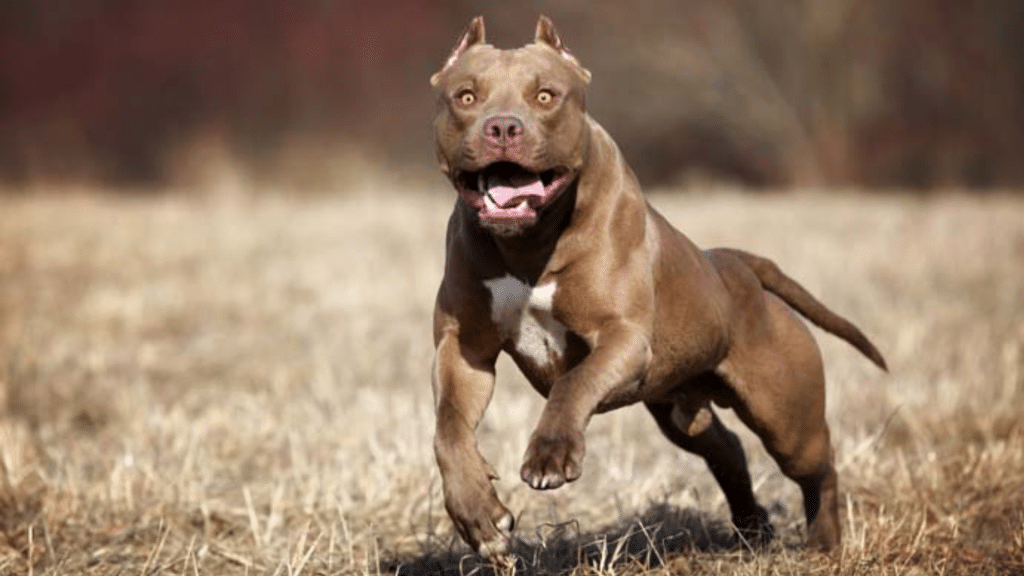
Pit Bull Terriers are strong and muscular dogs. They have a powerful bite and great stamina. Their loyalty is high, but they can be very protective. Without proper training, they may show aggression towards strangers. Early socialization is important to keep them calm.
Rottweiler
Rottweilers are large and confident dogs. They are natural protectors of their home and family. Their strength and alertness make them good guard dogs. They need firm training and clear rules. Without guidance, they might become aggressive towards unknown people.
German Shepherd
German Shepherds are smart and energetic. They serve in police and military roles worldwide. Their protective nature can lead to aggressive behavior if not managed. Training and socialization help them stay friendly. They respond well to consistent leadership.
Doberman Pinscher
Dobermans are sleek and fast dogs. They are known for their loyalty and intelligence. Their protective instincts are strong and clear. Without proper care, they may act aggressively to threats. They need mental challenges and social interaction daily.
Chow Chow
Chow Chows have a unique look and strong personality. They tend to be independent and sometimes stubborn. They can be wary of strangers. Early socializing helps reduce their aggressive tendencies. They are best with experienced dog owners.
Why Some Breeds Are More Aggressive
Some dog breeds show more aggressive behavior than others. This does not mean they are bad dogs. Their aggression often comes from how they were bred and raised. Understanding why some breeds tend to be more aggressive helps owners handle them better.
Historical Roles And Breeding
Many aggressive breeds were bred for protection or hunting. Dogs used to guard homes or hunt dangerous animals needed to be tough. Breeders chose dogs with strong, bold traits. These traits passed down through generations. The history of a breed shapes its natural behavior.
Temperament And Instincts
Every dog has instincts that guide its actions. Some breeds have stronger guarding or chasing instincts. These instincts can make them act aggressively. Temperament is partly genetic and affects how dogs react to threats. Understanding these natural instincts helps explain aggressive behavior.
Impact Of Training And Socialization
Training plays a big role in a dog’s behavior. Well-trained dogs learn to control aggressive urges. Socialization helps dogs get used to people and other animals. Dogs without proper training may act out their instincts more. Early socialization reduces fear and aggression in dogs.
Credit: www.newsweek.com
Managing Aggression In Dogs
Aggression in dogs can cause serious problems for owners and families. Managing it early helps keep dogs calm and safe. Understanding ways to control aggressive behavior is important for all dog owners.
Training and socializing dogs from a young age can reduce many risks. Consistent care and attention improve a dog’s attitude and behavior. This section explains key methods to manage aggression effectively.
Early Socialization Techniques
Start socializing puppies as soon as possible. Introduce them to different people, animals, and environments. This helps dogs feel comfortable and less fearful. Fear often leads to aggression. Positive experiences during early weeks build confidence. Use gentle handling and rewards for good behavior. Avoid forcing dogs into scary situations. Let them explore at their own pace. Early socialization makes dogs more friendly and less defensive.
Behavioral Training Methods
Training teaches dogs how to behave properly. Use clear commands and consistent rules. Reward calm and obedient actions with treats or praise. Avoid punishment, which can increase fear and aggression. Teach dogs to focus and respond to your voice. Exercises like “sit,” “stay,” and “leave it” help control impulses. Regular practice strengthens good habits. Training sessions should be short and positive. This builds trust and reduces aggressive reactions.
When To Seek Professional Help
Some aggressive behaviors need expert attention. Signs include biting, growling, or lunging without clear reason. Professional trainers or behaviorists can assess and guide treatment. They use safe techniques to change harmful habits. Early intervention prevents problems from worsening. Don’t wait if aggression is dangerous. Professionals help keep both dogs and people safe.
Safety Tips For Handling Fierce Dogs
Handling fierce dogs requires caution and respect. Safety is key for everyone involved. Understanding how to act helps reduce risks. Follow these safety tips to handle aggressive dogs calmly and smartly.
Recognizing Warning Signs
Watch for growling, snarling, or baring teeth. Raised hackles and stiff body posture show tension. Avoid direct eye contact, which can provoke them. Signs like lunging or snapping signal danger. Early recognition helps prevent escalation quickly.
Appropriate Interaction Strategies
Stay calm and move slowly around fierce dogs. Speak softly to avoid startling them. Do not reach over their head or touch suddenly. Offer your hand for sniffing, but only if the dog seems calm. Keep a safe distance and respect their space.
Preventing Aggressive Incidents
Never approach an aggressive dog alone. Use barriers like gates or leashes for control. Avoid sudden movements or loud noises near the dog. Train dogs with positive reinforcement to reduce aggression. Always supervise interactions between dogs and strangers.
Myths About Aggressive Dog Breeds
Many people think some dog breeds are naturally aggressive. This belief often causes unfair fear and misunderstanding. It is important to separate facts from myths. Aggression in dogs depends on many things, not just their breed.
Debunking Breed Stereotypes
Not all dogs of a certain breed act the same way. Aggression is not linked to breed alone. Dogs from any breed can be friendly or aggressive. Behavior depends more on training and environment than genetics.
Labeling a breed as aggressive can hurt dogs and owners. It may lead to unfair bans or mistreatment. Each dog should be judged by its own behavior.
The Role Of Owner Responsibility
Owners shape how their dogs behave. Proper training and socialization reduce aggression. Neglect or abuse can make any dog act out. Responsible care is key to a well-behaved pet.
Owners must understand their dog’s needs and signals. Positive attention helps dogs feel safe and calm. This lowers the chance of aggressive actions.
Influence Of Media On Public Perception
News and movies often show certain breeds as dangerous. This creates fear and false ideas. Media rarely tells the whole story behind dog attacks.
One bad incident can ruin a breed’s reputation. People may avoid or harm these dogs unfairly. Balanced information helps change these views.

Credit: dogbreedtype.com
Frequently Asked Questions
What Defines An Aggressive Dog Breed?
Aggressive dog breeds show higher tendencies toward protective or defensive behavior. Genetics, training, and environment influence aggression levels. Proper socialization reduces aggressive traits.
Which Breeds Are Considered Most Aggressive?
Breeds like Pit Bulls, Rottweilers, German Shepherds, and Dobermans often top aggressive breed lists. Aggression varies by individual dog.
Can Aggressive Behavior Be Controlled Or Trained?
Yes, consistent training and early socialization help manage aggression. Professional obedience training improves behavior and reduces risks.
Are Aggressive Breeds Suitable For Families?
Aggressive breeds can be family-friendly with proper training. Supervision and understanding breed traits ensure safety for all members.
Conclusion
Aggressive dog breeds need careful handling and training. Owners should learn about each breed’s traits well. Good care and socialization reduce risks of aggression. Every dog is unique and can change with love. Respect and patience help build trust with dogs.
Choose a dog that fits your lifestyle and home. Safety matters for both dogs and people. Understanding breeds helps create better relationships and safer environments.


