

Are you thinking about adding a terrier to your family but worried about allergies? You’re not alone.
Many people wonder if all terrier breeds are truly hypoallergenic and safe for those sensitive to pet dander. Choosing the right dog can be a big decision, especially when your health is on the line. You’ll discover the facts about terrier breeds and allergies, helping you find the perfect furry friend without the sneezes and sniffles.
Keep reading to learn what you need to know before bringing a terrier into your home.
Terrier Traits And Allergies
Terriers are a popular group of dogs known for their lively spirit and strong personality. Their traits can affect how they interact with people, including those with allergies.
Not all terrier breeds are the same when it comes to causing allergic reactions. Knowing their traits helps to understand why some may be better for allergy sufferers.
Common Terrier Characteristics
Terriers are small to medium-sized dogs. They have a dense, wiry coat that sheds less than many other dogs. This coat type can trap dander, which might reduce allergens in the air.
They are very active and require regular grooming. Grooming helps to control loose hair and dander, lowering allergy risks. However, some terriers shed more than others.
Terriers often have a strong prey drive. This means they are energetic and need exercise. Their energy level does not affect allergies but is important for owner lifestyle.
What Causes Dog Allergies?
Dog allergies usually come from proteins in skin flakes, saliva, and urine. These proteins stick to fur and dander, spreading allergens around the home.
Shedding spreads dander more easily. Dogs that shed less tend to cause fewer allergy problems. Still, no dog is completely hypoallergenic.
Regular cleaning and grooming reduce allergens significantly. Washing bedding and vacuuming often help allergy sufferers live comfortably with dogs.
:strip_icc()/GettyImages-155368806-b067f56589d24c65b61d0ad0b9854e74.jpg)
Credit: www.thesprucepets.com
Hypoallergenic Misconceptions
Many people believe all terrier breeds are hypoallergenic. This idea spreads widely but does not tell the full story. Understanding why this is a misconception helps set clear expectations for dog owners.
Hypoallergenic means less likely to cause allergies. No dog breed is completely allergy-free. Allergic reactions depend on more than just breed type.
Myth Vs Reality
Myth: All terriers are safe for allergy sufferers. Reality: Allergies come from proteins in dog saliva, skin, and fur. Terrier breeds shed less hair, but they still produce allergens.
Some terriers may cause fewer allergy problems. Others can trigger reactions easily. It varies by individual dog and person.
Factors Affecting Allergen Levels
Shedding amount influences allergen spread. Less shedding can reduce allergens but not remove them. Regular grooming helps control allergen levels.
Dog size and activity also matter. Bigger dogs or very active ones release more allergens. Clean homes and air filters further reduce allergens around dogs.
Terrier Breeds Often Considered Hypoallergenic
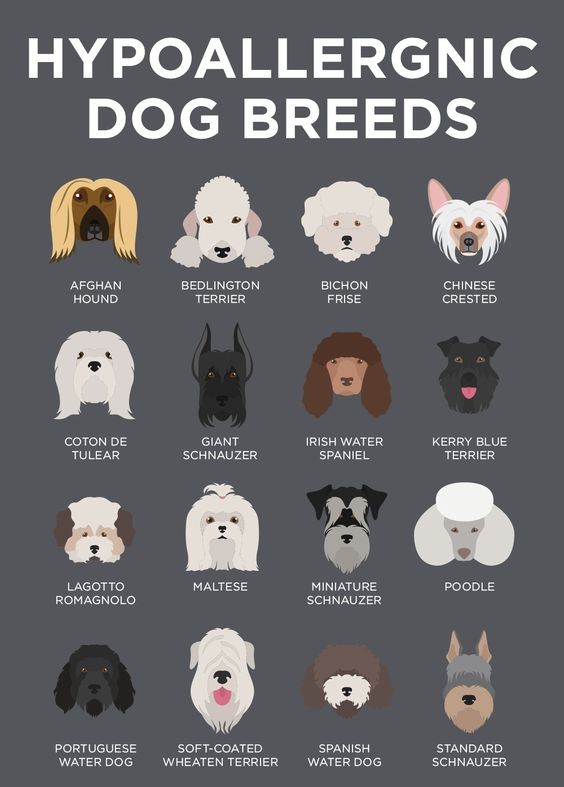
Many terrier breeds are known for their low shedding coats. This trait helps reduce allergens in the home. People with allergies often prefer these breeds. They still need regular grooming to keep allergens down. Below are some terriers often called hypoallergenic.
Bedlington Terrier
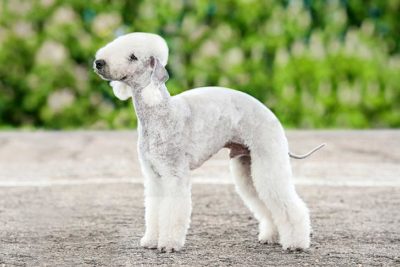
The Bedlington Terrier has a unique curly coat. It sheds very little. This helps limit dander, a common allergen. Their coat feels soft and woolly. Regular brushing keeps it clean and healthy. This breed is gentle and good with families.
Soft Coated Wheaten Terrier
Soft Coated Wheaten Terriers have silky, wavy fur. Their coat does not shed much. This reduces the spread of allergens in the air. They need weekly brushing to prevent mats. This breed is friendly and active, making a great pet.
Irish Terrier
Irish Terriers have a dense, wiry coat. Their fur sheds minimally, which helps allergy sufferers. Regular grooming is needed to keep the coat healthy. This breed is loyal and brave. They make good watchdogs and companions.
Credit: suburban-k9.com
Terrier Breeds Less Suitable For Allergy Sufferers
Not all terrier breeds suit allergy sufferers well. Some terriers shed more and produce more dander. This can trigger allergies in sensitive people. Knowing which terriers are less suitable helps avoid discomfort.
These breeds often have short, dense coats. They tend to shed hair and skin flakes regularly. This increases the chance of allergic reactions for many individuals.
Bull Terrier
Bull Terriers have short, smooth coats that shed quite a bit. Their shedding releases dander into the air. This can worsen symptoms for allergy sufferers. They need regular grooming to reduce loose hair and dander.
Jack Russell Terrier
Jack Russell Terriers have dense fur with a rough or smooth texture. They shed moderately throughout the year. Their shedding can spread allergens around the home. Allergy sufferers may find it hard to live with this breed.
Fox Terrier
Fox Terriers have a wiry coat but still shed hair and dander. Their shedding can cause irritation for people with allergies. Brushing often helps, but it does not eliminate allergens completely.
Managing Allergies Around Terriers
Managing allergies around terriers requires careful attention to reduce allergens. These dogs shed dander and hair that can trigger allergies. Proper care helps keep your home comfortable for everyone.
Grooming Tips To Reduce Allergens
Regular grooming limits the amount of loose hair and dander. Brush your terrier daily using a soft-bristle brush. Bathe your dog once a month with a gentle, hypoallergenic shampoo. Trim their nails and clean ears to avoid extra irritants. Grooming outside can prevent allergens from spreading indoors.
Home Cleaning Strategies
Clean floors and furniture often with a vacuum made for pet hair. Wash your dog’s bedding weekly in hot water. Use air purifiers to reduce airborne allergens. Keep windows open to improve ventilation. Avoid carpets if possible, as they trap dander and dust. Regular dusting helps remove allergens from surfaces.
Allergy Testing And Precautions
Consult a doctor for allergy testing before getting a terrier. Identify specific allergens to manage symptoms better. Use allergy medications as prescribed to stay comfortable. Limit your dog’s access to bedrooms or certain rooms. Wash your hands after touching your terrier. These steps reduce allergic reactions and improve life quality.
Credit: www.akc.org
Frequently Asked Questions
Are All Terrier Breeds Hypoallergenic Dogs?
Not all terrier breeds are hypoallergenic. Some shed less and produce fewer allergens, but many terriers still cause allergies. Breeds like the Soft Coated Wheaten Terrier are better for allergy sufferers.
Which Terrier Breeds Are Best For Allergies?
Breeds like the Bedlington Terrier and Kerry Blue Terrier are known to be more hypoallergenic. They have hair that sheds less, reducing allergen spread. However, individual reactions can vary.
Do Terriers Shed Less Than Other Dog Breeds?
Many terrier breeds shed less due to their hair type. This can help reduce allergens in the home. However, shedding varies between terrier breeds and individual dogs.
Can Terriers Cause Allergic Reactions?
Yes, terriers can cause allergic reactions. Allergies depend on dander, saliva, and urine proteins. Even low-shedding terriers may trigger symptoms in sensitive individuals.
Conclusion
Not all terrier breeds are hypoallergenic. Some shed more than others. Allergies depend on the dog’s coat and dander. Choosing a terrier means researching each breed well. Spending time with the dog helps test allergies. Regular grooming can reduce allergens in the home.
Remember, no dog breed is 100% allergy-free. Finding the right terrier requires patience and care. Your health and comfort come first when choosing a pet.


