Are you tired of constant shedding and endless vacuuming? If you love dogs but want a cleaner home, understanding which dog breeds have hair instead of fur could change everything for you.
Hair grows differently than fur, meaning less mess and often fewer allergies. Curious to find out which breeds might be the perfect fit for your lifestyle? Keep reading, because discovering these special dogs could make your life easier and your bond with your pet even stronger.
Hair Vs Fur In Dogs
Dogs have two main types of coverings: hair and fur. Many people think hair and fur are the same. They are not. Knowing the difference helps in choosing the right dog for your home. It also helps with care and grooming.
Key Differences
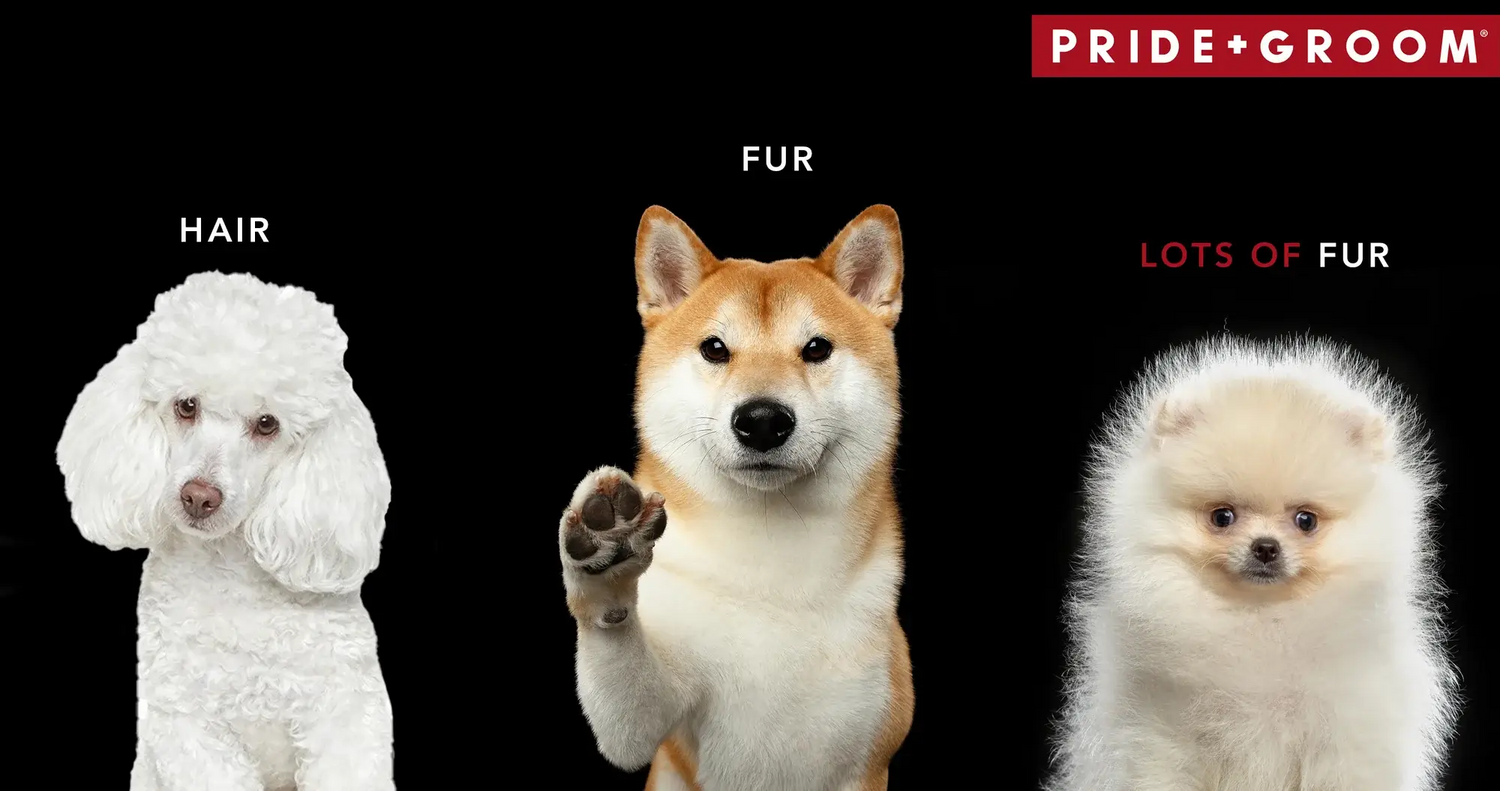
Hair grows longer and falls out less often than fur. Fur is shorter and thicker. Fur sheds in big amounts during certain seasons. Hair grows continuously like human hair. Dogs with hair need regular trimming. Fur keeps dogs warm in cold weather. Hair does not offer as much insulation. Hair feels softer and silkier than fur.
Impact On Allergies
Dogs with hair often cause fewer allergies. Hair traps dander better, so less spreads in the air. Fur sheds dander more freely. Dander is the main cause of dog allergies. People sensitive to pets may prefer dogs with hair. Cleaning is easier with hair dogs. Less shedding means less allergy-triggering dust. Still, no dog is 100% hypoallergenic. Allergies vary for each person. Testing time with a dog is important before adopting.
Benefits Of Hair-coated Dogs
Dogs with hair instead of fur offer several unique benefits. Their coats behave differently, making them a great choice for many people. Hair-coated dogs often suit those who want less mess and fewer allergies. Understanding these benefits helps in choosing the right pet for your home.
Reduced Shedding
Hair coats shed less than fur coats. This means fewer hairs on clothes and furniture. Hair grows continuously, similar to human hair. It falls out slowly, so you see less loose hair around. This trait makes cleaning easier and keeps homes tidier. People who dislike constant vacuuming often prefer hair-coated dogs.
Hypoallergenic Qualities
Hair-coated dogs produce fewer allergens. They shed less dander, which triggers allergies. Many allergy sufferers find these dogs easier to live with. No dog is completely allergen-free. Still, hair coats reduce allergy symptoms for many. This makes them a better fit for sensitive individuals and families.
Top Hair-coated Dog Breeds
Hair-coated dog breeds offer a unique charm and require special care. Their hair grows continuously, much like human hair. This means less shedding but more grooming. These breeds often suit people with mild allergies. Here are some popular hair-coated dogs that many love for their friendly nature and easy adaptability.
Poodle
Poodles come in three sizes: standard, miniature, and toy. Their curly hair does not shed much. Regular grooming keeps their coat healthy. Poodles are smart and easy to train. They fit well in families and apartments.
Maltese
Maltese dogs have long, silky white hair. Their hair grows nonstop and needs daily brushing. They are gentle and playful companions. Maltese dogs enjoy indoor living and close attention.
Shih Tzu
Shih Tzus have thick, flowing hair. Their hair needs regular trimming and brushing. They are friendly and good with children. Shih Tzus love being around people and staying indoors.
Bichon Frise
Bichon Frises have soft, curly hair. Their coat requires regular grooming to avoid mats. They are cheerful and social dogs. Bichons get along well with other pets and kids.
Schnauzer
Schnauzers have a wiry, dense coat of hair. They need regular trimming and brushing. Schnauzers are alert and make good watchdogs. They enjoy active play and family time.
Credit: prideandgroom.com
Care Tips For Hair Dogs
Dogs with hair need special care different from furred dogs. Their hair grows continuously, like human hair. This means regular grooming and skin care are important. Proper care keeps them healthy and looking good.
Grooming Needs
Hair dogs require frequent brushing to avoid tangles. Use a slicker brush or comb made for hair coats. Brush at least three times a week. Bath your dog every 3 to 4 weeks. Use gentle, dog-specific shampoo to keep hair soft. Trim hair regularly to prevent matting and keep your dog comfortable.
Skin And Coat Health
Check your dog’s skin for redness or dryness often. Hair dogs can have sensitive skin that needs moisture. Use conditioners or oils made for dogs after baths. Feed a balanced diet rich in omega fatty acids. This supports shiny hair and healthy skin. Keep your dog hydrated and avoid harsh chemicals on their coat.
Choosing The Right Hair Dog
Choosing the right dog with hair instead of fur means thinking about more than looks. These dogs often need special care and attention. Understanding their needs helps you pick a dog that fits your life well. Hair dogs can be great for people with allergies or those who want less shedding. Knowing what to expect makes living with these dogs easier and more fun.
Lifestyle Considerations
Hair dogs need regular grooming to keep their coat healthy. Brushing several times a week stops tangles and mats. Some breeds need professional grooming every few weeks. These dogs may shed less, but they still lose some hair. Exercise needs vary by breed. Some hair dogs are active and need daily walks. Others prefer calm, quiet time. Think about your daily schedule before choosing a hair dog. Your home size also matters. Bigger breeds need more space to move around. Small apartments suit smaller hair dogs better.
Allergy Management
Dogs with hair often cause fewer allergy problems. Their hair grows slowly and sheds less than fur. This means fewer allergens spread in your home. Still, no dog is completely hypoallergenic. Regular baths and grooming reduce dander and allergens. Use air purifiers and clean floors to help. Wash your hands after petting your dog. Spending time with the breed before buying helps check allergies. Allergy-friendly dogs can make pet ownership easier for sensitive people.

Credit: kingkanine.com

Credit: kingkanine.com
Frequently Asked Questions
What Dog Breeds Have Hair Instead Of Fur?
Breeds like Poodles, Maltese, and Shih Tzus have hair instead of fur. Hair grows continuously and sheds less. These breeds are often hypoallergenic and require regular grooming to prevent matting.
Why Do Some Dogs Have Hair, Not Fur?
Hair and fur differ in growth cycles and texture. Hair grows longer and sheds less. Genetics determine whether a dog has hair or fur. Hair coats often mean less dander and allergens.
Are Hair-coated Dogs Better For Allergy Sufferers?
Yes, dogs with hair tend to shed less dander. This reduces allergens in the environment. However, no dog is completely hypoallergenic. Regular grooming also helps manage allergies.
How To Groom Dogs With Hair Coats?
Hair-coated dogs need frequent brushing to prevent tangles. Regular trims keep hair manageable and clean. Professional grooming every 6-8 weeks is often recommended. Proper care keeps their coat healthy and shiny.
Conclusion
Dogs with hair instead of fur need special care. Their coats grow continuously and may require regular trimming. These breeds often shed less, making them good for some allergy sufferers. Knowing which dogs have hair helps you choose the right pet.
Each breed has unique traits and grooming needs. Understanding these differences keeps your dog healthy and happy. Choose a breed that fits your lifestyle and care abilities. Hair coats offer variety and charm to many dog lovers.