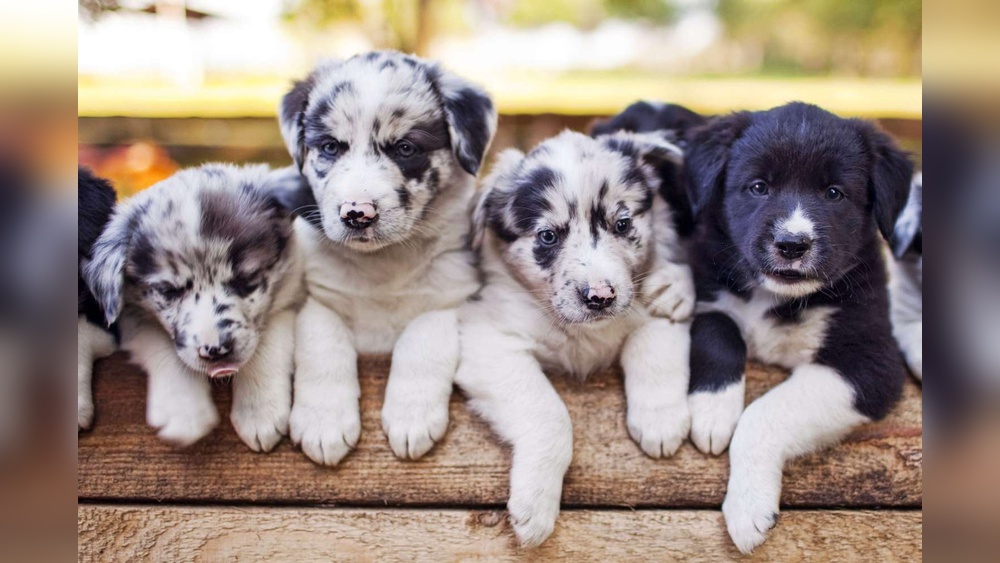
Are you tired of dog hair all over your clothes and furniture? You’re not alone.
If you love dogs but hate the constant shedding, you’ve probably wondered if there’s a breed that won’t leave fur everywhere. The good news is, some dog breeds shed very little or not at all. Knowing which ones can save you time cleaning and keep your home looking neat.
You’ll discover the best dog breeds that don’t shed, making it easier for you to enjoy a furry friend without the mess. Keep reading to find the perfect low-shedding companion for your lifestyle.

Credit: www.cruceroclick.com
Why Shedding Matters
Shedding is a natural process where dogs lose old or damaged hair. It affects many parts of daily life. Some people find shedding a big challenge. Knowing why shedding matters helps choose the right dog breed. It also helps manage expectations about pet care.
Impact On Allergies
Shedding releases tiny hair and dander into the air. These particles can trigger allergies in sensitive people. Dogs that shed less often cause fewer allergy problems. Choosing a low-shedding breed can improve comfort for allergy sufferers. It creates a healthier home environment for everyone.
Home Cleanliness
Shedding dogs leave hair on floors, furniture, and clothes. This hair can build up quickly and look messy. Cleaning takes more time and effort with heavy shedders. Low-shedding dogs help keep the home cleaner. Less hair means less vacuuming and dusting every day.
Pet Grooming Needs
Shedding affects how often you must groom your dog. Dogs that shed a lot need more brushing and bathing. This helps remove loose hair and keeps skin healthy. Low-shedding breeds usually require less grooming time. They can be easier to care for in busy homes.
Low-shedding Dog Breeds
Low-shedding dog breeds are perfect for people who want less fur around the house. These dogs lose very little hair compared to other breeds. They help keep your home cleaner and reduce allergies. Many breeds in this group have unique coats that hold their hair tight.
These dogs often need regular grooming to keep their fur healthy. Their coats may curl, be silky, or wiry. This makes shedding less noticeable. Choosing a low-shedding breed means less vacuuming and less worry about fur on clothes.
Poodle Varieties
Poodles come in three sizes: standard, miniature, and toy. All sizes shed very little. Their curly coats trap loose hair. Poodles need regular grooming to prevent mats and tangles. They are smart and easy to train.
Bichon Frise
The Bichon Frise has a soft, curly coat that sheds minimally. This breed is playful and friendly. Regular brushing keeps their coat fluffy and clean. Bichons are great for allergy sufferers.
Portuguese Water Dog
Portuguese Water Dogs have curly or wavy coats that shed very little. They love water and are very active. Their fur needs regular brushing to stay healthy. This breed is loyal and loving.
Maltese
Maltese dogs have long, silky hair that sheds very little. Their coat needs daily brushing to avoid tangles. They are gentle and good with families. Maltese dogs are small and easy to carry.
Schnauzer
Schnauzers come in mini, standard, and giant sizes. Their wiry coats shed very little. They require regular grooming to keep the coat neat. Schnauzers are alert and make good watchdogs.
Shih Tzu
Shih Tzus have long, flowing coats that shed very little. Their fur needs daily brushing. These dogs are friendly and love attention. Shih Tzus fit well in apartments.
Basenji
Basenjis have short, fine coats that shed very little. They are known as “barkless” dogs. Basenjis are clean and have unique grooming habits. They are active and curious pets.
Yorkshire Terrier
Yorkshire Terriers have silky, fine hair that sheds minimally. Their coat grows like human hair. Regular grooming is necessary to keep it smooth. Yorkies are brave and full of energy.
Traits Of Low-shedding Dogs
Low-shedding dogs have special traits that make them great for people with allergies or those who want less mess. Their coats, grooming needs, size, and activity levels all play a role in how much they shed. Understanding these traits helps in choosing the right dog that fits your lifestyle and home.
Coat Types
Low-shedding dogs usually have curly or wiry coats. These coats trap loose hair, so it does not fall off easily. Some breeds have hair that grows continuously, like human hair. This type of coat needs regular trimming to stay neat. Smooth coats can also shed less if the dog has less undercoat. The coat type affects how often you need to groom your dog.
Grooming Requirements
Dogs that shed less need more grooming to keep their coats healthy. Brushing helps remove loose hair and prevents matting. Regular baths keep the coat clean and reduce dander. Some low-shedding breeds require professional grooming every few weeks. Grooming also helps spot skin problems early. A good grooming routine keeps both the dog and home cleaner.
Size And Activity Levels
Low-shedding dogs come in all sizes, from small to large. Smaller dogs often need less exercise but still enjoy playtime. Larger breeds may require more daily activity to stay healthy. Activity levels affect how much a dog sheds too. Active dogs might shed more due to wear and tear on their coats. Choosing a dog with the right size and energy helps with care and shedding control.
Credit: www.chewy.com
Choosing The Right Low-shedding Dog
Choosing the right low-shedding dog is key for a happy home. Some breeds shed very little, making them good for people who want less fur around. But not every low-shedding dog fits every person or family. Think about your daily life, home space, and needs before picking a dog.
Lifestyle Compatibility
Think about your daily routine. Active dogs need lots of exercise and playtime. Quiet dogs may prefer short walks and calm time. Some low-shedding breeds like the Basenji or Shih Tzu enjoy indoor life. Others like the Portuguese Water Dog need more outdoor activity. Match the dog’s energy with your lifestyle for a good fit.
Allergy Considerations
Low-shedding dogs often suit people with allergies. They drop less hair and dander, which can reduce allergic reactions. Still, no dog is 100% hypoallergenic. Spend time with the breed before deciding. This helps check if allergies get worse or stay mild. Some breeds like the Poodle or Bichon Frise are popular for sensitive noses.
Maintenance Commitment
Low-shedding dogs may need regular grooming. Their hair can grow long or curl tightly, needing trims and brushing. Neglecting grooming can cause mats and skin problems. Think about time and money for grooming. Choose a breed with care needs you can meet. This keeps your dog healthy and happy.
Care Tips For Low-shedding Dogs
Low-shedding dogs need special care to keep their coats healthy. Their fur may shed less, but grooming remains important. Good care helps avoid skin problems and keeps dogs comfortable.
Proper diet and exercise also support their overall health. Healthy dogs have better coats and less shedding. Follow these simple tips to care for low-shedding breeds well.
Regular Grooming
Brush your dog’s coat at least twice a week. This removes loose hair and prevents mats. Use a brush made for their fur type. Baths every month keep skin clean and fresh. Check ears and nails during grooming sessions. Clean ears and trimmed nails prevent infections and pain.
Diet And Health
Feed high-quality dog food rich in omega-3 and omega-6 fats. These nutrients improve coat shine and skin health. Fresh water should always be available. Regular vet visits catch health issues early. Healthy dogs shed less and feel better.
Exercise Needs
Exercise keeps dogs fit and happy. It reduces stress, which can cause shedding. Daily walks or playtime suit most low-shedding breeds. Tailor activity to your dog’s energy level. Active dogs have stronger immune systems and healthier coats.
:strip_icc()/GettyImages-1255950751-c0dcbc8706014ca8ad6373a1e9bae7ac.jpg)
Credit: www.thesprucepets.com
Frequently Asked Questions
Which Dog Breeds Shed The Least?
Breeds like Poodles, Bichon Frises, and Maltese shed very little. Their hair grows continuously and falls out minimally. These breeds suit allergy sufferers and those wanting less cleaning. Regular grooming keeps shedding under control.
Are Hypoallergenic Dogs Always Non-shedding?
Not always. Hypoallergenic dogs shed less dander, but some still shed hair. Non-shedding breeds typically have hair that grows instead of fur that falls out. Examples include Shih Tzus and Portuguese Water Dogs. Choose based on shedding and allergy needs.
Why Do Some Dogs Not Shed Much?
Non-shedding dogs have hair types that grow longer and don’t fall off easily. Their coats trap loose hair until grooming removes it. Genetics and coat structure determine shedding levels. These dogs need regular brushing to prevent mats and tangles.
Can Non-shedding Dogs Still Cause Allergies?
Yes, they can. Allergies are triggered by dander, saliva, and urine proteins. Non-shedding dogs produce less dander but don’t eliminate it entirely. Regular cleaning and grooming reduce allergens. Consult an allergist before choosing a dog.
Conclusion
Choosing a dog that does not shed much can make life easier. These breeds help keep your home cleaner and reduce allergies. Remember, every dog needs love and care, no matter the breed. Find the right fit for your family’s lifestyle and needs.
Enjoy the joy and friendship a low-shedding dog brings to your life. A happy dog means a happy home.