Have you ever wondered just how many dog breeds exist around the world? Whether you’re a dog lover, thinking about adding a furry friend to your family, or simply curious, knowing the variety of dog breeds can be fascinating.
From tiny lap dogs to giant working companions, the diversity is incredible. You’ll discover the exact number of dog breeds recognized globally and learn what makes each breed unique. Keep reading—you might find the perfect breed that matches your lifestyle or unlock surprising facts that change how you see man’s best friend.

Credit: www.youtube.com
Global Dog Breed Diversity
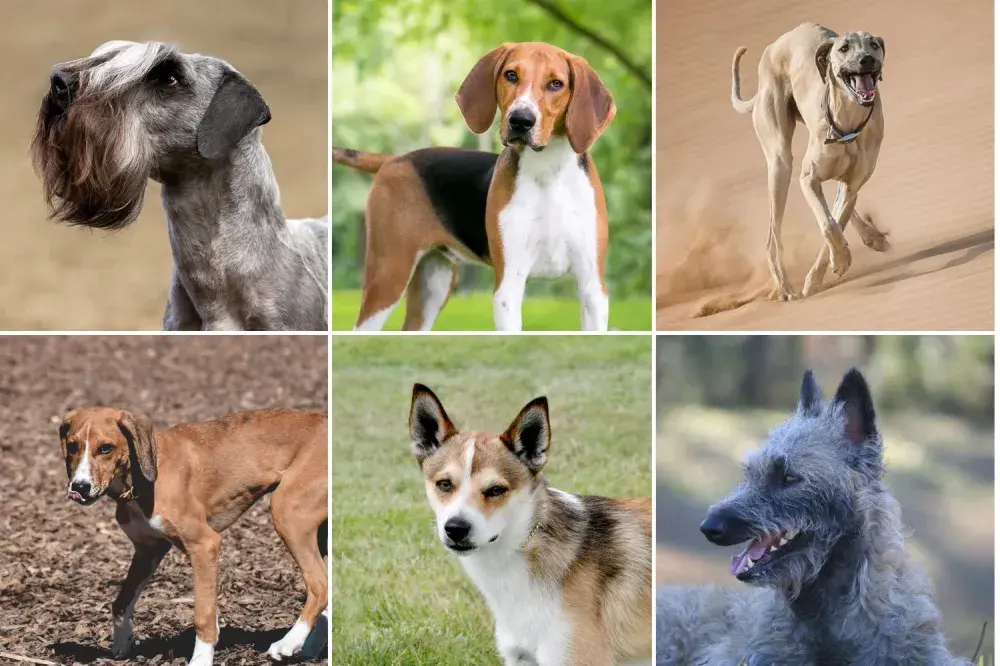
Dogs are found all over the world. They come in many shapes, sizes, and colors. Each breed has its own unique traits. These traits often reflect the place where the breed first developed.
The diversity of dog breeds shows how humans have shaped dogs. Breeds were created for different jobs. Some for hunting, some for guarding, and others for companionship. This variety makes dogs one of the most diverse animal species.
Number Of Recognized Dog Breeds
Worldwide, there are more than 340 recognized dog breeds. Different organizations list these breeds. The World Canine Organization (FCI) recognizes about 360 breeds. The American Kennel Club (AKC) lists around 200 breeds.
New breeds are still being developed. Breeders work to create dogs with special traits. This means the total number can change over time.
Breed Groups And Categories
Dog breeds are divided into groups. Groups are based on their original work or traits. Common groups include herding dogs, toy dogs, and working dogs.
Each group shares similar skills or features. For example, herding dogs are smart and fast. Toy dogs are small and friendly. Grouping helps people understand dog breeds better.
Regional Differences In Dog Breeds
Different regions have unique dog breeds. Some breeds are native to specific countries. For example, the Siberian Husky comes from Russia. The Basenji is from Central Africa.
Climate and culture influence how breeds develop. Dogs adapt to their environment. This leads to many special breeds around the world.
Credit: www.newsweek.com
Major Dog Breed Groups
Dog breeds are divided into groups based on their skills and history. Each group has unique traits and jobs. Understanding these groups helps to know more about dogs and their roles with humans.
These groups include working dogs, herding dogs, sporting dogs, toy breeds, non-sporting breeds, terriers, and hounds. Each group plays a special part in the dog world.
Working Dogs
Working dogs are strong and smart. They help with tasks like guarding, pulling sleds, and rescue. Breeds like the Siberian Husky and Boxer belong here. These dogs need lots of exercise and training.
Herding Dogs
Herding dogs control and move livestock. They are quick thinkers and very active. Examples are Border Collies and Australian Shepherds. These dogs love to work and stay busy.
Sporting Dogs
Sporting dogs are great for hunting and retrieving. They have good noses and love water. Labrador Retrievers and Spaniels are popular sporting breeds. They enjoy active play and outdoor fun.
Toy Breeds
Toy breeds are small and friendly. They make great companions for families. Breeds like the Chihuahua and Pomeranian fit this group. These dogs are perfect for indoor living.
Non-sporting Breeds
Non-sporting breeds have varied looks and skills. They do not fit into other groups easily. Examples include the Dalmatian and Bulldog. These dogs have different personalities and needs.
Terriers
Terriers are feisty and full of energy. They were bred to hunt small animals. Breeds like the Jack Russell Terrier belong here. These dogs need lots of play and mental challenges.
Hounds
Hounds are known for their strong scent and sight. They track and chase prey with great skill. Beagles and Greyhounds are common hound breeds. These dogs enjoy running and exploring.
Recognized Dog Breed Counts
The number of recognized dog breeds varies across different organizations worldwide. Each group sets its own standards and rules for recognizing dog breeds. This leads to differences in the total count of breeds. Understanding these counts helps dog lovers know how diverse the dog world is.
Breed recognition depends on factors like history, traits, and breed popularity. Some organizations focus on specific regions or countries. Others work internationally. This creates a wide range of recognized dog breeds.
American Kennel Club
The American Kennel Club (AKC) is one of the largest dog breed registries in the United States. It officially recognizes 200 dog breeds. The AKC groups breeds by their original work or purpose, such as sporting, working, or toy dogs. New breeds can join the AKC list after meeting strict criteria.
AKC recognition is important for dog shows and competitions in the U.S. It also helps maintain breed standards and promote responsible breeding.
International Cynological Organizations
International cynological organizations oversee dog breed recognition across countries. The Fédération Cynologique Internationale (FCI) is the largest global group. It recognizes 360 breeds. The FCI groups breeds by their origin and function.
FCI members include many national dog clubs worldwide. This organization promotes cooperation and standardization in breed recognition. It helps preserve rare and native dog breeds.
Other National Registries
Many countries have their own dog breed registries. These often recognize breeds unique to their region. For example, The United Kennel Club (UKC) in the U.S. recognizes over 300 breeds. The Kennel Club in the UK recognizes about 220 breeds.
National registries may recognize breeds not listed by larger organizations. They focus on local dog culture and breeding practices. This adds to the overall diversity of dog breeds worldwide.
Factors Affecting Breed Numbers
The number of dog breeds worldwide changes over time. Several factors affect how many breeds exist today. These factors include rules for breed recognition, the creation of new breeds, and the loss of some rare breeds. Understanding these helps explain why breed counts vary.
Breed Recognition Criteria
Breed recognition depends on specific standards set by kennel clubs. These groups decide which traits define a breed. Physical features, behavior, and history all play roles. Only breeds that meet these rules gain official status. Different organizations have different standards. This causes variation in breed counts across the world.
New Breeds Development
New dog breeds are created by crossing existing ones. Breeders aim to develop dogs with unique traits. This process takes many years and careful planning. Some new breeds become popular quickly. Others take longer to gain official recognition. New breeds add to the total number of dog breeds over time.
Extinct And Rare Breeds
Some dog breeds disappear due to war, disease, or low breeding numbers. Rare breeds face risks of extinction without enough breeders. Efforts exist to save and revive these breeds. However, many have been lost forever. Extinction lowers the total number of dog breeds worldwide.
Popular Dog Breeds Worldwide
Dogs have been companions to humans for thousands of years. Many breeds exist worldwide. Each breed has unique traits and charm. Some breeds stand out for their popularity and widespread love. Understanding popular dog breeds helps people choose the right pet.
These dogs often fit well into family life and various environments. Their friendly nature and easy training make them favorites. Let’s explore some of the most popular dog breeds around the world.
Labrador Retriever
The Labrador Retriever tops many popularity lists. Known for its gentle and friendly nature, this breed adapts well to families. Labs are intelligent, easy to train, and energetic. They enjoy outdoor activities and love being with people.
German Shepherd
The German Shepherd is a loyal and protective dog. It often works as a police or service dog. This breed is smart, brave, and highly trainable. They require exercise and mental challenges to stay happy.
Golden Retriever
Golden Retrievers are famous for their kind temperament. They are patient, gentle, and great with children. This breed enjoys playtime and socializing with other dogs. Their beautiful golden coat is easy to recognize.
French Bulldog
French Bulldogs are small but full of personality. They suit apartment living due to their size and calm nature. Frenchies are friendly, playful, and love human attention. Their unique bat-like ears make them stand out.
Beagle
Beagles have a strong sense of smell and curious minds. They are friendly, merry, and good with kids. This breed needs regular exercise to burn off energy. Their small size makes them good for many households.
Challenges In Counting Breeds
Counting all dog breeds in the world is not simple. Various factors make the task tricky and unclear. Some breeds cross with others, creating new types. Others appear only in certain places. This causes confusion in breed numbers. Experts often disagree on exact counts. The challenge lies in defining what counts as a separate breed.
Mixed Breeds And Hybrids
Mixed breeds are dogs with parents from different breeds. Hybrids are intentional crosses of two purebreds. Both types blur the line between distinct breeds. These dogs may have traits from both parents. They often do not fit into official breed lists. Counting them as separate breeds can inflate numbers. Most breed registries do not recognize mixed breeds. This creates a gap between real dogs and official counts.
Regional Breed Variations
Some breeds exist only in specific regions or countries. Local breeding traditions shape these unique types. Names and features may change from place to place. Small changes in appearance can lead to new breed names. Some regional breeds remain unknown outside their area. Others may be included in broader breed categories. This regional diversity makes global counting difficult. Many breeds overlap or share ancestry across borders.
Future Trends In Dog Breeding
The future of dog breeding holds many changes. Science and care are shaping new paths. Breeders focus on health, traits, and variety. These trends will affect dog breeds worldwide. Understanding these changes helps us appreciate dogs more.
Genetic Research Impact
Genetic research helps breeders find healthy dogs. They study DNA to avoid inherited diseases. This makes dogs stronger and live longer. Scientists also find traits that suit owners’ needs. Genetic testing becomes a common tool in breeding. It guides choices for better puppies.
Breed Preservation Efforts
Preserving rare breeds gains more attention today. Some dog breeds face the risk of disappearing. Enthusiasts work to keep these breeds alive. They create programs to protect breed traits. These efforts keep dog diversity rich and alive. Saving breeds means saving history and culture.

Credit: pethelpful.com
Frequently Asked Questions
How Many Dog Breeds Exist Worldwide?
There are over 340 recognized dog breeds globally. Different kennel clubs may recognize varying numbers. This diversity reflects the wide range of dog types and their unique traits.
Which Organization Recognizes The Most Dog Breeds?
The Fédération Cynologique Internationale (FCI) recognizes 360 dog breeds. It is the largest international canine organization. FCI classification covers many rare and regional breeds.
Why Do Dog Breed Numbers Vary By Country?
Breed recognition depends on local kennel clubs’ standards. Some clubs recognize unique native breeds. This leads to variations in official breed counts worldwide.
How Are New Dog Breeds Officially Recognized?
New breeds undergo evaluation by kennel clubs for traits and stability. Recognition requires consistent breeding and documentation. This ensures breed standards and health are maintained.
Conclusion
Dogs come in hundreds of breeds worldwide. Each breed has unique traits and history. This variety shows how humans have shaped dogs over time. Choosing a breed depends on your lifestyle and needs. Understanding breeds helps in caring for your dog better.
The world of dogs is vast and exciting. Exploring different breeds can be fun and rewarding. Keep learning and enjoy the special bond with your dog.