

Are you worried about allergies but still want to enjoy the joy of having a dog? Finding the right breed can make all the difference for you and your family.
Some dogs shed less and produce fewer allergens, making them easier to live with if you have sensitivities. You’ll discover some of the best hypoallergenic dog breeds that could fit perfectly into your home. Keep reading to learn which furry friend might be the ideal match for your lifestyle and allergy needs.
Hypoallergenic Dog Traits
Hypoallergenic dogs have special traits that make them easier to live with for allergy sufferers. These dogs often cause fewer allergy symptoms than other breeds. Understanding these traits helps in choosing the right dog for your home.
Low Shedding Breeds
Low shedding breeds release less hair into the environment. Less hair means fewer allergens spread around the house. Breeds like the Poodle and Bichon Frise shed very little. This helps reduce allergic reactions for sensitive people.
Hair Type And Allergies
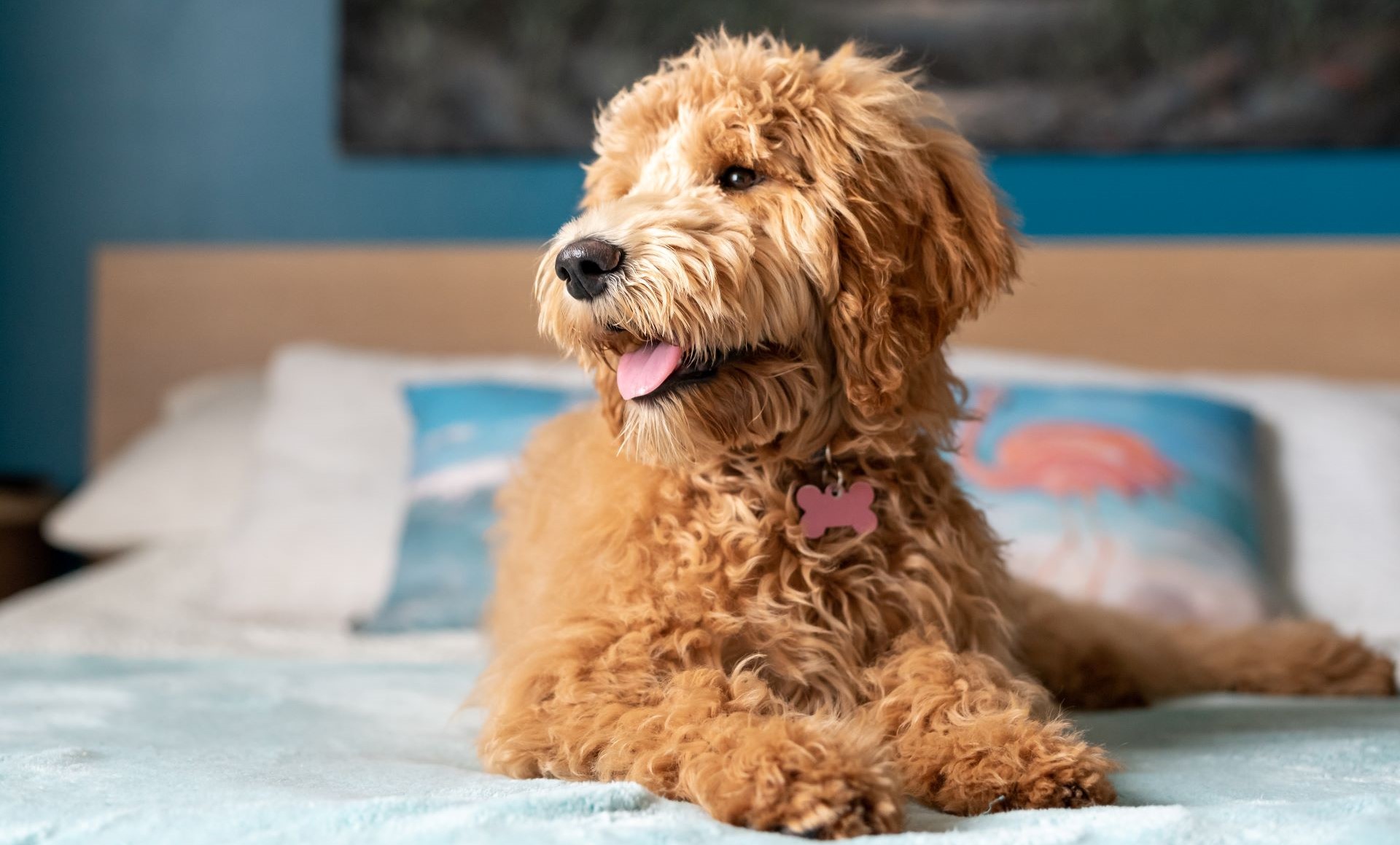
Dogs with curly or wiry hair often trap allergens better. Their hair does not fall off easily. This keeps dander, the main cause of allergies, from spreading. Hair type plays a key role in how hypoallergenic a dog is.
Common Allergens In Dogs
Allergens come from dog dander, saliva, and urine. Dander is tiny skin flakes that float in the air. Saliva dries on fur and skin, causing reactions. Choosing dogs that produce less dander reduces allergy risks.
Credit: www.harmonyanimalhospital.net
Popular Hypoallergenic Breeds
Hypoallergenic dogs are great for people with allergies. These breeds shed less and produce fewer allergens. Many dog lovers choose them to enjoy pets without sneezing or itching. Here are some popular hypoallergenic breeds that stand out for their friendly nature and low allergen levels.
Poodle Varieties
Poodles come in three sizes: standard, miniature, and toy. Their curly coats trap dander, reducing allergens. Poodles are smart, easy to train, and very active. Their low-shedding fur makes them a top hypoallergenic choice.
Bichon Frise
The Bichon Frise has a soft, curly coat that sheds little. This small dog is cheerful and playful. It adapts well to families and apartment living. Bichons are known for their friendly and gentle nature.
Maltese
Maltese dogs have long, silky hair that sheds minimally. They are small, affectionate, and love attention. Their coat needs regular grooming to stay healthy. Maltese dogs make great companions for allergy sufferers.
Schnauzer
Schnauzers come in miniature, standard, and giant sizes. Their wiry coats shed very little, which helps with allergies. They are loyal, alert, and good watchdogs. Schnauzers enjoy active lifestyles and family time.
Portuguese Water Dog
This breed has curly, water-resistant fur that sheds less. Portuguese Water Dogs are energetic and love swimming. They require regular exercise and grooming. Many allergy sufferers find this breed a good match.
Lesser-known Allergy-friendly Dogs
Many people know popular hypoallergenic dogs like Poodles and Bichon Frises. Few know about lesser-known allergy-friendly breeds. These dogs shed less and produce fewer allergens. They are great for homes with allergy sufferers. Learning about these unique breeds can help you find the right dog.
Lagotto Romagnolo
The Lagotto Romagnolo is a curly-coated dog from Italy. It has dense, woolly fur that traps hair and dander. This breed is friendly, smart, and easy to train. It is famous for its truffle hunting skills. Lagottos need regular grooming to keep their coat healthy.
Kerry Blue Terrier
Kerry Blue Terriers have soft, wavy blue-gray coats. Their fur grows continuously and sheds very little. This breed is lively, loyal, and protective. Kerry Blues enjoy exercise and playtime. Their coats require regular brushing to avoid mats and tangles.
Basenji
Basenjis are small dogs with short, fine hair. They shed very little and groom themselves like cats. This breed is quiet, alert, and independent. Basenjis are known as “barkless dogs” because they rarely bark. They need mental stimulation and regular exercise.
Chinese Crested
The Chinese Crested comes in two types: hairless and powderpuff. The hairless type has smooth skin with hair only on the head, tail, and feet. Powderpuffs have a soft, full coat. Both types shed very little and suit allergy sufferers. These dogs are playful, affectionate, and gentle.
Choosing The Right Hypoallergenic Dog
Choosing the right hypoallergenic dog means thinking about your daily life and needs. Each breed has unique traits that fit different homes. You want a dog that matches your routine and space. This helps keep both you and the dog happy. Consider how much time you have and what kind of care you can provide.
Lifestyle Considerations
Some hypoallergenic dogs do well in small apartments. Others need large yards to run and play. Think about your work schedule. Dogs need attention and companionship. Choose a breed that fits your availability. Also, consider family members and their allergies.
Grooming Needs
Hypoallergenic dogs often need special grooming. Some breeds shed very little but require regular brushing. Others need haircuts every few weeks. Grooming keeps the dog healthy and reduces allergens. Know what grooming fits your time and budget.
Activity Levels
Different breeds have different energy levels. Some hypoallergenic dogs love long walks and playtime. Others prefer quiet time and short walks. Match the dog’s activity needs with your lifestyle. This keeps the dog happy and prevents behavior problems.
Managing Allergies With Dogs
Living with allergies and dogs requires careful management. Even hypoallergenic breeds can cause reactions. Taking steps to reduce allergens helps create a comfortable home. Simple habits make a big difference for allergy sufferers.
Regular Grooming Tips
Brush your dog often to remove loose hair and dander. Use a damp cloth to wipe your dog’s coat. Bathe your dog regularly with a gentle shampoo. Clean their ears and trim nails to reduce dirt buildup. Grooming outside limits allergens inside the house.
Home Cleaning Strategies
Vacuum floors and furniture with a HEPA filter vacuum cleaner. Wash dog bedding and blankets weekly in hot water. Use air purifiers to capture airborne allergens. Keep pets out of bedrooms and off furniture. Clean hard floors with a damp mop to trap dust and hair.
Allergy Medication Options
Over-the-counter antihistamines can ease mild symptoms. Consult a doctor before starting any medication. Allergy shots may help reduce sensitivity over time. Nasal sprays and eye drops provide quick relief. Keep medicine nearby during allergy flare-ups for fast action.
Credit: www.woofblankets.com

Credit: goldenmeadowsretrievers.com
Frequently Asked Questions
What Makes A Dog Breed Hypoallergenic?
Hypoallergenic dogs shed less dander, which triggers allergies. They often have hair instead of fur, reducing allergens. These breeds are ideal for allergy sufferers seeking pets with minimal allergic reactions. However, no dog is completely allergen-free.
Which Breeds Are Best For Allergy Sufferers?
Popular hypoallergenic breeds include Poodles, Bichon Frises, and Maltese. These dogs produce fewer allergens and shed less. Other good options are Schnauzers and Portuguese Water Dogs. Choosing these breeds can help reduce allergy symptoms at home.
Do Hypoallergenic Dogs Require Special Grooming?
Yes, regular grooming is essential for hypoallergenic dogs. Their coats need frequent brushing and trimming to minimize dander and hair shedding. Proper grooming helps maintain their hypoallergenic qualities and keeps them healthy and comfortable.
Are Hypoallergenic Dogs Good For Families With Allergies?
Hypoallergenic dogs can be suitable for allergic families, but reactions vary. Spending time with a specific breed before adopting is recommended. Proper cleaning and pet care also reduce allergy triggers at home.
Conclusion
Choosing a hypoallergenic dog breed can help reduce allergy problems. Breeds like Poodles, Bichon Frises, and Maltese shed less hair and dander. Each dog has its own personality and needs. Think about your lifestyle before picking a breed. Spend time with the dog first to see if allergies react.
A happy home means a happy pet. Enjoy the love and joy a dog can bring.


