

Are you worried that having a dog might mean dealing with allergies or limited space in your apartment? You’re not alone.
Finding a furry friend who fits your lifestyle and won’t trigger sneezes can feel tricky. But what if there are dog breeds that are both hypoallergenic and perfect for apartment living? Keep reading, because discovering the right pup could change how you experience home, comfort, and companionship—all without the allergy hassle.
Your ideal apartment dog might be closer than you think.
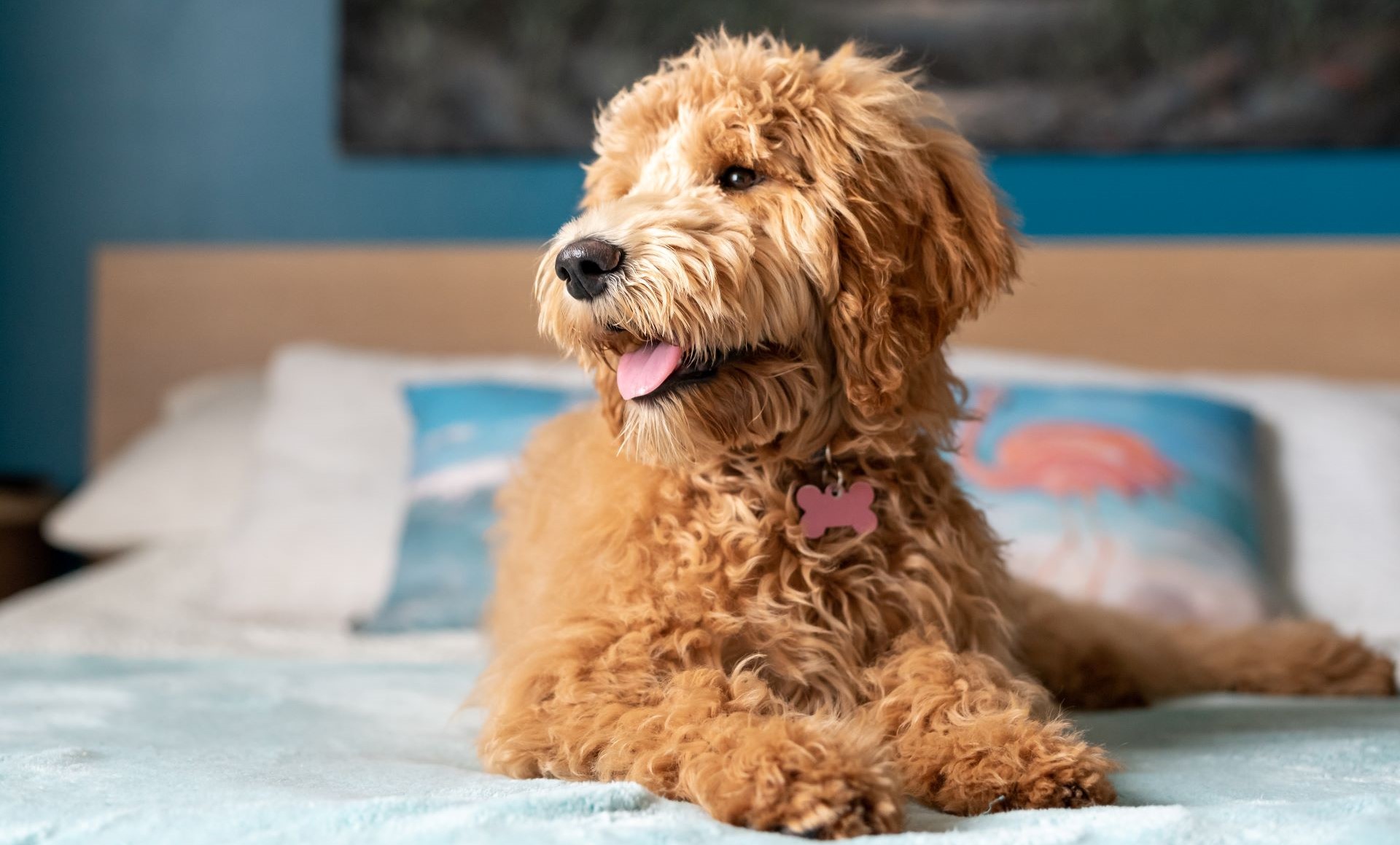
Credit: www.harmonyanimalhospital.net
Hypoallergenic Dogs And Apartment Living
Living in an apartment with a dog can be a rewarding experience. Many people worry about allergies and space limits. Hypoallergenic dogs are often seen as a good fit for apartment living. They tend to shed less and produce fewer allergens. This helps reduce allergy symptoms inside small spaces. Understanding hypoallergenic dogs and apartment life is important for happy pet ownership.
What Makes A Dog Hypoallergenic
Hypoallergenic dogs produce fewer proteins that cause allergies. These proteins are found in their skin, saliva, and urine. Dogs that shed less hair spread fewer allergens around the home. Breeds like Poodles and Bichon Frises are known to be hypoallergenic. Their coats trap dander and reduce airborne particles. No dog is completely allergen-free, but hypoallergenic dogs help allergy sufferers breathe easier.
Challenges Of Apartment Life For Dogs
Apartment living limits space for dogs to move and play. Noise can be a problem for sensitive dogs. Dogs need regular exercise to stay healthy and happy. Small spaces may increase stress if dogs get bored or restless. Potty breaks require more planning without a yard. Choosing the right dog breed and routine is key to apartment life success.
Traits Of Apartment-friendly Dogs
Choosing a dog for apartment living means considering specific traits. The right dog fits your space and lifestyle. Apartment-friendly dogs have qualities that make life easier for owners and neighbors. These traits include size, energy level, noise, and behavior. Understanding these helps pick a dog that thrives in small spaces.
Size And Energy Levels
Small or medium-sized dogs suit apartments better. They need less space to move and rest. Large dogs may feel cramped and stressed indoors. Energy levels matter too. Low to moderate energy dogs adapt well to limited outdoor time. They enjoy short walks and indoor play. High-energy dogs need more exercise than apartments often allow. Choose breeds that balance activity with calm moments.
Noise And Behavior Considerations
Quiet dogs reduce noise complaints from neighbors. Some breeds bark less and stay calm. Dogs that are nervous or loud may struggle in close quarters. Behavior also includes how dogs react to visitors or other pets. Friendly and well-socialized dogs create a peaceful environment. Training helps manage behavior and noise. Calm dogs with good manners suit apartment living best.
Top Hypoallergenic Breeds For Apartments
Finding a hypoallergenic dog breed for apartment living can be easier than you think. Small size and low shedding are key traits for these dogs. They adapt well to limited space and cause fewer allergy problems. Below are some popular hypoallergenic breeds perfect for apartments.
Bichon Frise
Bichon Frises have soft, curly coats that shed very little. They are friendly and playful, making them great companions. Their small size fits well in apartments. Regular grooming keeps their coat healthy.
Maltese
The Maltese has a silky white coat that rarely sheds. This breed is gentle and loves being indoors. They stay small and need moderate exercise. Their calm nature suits apartment life.
Shih Tzu
Shih Tzus have long hair but shed very little. They are quiet and affectionate dogs. Small and sturdy, they do well in apartments. Daily brushing helps prevent mats in their coat.
Poodle
Poodles come in toy, miniature, and standard sizes. Toy and miniature types fit apartments better. Their curly coats do not shed much. Poodles are intelligent and enjoy mental activities.
Yorkshire Terrier
Yorkies have fine, silky hair that sheds minimally. They are lively and alert, yet small enough for apartments. Regular grooming is essential to keep their coat tidy. These dogs form strong bonds with owners.
Havanese
Havanese dogs have soft, wavy coats that shed little. They are friendly and social, adapting well to indoor living. Their size is ideal for small spaces. Grooming keeps their coat smooth and clean.
Chinese Crested
Chinese Cresteds come in hairless and coated types. The hairless type sheds almost nothing. They are gentle and enjoy close contact with people. Their small size makes them perfect for apartments.
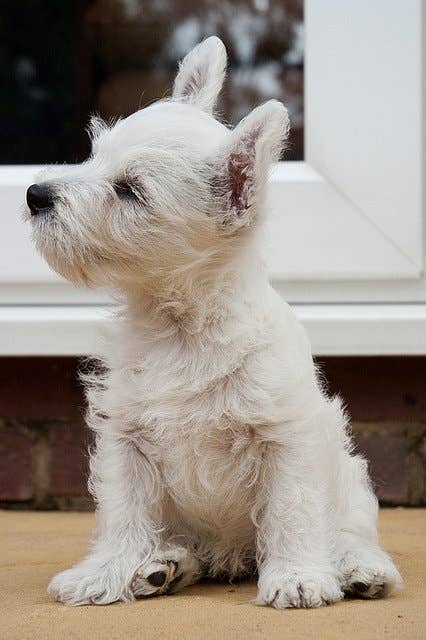
Credit: pethelpful.com
Caring For Hypoallergenic Dogs Indoors
Caring for hypoallergenic dogs indoors requires special attention. These dogs shed less but still need regular care. Small living spaces like apartments need thoughtful routines. This keeps your pet happy and healthy. It also helps maintain a clean and fresh home environment. Follow simple steps to meet your dog’s needs indoors.
Grooming Tips
Brush your dog’s coat often to reduce loose hair. Use a gentle brush suited for their fur type. Bathe your dog regularly using mild shampoo made for dogs. Trim their nails every few weeks to avoid discomfort. Clean their ears gently to prevent infections. Regular grooming keeps your dog comfortable and your home cleaner.
Exercise And Mental Stimulation
Provide daily exercise even in small spaces. Short walks and indoor play keep your dog active. Use toys that challenge your dog’s mind, like puzzles. Training sessions improve behavior and provide mental exercise. Change activities to prevent boredom. Active and happy dogs adapt better to apartment life.
Maintaining Clean Air Quality
Vacuum your apartment often to reduce pet dander. Use air purifiers to keep the air fresh and clean. Open windows for fresh air when weather permits. Clean your dog’s bedding and toys regularly. This helps control allergens and odors in your home. Good air quality benefits both you and your dog.
Adoption Tips For Apartment Dwellers
Adopting a hypoallergenic dog for apartment living needs careful thought. Small spaces and neighbors require a calm, friendly pet. Choosing the right dog means matching its needs with your lifestyle. Here are some tips to help apartment dwellers adopt wisely.
Finding Reputable Breeders And Rescues
Start with breeders known for healthy, hypoallergenic dogs. Check reviews and ask for references. Avoid places that seem rushed or disorganized. Rescues can also be a good choice. They often have dogs suited for small homes. Visit the shelter and spend time with the dogs. Trust your feelings and observations before deciding.
Assessing Compatibility With Your Lifestyle
Think about your daily routine and energy levels. Some dogs need lots of exercise; others prefer quiet time. Consider noise levels and how much time you spend at home. Hypoallergenic dogs vary in size and activity. Choose one that fits your apartment size and schedule. This match helps keep both you and the dog happy.

Credit: bigstateplumbing.com
Frequently Asked Questions
What Are Hypoallergenic Dog Breeds For Apartments?
Hypoallergenic dog breeds shed less dander and hair, reducing allergens. Small breeds like Poodles and Bichon Frises fit well in apartments due to their size and low shedding.
Can Hypoallergenic Dogs Adapt To Apartment Living?
Yes, many hypoallergenic breeds adapt well to apartments. They usually require moderate exercise and enjoy indoor play, making them ideal for smaller spaces.
Which Hypoallergenic Dog Breeds Are Best For Small Spaces?
Breeds like Maltese, Shih Tzu, and Yorkshire Terrier are perfect for small apartments. They are compact, low-shedding, and have manageable energy levels.
Do Hypoallergenic Dogs Require Special Grooming?
Hypoallergenic dogs need regular grooming to keep their coats healthy. Frequent brushing and professional trims help minimize allergens and maintain coat quality.
Conclusion
Choosing a hypoallergenic dog breed can make apartment living easier. These dogs shed less and cause fewer allergies. Small breeds often fit well in tight spaces. Remember, every dog needs love, care, and daily exercise. Think about your lifestyle before deciding.
A happy dog makes a happy home. Enjoy your time with your new furry friend!


