

Are you tired of constant sneezing and finding dog hair on every piece of furniture? If you love dogs but worry about allergies and endless shedding, you’re not alone.
Finding the perfect furry friend who won’t trigger your allergies or leave a trail of hair can feel impossible. But what if you could have a loyal companion that fits seamlessly into your life without the mess or sniffles? You’ll discover which dog breeds are truly hypoallergenic and don’t shed, making it easier for you to enjoy all the love and joy a dog brings—without the hassle.
Keep reading to find your ideal match!
Traits Of Hypoallergenic Dogs
Hypoallergenic dogs are special for people with allergies. They cause fewer allergic reactions. Their unique traits help reduce allergens in the home. These dogs shed very little or none at all. They produce less dander, the main cause of allergies. Understanding these traits helps choose the right dog breed.
Not all dogs labeled hypoallergenic are the same. Some breeds are better for allergy sufferers. Knowing what makes a dog hypoallergenic is important. It helps to manage allergies better and enjoy pet companionship.
What Makes A Dog Hypoallergenic
A hypoallergenic dog usually has hair instead of fur. Hair grows continuously and falls out less. These dogs shed very little, so fewer allergens spread. Their skin produces less dander. Dander is tiny skin flakes that cause allergies. Some breeds have special coats that trap dander. Regular grooming also helps reduce allergens on the dog.
Shedding And Allergies Connection
Shedding releases hair and dander into the air. This spreads allergens around the home. Dogs that shed less keep allergens contained. Less hair means less dander floating in the room. This lowers the chance of allergic reactions. Hypoallergenic dogs shed minimally or not at all. This trait makes them better for allergy sufferers.
:strip_icc()/GettyImages-166719138-7affca77fc9346ca9e406d8ea3ed2495.jpg)
Credit: www.thesprucepets.com
Top Hypoallergenic Breeds That Don’t Shed
Many people want dogs that don’t shed much and cause fewer allergies. Some breeds fit this need perfectly. These dogs have hair that grows differently, so they lose less fur. They are often called hypoallergenic dogs. Such breeds can be great for homes with allergy sufferers. Here are some top hypoallergenic dog breeds that don’t shed much.
Poodle Varieties
Poodles come in three sizes: standard, miniature, and toy. They have curly coats that trap hair and dander. Poodles shed very little, making them ideal for allergy sufferers. Their coat needs regular grooming to stay healthy. Poodles are smart and easy to train.
Bichon Frise
Bichon Frises have soft, curly fur. They shed very little and produce fewer allergens. Their friendly nature makes them great family pets. Regular brushing keeps their coat neat and clean. They enjoy playtime and love attention.
Maltese
Maltese dogs have long, silky hair that does not shed much. They are small and gentle. Maltese dogs need daily brushing to avoid mats. These dogs are loyal and enjoy being close to their owners. Their hypoallergenic coat suits many allergy sufferers.
Portuguese Water Dog
Portuguese Water Dogs have thick, curly coats that shed little. They were bred to work in water and are very active. Their coat requires regular grooming to prevent tangles. They are friendly, smart, and enjoy family life. Many people with allergies find them a good choice.
Schnauzer Breeds
Schnauzers come in miniature, standard, and giant sizes. Their wiry coats shed very little. These dogs need regular grooming to keep their fur tidy. Schnauzers are alert and make good watchdogs. Their hypoallergenic nature suits many homes.
Shih Tzu
Shih Tzus have long, flowing coats that shed minimally. They are small and love companionship. Daily brushing helps keep their coat healthy. Shih Tzus are friendly and adapt well to different homes. Their low-shedding hair helps reduce allergens.
Basenji
Basenjis have short, fine coats that shed very little. They are known as “barkless” dogs because they rarely bark. Basenjis are clean and groom themselves like cats. Their low shedding makes them suitable for allergy sufferers. They are active and curious pets.
Benefits Of Choosing Low-shedding Dogs
Choosing a low-shedding dog brings many benefits to your home and lifestyle. These dogs lose less hair, which helps keep your space cleaner. They often suit people with allergies, making daily life easier. Their care routines also tend to be simpler and less time-consuming. Picking a low-shedding breed can improve comfort and health for the whole family.
Allergy-friendly Homes
Low-shedding dogs release fewer allergens in the air. This reduces allergy symptoms like sneezing and itching. People with sensitive skin or asthma find these dogs easier to live with. Less dander means fewer allergic reactions. This creates a more comfortable home environment for everyone.
Reduced Cleaning Needs
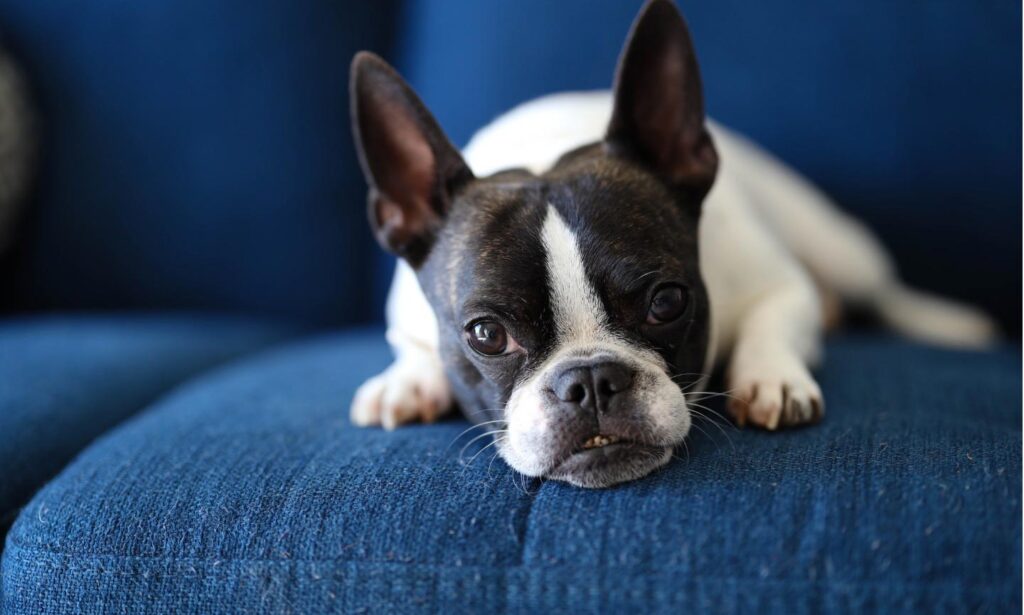
Low-shedding dogs leave less hair on furniture and floors. This cuts down the time spent vacuuming and dusting. Clothes stay cleaner without dog hair sticking to them. Less hair means fewer clogged filters in air conditioners. Cleaning becomes simpler, saving effort and energy daily.
Credit: www.chewy.com
Care Tips For Hypoallergenic Dogs
Caring for hypoallergenic dogs requires special attention. These breeds shed less but still need proper care. Their unique coats need regular grooming to stay healthy. Understanding their health needs also helps keep them happy.
Grooming Essentials
Brush your hypoallergenic dog often to stop mats and tangles. Use a gentle brush suited for their coat type. Bathing every few weeks keeps their skin clean without drying it out. Trim nails carefully to avoid pain or injury. Clean ears regularly to prevent infections. Grooming helps reduce allergens and keeps your dog comfortable.
Health Considerations
Watch for common health issues in hypoallergenic breeds. Regular vet visits catch problems early. Feed a balanced diet to support their skin and coat. Exercise daily to maintain good health and reduce stress. Pay attention to signs of allergies or skin irritation. Proper care helps your dog live a long, happy life.
Factors Beyond Shedding To Consider
Choosing a hypoallergenic dog that does not shed is important. But there are other factors to think about. These can affect how happy both you and your dog will be. It is smart to consider more than just fur and allergens.
Temperament And Energy Levels
Every dog breed has its own personality. Some dogs are calm and relaxed. Others are playful and full of energy. Matching a dog’s temperament to your lifestyle helps create a good bond. A high-energy dog needs lots of exercise and playtime. A calm dog fits well in a quiet home. Think about how much time you can spend with your dog daily. This helps pick a breed that fits your routine.
Size And Living Space
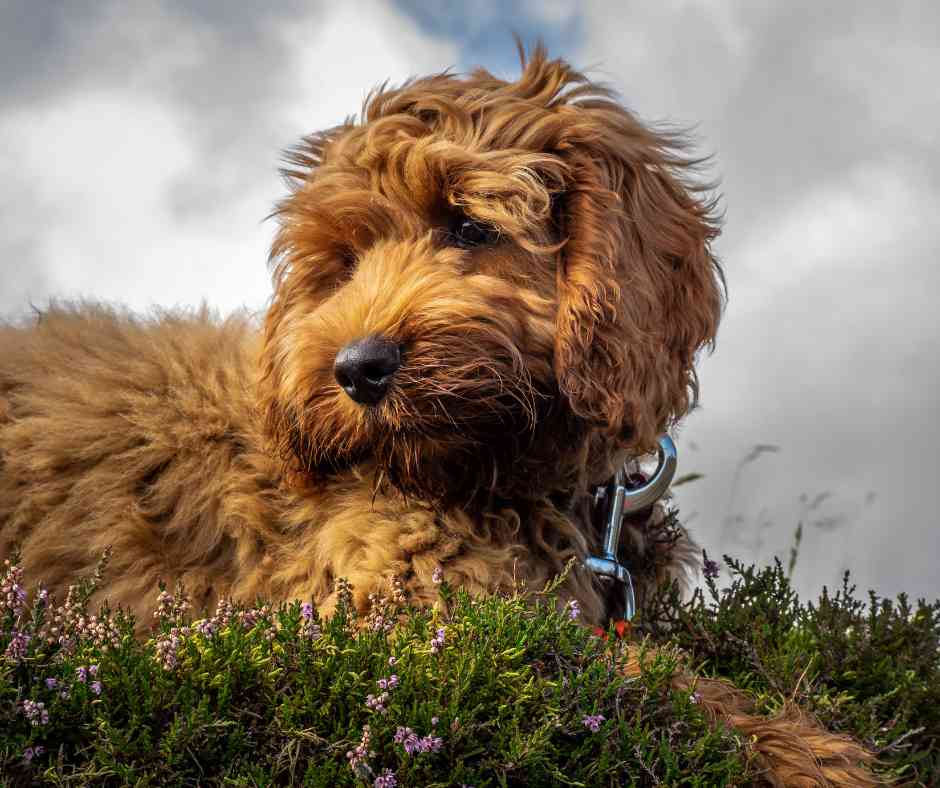
Dog size matters for your living space. Small breeds work well in apartments or small homes. Large dogs need more room to move and play. Make sure your space matches the dog’s size needs. A crowded space can stress a bigger dog. Also, some breeds need a yard or outdoor area. Think about your home and how much space your dog will have.
Credit: animology.co.uk
Frequently Asked Questions
Which Dog Breeds Are Truly Hypoallergenic?
Breeds like Poodles, Bichon Frises, and Maltese are genuinely hypoallergenic. They produce fewer allergens, making them suitable for allergy sufferers. These dogs shed minimally, reducing dander spread. However, individual reactions may vary, so spend time with the breed before deciding.
Do Hypoallergenic Dogs Shed Less Than Other Dogs?
Yes, hypoallergenic dogs shed significantly less. Their coats trap dander, preventing it from spreading. Breeds like the Portuguese Water Dog and Schnauzer shed very little. Regular grooming also helps maintain low shedding and reduces allergens in your home.
Can Hypoallergenic Dogs Trigger Allergies?
Hypoallergenic dogs reduce allergy risks but don’t eliminate them. Allergies depend on individual sensitivity to dander, saliva, or urine proteins. Spending time with a specific breed helps assess your reaction before adoption. Proper grooming and cleaning further minimize allergy triggers.
Are Hypoallergenic Dogs Low Maintenance?
Most hypoallergenic dogs require regular grooming to prevent matting. Breeds like the Poodle need frequent haircuts. They are generally healthy but need consistent care to maintain their hypoallergenic qualities. Investing time in grooming ensures less shedding and fewer allergens around.
Conclusion
Choosing a hypoallergenic dog breed can ease allergy worries. These dogs shed less, keeping homes cleaner. They suit people who love dogs but struggle with allergies. Each breed has unique traits and care needs. Consider your lifestyle before deciding on a breed.
Enjoy the companionship without constant sneezing. A dog can be a great friend for everyone. Care and love matter most for a happy pet.


