

Are you tired of finding dog hair on your clothes, furniture, and everywhere else? If shedding drives you crazy, you’re not alone.
Luckily, some dog breeds barely shed at all, making them perfect companions for people like you who want a furry friend without the constant cleanup. You’ll discover which dog breeds don’t shed much, so you can enjoy all the love and loyalty without the mess.
Keep reading to find the perfect low-shedding dog for your lifestyle!
Why Shedding Matters
Shedding is a natural process for dogs. It helps them get rid of old or damaged fur. Some dogs shed a lot, which can cause problems. Other breeds shed very little or not at all. Understanding why shedding matters can help you choose the right dog for your home and lifestyle.
Impact On Allergies
Dog fur carries allergens that can trigger reactions. Less shedding means fewer allergens spread in the air. This helps people with allergies breathe easier. Choosing low-shedding breeds can reduce allergy symptoms. It creates a more comfortable environment for sensitive individuals.
Home Cleanliness
Shedding fur can cover floors and furniture quickly. It takes time and effort to clean regularly. Dogs that shed less keep your home tidier. You spend less time vacuuming and dusting. This keeps your living space neat and fresh.
Pet Grooming Needs
Shedding affects how often you groom your dog. Dogs that shed a lot need frequent brushing. This helps remove loose fur and prevents mats. Low-shedding breeds require less grooming. This saves time and reduces grooming costs.
Traits Of Low-shedding Dogs
Low-shedding dogs have special traits that make them ideal for many families. These dogs lose very little hair, which helps keep homes cleaner. They often have unique coats and require specific care. Understanding these traits can help you choose the right dog for your lifestyle.
Coat Types
Low-shedding dogs usually have curly or wiry coats. These coat types hold hair tightly, so less falls out. Some breeds have hair that grows continuously, similar to human hair. This reduces the amount of shedding significantly. These coats need regular brushing to prevent mats and tangles.
Hypoallergenic Qualities
Many low-shedding dogs are also hypoallergenic. They produce fewer allergens, which helps people with allergies. These dogs shed less dander, the main cause of allergic reactions. While no dog is fully allergen-free, these breeds are safer choices for sensitive individuals.
Maintenance Levels
Low-shedding dogs require consistent grooming. Their coats need regular brushing and occasional trimming. Grooming helps keep the coat healthy and clean. Owners should be ready for some effort to manage these breeds. This care prevents skin problems and keeps shedding minimal.
Top Low-shedding Dog Breeds
Some dogs shed a lot, leaving fur everywhere. Others lose very little hair. Low-shedding dog breeds help keep homes cleaner and reduce allergy problems. These dogs have hair that grows differently from typical shedding breeds. Their coats trap loose hair instead of releasing it.
Choosing a low-shedding dog means less vacuuming and fewer hair-covered clothes. These breeds still need grooming to keep their coats healthy. They offer great companionship without the constant mess.
Poodle Varieties
Poodles come in three sizes: toy, miniature, and standard. All have curly, dense coats that shed very little. Their hair grows continuously, similar to human hair. Regular grooming stops mats and keeps their coat soft. Poodles are smart and easy to train. They suit families and active people alike.
Bichon Frise
Bichon Frises have fluffy, white coats that shed minimally. Their hair is soft and curly, trapping loose strands. These dogs enjoy being around people and are very playful. Regular brushing stops tangles and keeps their coat neat. Bichons do well in apartments and homes with children.
Maltese
The Maltese has long, silky white hair that sheds little. Their coat grows continuously and needs daily brushing. This breed is gentle and loves attention. Maltese dogs adapt well to small living spaces. They make excellent lap dogs for many owners.
Shih Tzu
Shih Tzus have thick, double coats that shed very little. Their hair can grow long or be trimmed short. These dogs are friendly and good with kids. Regular grooming prevents mats and keeps them clean. Shih Tzus enjoy indoor living and family time.
Portuguese Water Dog
The Portuguese Water Dog has curly, water-resistant fur that sheds minimally. Their coat protects them in wet conditions. They are active, intelligent, and love swimming. Regular grooming is important to avoid mats. These dogs suit active families and outdoor lovers.

Credit: www.goodhousekeeping.com
Choosing The Right Low-shedding Dog
Choosing the right low-shedding dog makes a big difference in your home. Dogs that shed less help keep your space cleaner. They also reduce allergy problems for many people. But not all low-shedding dogs fit every lifestyle. Picking a breed that matches your daily life is important. Think about your time, space, and activity level before deciding. This helps you enjoy your new friend fully.
Lifestyle Compatibility
Every dog breed needs different care and attention. Some dogs like being alone for a few hours. Others need constant company and play. Consider your work hours and family schedule. Choose a dog that can feel happy with your routine. Some low-shedding breeds are very social. Others prefer quiet and calm homes. Find a dog that fits your household mood.
Activity Levels
Dogs need exercise to stay healthy and happy. Some breeds need long walks and playtime every day. Others are fine with short walks and indoor games. Match the dog’s activity needs with your energy. An active dog needs time and effort from you. A calm dog suits a relaxed lifestyle better. Low-shedding dogs come in both active and calm types.
Size Considerations
The size of your dog changes your living space. Small dogs need less room to move. Big dogs need larger spaces and more food. Think about your home size and yard. Apartments suit small or medium-sized dogs best. Large homes with yards can handle bigger breeds. Low-shedding dogs vary in size, so choose wisely.
Tips For Managing Shedding
Managing dog shedding is important for a clean and healthy home. Even breeds that don’t shed much can lose some hair. Taking simple steps helps keep shedding under control and your pet comfortable. Here are practical tips to manage shedding effectively.
Regular Grooming
Brush your dog often to remove loose hair. Choose the right brush for your dog’s coat type. Grooming reduces shedding by catching hair before it falls off. Bathing your dog with gentle shampoo also helps keep the skin healthy. Trim your dog’s fur regularly to prevent matting and excess shedding.
Diet And Health
Feed your dog a balanced diet rich in vitamins and fatty acids. Good nutrition supports healthy skin and coat. Drink plenty of water to keep your dog hydrated. Regular vet visits catch skin problems early. Healthy dogs shed less hair.
Home Cleaning Strategies
Vacuum floors and furniture often to remove pet hair. Use lint rollers on clothes and upholstery. Wash dog bedding weekly to reduce loose hair. Air purifiers can help capture airborne dander. Keeping your home clean controls shedding mess.

Credit: www.womansday.com
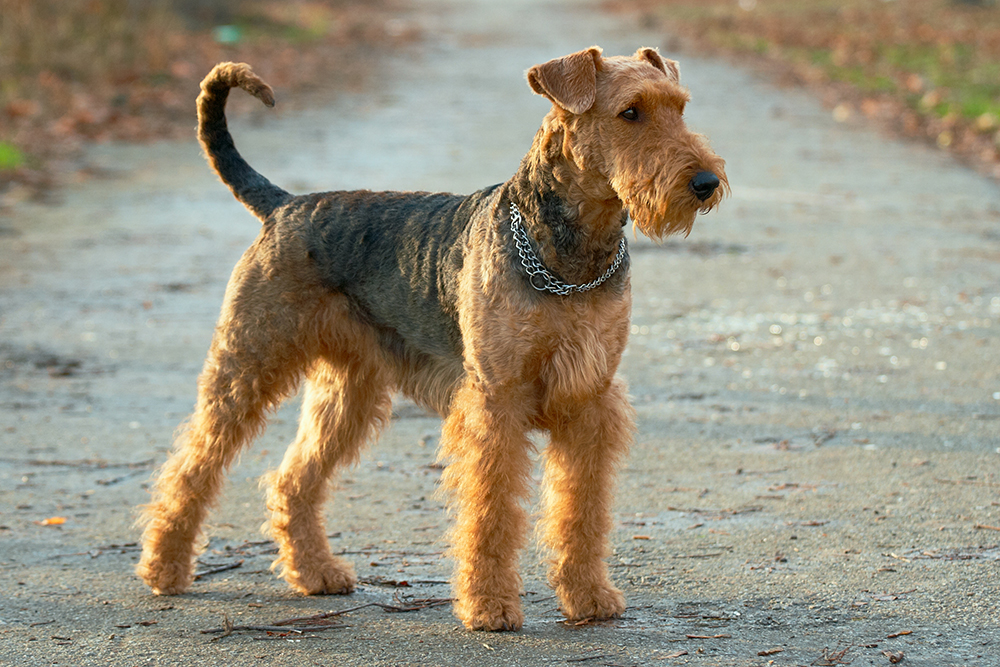
Credit: www.purina.com
Frequently Asked Questions
Which Dog Breeds Are Known For Minimal Shedding?
Breeds like Poodles, Bichon Frises, and Portuguese Water Dogs shed very little. Their unique coats trap hair, reducing loose fur around your home. These breeds are ideal for allergy sufferers and those wanting low-maintenance grooming.
Are Hypoallergenic Dogs Truly Non-shedding?
Hypoallergenic dogs shed less but may not be completely non-shedding. They produce fewer allergens, making them better for sensitive individuals. However, grooming is still necessary to manage hair and dander.
How Often Do Non-shedding Dogs Require Grooming?
Non-shedding dogs need regular grooming every 4 to 6 weeks. This prevents matting and keeps their coat healthy. Brushing several times a week helps remove loose hair and dirt effectively.
Can Small Dog Breeds Also Be Non-shedding?
Yes, many small breeds like Maltese, Shih Tzu, and Yorkshire Terriers shed minimally. Their hair grows continuously and requires consistent grooming. These breeds suit apartment living and people seeking cleaner environments.
Conclusion
Choosing a dog that doesn’t shed can help keep your home clean. Breeds like Poodles, Bichon Frises, and Shih Tzus offer great options. They shed very little or not at all. This makes them good for people with allergies. Remember, every dog needs care and love.
Find the right breed that fits your lifestyle and home. Enjoy a happy, hair-free experience with your new pet.


