
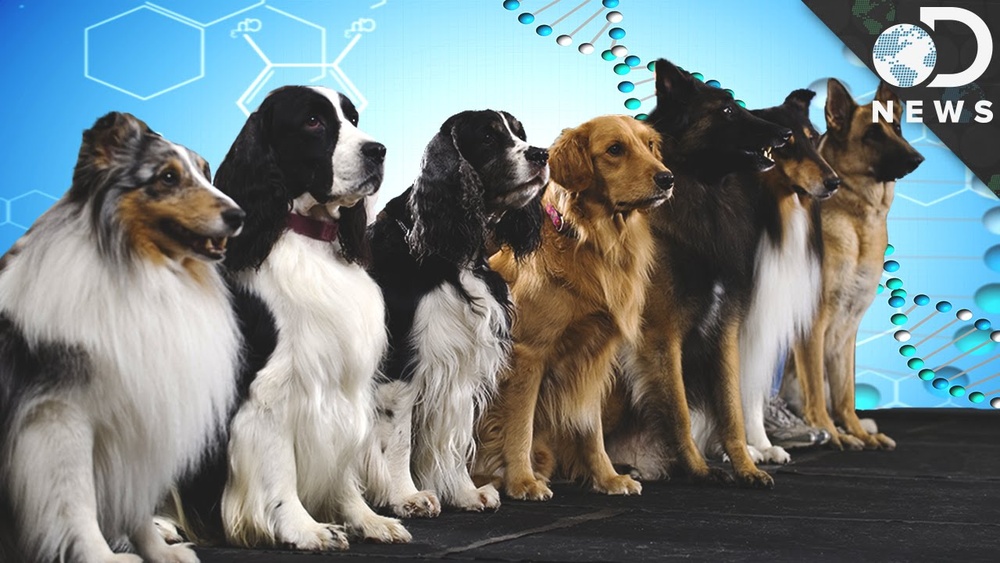
Have you ever wondered how your favorite dog breed came to be? Whether you love the tiny Chihuahua or the mighty Great Dane, every breed has a unique story behind it.
Understanding how dog breeds are created can change the way you see your furry friend. It’s not just about looks—it’s about history, purpose, and careful choices made by humans over time. Keep reading to discover the fascinating process that shapes the dogs you know and love.
This knowledge might even help you find the perfect companion for your lifestyle.
Origins Of Dog Breeds
Dog breeds have a long and fascinating history. They did not appear overnight. Breeds developed over thousands of years through natural and human forces. Each breed has a unique story shaped by its environment and purpose. Understanding these origins helps us appreciate the diversity of dogs today.
The journey from wild wolves to many dog breeds shows how nature and humans worked together. Some changes happened naturally, while others were carefully guided by people. This mix created the many breeds we know now.
Early Domestication
Dogs were among the first animals to live with humans. This started over 15,000 years ago. Early humans tamed wolves for hunting and protection. Over time, wolves grew less wild and more friendly. These early dogs helped humans survive and thrive.
Domestication changed dogs’ behavior and looks. They became smaller or bigger based on their roles. Some guarded camps, others helped hunt. This early bond laid the foundation for creating dog breeds.
Natural Selection Vs. Human Influence
Natural selection shaped early dogs by favoring traits needed to survive. Stronger, faster dogs stayed alive longer. But humans also influenced dog traits. They chose dogs with certain qualities for work or companionship.
This human influence grew stronger over time. People bred dogs with specific skills or appearances. This led to distinct breeds with clear differences. Both nature and humans shaped dogs into many types we see today.
Genetic Foundations
Dog breeds come from deep genetic roots. These roots shape every trait and feature. Understanding genetics helps us see how breeds form and change over time.
Genetics controls the colors, sizes, and behaviors we see in dogs. Small changes in DNA can create big differences. This is the foundation of breed creation.
Role Of Dna In Breed Traits
DNA holds the instructions for a dog’s body and behavior. Each breed has unique DNA patterns. These patterns decide coat color, ear shape, and even energy levels.
Breeders select dogs with certain DNA traits to pass on. This careful choice builds distinct breeds. DNA acts like a blueprint for every breed’s special traits.
Genetic Variation And Mutation
Genetic variation means small differences in DNA among dogs. These differences make each dog unique. Variation is important to keep breeds healthy and diverse.
Mutations are random DNA changes. Most are harmless, but some create new traits. Over time, useful mutations can become part of a breed’s identity.
Variation and mutation together drive the creation of new dog breeds. They add new traits and keep breeds evolving.
Selective Breeding Techniques
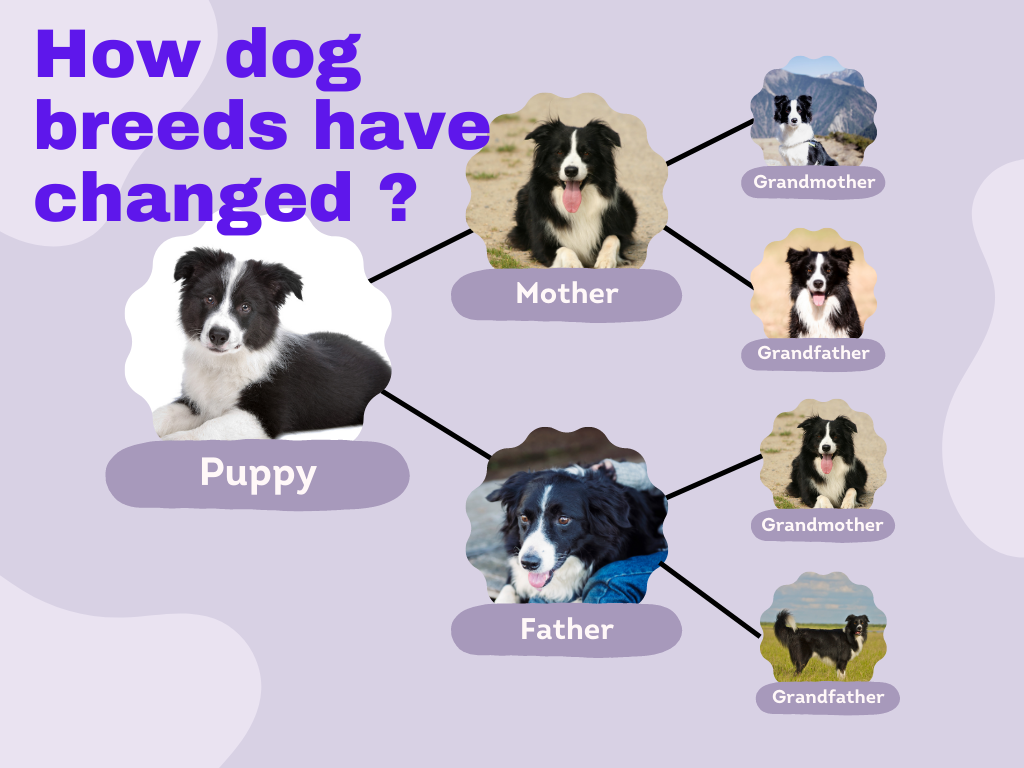
Selective breeding techniques shape the creation of dog breeds. Breeders pick specific dogs to mate based on traits they want in puppies. This careful selection controls traits like size, coat color, and behavior. It takes many generations to develop a stable breed with consistent traits.
Understanding these techniques helps explain how dog breeds form. Each method has its own role in guiding the breed’s development. Let’s explore the main selective breeding techniques.
Choosing Desired Traits
Breeders start by identifying traits to improve or keep. Traits include physical features and personality traits. For example, a breeder might want a dog with a gentle nature and a thick coat. They choose parents showing these traits strongly. The goal is to pass these traits to the next generation.
This process repeats over many litters. Each time, breeders select puppies with the best traits. Dogs without these traits are not bred. This way, desired traits become more common in the breed.
Inbreeding And Line Breeding
Inbreeding means mating close relatives like siblings or parents with offspring. Line breeding is a milder form, mating dogs with a common ancestor but less closely related. Both methods help fix traits in a breed.
These techniques increase the chance puppies inherit specific qualities. But they also raise risks of health problems. Breeders use them carefully to keep traits stable without harming the dogs.
Outcrossing Benefits
Outcrossing means breeding dogs from different lines or breeds. This introduces new genes and improves health. It can reduce inherited diseases common in a breed.
Outcrossing adds variety to the gene pool. This helps keep the breed strong and adaptable. Breeders use outcrossing to improve traits and prevent problems from too much inbreeding.
Breed Standards And Registries
Breed standards and registries play a key role in shaping dog breeds. They set clear rules about what each breed should look like and how it should behave. These standards help breeders keep the breed consistent over time. Registries keep records of dogs that meet these standards. This system supports the health and quality of dog breeds everywhere.
Establishing Breed Criteria
Breed criteria describe the ideal traits of a dog breed. This includes size, coat color, ear shape, and more. The criteria also cover the dog’s temperament and movement. These details form a guide for breeders to produce dogs that fit the breed. Clear criteria help avoid confusion and keep the breed pure.
Role Of Kennel Clubs
Kennel clubs oversee breed standards and registries. They create and update breed criteria. Clubs also organize dog shows to judge how well dogs match the standards. They register dogs that meet the breed requirements. This process keeps the breed recognized and respected worldwide.
Modern Genetic Tools
Modern genetic tools have changed how dog breeds are created and studied. These tools help scientists understand dog DNA better. They reveal how traits pass from parents to puppies. Breeders use this knowledge to guide their breeding choices. This leads to healthier dogs and clearer breed traits.
Dna Testing And Breed Identification
DNA testing allows quick breed identification. A simple cheek swab gives a detailed genetic profile. This profile shows breed makeup and possible health risks. Dog owners learn about their pet’s breed history. Breeders use tests to verify purebreds and avoid inbreeding. This tool supports better breeding decisions and care.
Gene Editing Prospects
Gene editing offers new possibilities in dog breeding. Scientists can change specific genes to reduce diseases. This could improve dogs’ health and lifespan. Ethical concerns and safety rules guide this research. Gene editing is still experimental but holds promise. It may one day help create healthier dog breeds.
Credit: www.cuddlytails.com
Impact On Health And Behavior
The way dog breeds are created has a strong effect on their health and behavior. Breeders select certain traits over many years. This selection shapes not only how dogs look but also how they act and their health risks. Understanding these effects helps owners care better for their pets.
Inherited Disorders
Many dog breeds carry inherited health problems. These come from breeding dogs with similar genes. For example, some breeds have more chances of heart disease or hip dysplasia. Breeders try to reduce these problems, but some still pass from parents to puppies. Knowing a breed’s health risks helps owners watch for signs early.
Behavioral Traits Linked To Breeding
Breeding also affects dog behavior. Some breeds are calm and gentle. Others are energetic and protective. These traits come from the dogs chosen for breeding. Certain breeds may be more prone to barking or guarding. Understanding a breed’s typical behavior helps owners train and live happily with their dogs.
Future Of Dog Breeding
The future of dog breeding is shaping up to be more thoughtful and careful. Breeders and dog lovers now focus on health, behavior, and welfare. This shift changes how new breeds develop and how existing breeds improve.
Advances in genetics help breeders understand dogs better. They use this knowledge to reduce diseases and improve traits. The goal is to create strong, happy dogs that fit well in families and communities.
Ethical Considerations
Ethics play a big role in future dog breeding. Breeders must treat dogs with respect and kindness. Avoiding health problems caused by breeding is a priority. Dogs should not suffer for looks or rare traits.
Breeding decisions should focus on the dog’s quality of life. This means choosing mates that bring good health and strong genes. Ethical breeding helps reduce genetic diseases and improves dog welfare.
Sustainable Breeding Practices
Sustainability means breeding in a way that lasts. Breeders aim to keep dog populations healthy over many generations. This requires careful planning and tracking of genetics.
Using diverse gene pools helps avoid problems from inbreeding. Sustainable breeders also promote responsible pet ownership. They support education about caring for dogs properly.
Credit: namnguyenwrite.medium.com

Credit: www.youtube.com
Frequently Asked Questions
How Are New Dog Breeds Developed?
New dog breeds are developed through selective breeding. Breeders choose dogs with desired traits and mate them over generations. This process enhances specific physical and behavioral characteristics, creating distinct breeds adapted for various roles or appearances.
What Role Does Genetics Play In Dog Breeds?
Genetics determine a dog’s physical traits and behaviors. Breeders use genetic knowledge to combine favorable genes. This helps produce consistent traits in offspring, ensuring breed standards are maintained across generations.
How Long Does It Take To Create A Dog Breed?
Creating a dog breed typically takes several decades. Multiple generations are needed to stabilize traits. Consistent breeding and selection ensure the breed’s characteristics become predictable and recognized.
Why Are Some Dog Breeds Created?
Dog breeds are created for specific tasks or traits. These include hunting, herding, guarding, or companionship. Breeders aim to enhance traits like size, coat, temperament, or abilities suited for certain roles.
Conclusion
Dog breeds come from careful choices by people over many years. Breeders select dogs with certain traits to create new breeds. This process shapes dogs’ looks, size, and behavior. Each breed tells a story about its history and purpose. Knowing how breeds form helps us appreciate dogs better.
It shows the bond between humans and dogs. Every breed has unique qualities that suit different needs. This makes the world of dogs diverse and interesting. Understanding breed creation deepens our love for these loyal companions.


