

Are you wondering when the right time is to switch your furry friend from puppy food to adult dog food? Choosing the perfect moment can feel confusing, but it’s one of the most important decisions for your dog’s health and happiness.
Getting this switch right helps your dog grow strong, stay energetic, and avoid health problems down the road. Keep reading, and you’ll discover clear signs and simple tips to know exactly when and how to make this change smoothly for your beloved pet.
Your dog will thank you for it!
Credit: www.gallant.com
When To Transition
Knowing when to switch your dog to adult food is important for their health. Puppies have different nutritional needs than adult dogs. Feeding the right food supports their growth and energy. Timing the change carefully helps avoid stomach problems and keeps your dog strong.
Signs Your Dog Is Ready
Your dog may show signs ready for adult food. Notice if their puppy teeth start falling out. Their energy might steady instead of being hyperactive. Watch their body shape; they look less like a puppy and more grown. These signs suggest your dog’s diet should change soon.
Breed And Size Considerations
Different breeds grow at different speeds. Small breeds usually mature faster than large breeds. Small dogs can switch to adult food around 9 to 12 months old. Large dogs need more time, often 12 to 18 months. Knowing your dog’s breed helps pick the right time to switch.
Age Milestones For Switching
Most dogs switch to adult food between 9 and 18 months. Small breeds often change closer to 9 months. Medium breeds switch around 12 months. Large and giant breeds wait until 18 months or more. Use these age milestones as a guide for the right moment.
Credit: www.purina.com
Choosing Adult Dog Food
Choosing the right adult dog food is an important step in your pet’s health. Adult dogs have different needs than puppies. Their food must support energy, weight, and overall wellness. Picking the best food helps your dog stay strong and happy. Here is what you should know.
Nutritional Needs Of Adult Dogs
Adult dogs need balanced nutrition to maintain good health. Protein helps keep muscles strong. Fat provides energy for daily activities. Vitamins and minerals support the immune system and body functions. The right mix keeps your dog active without gaining too much weight. Avoid foods with too many fillers or artificial ingredients.
Types Of Adult Dog Food
Dry kibble is popular for its convenience and dental benefits. Wet food offers more moisture and can be easier to chew. Some owners choose raw or homemade diets for freshness and control. Each type has pros and cons. Your dog’s preferences and health should guide your choice. Variety can also keep mealtime interesting.
Reading Food Labels
Labels reveal important facts about dog food. Look for the first ingredient; it should be a good protein source. Check the guaranteed analysis for protein, fat, and fiber levels. Avoid foods with many fillers like corn or wheat. Ingredients are listed by weight, so the first few matter most. Quality ingredients support your dog’s health and energy.
Transitioning Tips
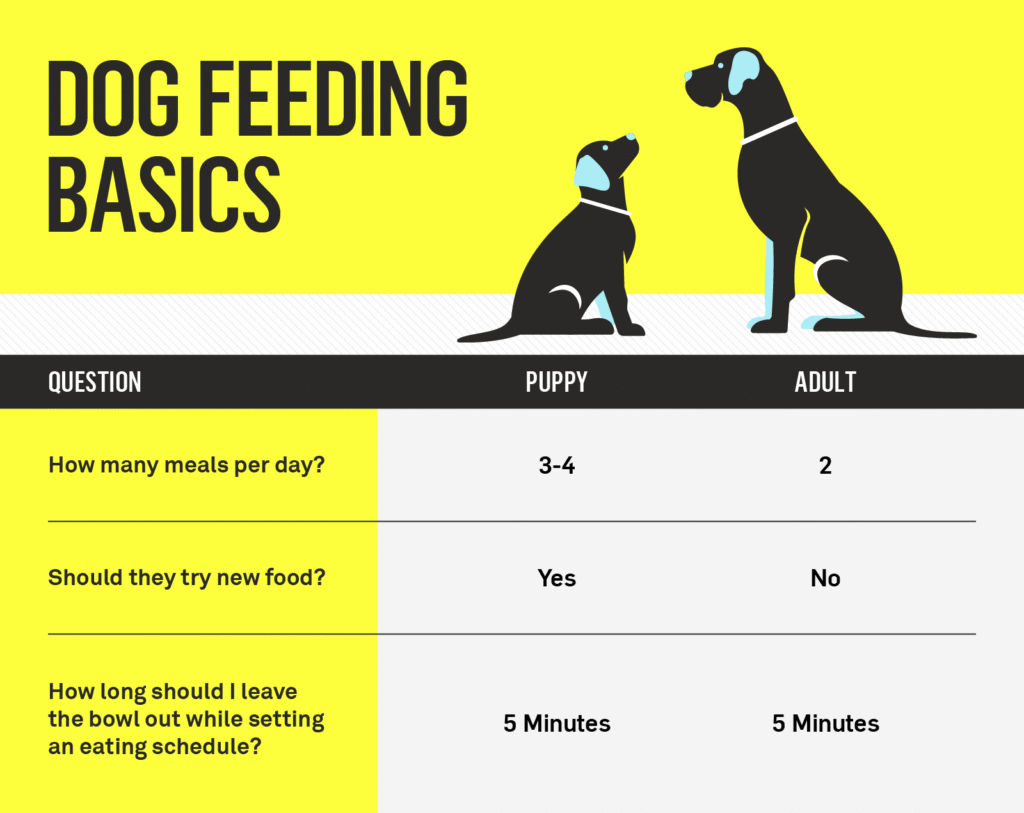
Switching your dog from puppy food to adult dog food needs care. A smooth change helps keep your dog healthy and happy. Follow simple tips to make the transition easy. Watch your dog closely. Notice how they respond to new food. Adjust the process if needed. This avoids tummy troubles and food refusals.
Gradual Food Introduction
Start by mixing a small amount of adult food with puppy food. Increase adult food slowly over 7 to 10 days. This helps your dog’s stomach adjust. Avoid switching all at once. Sudden changes can cause upset stomach or diarrhea. Patience is key for success.
Monitoring Your Dog’s Reaction
Check your dog’s stool and energy daily. Look for signs of diarrhea or constipation. Notice if your dog eats well or refuses food. Watch for itching or skin problems. These may mean food does not agree with them. Talk to your vet if problems continue.
Common Challenges And Solutions
Some dogs may resist new food. Try warming the food slightly to boost smell. Mix in a small amount of tasty broth. Keep feeding times consistent to build routine. If your dog still refuses, try a different adult food brand. Always give fresh water and stay patient.

Credit: www.purina.com
Health Benefits
Switching your dog to adult food at the right age brings many health benefits. Adult dog food is made to meet the specific needs of mature dogs. It helps keep your dog healthy and happy as they grow.
Supporting Digestive Health
Adult dog food has the right balance of fiber and nutrients. This supports good digestion and helps avoid stomach problems. A healthy gut means better absorption of vitamins and minerals. It keeps your dog feeling comfortable and active every day.
Maintaining Ideal Weight
Adult formulas usually have fewer calories than puppy food. This helps prevent weight gain as your dog slows down. Keeping a good weight reduces the risk of joint pain and heart problems. It also helps your dog live a longer, healthier life.
Boosting Energy And Vitality
Adult dog food contains proteins and fats that give steady energy. It supports muscle strength and keeps your dog lively. Balanced nutrition helps your dog enjoy walks and playtime without getting tired quickly.
When To Consult A Vet
Knowing when to switch your dog to adult food is important for their health. Sometimes, the best choice is to ask a vet. A vet can check your dog’s needs and guide you on the best diet. This helps avoid common feeding mistakes.
Signs Of Nutritional Deficiency
Watch for dull fur or dry skin. These can mean your dog lacks key nutrients. Weakness or low energy also shows poor nutrition. A vet can test and tell if the current food is enough. Early help stops health problems from growing.
Adjusting Diet For Health Issues
Some dogs have special health needs. Problems like allergies, weight, or digestion need food changes. Vets know which ingredients to avoid or add. They help find a diet that keeps your dog healthy and happy.
Personalized Feeding Plans
Every dog is different. Age, size, and activity affect food needs. A vet can make a plan just for your dog. This plan matches your dog’s unique health and lifestyle. Personalized feeding helps your dog live well and strong.
Frequently Asked Questions
When Should I Switch My Puppy To Adult Dog Food?
Puppies usually switch to adult dog food between 12 to 18 months. Small breeds mature faster, often by 12 months. Large breeds may take up to 18 months. Consult your vet for the best timing based on your dog’s breed and health.
Why Is It Important To Change Dog Food At The Right Age?
Switching at the right age ensures your dog gets proper nutrients. Puppy food has more calories and protein for growth. Adult food supports maintenance and overall health. Feeding the wrong food can cause digestive issues or weight problems.
Can Switching Dog Food Too Early Harm My Dog?
Yes, switching too early can cause nutrient deficiencies. Puppies need higher nutrients for development, which adult food lacks. Early switch might lead to stunted growth or weak immunity. Always follow vet advice for a smooth transition.
How To Transition From Puppy To Adult Dog Food?
Gradually mix adult food with puppy food over 7-10 days. Start with 25% adult food and 75% puppy food. Slowly increase adult food while decreasing puppy food. This reduces digestive upset and helps your dog adjust easily.
Conclusion
Switching to adult dog food matters for your pet’s health. Most dogs need the change around one year old. This helps meet their energy and nutrient needs better. Watch your dog’s size, breed, and activity for the best time. Talk to your vet to make the switch smooth and safe.
Feeding the right food keeps your dog happy and strong. Simple steps lead to a healthier, longer life for your dog. Keep an eye on your pet and adjust as needed. Your dog deserves the best nutrition every day.


