

Bringing a new puppy into your home is exciting, but house training can quickly feel overwhelming. You want your puppy to learn fast, avoid accidents, and build good habits that last a lifetime.
The good news? With the right tips, you can make this process smoother and even enjoyable for both you and your furry friend. Keep reading, and you’ll discover simple, effective strategies that will help your puppy become a well-behaved member of your family in no time.
Setting Up A Routine
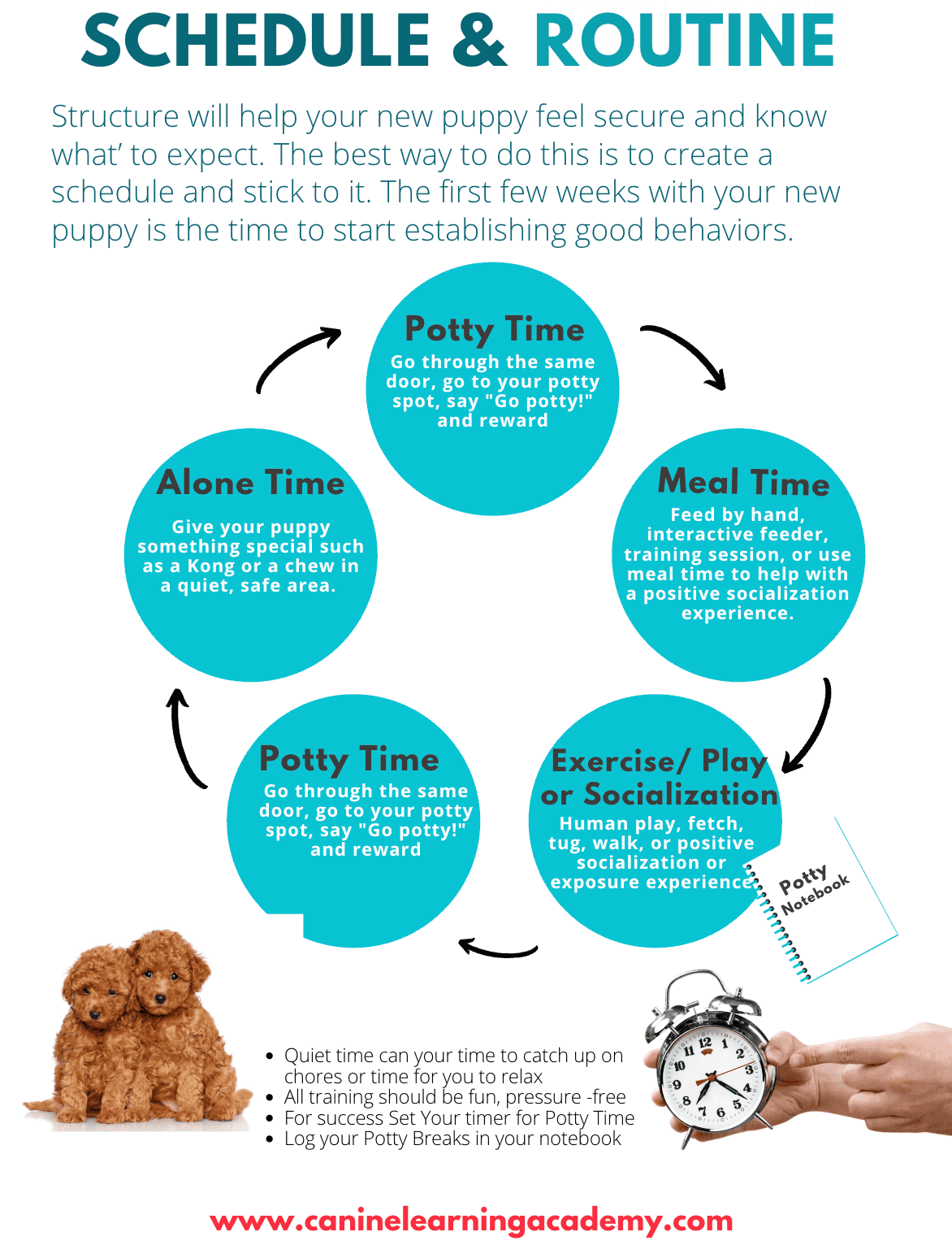
Setting up a routine helps your puppy learn faster. Puppies feel safe with regular habits. A clear schedule guides their bathroom and play times. Consistency reduces accidents and stress for both of you. Start with simple steps and keep the routine steady.
Consistent Feeding Times
Feed your puppy at the same times each day. Regular feeding helps control bathroom needs. It also supports healthy digestion and growth. Avoid giving food outside the set times. This habit builds good behavior and predictability.
Regular Bathroom Breaks
Take your puppy outside often, especially after eating or sleeping. Frequent bathroom breaks teach them where to go. Use the same spot for bathroom trips. Praise your puppy when they go outside. This practice helps prevent indoor accidents.
Sleep And Play Schedule
Set clear times for rest and play. Puppies need plenty of sleep to grow well. Playtime helps them burn energy and learn social skills. A balanced schedule keeps your puppy calm and happy. Stick to the routine to build good habits.
Choosing The Right Spot
Choosing the right spot for your puppy’s bathroom needs is key to successful house training. This spot should be easy to access and consistent. A clear, specific area helps your puppy learn where to go. It also reduces accidents around the house. Pick a place that fits your lifestyle and your puppy’s routine. Consistency helps your puppy feel safe and understand expectations.
Designated Bathroom Area
Pick one spot and use it only for bathroom breaks. This helps your puppy connect that place with going potty. Keep the area clean but avoid strong cleaners that can confuse your puppy. Use the same spot every time to build a habit. If outside, choose a quiet area with little distraction. If inside, use puppy pads or a small indoor potty area. Always praise your puppy after they use this spot.
Indoor Vs Outdoor Options
Decide whether your puppy will go inside or outside. Outdoor spots give fresh air and space. But weather can be a problem. Indoor spots work well for small spaces or bad weather. Puppy pads or indoor grass patches are good choices. Make sure the indoor spot is easy to clean. Whichever you choose, keep the spot the same. This helps your puppy learn faster and avoid accidents.
Using Crate Training
Using crate training can simplify house training a puppy. The crate acts as a safe space for your puppy. It helps teach bladder control and reduces accidents inside the house. Puppies naturally avoid soiling their sleeping area. This makes crate training a useful tool for learning good habits.
Benefits Of Crate Training
Crate training creates a quiet, secure spot for your puppy. It limits their space, which helps control accidents. Puppies learn to hold their bladder longer. Crates reduce chewing and destructive behavior when you are not home. They also make travel and vet visits less stressful.
Introducing The Crate
Start by placing the crate in a busy room. Leave the door open and put soft bedding inside. Encourage your puppy to explore it with treats and toys. Let them enter and exit freely at first. Gradually increase the time your puppy spends inside with the door closed.
Crate Size And Safety
Choose a crate big enough for your puppy to stand, turn, and lie down. Avoid crates that are too large; puppies may use one end as a bathroom. Check that the crate has proper ventilation. Remove collars or tags to prevent catching. Always supervise your puppy during crate time at the start.

Credit: www.foxyandthehound.ca
Positive Reinforcement
Positive reinforcement is a key method for house training puppies. It helps them learn good habits by rewarding the right actions. This approach builds trust and encourages your puppy to repeat good behavior. It makes training a positive experience for both you and your pet.
Rewarding Good Behavior
Focus on praising your puppy immediately after they do something right. This shows them which actions please you. Use treats, petting, or kind words to reward your puppy. Rewards help your puppy understand what you expect from them.
Types Of Treats And Praise
Choose small, tasty treats that your puppy loves. Soft treats work well because puppies can eat them quickly. Use happy tones and gentle petting as praise. Combining treats with praise makes rewards stronger and more effective.
Timing Your Rewards
Give rewards right after your puppy performs the right action. This helps your puppy connect the reward to the behavior. Delayed rewards can confuse your puppy. Quick rewards speed up learning and make training easier.
Handling Accidents
Accidents are normal during puppy house training. Puppies are still learning where to go. Handling these accidents with patience helps your puppy learn better. How you respond makes a big difference in training success.
Cleaning Techniques
Clean accidents quickly to remove smells. Use enzyme cleaners to break down urine and feces. Avoid ammonia-based cleaners; they smell like urine to puppies. Thorough cleaning stops puppies from returning to the same spot. Clean carpets, floors, and any fabric thoroughly.
Avoiding Punishment
Never punish your puppy for accidents. Punishment causes fear and confusion. Puppies do not connect punishment with the accident. It can make them hide or go in secret. Stay calm and patient to encourage good behavior.
Redirecting Behavior
When you see signs of needing to go, act quickly. Gently take your puppy to the potty spot. Praise and reward when they go outside. Use a consistent cue word to help them learn. Redirecting teaches where to go instead of where not to go.
Recognizing Puppy Signals
Recognizing your puppy’s signals helps build good potty habits. Puppies cannot tell us when they need to go. They use their body and behavior to show it. Watching closely helps you act fast. This prevents accidents and teaches your puppy where to go.
Signs Of Needing To Go
Puppies often sniff the floor or circle in one spot. They may suddenly stop playing and look restless. Whining or pacing can also mean they need to go outside. Some puppies head straight to the door or their usual potty spot. These signs are clues to take them outside quickly.
Behavioral Cues
Besides moving around, puppies may squat or lift a leg. This shows they are ready to pee or poop. Watch for sudden changes in mood or energy. A puppy that was calm may become anxious or quiet. These changes often signal an urgent need. Recognizing these cues helps prevent messes indoors.
Patience And Consistency
Training a puppy requires lots of patience and steady effort. Puppies learn best with clear, consistent rules. Sudden changes confuse them. Repeating the same routine helps build good habits. Be calm and gentle during training. Puppies sense frustration and may stop trying. Small, steady steps lead to lasting success.
Dealing With Setbacks
Setbacks are normal in puppy training. Puppies may have accidents or forget commands. Stay calm and avoid yelling. Gently correct mistakes and repeat the training step. Each mistake is a chance to teach again. Patience helps your puppy feel safe and willing to learn.
Maintaining Training Momentum
Keep training sessions short and regular. Daily practice helps puppies remember lessons. Use the same words and signals every time. Reward good behavior with praise or treats. Consistency keeps your puppy interested and eager. Avoid skipping sessions to prevent confusion.
Credit: caninelearningacademy.com
When To Seek Help
House training a puppy can be challenging. Sometimes, you may face problems that need expert advice. Knowing when to seek help saves time and stress. It also helps your puppy learn better and faster.
Consulting A Trainer
A professional dog trainer guides you with proven methods. They show how to handle common training issues. Trainers can spot mistakes you might miss. They offer tips tailored to your puppy’s behavior. Sessions with a trainer boost your confidence too.
Veterinary Concerns
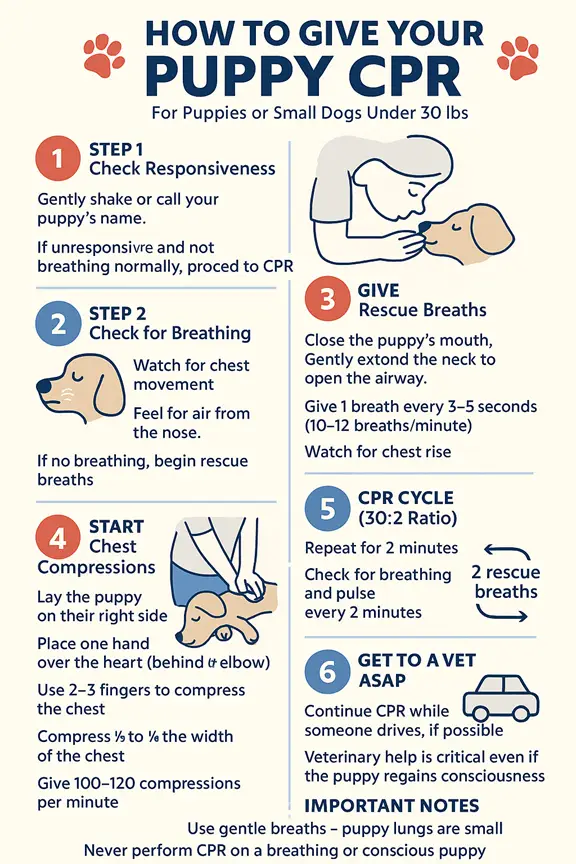
Some house training problems come from health issues. Frequent accidents or trouble controlling bladder can signal illness. Puppies with infections or digestive problems need vet care. A vet checks for medical causes and suggests treatment. Early care prevents long-term problems and aids training.
Credit: carrington.edu
Frequently Asked Questions
How Long Does House Training A Puppy Usually Take?
House training a puppy typically takes 4 to 6 months. Consistency, patience, and positive reinforcement speed up the process. Each puppy learns at its own pace, so avoid rushing and stay committed to training routines.
What Are The Best Methods For House Training Puppies?
The best methods include crate training, scheduled potty breaks, and positive reinforcement. Reward your puppy with treats and praise immediately after they eliminate outside. Avoid punishment as it can confuse and scare your puppy.
How Often Should I Take My Puppy Outside To Potty?
Take your puppy outside every 1 to 2 hours initially. Also, bring them out after meals, naps, and play sessions. Frequent trips help prevent accidents and teach your puppy where to go.
Can Crate Training Help With House Training A Puppy?
Yes, crate training is highly effective for house training. It leverages a puppy’s natural instinct to avoid soiling their sleeping area. Use the crate for short periods and always ensure it is comfortable and safe.
Conclusion
Training a puppy takes patience and care. Consistency helps your puppy learn faster. Praise and rewards make training positive. Expect accidents; they are part of learning. Stay calm and keep routines steady. Soon, your puppy will understand house rules. Enjoy the process and build a strong bond.
Every small step brings you closer together. Training creates a happy home for both of you. Keep trying, and success will follow.

