

Are you looking for a good recipe for homemade dog food that keeps your furry friend happy and healthy? Feeding your dog nutritious meals made from simple, wholesome ingredients can make a huge difference in their energy, coat, and overall well-being.
But with so many options out there, it’s easy to feel overwhelmed or unsure about what to include. This guide will show you exactly how to create tasty, balanced dog food at home—so you can give your pet the best without stress or guesswork.
Keep reading, and discover the recipe your dog will love!

Credit: barkbellybites.com
Benefits Of Homemade Dog Food
Making dog food at home offers many benefits for your pet’s health and well-being. It lets you give fresh, natural meals that suit your dog’s needs. Homemade dog food helps avoid fillers and harmful additives found in some commercial brands. Preparing meals yourself also builds a stronger bond with your dog through care and attention.
Health Advantages
Homemade dog food is fresher and often more nutritious than store-bought options. You can add wholesome ingredients like lean meats, vegetables, and grains. These provide essential nutrients that support energy, coat health, and digestion. This food reduces risks of allergies and sensitivities caused by artificial additives. Dogs often show better digestion and more energy with homemade meals.
Control Over Ingredients
You decide exactly what goes into your dog’s food. This control helps avoid harmful preservatives, fillers, and chemicals. You can tailor meals to your dog’s size, age, and health needs. This is useful for dogs with allergies or special dietary requirements. Using fresh, high-quality ingredients ensures your dog eats safe and healthy food every day.
Cost-effectiveness
Homemade dog food can save money over time. Buying ingredients in bulk and cooking at home costs less than premium dog food brands. You avoid paying for packaging, shipping, and marketing costs. Preparing meals in advance also helps reduce waste. Careful planning stretches your budget without sacrificing nutrition for your dog.
Essential Nutrients For Dogs
Dogs need a balanced diet to stay healthy and active. Homemade dog food must include all essential nutrients. These nutrients support growth, energy, and overall well-being. Understanding these key nutrients helps you create good recipes for your dog.
Proteins And Fats
Proteins build muscles and repair tissues in dogs. Good sources include chicken, beef, fish, and eggs. Fats provide energy and help keep the skin healthy. Healthy fats come from fish oil and flaxseed oil. Both proteins and fats are vital for a dog’s daily health.
Vitamins And Minerals
Vitamins help with immune function and bone strength. Minerals support nerve function and muscle activity. Important vitamins include A, D, and E. Key minerals are calcium, phosphorus, and potassium. Fresh vegetables and supplements can supply these nutrients.
Carbohydrates And Fiber
Carbohydrates give dogs energy for daily activities. Good sources are rice, oats, and sweet potatoes. Fiber aids digestion and prevents constipation. Vegetables like pumpkin and green beans offer fiber. Balance carbs and fiber for smooth digestion.
Safe Ingredients To Use
Choosing safe ingredients is key for healthy homemade dog food. Good ingredients support your dog’s health and energy. Avoid harmful foods and focus on natural, fresh options. Here are some safe ingredient groups for your dog’s meals.
Meats And Proteins
Lean meats are the best protein sources for dogs. Chicken, turkey, and beef provide essential amino acids. Fish like salmon adds healthy fats and omega-3 oils. Avoid processed meats with spices or additives. Cook all meats fully to kill bacteria. Eggs are also a great protein option. They offer vitamins and are easy to digest.
Vegetables And Fruits
Dogs benefit from vegetables and fruits in their diet. Carrots, green beans, and peas are safe and nutritious. Sweet potatoes provide fiber and vitamins. Apples (without seeds) and blueberries add antioxidants. Avoid onions, garlic, grapes, and raisins. These can be toxic to dogs. Always wash produce well and serve in small pieces.
Grains And Supplements
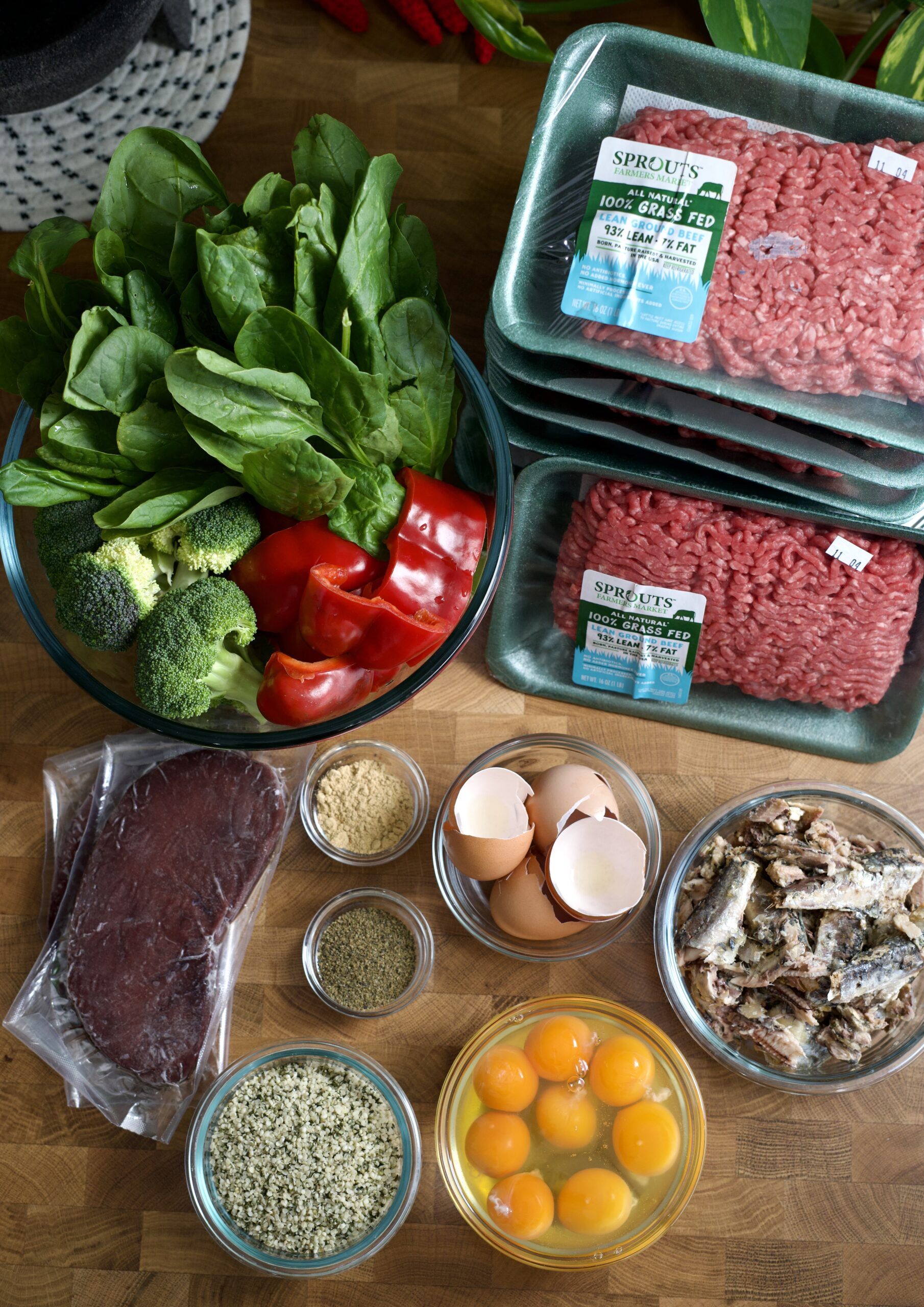
Whole grains add fiber and energy to dog food. Brown rice, oats, and quinoa are good choices. Avoid wheat or corn if your dog has allergies. Supplements like fish oil or a dog multivitamin may help. Calcium sources, such as ground eggshells, support bone health. Consult your vet before adding supplements to your dog’s diet.
Credit: stellanspice.com
Ingredients To Avoid
Choosing the right ingredients is very important for homemade dog food. Some ingredients can harm your dog’s health. Avoiding these keeps your pet safe and happy. Below are key ingredients to never include in your dog’s meals.
Toxic Foods For Dogs
Chocolate can cause serious illness and even death in dogs. Grapes and raisins may lead to kidney failure. Onions and garlic hurt red blood cells and cause anemia. Avoid caffeine, alcohol, and xylitol found in sugar-free gum. These foods are toxic and must be kept away from your dog.
Harmful Additives
Avoid artificial colors and flavors in homemade dog food. These can cause allergies and upset stomachs. Preservatives like BHA, BHT, and ethoxyquin may harm your dog’s health. Avoid salt and too much sugar, which can lead to heart problems and obesity. Fresh and natural ingredients are better choices.
Common Allergens
Some dogs react badly to certain foods. Wheat, corn, and soy often cause allergies. Dairy products can upset digestion in many dogs. Eggs and beef sometimes trigger skin problems. Watch for signs like itching, redness, or vomiting. Avoid these allergens if your dog shows sensitivity.
Easy Homemade Dog Food Recipes
Easy homemade dog food recipes offer a fresh and healthy option for your pet. These recipes use simple ingredients found in most kitchens. They provide balanced nutrition without artificial additives. Preparing food at home lets you control what your dog eats. It can improve digestion and reduce allergies. Below are three easy recipes to try at home.
Basic Chicken And Rice
This recipe uses plain chicken and rice. Boil chicken breasts until cooked through. Cook white rice separately until soft. Mix chicken and rice in a bowl. Add a small amount of cooked carrots or peas. Let cool before serving. This meal is gentle on the stomach and easy to digest.
Beef And Vegetable Mix
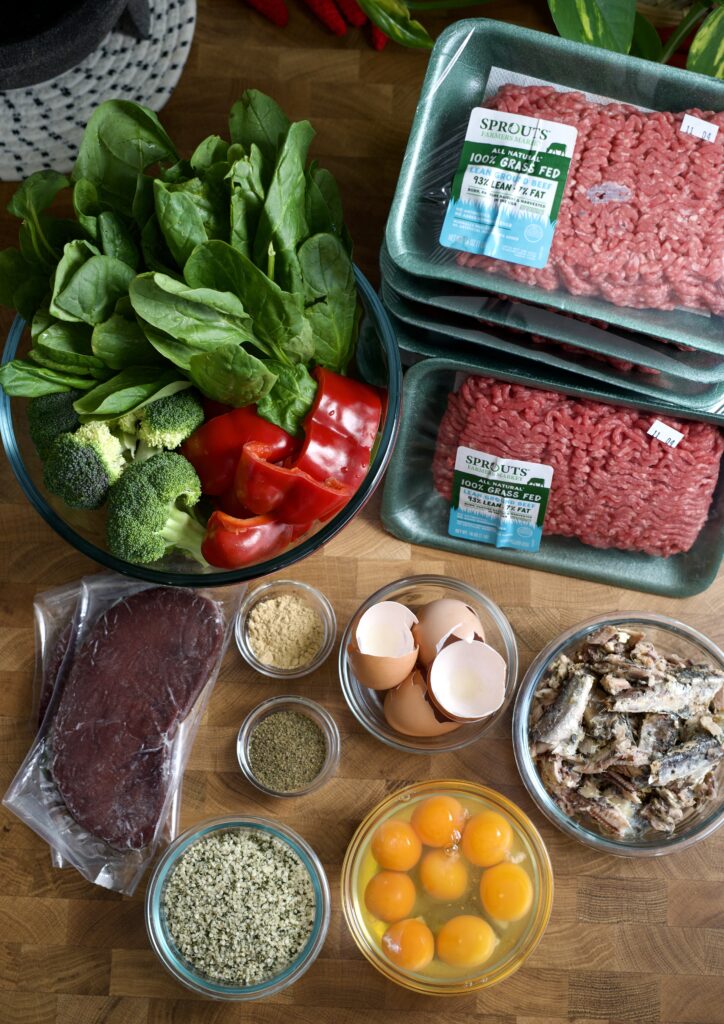
Use lean ground beef for this recipe. Brown the beef in a pan without oil. Chop vegetables like carrots, green beans, and spinach finely. Steam the vegetables until soft. Combine beef and vegetables in a bowl. Add a spoonful of cooked quinoa for extra energy. Cool the food before offering it to your dog.
Fish And Sweet Potato Blend
Choose a mild fish like salmon or whitefish. Bake or steam the fish until flaky. Cook sweet potatoes until soft and mash them. Mix fish and mashed sweet potatoes together. Add a handful of cooked peas or zucchini. Let the mixture cool completely. This meal is rich in omega-3 fatty acids and fiber.
Preparation And Storage Tips
Preparing homemade dog food is rewarding but needs care. Proper preparation keeps the food safe and tasty for your dog. Good storage preserves nutrients and avoids spoilage. Follow simple steps to make sure your dog enjoys every meal.
Cooking Methods
Cook ingredients thoroughly to kill harmful bacteria. Boiling is gentle and keeps nutrients. Steaming is good for vegetables and meat. Avoid frying or using spices that can harm dogs. Let the food cool before serving to prevent burns.
Portioning And Serving
Divide food into daily portions to keep freshness. Use containers that fit your dog’s meal size. Serve food at room temperature to improve taste and digestion. Avoid leaving food out too long to stop bacteria growth.
Storing And Shelf Life
Store homemade dog food in airtight containers. Keep it in the fridge for up to three days. Freeze extra portions for up to two weeks. Thaw frozen food in the fridge, never at room temperature. Check for signs of spoilage before feeding your dog.
Consulting Your Veterinarian
Consulting your veterinarian is the first step before making homemade dog food. They know your dog’s health history and needs best. A vet can guide you on safe ingredients and proper nutrition. This helps avoid common mistakes that may harm your dog.
Tailoring Recipes To Your Dog
Every dog is different. Age, size, breed, and health all affect diet needs. Your vet can suggest recipes that fit your dog’s unique profile. They can recommend the right balance of proteins, fats, and carbs. This ensures your dog gets the nutrients it needs to thrive.
Monitoring Health Changes
After switching to homemade food, watch your dog closely. Look for changes in energy, weight, and digestion. Your vet can help spot problems early. Regular checkups will track how the new diet affects your dog’s health. Adjustments may be needed based on these observations.
Adjusting Diet Over Time
Dogs’ needs change over time. Growth, aging, and health issues can affect nutrition. Your vet can update recipes to match these changes. This keeps your dog healthy and happy throughout life. Homemade meals should evolve with your dog’s needs.
Credit: stellanspice.com
Frequently Asked Questions
What Ingredients Make A Good Homemade Dog Food Recipe?
A good recipe includes lean protein, vegetables, grains, and healthy fats. Avoid toxic foods like onions and chocolate. Balance nutrients to meet your dog’s dietary needs for optimal health and energy.
How Do I Ensure Homemade Dog Food Is Balanced?
Consult a vet or pet nutritionist to create a balanced recipe. Include protein, carbs, fats, vitamins, and minerals. Proper balance supports your dog’s growth, immunity, and overall well-being.
Can Homemade Dog Food Meet All Nutritional Needs?
Yes, if carefully planned with the right ingredients and supplements. Regular vet check-ups help ensure your dog gets complete nutrition and stays healthy.
How Often Should I Feed Homemade Dog Food?
Feed homemade meals twice daily, like commercial dog food. Stick to consistent portion sizes to maintain a healthy weight and digestion.
Conclusion
A good homemade dog food recipe keeps your pet healthy and happy. Use fresh ingredients like meat, vegetables, and grains. Balance nutrients to support your dog’s energy and growth. Always check with a vet before changing diets. Simple recipes can be tasty and nutritious.
Cooking at home shows love and care for your dog. Try different recipes to find what your dog likes best. Homemade meals can improve your dog’s health and mood. Keep meals safe and clean for best results. Your dog will thank you with wagging tails and joy.


