

You want the best for your dog, right? One of the biggest questions dog owners face is when to switch from puppy food to adult dog food.
Choosing the right time can affect your dog’s health, energy, and happiness. If you change too early or too late, it might cause problems you don’t want. Keep reading to discover the exact age your dog should start adult dog food and how to make the transition smooth and safe.
Your furry friend deserves the best nutrition at every stage—let’s make sure you get it right!
Puppy Growth Stages
Puppy growth happens in clear stages. Each stage shows changes in size, diet, and activity. Knowing these stages helps you feed your puppy right. Feeding affects their health and energy. The right food supports strong bones and muscles. It also helps the brain and immune system grow well.
From Newborn To Weaning
Newborn puppies drink their mother’s milk only. This milk gives all the nutrients they need. Puppies cannot eat solid food yet. They stay close to their mother. This stage lasts about 3 to 4 weeks. During this time, puppies grow fast but gently.
Rapid Growth Phase
After weaning, puppies start eating solid food. Their bodies grow quickly now. Bones lengthen, muscles get stronger. They need food high in protein and fat. This food fuels their busy, playful days. Feeding must be balanced to avoid weight problems.
Transition To Adolescence
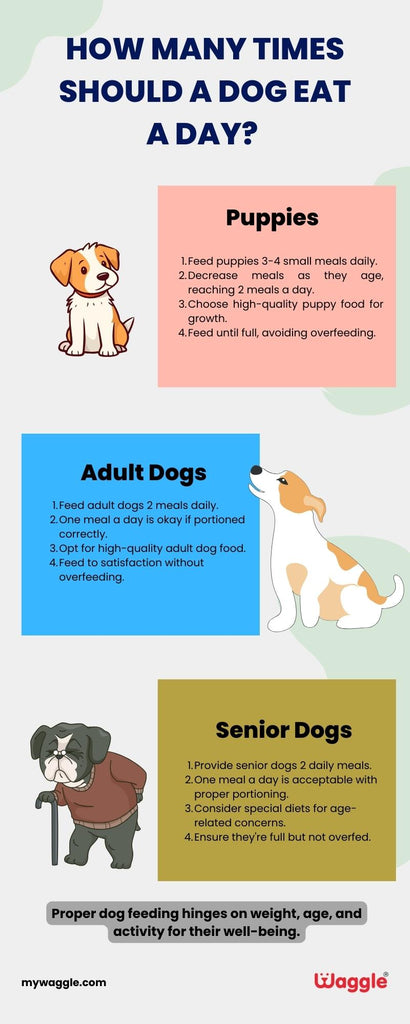
At about 6 months, puppies enter adolescence. Growth slows down but continues steadily. Their energy needs change, too. Food should support steady growth without excess calories. This stage lasts until about 12 months. Feeding the right adult dog food can start here.
Credit: www.scala-santa.com
When To Switch Food
Knowing when to switch your dog to adult food is important for their health. Puppies grow fast, and their nutrition needs change. Feeding them the right food at the right time helps them stay strong and healthy. Watch your dog closely to decide the best time for the change.
Signs Your Dog Is Ready
Look for changes in your dog’s size and energy. When your puppy stops growing rapidly, it might be time to switch. Their teeth also change, becoming more adult-like. Your dog may show less playful puppy behavior and more calmness. These signs mean their body needs different nutrients.
Breed And Size Considerations
Small and large breeds grow at different speeds. Small breeds often mature faster and need adult food sooner. Large breeds take longer to grow and may need puppy food for a longer time. Check your dog’s breed to guide the food switch timing. This helps meet their unique growth needs.
Veterinarian Recommendations
Your vet knows your dog’s health best. They can tell you the right age to switch foods. Vets may suggest tests to check your dog’s growth. Follow their advice to avoid health problems. Regular check-ups make sure your dog stays on the right diet path.
Choosing Adult Dog Food
Choosing the right adult dog food is important for your pet’s health. Adult dogs have different needs than puppies. Their food should help keep them active and strong. Good adult dog food supports healthy digestion and a shiny coat. It also provides the right energy level for daily activities.
Knowing what to look for can make this task easier. Understanding the types of adult dog food and how to read labels helps you pick the best option. Meeting your dog’s nutritional needs is the key to a happy, healthy pet.
Nutritional Needs For Adults
Adult dogs need balanced nutrition to stay healthy. Protein is essential for muscle maintenance and repair. Fat provides energy and supports skin health. Carbohydrates supply fuel for daily activities. Vitamins and minerals help the immune system and bone strength. Fiber aids digestion and keeps the gut healthy.
The amount of each nutrient varies by dog size and activity level. Older dogs may need fewer calories but more joint support. Active dogs require more energy and protein. Choosing food that fits your dog’s lifestyle is vital.
Types Of Adult Dog Food
Dry kibble is popular for its convenience and dental benefits. Wet food has more moisture, which helps hydration. Semi-moist food is soft and easy to chew. Raw diets include uncooked meat and bones but require care. Home-cooked meals allow control over ingredients but need proper balance.
Select a type that suits your dog’s preferences and health needs. Mixing different types can offer variety and added nutrition.
Reading Dog Food Labels
Labels provide key information about ingredients and nutrition. Look for a named protein source, like chicken or beef, at the top. Avoid vague terms like “meat” or “by-products.” Check guaranteed analysis for protein, fat, fiber, and moisture levels. The ingredient list should be short and clear.
Look for statements from AAFCO that confirm the food meets nutritional standards. Watch for added sugars and artificial preservatives. Choose foods with natural ingredients and no fillers. Understanding labels helps you make informed choices for your dog.
Making The Transition
Changing your dog’s food from puppy to adult is an important step. It helps your dog stay healthy and get the right nutrients. The switch should be smooth to avoid stomach problems or refusal to eat. Careful planning and patience make the change easier for your dog.
Gradual Food Change Process
Start by mixing a small amount of adult food with puppy food. Increase the adult food amount every few days. Do this over 7 to 10 days for the best results. This slow change helps your dog’s body adjust. Avoid switching suddenly to prevent upset stomachs.
Managing Digestive Adjustments
Your dog’s digestion may take time to adapt. Watch for signs like loose stools or vomiting. Offer plenty of fresh water to help digestion. If problems last more than a few days, consult your vet. Feeding smaller meals more often can also ease digestion.
Monitoring Your Dog’s Health
Keep an eye on your dog’s energy and appetite during the change. Note any weight loss or gain. Healthy skin and coat show good nutrition. Regular vet visits ensure your dog thrives on adult food. Adjust food type or amount if needed.
Special Cases
Special cases require careful attention when deciding the right time to switch to adult dog food. Every dog is unique. Their breed, age, and health can change their diet needs. Understanding these differences helps you choose the best food for your dog’s growth and health.
Large Breeds Vs Small Breeds
Large breed dogs grow slower than small breeds. They often need puppy food longer to support their bones and joints. Small breeds mature faster and can start adult food earlier. Feeding the wrong food too soon can cause health problems. Tailor the diet to your dog’s size and growth rate.
Senior Dogs And Food Needs
Older dogs need special nutrition to stay healthy. Their metabolism slows down, and they may need fewer calories. Senior dog food has nutrients to support joints and digestion. Switching to senior food at the right time helps keep your dog active and comfortable.
Dogs With Health Issues
Dogs with health problems need customized diets. Conditions like allergies, kidney issues, or obesity require special food formulas. Consult your vet before changing your dog’s diet. Proper nutrition can improve their quality of life and manage symptoms better.
Credit: www.petmd.com

Credit: www.help.sc.ug
Frequently Asked Questions
When Should Puppies Switch To Adult Dog Food?
Puppies typically switch to adult dog food between 12 to 18 months. Small breeds may transition earlier, while large breeds may take longer. Consult your vet for the best timing based on your dog’s breed and growth rate to ensure proper nutrition.
Why Is The Right Age Important For Switching Dog Food?
Switching at the right age ensures your dog gets appropriate nutrients for growth and health. Feeding adult food too early can lack essential puppy nutrients. Delaying the switch may cause unnecessary calorie intake. Proper timing supports optimal development and overall well-being.
How To Know If My Dog Is Ready For Adult Food?
Signs include reaching about 80% of adult size, slowed growth, and increased energy stability. Your vet can assess your dog’s readiness. Observing weight and activity levels also helps determine the right time for the switch to adult dog food.
Can Switching Too Early Harm My Puppy?
Yes, switching too early can cause nutrient deficiencies. Puppy food supports rapid growth and development. Adult food may not provide enough protein and calories. Early switching can impact bone health and immune function, so timing is crucial for puppy health.
Conclusion
Choosing the right time to switch your dog to adult food matters. Most dogs start adult food between one and two years old. This helps meet their changing energy and health needs. Watch your dog’s size and activity to decide the best moment.
Always check with your vet before making changes. Healthy food supports a happy, strong dog. Keep your dog’s diet balanced for a long, joyful life. Small steps make a big difference in your dog’s health. Trust your care and attention—they guide you well.


