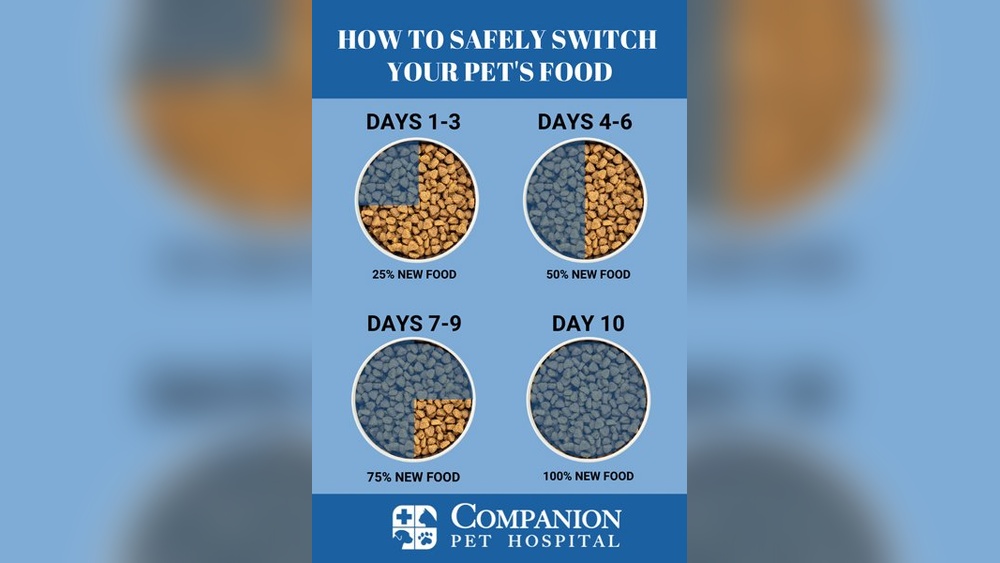
Are you unsure how much food your adult dog really needs each day? Feeding your dog the right amount is key to keeping them healthy and happy.
Too little food can leave them hungry and weak, while too much can lead to weight gain and health problems. You’ll discover simple, clear guidelines to help you find the perfect portion for your furry friend. Keep reading to learn how to make mealtime just right for your dog’s unique needs.
Daily Calorie Needs
Understanding your adult dog’s daily calorie needs is essential for its health. Calories are units of energy from food. Dogs need the right amount to stay active and maintain weight. Too many calories cause weight gain. Too few lead to weakness and health problems. Knowing daily calorie needs helps you feed your dog properly every day.
Factors Influencing Calorie Requirements
Several factors affect how many calories your dog needs. Size plays a big role. Larger dogs require more calories than smaller ones. Age matters too. Older dogs usually need fewer calories. Activity level also affects calorie needs. Active dogs burn more energy and need more food. Breed can influence metabolism. Some breeds have faster metabolism than others. Health status impacts calorie needs. Sick or recovering dogs may need different amounts.
Calculating Your Dog’s Energy Needs
Calculating energy needs starts with your dog’s weight. Use the formula: Resting Energy Requirement (RER) = 70 × (weight in kg)^0.75. This gives the calories needed at rest. Multiply RER by a factor based on activity. For example, 1.2 for a sedentary dog, up to 2.0 for very active dogs. This total is the daily calorie need. Adjust based on your dog’s response. Monitor weight and energy to find the right amount.
Portion Sizes By Weight
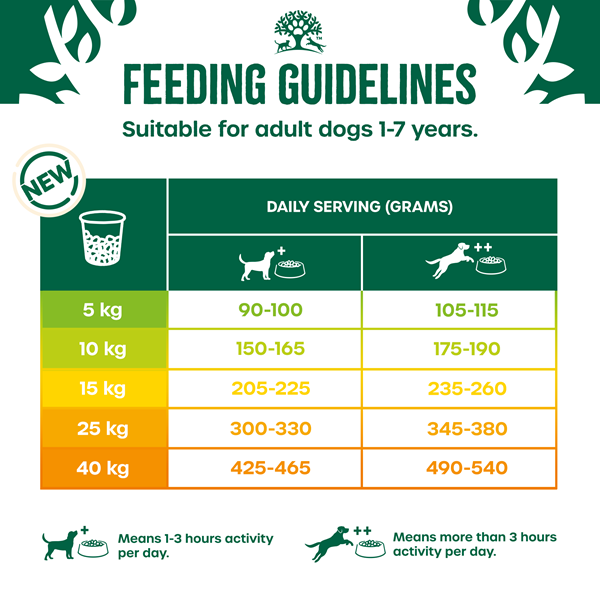
Feeding an adult dog the right amount of food is key to its health. Portion sizes depend mainly on the dog’s weight. Smaller dogs eat less, while bigger dogs need more energy and food.
Knowing the right portion helps avoid overfeeding or underfeeding. Both can cause health problems. Use the dog’s weight as a guide to measure daily food portions.
Small Breeds
Small dogs weigh under 20 pounds. They need about ⅓ to 1 cup of dry food daily. This amount splits into two meals. Small breeds burn energy fast but eat less at once.
Medium Breeds
Medium dogs weigh 20 to 50 pounds. They need about 1 to 2 cups of dry food each day. Divide this into two meals for easy digestion. Medium breeds balance energy needs and portion sizes well.
Large Breeds
Large dogs weigh more than 50 pounds. They need 2 to 4 cups of dry food daily. Large breeds require more calories but must avoid overeating. Serving food in two or three meals works best.
Feeding Based On Activity Level
Feeding your adult dog depends a lot on how active they are. Dogs burn calories differently based on their daily movement and energy use. Adjusting food portions to match activity helps keep your dog healthy and happy.
Activity level affects how much energy your dog needs. Too little food can cause weakness. Too much food can lead to weight gain. Knowing your dog’s activity helps you feed the right amount.
Sedentary Dogs
Sedentary dogs move very little each day. They may spend most time resting or sleeping. These dogs need fewer calories to avoid weight gain.
Feed smaller portions or low-calorie food. Avoid giving many treats or table scraps. Monitor their weight and adjust food if needed.
Moderately Active Dogs
Moderately active dogs have regular daily walks or playtime. They burn more energy than sedentary dogs but less than active dogs. Their food portion should be balanced to support this energy use.
Feed according to your dog’s size and activity duration. Watch their weight and energy levels. Adjust food slightly if they gain or lose weight.
Highly Active Dogs
Highly active dogs get intense exercise or work daily. These dogs need more calories to fuel their activity. Their food portions should be larger or more nutrient-rich.
Provide high-quality food with protein and fat. Keep fresh water available at all times. Monitor body condition to avoid overfeeding or underfeeding.
Credit: www.bowlerspets.com
Types Of Dog Food
Choosing the right type of food is key for your adult dog’s health. Different foods offer various benefits and nutrients. Understanding each type helps you feed your dog properly. This section explains the main types of dog food available.
Dry Kibble
Dry kibble is the most common dog food type. It is easy to store and lasts long. Kibble helps keep your dog’s teeth clean by reducing plaque. It comes in many flavors and formulas. You can find options for different dog sizes and needs. Dry food is usually cost-effective and convenient.
Wet Food
Wet food has a high moisture content. It appeals to dogs with picky appetites. The soft texture is gentle on older dogs’ teeth. Wet food often smells stronger, attracting dogs to eat more. It can be mixed with dry food for variety. Wet food tends to be more expensive than dry kibble.
Raw And Homemade Diets
Raw and homemade diets use fresh ingredients. Owners prepare meals using raw meat, vegetables, and grains. This type gives control over what your dog eats. Some dogs may benefit from this natural diet. It requires more time and knowledge to balance nutrients. Always check with a vet before switching to homemade food.
Adjusting Food Amounts
Adjusting the amount of food you give your adult dog is important. Dogs’ needs change over time. Their activity, health, and environment affect how much they should eat. Feeding the right amount keeps your dog healthy and happy.
Monitoring Body Condition
Check your dog’s body regularly. Feel their ribs. You should feel them but not see them. Look at their waist from above. It should be visible but not too thin. If your dog looks too thin or overweight, change the food amount.
Seasonal And Life Stage Changes
Dogs eat more in cold weather to stay warm. They may need less food in hot months. Older dogs often eat less. Puppies and young adults need more energy and food. Watch your dog’s needs and adjust feeding as they grow or seasons change.
Common Feeding Mistakes
Feeding an adult dog might seem simple, but many dog owners make common mistakes. These errors can affect your dog’s health and happiness. Learning about these mistakes helps you provide the right amount of food. Proper feeding supports your dog’s energy, weight, and overall well-being.
Overfeeding Risks
Giving too much food can cause obesity in dogs. Obesity leads to joint problems and low energy. It also raises the risk of diabetes and heart disease. Overfeeding often happens when owners use treats too often. Measuring food incorrectly adds to the problem. Overweight dogs may live shorter lives with more health issues.
Underfeeding Consequences
Not feeding enough food can cause weight loss and weakness. Your dog might lack energy for daily activities. Underfeeding can harm the immune system and slow healing. It may also cause nutrient deficiencies and poor coat condition. Dogs that don’t eat enough may become anxious or irritable. Proper portion sizes keep your dog healthy and happy.
Tips For Feeding Routine
Creating a good feeding routine helps your dog stay healthy and happy. Dogs feel secure with regular meal times. It also helps control their weight and digestion. A steady routine makes feeding easier for both you and your dog.
Meal Frequency
Adult dogs usually eat two meals a day. This keeps their energy steady throughout the day. Some dogs may need one or three meals depending on their size and health. Small breeds may do better with more frequent, smaller meals. Large breeds often do well with two meals spaced apart.
Try to feed your dog at the same times every day. This helps their body get used to the schedule. Avoid free feeding, which means leaving food out all day. Free feeding can lead to overeating and weight gain.
Choosing Feeding Times
Choose feeding times that fit your daily routine. Many dog owners feed in the morning and evening. This fits well with most schedules and helps dogs stay calm during the day. Avoid feeding right before or after exercise. Dogs need time to rest before eating to prevent stomach issues.
Watch your dog’s behavior after meals. Adjust feeding times if your dog seems restless or hungry. Consistency is key. Feeding at regular times helps your dog feel safe and cared for.
Credit: wellbeloved.com
Credit: www.bowlerspets.com
Frequently Asked Questions
How Much Food Does An Adult Dog Need Daily?
An adult dog typically needs 2% to 3% of its body weight in food daily. This varies based on breed, activity, and metabolism. Consult your vet for personalized advice to maintain a healthy weight and energy level for your dog.
What Factors Affect Adult Dog Food Quantity?
Factors like age, size, activity level, and metabolism influence food needs. Active dogs require more calories, while less active ones need less. Health conditions also impact dietary requirements. Adjust portions accordingly to keep your dog healthy and active.
Can Feeding Too Much Harm Adult Dogs?
Yes, overfeeding can lead to obesity, joint issues, and diabetes in dogs. It reduces their lifespan and quality of life. Monitor portions carefully and avoid excessive treats to maintain your dog’s optimal health.
How To Measure The Right Food Amount For Dogs?
Use a kitchen scale or measuring cup to portion food accurately. Follow feeding guidelines on dog food packaging as a starting point. Regularly adjust portions based on your dog’s weight and activity changes.
Conclusion
Feeding your adult dog the right amount keeps them healthy and happy. Each dog needs a different portion based on size, age, and activity. Watch their weight and energy to adjust food as needed. Fresh water should always be available.
Consult a vet for personalized advice. Feeding well helps your dog live a long, joyful life. Simple care makes a big difference. Keep learning and caring every day.