

Are you wondering if your puppy can eat adult dog food? It’s a common question for many pet owners like you.
Choosing the right food is crucial for your puppy’s growth and health. Feeding the wrong type of food could affect their development or cause digestive issues. You’ll discover why it matters, what risks to watch out for, and how to make the best choice for your furry friend.
Keep reading to learn how to give your puppy the nutrition they truly need.
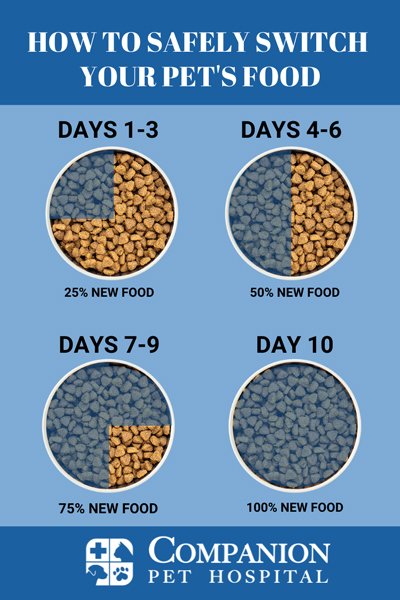
Credit: companionpethospital.com
Puppy Nutritional Needs
Puppies need special food to grow healthy and strong. Their bodies change fast. They use more energy than adult dogs. Good nutrition helps their bones, muscles, and brains develop well.
Choosing the right food supports their health now and in the future. Feeding adult dog food might miss key nutrients puppies require. Understanding puppy nutritional needs is important for their well-being.
Growth And Development Requirements
Puppies grow quickly in the first year. Their bodies build bones and muscles. They need more calories than adult dogs. This energy fuels their rapid growth and playful energy. Proper food helps avoid growth problems. It supports strong bones and healthy organs. Puppies need frequent meals to keep up with growth. Adult dog food often lacks enough calories for this stage.
Key Nutrients For Puppies
Puppies need protein for muscle and tissue growth. Fat provides energy and supports brain development. Calcium and phosphorus help build strong bones and teeth. DHA, a type of fat, aids brain and eye health. Vitamins and minerals keep the immune system strong. Adult dog food usually has lower levels of these nutrients. Feeding puppies the right balance ensures they grow healthy and active.

Credit: gentledogtrainers.com.au
Differences Between Puppy And Adult Dog Food
Puppy food and adult dog food differ in many ways. Puppies need special nutrition to grow strong and healthy. Adult dogs have different needs to stay fit and active. Feeding the right food helps dogs live longer and feel better.
Understanding these differences is important for every dog owner. It helps provide the best care for dogs at every stage of life.
Calorie And Protein Content
Puppies need more calories than adult dogs. Their bodies grow fast and need extra energy. Puppy food has higher calories to support this growth. Protein levels are also higher. Protein helps build muscles and strong bones. Adult dog food has fewer calories because adults burn less energy. Protein is lower to maintain muscle without extra growth.
Vitamin And Mineral Balance
Puppy food contains more vitamins and minerals. These nutrients support brain development and bone health. Calcium and phosphorus are carefully balanced for strong teeth and bones. Adult dog food has different balances. It focuses on maintaining health without encouraging rapid growth. The right mix keeps adult dogs active and prevents health problems.
Risks Of Feeding Adult Food To Puppies
Feeding adult dog food to puppies can cause several problems. Puppies have special needs that adult food does not meet. Their growing bodies require different nutrients and energy levels. Using adult food can lead to health risks that affect their growth and well-being.
Nutritional Deficiencies
Puppies need more protein, fat, and certain vitamins than adult dogs. Adult dog food often lacks these essential nutrients. This can slow their growth and weaken their immune system. Missing key nutrients can cause poor bone development and low energy.
Digestive Issues
Puppies have sensitive stomachs that need gentle care. Adult dog food may be harder for them to digest. This can cause upset stomach, diarrhea, or vomiting. Digestive problems can make puppies uncomfortable and affect their appetite.
Long-term Health Effects
Feeding adult food to puppies can lead to lasting damage. Poor nutrition in early life may cause joint problems and weak muscles. It can also affect their heart and organ health. Long-term effects reduce a puppy’s quality of life and lifespan.
When Adult Food Might Be Appropriate
Puppies need special food to grow strong and healthy. But sometimes, adult dog food can be suitable. This depends on the puppy’s age, size, and health. Knowing when adult food might be okay is important for their well-being. Below are situations where adult dog food may be used for puppies.
Transitional Feeding Periods
As puppies grow, they slowly change from puppy food to adult food. This change is called the transitional feeding period. It usually starts around 9 to 12 months old. Large breeds may switch later, around 12 to 18 months. During this time, mixing puppy and adult food helps. This mix allows the puppy’s body to adjust without stress. The transition should be gradual, over one or two weeks. Sudden changes can upset their stomach. Watch for any signs of discomfort or poor digestion.
Veterinary Recommendations
Veterinarians may suggest adult dog food for puppies in some cases. Puppies with certain health issues might need a different diet. Some adult dog foods have special nutrients for health problems. Your vet will assess the puppy’s needs carefully. Follow their advice on the type and amount of food. Regular check-ups help track the puppy’s growth and health. Adjusting food based on vet guidance keeps puppies safe and strong.
Expert Tips For Choosing Puppy Food
Choosing the right food for your puppy is very important for their growth. Puppies need special nutrition to stay healthy and strong. Picking the best food helps support their bones, muscles, and immune system. Here are expert tips to guide you in selecting the perfect puppy food.
Reading Labels And Ingredients
Check the food label carefully. Look for the word “complete” and “balanced.” This means the food meets all your puppy’s needs. Ingredients matter a lot. Meat should be one of the first ingredients. Avoid foods with too many fillers like corn or wheat. Also, see if the food has added vitamins and minerals. These help your puppy grow well.
Consulting With Veterinarians
Ask a vet for advice about your puppy’s diet. Veterinarians know what puppies need at different ages. They can suggest the best brands and formulas. A vet can also spot if your puppy has allergies or special needs. Getting professional advice helps avoid feeding mistakes. This keeps your puppy happy and healthy.
Homemade Vs. Commercial Puppy Diets
Choosing the right diet for a puppy is very important. Puppies need food that supports their growth and energy. There are two main options: homemade meals and commercial puppy diets. Each has different benefits and challenges. Understanding these can help you make the best choice for your puppy’s health.
Pros And Cons Of Homemade Meals
Homemade meals allow full control over ingredients. You can choose fresh and natural foods. This can be good for puppies with allergies or special needs.
Cooking at home takes time and effort. Balancing nutrients correctly is hard. Missing vitamins or minerals can harm puppy growth. Recipes must be carefully planned or guided by a vet.
Choosing Quality Commercial Brands
Commercial puppy foods are made to meet nutritional needs. They come in many types and flavors. These foods save time and ensure balanced nutrition.
Not all brands are equal. Some contain fillers or low-quality ingredients. Look for products with real meat and clear labels. Check for AAFCO approval to ensure safety and quality.
Signs Your Puppy Needs A Dietary Change
Knowing when to change your puppy’s diet is important for healthy growth. Puppies need special nutrients that adult dog food may not provide. Signs your puppy needs a dietary change can show in how they act and look. Watch your puppy closely for these clues. Early changes can prevent health problems later.
Behavioral And Physical Indicators
Your puppy may act tired or less playful than usual. A lack of energy can mean poor nutrition. Look for changes in appetite. Eating less or refusing food can signal a problem.
Physical signs include dull fur and dry skin. Your puppy’s coat should be shiny and soft. Weight loss or slow growth also shows diet issues. Loose stools or diarrhea can mean the food does not agree with them.
When To Seek Professional Help
Consult a vet if your puppy shows ongoing signs of poor health. Sudden weight loss or vomiting needs immediate attention. A vet can check for medical problems and suggest the right food. Regular check-ups help track your puppy’s growth and nutrition needs.
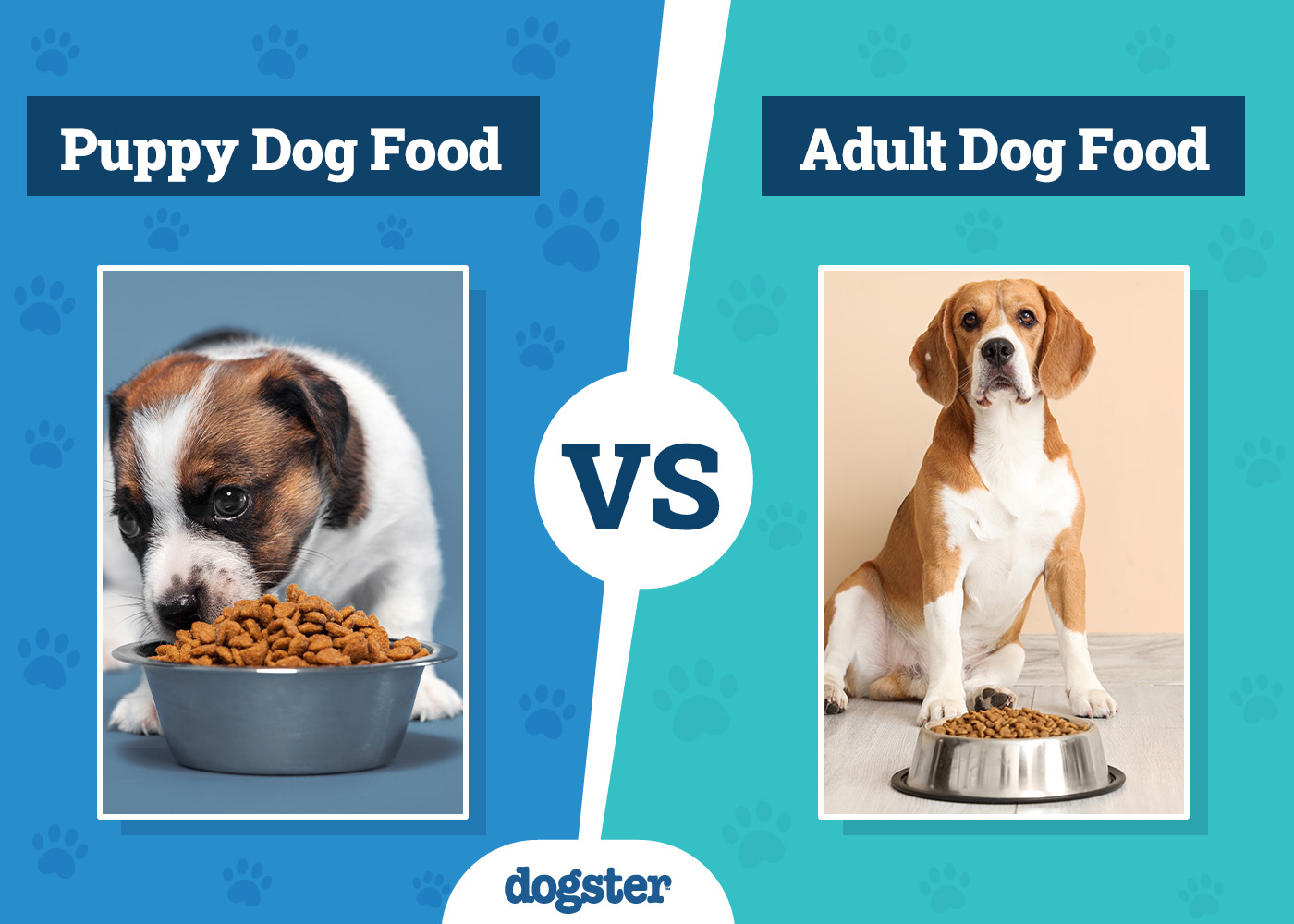
Credit: www.dogster.com
Frequently Asked Questions
Can Puppies Eat Adult Dog Food Safely?
Puppies should not eat adult dog food regularly. It lacks essential nutrients for their growth. Puppy food supports development with higher protein and fat.
When Can A Puppy Switch To Adult Dog Food?
Most puppies switch to adult dog food around one year old. Large breeds may switch later, at 12 to 18 months. Consult your vet for the best timing.
What Happens If Puppies Eat Adult Dog Food?
Feeding puppies adult dog food can cause nutrient deficiencies. It may lead to poor growth, weak bones, and health problems. Always choose food formulated for puppies.
Is Adult Dog Food Harmful For A Puppy’s Growth?
Adult dog food isn’t harmful in small amounts but isn’t ideal. It lacks vital nutrients puppies need for healthy development. Puppy food is specially balanced for growth.
Conclusion
Puppies need special food to grow strong and healthy. Adult dog food lacks the right nutrients for their development. Feeding adult food to puppies can cause health problems. Always choose food made for puppies during their first year. Consult your vet to know the best diet for your puppy.
Proper nutrition helps your puppy thrive and stay active. Remember, good food builds a happy, healthy dog for life. Take care with their diet—it matters a lot.


