

Are you wondering when it’s time to switch your furry friend from puppy food to adult dog food? Getting this right is more important than you might think.
Feeding your dog the right food at the right age helps keep them healthy, energetic, and happy for years to come. But how do you know exactly when to make the change? Keep reading, because understanding the perfect timing could make a big difference in your dog’s health and well-being.
Let’s dive into what you need to know to make the best choice for your loyal companion.
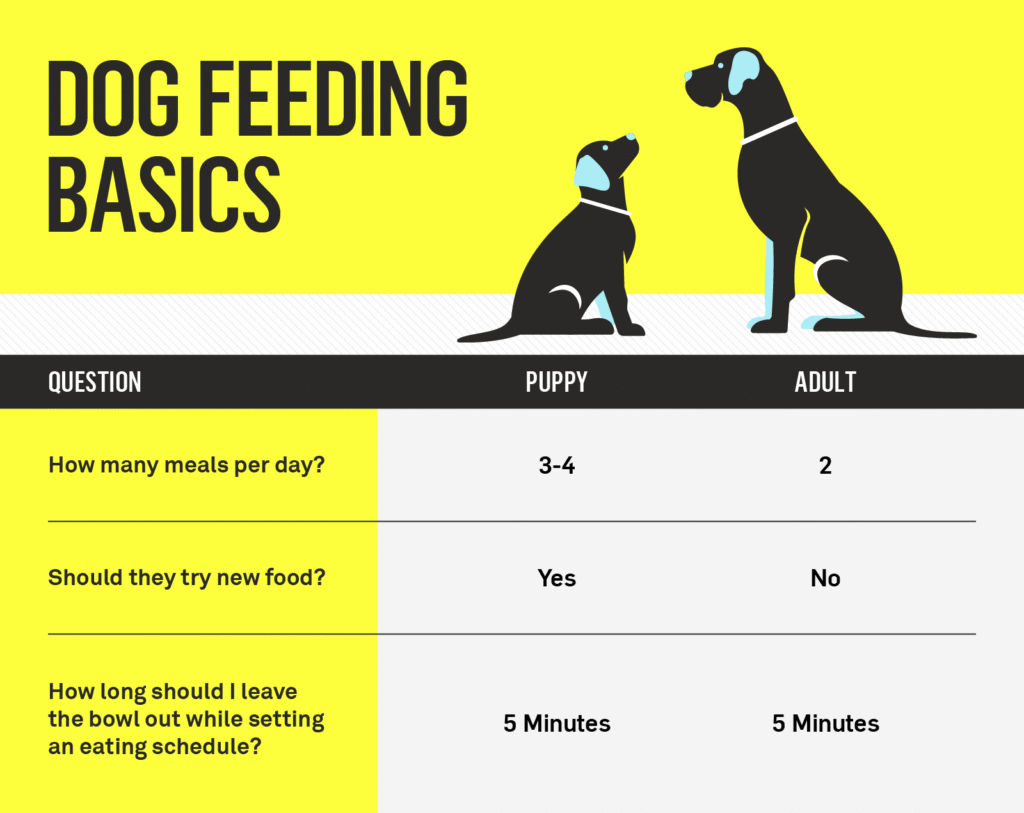
Credit: www.gallant.com
Puppy Growth Stages
Puppy growth happens in clear stages. Each stage needs special care and the right food. Knowing these stages helps you decide when to switch to adult dog food. Puppies grow fast and their nutritional needs change with age.
Neonatal To Weaning Phase
This stage covers birth to about 4 weeks old. Puppies rely on their mother’s milk for nutrients. Their tiny bodies grow quickly and need extra care. Around 3 to 4 weeks, puppies start tasting soft, wet food. This is the start of weaning from milk to solid food.
Juvenile Development
From 4 weeks to 6 months, puppies grow stronger and more active. They need more calories and protein to build muscles and bones. Their teeth come in and they start eating dry puppy food. This phase requires food rich in nutrients to support rapid growth and health.
Adolescence In Dogs
Adolescence runs from 6 months to 12 months or older. Growth slows down but energy remains high. Nutritional needs shift to prepare for adult life. Larger breeds may take longer to mature. This is the time to think about switching to adult dog food, depending on the breed and vet advice.
Differences In Dog Food Types
Dog food varies greatly depending on a dog’s age and needs. Each type supports different growth stages and health requirements. Understanding these differences helps you choose the right food at the right time. This keeps your dog healthy and happy throughout life.
Puppy Food Nutrients
Puppy food contains more calories for energy. It has extra protein to build muscles and tissues. Puppies need more fat to support brain growth. Vitamins and minerals help strengthen bones and the immune system. These nutrients support fast growth and development.
Adult Dog Food Composition
Adult dog food has fewer calories than puppy food. It focuses on balanced nutrition to maintain health. Protein levels are moderate to support muscles without excess. Fat content is lower to prevent weight gain. Fiber helps with digestion and overall wellness.
Senior Dog Food Needs
Senior dog food has fewer calories to avoid obesity. It includes joint-supporting supplements like glucosamine. Protein remains important but in easily digestible forms. Fiber helps with digestion and bowel regularity. Antioxidants protect cells and boost immunity for older dogs.
Signs To Switch To Adult Food
Knowing when to switch your dog to adult food is important. Puppies grow fast and their needs change. Signs show when it is time to make the switch. Watch your dog closely to spot these signs. This helps keep them healthy and strong.
Physical Growth Indicators
One clear sign is your dog’s size. Puppies stop growing in height. Their bones and muscles fill out. Weight gain slows down or stops. Teeth change from puppy to adult teeth. Check if your dog looks fuller and less puppy-like.
Behavioral Changes
Puppies have lots of energy and play often. Adult dogs may calm down and rest more. Appetite may change too. Adult dogs eat less than growing puppies. Notice if your dog seems less active and hungrier at set times.
Veterinarian Recommendations
Ask your vet for advice on switching food. They know your dog’s breed and health needs. Vets suggest the best age to switch food. They also check for health issues. Follow their guidance to keep your dog healthy.
Timing By Breed And Size
Switching your dog to adult food depends on their breed and size. Different dogs grow at different rates. Timing the switch correctly supports their health and energy needs. Knowing when to change helps avoid nutrition problems and supports steady growth.
Small Breeds
Small breed dogs grow faster than larger breeds. Most small dogs reach adulthood by 9 to 12 months. At this age, switch to adult dog food. Their metabolism is high, so adult food keeps their weight balanced. Small breeds need nutrient-rich food for strong bones and teeth.
Medium Breeds
Medium breed dogs mature slower than small breeds. They usually switch to adult food between 12 and 14 months. Medium breeds benefit from food with balanced protein and fat. This helps maintain muscle and energy levels. Switching too early or late can cause digestive issues.
Large And Giant Breeds
Large and giant breeds take the longest to mature. They grow until 18 to 24 months old. Keep them on puppy food longer to support joint and bone growth. Adult food suits them best after 18 months. Use food made for large breeds to protect their health.
Transitioning Gradually
Switching your dog from puppy food to adult food is an important step. Doing it slowly helps your dog’s stomach adjust. A sudden change can cause upset tummy or refusal to eat. Gradual switching makes the new food more acceptable and easier to digest.
Mixing Old And New Food
Start by mixing a small amount of adult food with puppy food. For example, 25% adult food and 75% puppy food. Increase the adult food amount over 7 to 10 days. This mix helps your dog get used to the new taste and texture.
Monitoring Digestion
Watch your dog’s stool and energy levels. Soft stool or diarrhea means the change is too fast. If your dog seems tired or refuses food, slow down the transition. Healthy digestion shows your dog is adjusting well.
Adjusting Portions
Adult dogs need fewer calories than puppies. Reduce food portions as you add adult food. Follow the feeding guide on the adult dog food bag. Keep your dog’s weight steady during the transition period.
Common Mistakes To Avoid
Choosing the right time to switch your dog to adult food is important. Many pet owners make simple mistakes that affect their dog’s health and growth. Avoiding these errors helps your dog stay healthy and happy.
Switching Too Early
Changing to adult dog food too soon can harm your puppy. Puppies need extra nutrients to grow strong. Adult food may not provide enough vitamins and minerals. Wait until your vet says your dog is ready.
Ignoring Nutritional Needs
Adult dogs have different nutritional needs than puppies. Some dog foods lack important ingredients for adult dogs. Check the label carefully before switching. Make sure the food meets your dog’s age, size, and activity level.
Sudden Food Changes
Switching dog food suddenly can upset your pet’s stomach. Digestive problems like diarrhea or vomiting may happen. Gradually mix small amounts of new food with the old one. Increase the new food over 7 to 10 days for a smooth change.
Health Benefits Of Proper Timing
Switching to adult dog food at the right time helps keep your dog healthy. It supports their body needs as they grow out of puppyhood. Feeding adult food too early or too late can cause health problems. Proper timing makes a big difference in your dog’s well-being.
Optimal Growth Support
Puppies need special nutrients to grow strong bones and muscles. Puppy food has extra protein and calories for this. Adult dog food has fewer nutrients for growth. Feeding adult food too soon can slow your puppy’s development. Switching at the right age ensures they get what they need to grow well.
Weight Management
Adult dog food has fewer calories than puppy food. Feeding adult food too late can cause your dog to gain weight. Overweight dogs face health risks like diabetes and joint problems. Proper timing helps keep your dog’s weight healthy. It matches their energy needs as they slow down.
Long-term Wellness
Changing dog food at the right time protects your dog’s health over years. Adult food supports their immune system and organ health better. It also helps maintain a healthy coat and teeth. Feeding the right food at the right age means fewer health issues later. Your dog lives a happier, longer life.
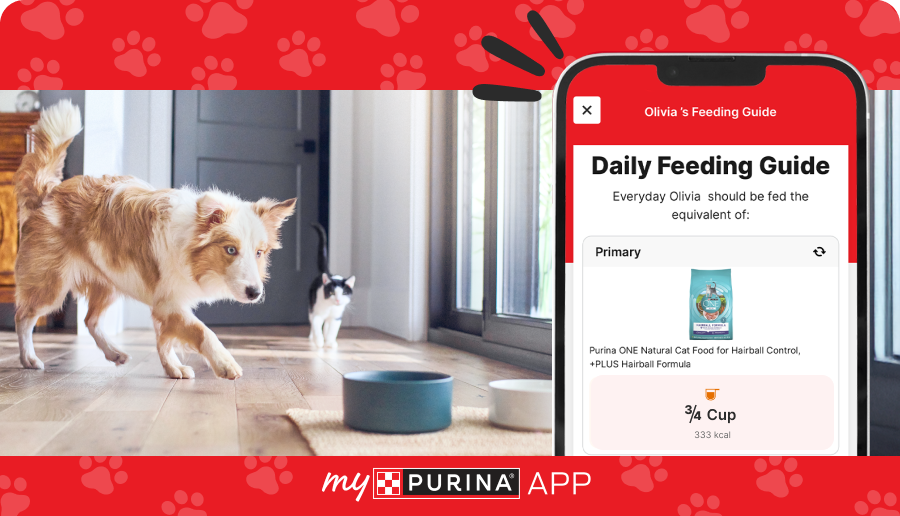
Credit: www.purina.com
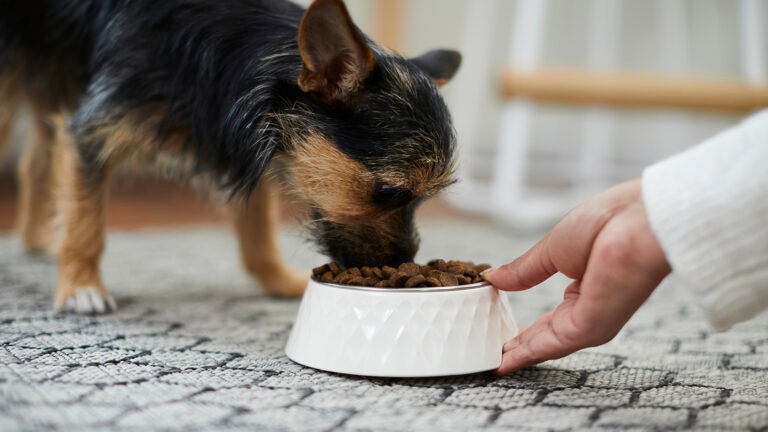
Credit: www.chewy.com
Frequently Asked Questions
When Should I Switch My Puppy To Adult Dog Food?
Switch to adult dog food when your puppy reaches 12 months. Large breeds may need to switch between 12-18 months. Consult your vet for breed-specific advice to ensure proper nutrition during growth.
Why Is Switching To Adult Dog Food Important?
Adult dog food meets mature dogs’ nutritional needs. It has balanced protein, fat, and calories to maintain healthy weight. Feeding puppy food too long can cause excess weight gain or nutrient imbalances.
Can I Switch Dog Food Gradually?
Yes, gradually mix adult food with puppy food over 7-10 days. This helps avoid digestive upset. Slowly increasing adult food allows your dog’s system to adjust comfortably.
What Signs Show My Dog Is Ready For Adult Food?
Signs include reaching physical maturity and slowed growth. Your vet can assess readiness based on breed and health. Proper timing prevents nutritional deficiencies or excesses.
Conclusion
Switching to adult dog food usually happens around one year old. Small breeds might switch earlier, large breeds later. Watch your dog’s growth and energy for clues. Choose food that supports their size and health needs. Always talk with your vet before changing diets.
The right food helps your dog stay strong and happy. Keep meals balanced and consistent for best results. Your dog’s health depends on good nutrition every day. Simple steps lead to a healthy, active life for your pet.


