

Training your dog to become a service dog can change both your lives in amazing ways. Imagine having a loyal companion who not only offers love but also helps you with everyday tasks.
You might think this is hard or only for professionals, but with the right steps, you can teach your dog to assist you. You’ll discover simple, clear methods to guide your dog through training. Keep reading, and you’ll learn how to turn your furry friend into the helper you need.
Service Dog Basics
Training a dog to be a service dog requires understanding some important basics. Service dogs help people with disabilities live more independent lives. Knowing the types of service dogs, their legal rights, and the qualities they need is key. This knowledge sets a strong foundation for training your dog well.
Types Of Service Dogs
Service dogs have many roles. Some help people with physical disabilities. Others assist those with hearing or vision loss. Some service dogs support people with mental health conditions. Each type has special tasks to perform. Knowing these types helps you choose the right training path.
Legal Rights And Protections
Service dogs have legal protections in many countries. They are allowed access to public places like stores and transport. Laws prevent discrimination against people using service dogs. These laws also require dogs to be well-trained and under control. Understanding these rights helps trainers and handlers stay informed.
Qualities Of A Good Service Dog
A good service dog stays calm in different situations. They listen carefully to commands and act quickly. These dogs must be friendly but focused on their work. Good health and proper behavior are important. Choosing a dog with the right traits makes training easier and more effective.

Credit: www.jackiesbasicsandbeyond.com
Selecting The Right Dog
Selecting the right dog is the first step in training a service dog. Not every dog fits the role. Choosing a dog that suits the job makes training easier and more effective. The right dog will have the qualities needed to assist and support daily tasks.
Focus on traits like breed, temperament, age, and health. These factors help ensure the dog can handle the physical and mental demands of service work.
Breed Considerations
Certain breeds have traits that match service dog tasks. Labrador Retrievers, Golden Retrievers, and German Shepherds are popular choices. They are intelligent, eager to learn, and have good stamina. Smaller breeds may not handle physical tasks well. Large breeds might intimidate people or be hard to control. Choose a breed that fits the type of service needed.
Temperament And Behavior
Service dogs must remain calm in busy places. They need to focus despite distractions. Friendly and gentle dogs work best. Avoid dogs with aggressive or shy behavior. A steady temperament helps the dog stay reliable and confident. Watch how the dog reacts to new people and sounds before deciding.
Age And Health Factors
Young adult dogs are best for training. Puppies may take longer to train and can be unpredictable. Older dogs may have health problems or less energy. Healthy dogs learn faster and work longer. Check for any medical issues that could affect training. Good health supports a longer, happier service career.
Essential Training Foundations
Training a dog to become a service dog starts with strong foundations. These basics shape your dog’s behavior and readiness. Without solid training roots, advanced skills become harder to teach. Focus on essential areas early to build trust and understanding.
Basic Obedience Skills
Basic obedience is the first step in service dog training. Teach your dog to sit, stay, come, and heel. Use clear commands and consistent rewards. These skills create control and safety in many situations. Practice regularly in quiet places first. Gradually add distractions as your dog improves. Obedience forms the backbone of all other training.
Socialization Techniques
Socialization helps your dog stay calm around people and animals. Introduce your dog to new places often. Include different sounds, sights, and smells. Let your dog meet friendly strangers and other dogs. Positive experiences build confidence and reduce fear. A well-socialized dog adapts better to public settings. Avoid overwhelming your dog with too much too soon.
Building Focus And Attention
Focus training teaches your dog to watch you closely. Use short training sessions with treats or toys. Reward your dog for looking at your face or following commands. Practice in quiet areas before moving to busier spots. Good focus helps your dog ignore distractions. This skill is key during service tasks. Patience and consistency improve your dog’s attention span.

Credit: atlasdog.org
Advanced Service Dog Skills
Training a dog to be a service dog goes beyond basic commands. Advanced skills prepare the dog to perform specific tasks and behave well in public. These skills help the dog assist their handler safely and confidently.
Task-specific Training
Each service dog learns tasks unique to their handler’s needs. Some dogs alert to sounds like doorbells or alarms. Others help by retrieving items or opening doors. Training focuses on precise actions the dog must perform on cue. Repetition and clear signals build strong task habits. The goal is reliable help in daily life.
Public Access Preparation
Service dogs must stay calm in busy places. Training includes visits to stores, parks, and public transport. The dog learns to ignore distractions like crowds and noises. Proper behavior means sitting quietly or walking calmly close to the handler. This training ensures the dog can accompany the handler anywhere safely.
Handling Distractions
Distractions can break a dog’s focus. Training teaches the dog to stay attentive despite loud sounds, smells, or other animals. Commands are reinforced in different environments. The dog learns to focus on the handler’s needs first. This skill keeps the handler safe and supported at all times.
Consistency And Patience
Training a dog to become a service dog needs two key things: consistency and patience. These qualities help build trust and understanding between you and your dog. Training takes time. Each dog learns at its own pace. Staying calm and steady helps your dog feel safe and ready to learn. Small steps every day lead to big progress.
Creating A Training Schedule
Set a clear daily routine for training. Short sessions work best, about 10 to 15 minutes. Train at the same times each day. This helps your dog know what to expect. Keep sessions fun and focused. Break tasks into small steps. Repeat often to build good habits. A steady schedule makes learning easier.
Positive Reinforcement Methods
Use rewards to encourage your dog. Treats, praise, and play work well. Reward your dog right after good behavior. This helps your dog connect the action with the reward. Avoid punishment or harsh words. Positive methods build trust and confidence. Your dog will enjoy training more. Happy dogs learn faster and better.
Troubleshooting Common Issues
Sometimes dogs get distracted or confused. Stay calm and patient. Go back to easier tasks if needed. Use more rewards to motivate your dog. Watch for signs of stress or tiredness. Take breaks to keep training fun. If problems continue, seek help from a professional trainer. Consistent effort solves most training problems.
Health And Wellness
Training a dog to be a service dog needs strong focus on health and wellness. A healthy dog learns better and performs tasks well. Good care helps prevent illness and keeps energy high.
Regular Vet Checkups
Routine vet visits ensure your dog stays healthy. Vets check for infections, parasites, and other issues. Vaccinations protect your dog from diseases. Early detection of problems helps avoid serious illness. A healthy dog can handle training and work better.
Nutrition And Exercise
Balanced nutrition fuels your dog’s body and mind. Feed high-quality food suitable for your dog’s age and size. Avoid overfeeding to prevent weight problems. Regular exercise builds strength and stamina. Walks, playtime, and training sessions keep your dog active and fit.
Mental Stimulation
Service dogs need sharp minds to perform tasks. Mental exercises improve focus and problem-solving skills. Use puzzle toys, scent games, and obedience training. Short, frequent sessions work best. A mentally stimulated dog stays alert and motivated.
Certification And Documentation
Certification and documentation are essential steps in training a service dog. They prove your dog’s skills and help protect your legal rights. Proper records and papers make it easier to show others that your dog is a trained service animal. These documents also support your access to public places and housing.
Training Records
Keep detailed training records for your service dog. Write down dates, tasks taught, and progress. Records show your dog’s abilities and consistency. They help track what skills need more work. Trainers or doctors may ask for these records. Organized notes make certification easier.
Legal Documentation
Legal papers confirm your dog’s status as a service animal. These include identification cards, registration papers, and a letter from a medical professional. The letter should explain your need for a service dog. Some places require proof before allowing access. Carry your documents at all times. This avoids confusion or denial of entry.
Working With Professionals
Consult professionals during certification and documentation. Trainers, veterinarians, and doctors provide necessary support. Trainers help with skill development and assessment. Doctors provide medical proof for your dog’s role. Professionals guide you through legal steps. Their help ensures your dog meets all requirements.
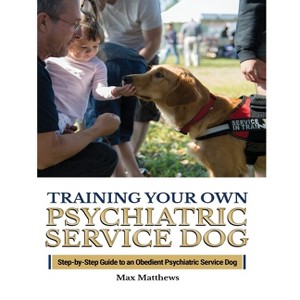
Credit: www.target.com
Frequently Asked Questions
What Basic Skills Should A Service Dog Learn First?
Service dogs must learn basic obedience like sit, stay, and come. These skills form the foundation for advanced training. Consistency and positive reinforcement help dogs master these commands quickly and reliably.
How Long Does It Take To Train A Service Dog?
Training a service dog typically takes 6 months to 2 years. The duration depends on the dog’s breed, temperament, and the specific tasks required. Regular practice and professional guidance speed up the process.
Can Any Dog Be Trained As A Service Dog?
Not all dogs are suitable for service work. Ideal service dogs have calm temperaments, good health, and high trainability. Breeds like Labradors and Golden Retrievers are commonly chosen for their adaptability and intelligence.
What Tasks Can A Service Dog Be Trained To Perform?
Service dogs can perform tasks like guiding the visually impaired, alerting to seizures, or assisting with mobility. Training is customized to the handler’s specific needs, improving their independence and safety.
Conclusion
Training a dog to be a service dog takes time and patience. Start with basic commands and build trust slowly. Consistent practice helps your dog learn important tasks well. Always reward good behavior to encourage learning. Remember, every dog learns at its own pace.
Keep your training sessions short and fun. With care and effort, your dog can become a reliable helper. This journey strengthens the bond between you and your dog. Stay positive and enjoy each step of the process.


