

Are you tired of feeding your dog store-bought food full of fillers and unknown ingredients? You want the best for your furry friend, but making sure their meals are healthy and balanced can feel overwhelming.
What if you could prepare fresh, nutritious dog food right at home—tailored to your dog’s needs and tastes? You’ll discover simple steps to create wholesome meals that support your dog’s health and happiness. Keep reading, and you’ll learn how to take control of your dog’s diet with confidence and ease.
Benefits Of Homemade Dog Food
Making dog food at home has many benefits. It lets you provide fresh and natural meals. You can avoid preservatives and fillers found in some store-bought foods. Homemade food can suit your dog’s needs better. Here are some key advantages of feeding your dog homemade meals.
Improved Health And Digestion
Homemade dog food can improve your pet’s health. Fresh ingredients support better digestion. You can choose foods that are gentle on your dog’s stomach. This helps reduce allergies and digestive issues. Your dog may have more energy and a shinier coat too.
Control Over Ingredients
Cooking at home gives you full control over ingredients. You decide what goes into every meal. This helps avoid harmful additives and low-quality fillers. You can include high-quality proteins, vegetables, and grains. This control ensures your dog gets balanced and safe nutrition.
Cost-effectiveness
Homemade dog food can save money over time. Buying fresh ingredients in bulk is often cheaper. You can avoid expensive commercial dog foods. Making meals at home also means less waste. You feed your dog healthy food without overspending.
Essential Nutrients For Dogs
Dogs need a balanced diet with many nutrients to stay healthy. Each nutrient helps their body work well. Knowing these nutrients helps you make good homemade dog food. This section explains the most important nutrients your dog needs every day.
Proteins And Amino Acids
Proteins build strong muscles and repair tissues. Dogs get proteins from meat, eggs, and fish. Amino acids are parts of protein that dogs cannot make. These must come from their food. Good protein sources keep dogs active and healthy.
Fats And Fatty Acids
Fats give dogs energy and help absorb vitamins. Fatty acids support the skin, coat, and brain. Sources like fish oil and chicken fat are rich in fatty acids. Balanced fat intake keeps dogs’ bodies warm and working well.
Vitamins And Minerals
Vitamins and minerals keep the immune system strong. Calcium and phosphorus build healthy bones and teeth. Vitamins A, D, E, and K help with vision and healing. Vegetables and supplements can provide these nutrients.
Carbohydrates And Fiber
Carbohydrates provide quick energy for dogs. Fiber helps digestion and keeps the stomach healthy. Rice, oats, and sweet potatoes are good sources. A mix of carbs and fiber supports regular bowel movements.
Safe Ingredients For Dog Meals
Choosing safe ingredients is key to making healthy dog food at home. Dogs need a balanced mix of proteins, vegetables, and grains for good health. Using the right foods helps avoid stomach problems and allergies. It also makes sure your dog gets enough vitamins and minerals.
Understanding which ingredients are safe helps you create meals that support your dog’s energy and growth. Avoid harmful foods to keep your dog safe and happy.
Meats And Proteins
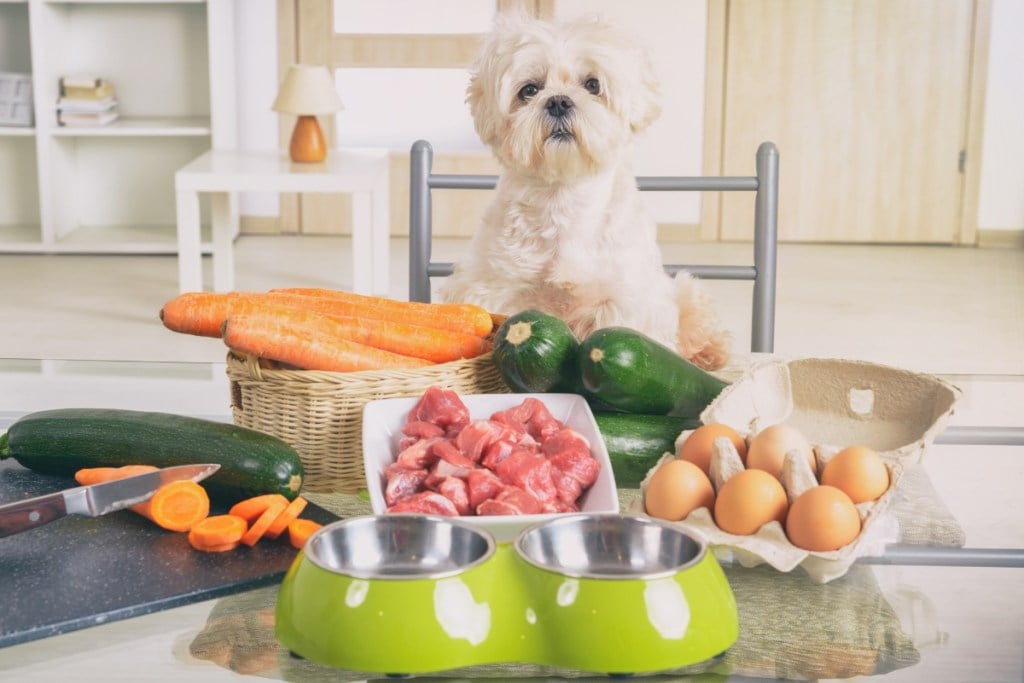
Lean meats are great protein sources for dogs. Chicken, turkey, and lean beef are easy to digest. Fish like salmon provides healthy fats and omega-3s. Avoid processed meats or those with added spices. Cook meats thoroughly to kill bacteria. Remove bones to prevent choking hazards.
Vegetables And Fruits
Vegetables add fiber and vitamins to dog meals. Carrots, green beans, and peas are safe and tasty choices. Some fruits like apples and blueberries offer antioxidants. Remove seeds and cores from fruits before feeding. Avoid onions, garlic, and grapes—they can harm dogs.
Grains And Alternatives
Grains provide energy and fiber for digestion. Brown rice and oatmeal are good options. Quinoa and sweet potatoes serve as healthy grain alternatives. Avoid wheat if your dog has allergies. Cook grains well to make them easy to digest.
Foods To Avoid
Certain foods can be toxic or harmful to dogs. Chocolate, caffeine, and alcohol must never be given. Avoid cooked bones, as they can splinter. Onions, garlic, grapes, and raisins cause health issues. Always check if an ingredient is safe before feeding.
Credit: www.healthypawspetinsurance.com
Basic Preparation Tips
Preparing homemade dog food needs care and attention. Basic preparation tips ensure your dog gets safe, healthy meals. Cooking, portion control, and storage matter a lot. These tips help you make the best food for your dog easily.
Proper Cooking Techniques
Cook ingredients well to kill harmful bacteria. Boil or steam meats and vegetables until soft. Avoid using spices, salt, or onions. Chop food into small pieces for easy chewing. Use plain water to cook rice or pasta. Check temperature before serving to avoid burns.
Portion Sizes And Serving Frequency
Measure food based on your dog’s weight and age. Puppies need more meals per day than adult dogs. Feed small portions several times daily. Adjust portions if your dog gains or loses weight. Watch your dog’s energy and health to guide portions. Consistent feeding times help digestion and routine.
Storage And Shelf Life
Store homemade dog food in airtight containers. Refrigerate leftovers promptly and use within three days. Freeze extra portions in small containers for up to two weeks. Thaw food in the fridge before serving. Avoid leaving food out for long periods. Fresh food keeps your dog healthy and happy.
Easy Homemade Dog Food Recipes
Making dog food at home can be simple and healthy. These easy recipes use common ingredients. They provide balanced nutrition for your dog. Cooking at home helps control what your pet eats. It ensures fresh food without additives or preservatives.
Try these recipes for a tasty change. Each dish offers protein, carbs, and vitamins. Your dog will enjoy the variety. These meals suit most dogs but check with a vet if unsure.
Chicken And Rice Bowl
Boil 1 cup of rice until soft. Cook 1 cup of chopped chicken breast without skin. Mix chicken and rice. Add a small amount of steamed carrots. Let the food cool before serving. This meal is gentle on the stomach and easy to digest.
Beef And Vegetable Stew
Brown 1 cup of lean ground beef in a pan. Add 1 cup of chopped green beans and 1/2 cup diced carrots. Pour in 2 cups of water. Simmer until vegetables are soft. Cool the stew before feeding. This recipe provides protein and fiber for energy.
Turkey And Sweet Potato Mix
Cook 1 cup of ground turkey in a skillet. Boil 1 cup of diced sweet potatoes until tender. Mix turkey and sweet potatoes together. Add a pinch of chopped spinach for extra nutrients. Let the mix cool. This meal supports healthy muscles and digestion.
Fish And Quinoa Blend
Cook 1 cup of quinoa according to package instructions. Steam 1 cup of white fish such as cod or tilapia. Flake the fish into small pieces. Combine fish and quinoa with steamed peas. Cool the blend before serving. This recipe offers omega-3 fatty acids and protein.
Customizing Meals For Special Needs
Customizing meals for dogs with special needs ensures they get the right nutrients. Each dog has unique health requirements. Tailoring food helps support their growth, health, and happiness. Understanding these needs improves their quality of life.
Puppies And Growing Dogs
Puppies need extra protein and calories to grow strong. Include lean meats, rice, and vegetables in their meals. Calcium and phosphorus help build healthy bones. Avoid foods high in fat or salt. Frequent, small meals keep energy levels steady.
Senior Dogs
Older dogs need fewer calories but more fiber. Fiber aids digestion and keeps weight in check. Add cooked vegetables and whole grains like oats. Joint supplements such as glucosamine support mobility. Soft, easy-to-chew foods reduce discomfort while eating.
Dogs With Allergies Or Sensitivities
Identify and avoid ingredients that cause reactions. Common allergens include wheat, soy, and certain proteins. Use novel protein sources like duck or rabbit. Limited ingredient meals reduce exposure to allergens. Always introduce new foods slowly to monitor effects.
Consulting Your Veterinarian
Consulting your veterinarian is a key step before making dog food at home. They help ensure your dog’s diet supports good health. A vet’s advice can prevent nutrient gaps or excesses. This saves your dog from future health problems. Your vet knows your dog’s specific needs. Their guidance makes homemade meals safe and healthy.
Nutritional Balance Checks
Your veterinarian checks if your dog’s diet has the right nutrients. They look at proteins, fats, vitamins, and minerals. Balancing these keeps your dog active and strong. Vets may suggest blood tests to find nutrient shortages. They help you adjust recipes to fit your dog’s needs.
Monitoring Health Changes
Watch your dog’s health after changing their diet. Your vet helps track weight, energy, and coat condition. Any changes can show if the diet works well. Vets catch early signs of problems. They suggest changes to avoid health risks.
Adjusting Diet Over Time
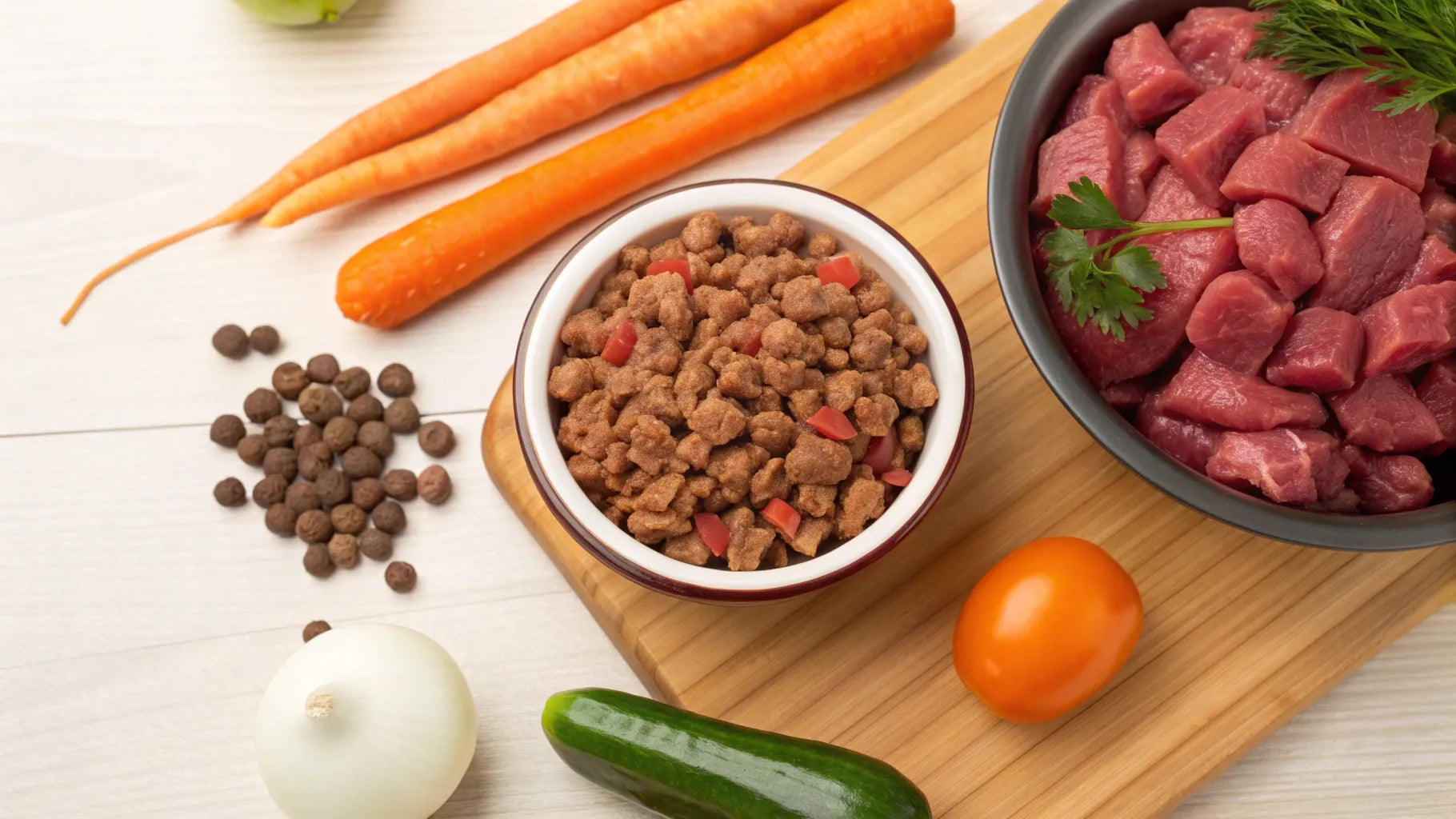
Your dog’s needs change with age and activity. Vets guide you on changing meal plans as needed. They help update ingredients or portion sizes. This keeps your dog healthy through different life stages. Regular vet visits make diet adjustments easy and safe.
Credit: www.houndsy.com

Credit: www.youtube.com
Frequently Asked Questions
What Ingredients Are Essential For Homemade Dog Food?
Essential ingredients include lean meats, vegetables, grains, and healthy fats. These provide balanced protein, vitamins, fiber, and energy for dogs. Avoid harmful foods like onions, grapes, and chocolate. Always consult your vet for specific dietary needs before preparing homemade meals.
How Do I Ensure Homemade Dog Food Is Nutritious?
Balance protein, carbohydrates, fats, vitamins, and minerals in every meal. Use fresh, high-quality ingredients and avoid additives or preservatives. Incorporate supplements like fish oil or calcium if advised. Regular vet check-ups help monitor your dog’s health and adjust recipes accordingly.
Can Homemade Dog Food Meet All Nutritional Needs?
Yes, homemade dog food can be complete with proper planning. Use recipes designed by pet nutritionists or vets. Include a variety of protein sources, vegetables, and grains. Supplement as needed. Always confirm with your vet to ensure nutritional adequacy for your dog’s age and health.
How Often Should I Feed My Dog Homemade Meals?
Feed adult dogs twice daily for balanced energy levels. Puppies may require three to four smaller meals per day. Stick to a consistent feeding schedule to aid digestion and maintain routine. Adjust portions based on your dog’s size, breed, and activity level.
Conclusion
Making healthy dog food at home helps your pet stay strong and happy. You control the ingredients and avoid harmful additives. Fresh, balanced meals support your dog’s energy and health. It saves money and builds a closer bond with your dog.
Start simple, learn what your dog needs, and adjust recipes as you go. Homemade food shows your love in every bite. Your dog will thank you with wagging tails and bright eyes. Give it a try and see the difference yourself.


