

Are you wondering when it’s the right time to switch your furry friend to adult dog food? Feeding your dog the right food at the right age is key to keeping them healthy and happy.
But how do you know when your puppy is ready to make the change? You’ll discover clear signs and expert tips that will help you make the best decision for your dog’s diet. Keep reading to ensure your pet gets the nutrition they need exactly when they need it.
Credit: www.purina.com
Signs Your Dog Is Ready
Knowing when to switch your dog to adult food is important. Dogs grow fast, and their needs change. Watch for signs that show your dog is ready for adult food. These signs include age, behavior, and physical changes. Understanding these helps you feed your dog the right food at the right time.
Age Milestones
Puppies usually move to adult food between 9 and 12 months old. Small breeds may switch earlier, around 9 months. Large breeds might need more time, up to 12 months or longer. Age is a good guide but not the only one. Check your dog’s growth and health too.
Behavioral Changes
Adult dogs act differently than puppies. They may eat less often but larger meals. Puppies are more playful and have bursts of energy. Adult dogs tend to be calmer and less hyper. Notice if your dog’s energy slows down. Changes in eating habits also help decide the switch.
Physical Development
Look at your dog’s body shape and size. Adult dogs have full-grown teeth and muscles. Puppies still look round and soft. If your dog’s body feels firm and strong, it may be ready. Healthy weight and good coat shine are good signs too. Physical changes show your dog is growing up.
Credit: www.gallant.com
Differences Between Puppy And Adult Food
Understanding the differences between puppy and adult dog food helps ensure your dog stays healthy. Puppy food supports growth and development. Adult food maintains health and energy after growth ends. Feeding the right food at the right time supports your dog’s overall well-being.
Nutritional Needs
Puppies need more protein to build muscles. They require extra fat for energy during growth. Adult dogs need fewer calories to avoid weight gain. Their food focuses on maintaining muscle and organ health.
Ingredient Variations
Puppy food contains higher levels of calcium and phosphorus. These minerals help strengthen bones and teeth. Adult food has balanced minerals to support mature bones. It may include ingredients to support joint health and digestion.
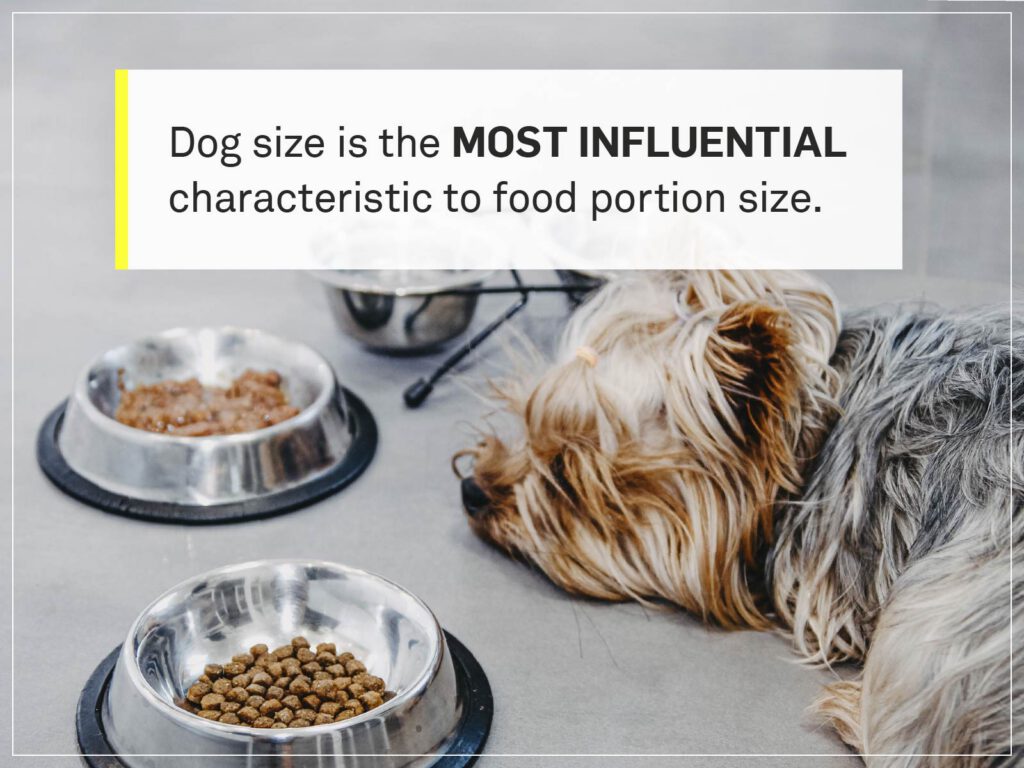
Portion Sizes
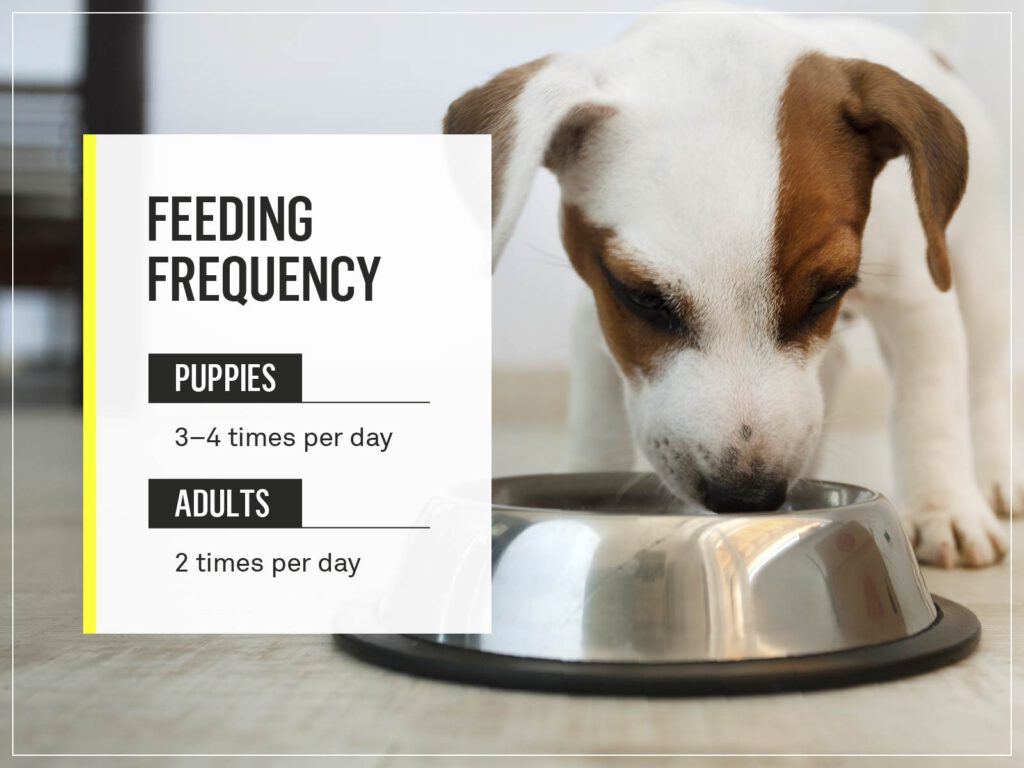
Puppies eat smaller, more frequent meals. This helps with digestion and steady energy. Adult dogs eat fewer meals with larger portions. Their metabolism slows down, so they need less food overall.
Ideal Transition Process
Switching your dog from puppy food to adult food needs care. The ideal transition process helps avoid stomach upset and keeps your dog happy. This change should happen slowly and carefully over days or weeks. Watch your dog’s reactions and adjust as needed. This way, your dog gets used to the new food without any trouble.
Gradual Food Mixing
Start by mixing a small amount of adult food with puppy food. Gradually increase the adult food portion each day. This helps your dog’s stomach adjust to the new food. A slow change reduces risks of diarrhea or vomiting. Mixing food also lets your dog get used to new tastes and textures.
Monitoring Health
Check your dog’s health during the switch. Look for signs like vomiting, diarrhea, or loss of appetite. Watch for changes in energy and mood too. If problems appear, slow down the transition or see a vet. Healthy skin and coat also show if the new food suits your dog.
Adjusting Portions
Adult dogs need different food amounts than puppies. Adjust portions based on your dog’s size, age, and activity. Avoid overfeeding to prevent weight gain. Use feeding guidelines on the food package as a start. Keep track of your dog’s weight and adjust portions if needed.
Credit: www.gallant.com
Common Mistakes To Avoid
Feeding your dog adult food at the right time is important for their health. Many dog owners make mistakes that can harm their pet. Avoid these common errors to keep your dog healthy and happy. Proper timing and careful changes matter a lot.
Switching Too Early
Puppies need special nutrients to grow strong. Switching to adult food too soon can cause problems. Their bodies are not ready for adult food before a certain age. Wait until your vet says it is time. Early changes can lead to poor growth and health issues.
Abrupt Changes
Changing your dog’s food suddenly can upset their stomach. Dogs need time to adjust to new food. Mix old and new food gradually over several days. This method helps avoid vomiting and diarrhea. Slow changes keep your dog comfortable and healthy.
Ignoring Veterinary Advice
Your vet knows the best time to switch dog food. Ignoring their advice can harm your pet’s health. Every dog is different, and needs vary by breed and size. Follow your vet’s guidance for the right food and timing. This ensures your dog gets proper nutrition.
Special Considerations
Choosing the right time to switch your dog to adult food depends on more than just age. Special factors affect this decision. Each dog is unique, and their needs can vary widely. Understanding these special considerations helps keep your dog healthy and happy.
Breed-specific Needs
Different dog breeds grow at different rates. Large breeds take longer to mature than small breeds. Large dogs may need puppy food longer to support bone growth. Small breeds often switch to adult food earlier. Breed size also affects calorie needs and nutrient balance. Follow breed guidelines for the best feeding schedule.
Health Conditions
Some dogs have health problems affecting diet choices. Dogs with allergies may need special adult food formulas. Dogs with kidney or liver issues require tailored nutrition. Consult your vet before changing your dog’s food. Health conditions can change the timing of switching to adult food.
Activity Levels
Active dogs burn more energy and need more nutrients. Working dogs or those who exercise a lot require higher calorie adult food. Less active dogs need fewer calories to avoid weight gain. Adjust feeding plans based on your dog’s daily activity. This helps maintain a healthy weight and energy balance.
Tips For Choosing Adult Dog Food
Choosing the right adult dog food matters for your pet’s health. Adult dogs have different needs than puppies. Their food should support steady energy and healthy weight. Picking good food helps keep your dog strong and happy. Here are some simple tips to guide your choice.
Reading Labels
Always check the label on dog food packages. Look for clear information on ingredients and nutrients. The first ingredient should be a quality protein like chicken or beef. Avoid foods with too many fillers like corn or wheat. Check for vitamins and minerals that support health. Also, note the calorie count to match your dog’s activity level.
Consulting Professionals
Ask your vet about the best food for your dog’s age and breed. Veterinarians know about special needs or allergies. They can suggest brands or formulas that suit your dog. Talking to a professional prevents feeding mistakes. It helps you choose food that fits your dog’s health condition.
Balancing Ingredients
Good adult dog food balances protein, fat, and carbs. Protein builds muscles and keeps your dog active. Fat gives energy and supports skin and coat health. Carbohydrates provide fiber for digestion. Avoid foods high in sugars or artificial additives. Balanced nutrition supports your dog’s overall well-being every day.
Frequently Asked Questions
When Should I Switch My Puppy To Adult Dog Food?
Switch your puppy to adult dog food around 12 months old. Large breeds may need more time, about 18 to 24 months. Always consult your vet for the best timing based on your dog’s breed and growth.
What Signs Indicate My Dog Needs Adult Food?
Signs include slowing growth, changes in energy, and stable weight. When your dog reaches maturity, their nutritional needs change, requiring adult food. Monitor your dog’s behavior and health to decide the right time.
Can Feeding Adult Food Too Early Harm My Dog?
Yes, feeding adult food too early can cause nutrient imbalances. Puppies need higher protein and fat for growth. Premature switching might affect bone development and energy levels. Follow vet recommendations for ideal feeding stages.
How Does Adult Dog Food Differ From Puppy Food?
Adult dog food has balanced protein and fat suitable for maintenance. Puppy food is richer in nutrients to support rapid growth. Adult formulas help maintain healthy weight and energy for mature dogs.
Conclusion
Switching your dog to adult food matters for their health and growth. Watch their age and weight closely. Puppies need special food until about one year old. Adult food helps maintain energy and body condition. Give the right food at the right time.
This keeps your dog happy and strong. Remember, every dog is different. Talk to your vet for advice. Feeding well supports a long, healthy life for your pet. Keep an eye on changes and adjust food as needed. Simple steps make a big difference in your dog’s life.


