

Are you wondering when your puppy should switch from puppy food to adult dog food? Knowing the right time to make this change is crucial for your dog’s health and growth.
Feeding your dog the right food at the right age can boost their energy, support strong bones, and keep their coat shiny. You’ll discover exactly when dogs start eating adult food and how to make the transition smooth and safe.
Keep reading to ensure your furry friend gets the best nutrition every step of the way.
When To Switch To Adult Dog Food
Knowing when to switch your dog from puppy food to adult food is important. The right timing supports healthy growth and keeps your dog strong. Feeding adult food too early or too late can cause problems. Watch your dog’s development to choose the best moment for the switch.
Puppy Growth Stages
Puppies grow fast in the first months. Their bodies need more calories and nutrients than adult dogs. Most puppies eat puppy food until they reach about one year old. This food supports their growth and energy needs. Growth slows down after this stage, so adult food becomes suitable.
Breed Size And Maturity
Small breeds mature faster than large breeds. Small dogs may be ready for adult food at 9 to 12 months. Large and giant breeds need more time. They often switch to adult food between 12 and 24 months. Breed size affects how long puppies need special nutrition.
Signs Your Dog Is Ready
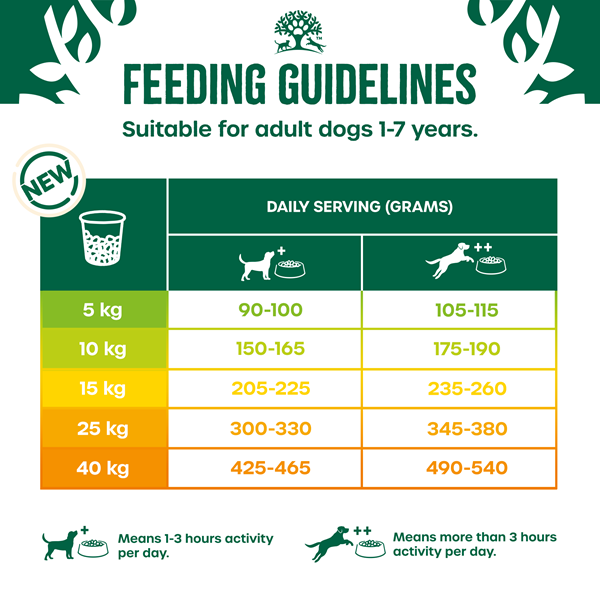
Watch for signs your dog is ready for adult food. Growth rate slows down. Your puppy’s energy levels become steady. Their body shape looks fuller and less rounded. Teeth and bones are stronger. These signs show your dog needs adult food to maintain health.
Credit: wellbeloved.com
Choosing The Right Adult Food
Choosing the right adult food for your dog is very important. Adult dogs have different needs than puppies. The food you pick affects their health and energy. It supports growth, keeps their coat shiny, and helps their digestion. Understanding these needs helps you make the best choice for your pet.
Nutritional Needs By Age
Dogs need different nutrients as they grow. Adult dogs require more protein and fat than puppies. Their food should help maintain muscles and provide energy. Older dogs need fewer calories but more fiber. This supports digestion and weight control. Choose food based on your dog’s age and size.
Types Of Adult Dog Food
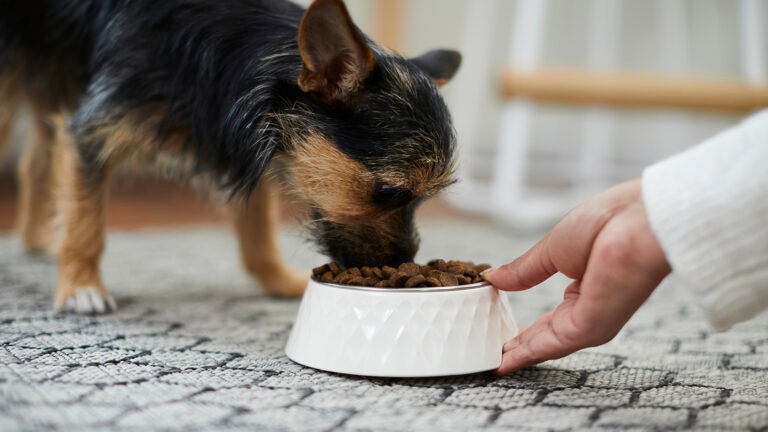
Dry kibble is popular and easy to store. It helps keep teeth clean by reducing plaque. Wet food is tasty and good for hydration. Some dogs prefer raw or homemade diets. Each type has pros and cons. Pick the one your dog likes and digests well.
Reading Dog Food Labels
Check the label carefully before buying. Look for real meat as the first ingredient. Avoid foods with many fillers like corn or wheat. Vitamins and minerals should be listed clearly. Make sure the food meets AAFCO standards. This guarantees balanced nutrition for adult dogs.
Transitioning Your Dog’s Diet
Transitioning your dog’s diet is a key step in their growth. Puppies need special food for their early months. As they grow, their nutritional needs change. Moving from puppy food to adult food supports their health and energy. This shift should be smooth to avoid problems.
How To Switch Gradually
Start by mixing a small amount of adult food with puppy food. Increase the adult food portion over 7 to 10 days. This slow change helps your dog’s stomach adjust. Sudden switches may cause upset or refusal to eat. Patience during this time is important.
Avoiding Digestive Issues
Watch for signs like vomiting or diarrhea during the change. These may mean the diet changes too fast. Keep fresh water available at all times. Choose high-quality food with balanced nutrients. This reduces the chance of tummy troubles.
Monitoring Your Dog’s Reaction
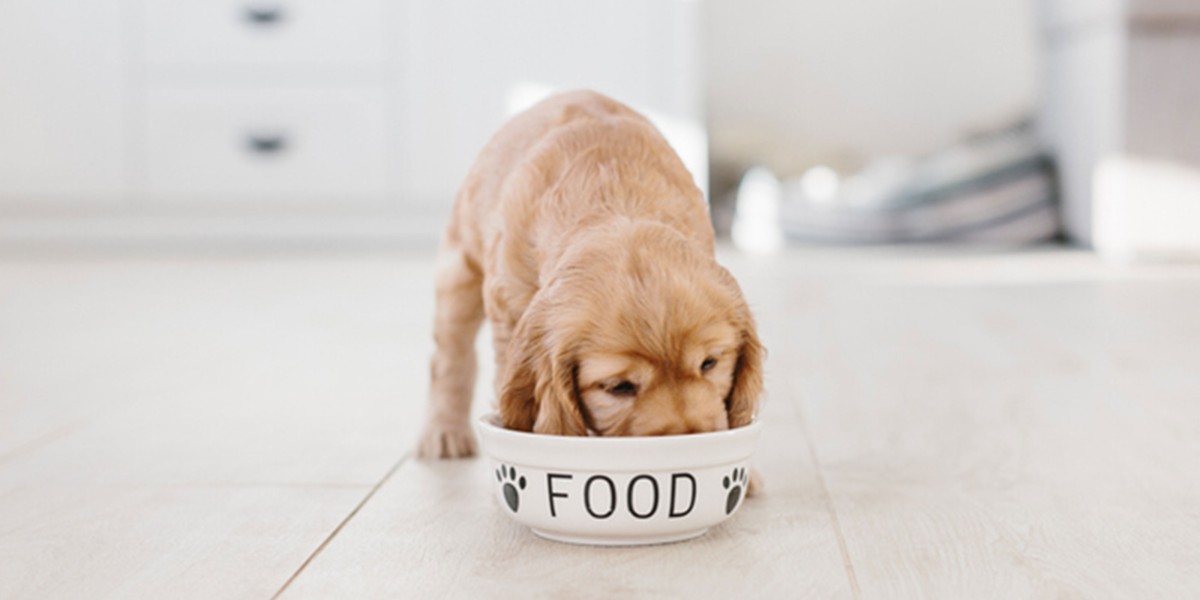
Observe your dog’s energy and stool quality daily. Good digestion means the transition is working. Loss of appetite or lethargy needs attention. Consult your vet if problems last more than a few days. Your dog’s comfort is the top priority.
Credit: www.purina.com
Common Mistakes To Avoid
Switching your dog to adult food is important for their health. Many pet owners make mistakes during this change. These errors can cause digestive issues or poor nutrition. Avoiding common mistakes helps your dog grow strong and happy. Learn what to watch out for below.
Switching Too Early Or Late
Changing to adult food too soon can upset your puppy’s stomach. Their digestive system may not be ready. Switching too late means missing key nutrients for growth. Follow your vet’s advice on the right time. Usually, dogs switch around one year old. Watch your dog’s size and behavior for clues.
Ignoring Breed-specific Needs
Different breeds need different nutrition. Large dogs grow slower than small breeds. They need special formulas to support joints and bones. Small breeds often need more calories per pound. Using one food for all dogs can cause problems. Choose food that fits your dog’s breed size and age.
Overfeeding And Weight Gain
Adult food has more calories than puppy food. Feeding too much leads to extra weight. Overweight dogs face health risks like diabetes and joint pain. Measure portions carefully and avoid free feeding. Keep treats low and healthy. Regular exercise helps maintain ideal weight too.
Consulting Your Veterinarian
Consulting your veterinarian is important before changing your dog’s food. They know your pet’s health history and needs. Their advice helps make the switch safe and smooth.
Your vet can check your dog’s health and suggest the best adult food type. They help avoid problems that may come from switching too early or too late. Trust their guidance for your dog’s well-being.
Health Checks Before Switching
Your vet will do a health check to see if your dog is ready. They check weight, teeth, and digestion. These signs show if your dog can handle adult food.
Sometimes, puppies need more time on puppy food. The vet decides based on your dog’s growth and health. This step helps avoid stomach upset and poor nutrition.
Special Dietary Requirements
Some dogs have special diets due to illness or allergies. Your vet knows what ingredients to avoid. They suggest adult foods that fit your dog’s needs.
Pets with sensitive stomachs or skin problems need careful food choices. Your vet may recommend prescription or hypoallergenic adult food. This keeps your dog healthy and happy.
When To Seek Professional Advice
Ask your vet if you notice changes in appetite or energy. Sudden weight loss or gain needs checking. Your dog might not be ready for adult food.
Always seek advice if your dog shows diarrhea or vomiting after food changes. These signs need quick care. Your vet can adjust the diet to prevent health issues.
Credit: www.chewy.com
Frequently Asked Questions
When Should Puppies Switch To Adult Dog Food?
Puppies typically switch to adult dog food between 9 and 12 months old. Large breeds may transition later, around 12 to 18 months. This change supports their growth needs and helps maintain a healthy weight and energy level as they mature.
How To Know If My Dog Is Ready For Adult Food?
Look for signs like slowed growth and increased maturity. Your vet can confirm readiness based on breed and health. When your dog’s teeth and digestion develop fully, it’s a good time to switch to adult food.
What Are Risks Of Switching Dog Food Too Early?
Switching too early can cause digestive upset and nutrient imbalance. Puppies need higher calories and nutrients for growth. Early transition may lead to poor development or health issues, so timing the switch properly is crucial.
Can Small And Large Breeds Switch To Adult Food Simultaneously?
No, breed size affects the timing. Small breeds mature faster, switching around 9 months. Large breeds grow slower, so they should switch between 12 to 18 months for optimal health.
Conclusion
Dogs usually start eating adult food around one year old. This change helps them get the right nutrients for their size and activity. Watch your dog’s behavior and health during the switch. If they seem upset, try mixing old and new food slowly.
Every dog is different, so take time to find what works best. Feeding the right food helps your dog grow strong and stay healthy. Keep an eye on their needs as they grow older. This simple step supports a happy and active life.


