

Are you thinking about breeding your dog or buying a puppy with breeding potential? Understanding dog breeding rights is key to making smart decisions that protect you and your pet.
These rights affect who can breed a dog, how puppies are sold, and what legal protections you have. If you want to avoid costly mistakes and ensure your dog’s future is secure, keep reading. This guide will clear up the confusion and give you the confidence to handle breeding rights like a pro.
Credit: www.aspca.org
Basics Of Dog Breeding Rights
Understanding dog breeding rights is important for any dog owner or breeder. These rights affect who can breed a dog and what happens to the puppies. Knowing the basics helps avoid legal troubles and protects your interests.
Dog breeding rights cover many rules and agreements. These rules are often written in contracts. They explain how dogs can be bred and what owners are allowed to do.
Definition And Scope
Dog breeding rights are legal permissions about breeding a dog. They say who can mate the dog and sell the puppies. These rights can be part of a sale or breeding contract. They cover ownership and control over breeding activities.
The scope includes using a dog for one or more litters. It also covers the handling of puppies born from these litters. Sometimes, rights include limits on selling or transferring puppies.
Legal Importance For Owners
Owning dog breeding rights protects your investment. It stops others from breeding your dog without permission. These rights help avoid disputes over who owns puppies. They also ensure proper care and breeding standards are followed.
Legal rights give control over the dog’s breeding future. They allow owners to set rules for mating and puppy sales. This control helps maintain the dog’s quality and pedigree.
Common Terms To Know
Several terms appear often in dog breeding rights. “Stud service” means using a male dog for breeding. “Breeding contract” is a written agreement about breeding terms. “Litter rights” refer to ownership and use of puppies born.
“Limited registration” restricts how puppies can be used or sold. “Breeding restrictions” may limit the number of litters or buyers. Knowing these terms helps understand your rights better.
Ownership Vs Breeding Rights
Understanding the difference between ownership and breeding rights is important in dog breeding. These rights affect who controls the dog and its puppies. Knowing this helps avoid confusion and legal issues.
Distinguishing Ownership From Breeding
Ownership means having full control of the dog. The owner cares for the dog every day. Breeding rights allow someone to use the dog to have puppies. Sometimes, a person can own the dog but not have breeding rights. The two rights are not always the same.
When Rights Can Be Separated
Breeding rights can be sold or shared without giving up ownership. A breeder may sell a dog but keep the breeding rights. This means the buyer cannot breed the dog. The breeder can still use the dog to produce puppies. Contracts often explain these details clearly.
Implications For Pet Owners
Pet owners without breeding rights cannot have puppies from their dog legally. This protects the breeder’s investment and controls the dog’s bloodline. Owners should check contracts before buying a dog. Knowing rights helps avoid surprises and keeps relationships fair.
Contracts And Agreements
Dog breeding rights often involve clear contracts and agreements. These documents protect both the breeder and the buyer. They explain the rules for breeding and ownership. Understanding these contracts helps avoid future problems.
Typical Breeding Contracts
Breeding contracts usually cover the dog’s breeding rights. They state who can breed the dog and how many times. The contract may include the puppy’s registration details. It also sets responsibilities for health checks and vaccinations. Some contracts specify what happens to puppies born from the breeding.
Key Clauses To Watch
Look for clauses about breeding limits and ownership rights. Check if the contract requires permission before breeding. Pay attention to health guarantees and return policies. The contract might mention fees for breeding or puppy sales. Notice any clauses about using artificial insemination or natural breeding methods.
Negotiating Terms
Discuss terms openly before signing any contract. Ask about breeding fees and puppy shares. Clarify how many litters you can have. Make sure health and care responsibilities are clear. Adjust terms if they do not fit your needs. A fair contract protects both sides and the dog.
Registering Breeding Rights
Registering breeding rights is an important step for dog breeders. It protects their rights to breed specific dogs. Registration also helps maintain the quality and purity of dog breeds.
Understanding how to register these rights makes the process clear and simple. It connects breeders with official bodies that oversee dog breeding.
Role Of Kennel Clubs
Kennel clubs play a key role in dog breeding rights. They keep official records of dog breeds and their breeders. These clubs set the standards for breed quality and health. They also help breeders register their rights and pedigrees.
Most countries have one or more recognized kennel clubs. These organizations ensure breeders follow ethical and legal rules.
How To Register Rights
Start by contacting the relevant kennel club in your area. They provide application forms and instructions. You must submit proof of ownership and dog pedigree papers. Some clubs may require health checks or inspections.
Pay the registration fee set by the kennel club. After review, the club will issue a certificate of breeding rights. Keep this document safe. It proves your legal right to breed your dog.
Benefits Of Registration
Registration gives breeders official recognition. It helps prevent unauthorized breeding of your dogs. Registered breeders gain trust from buyers and other breeders. This can increase the value of puppies.
Registration also supports better breed tracking and improvement. It encourages responsible breeding practices. Overall, it protects your rights and supports the dog breeding community.
Breeding Rights And Pet Welfare
Breeding rights affect more than just ownership of puppies. They have a strong link to pet welfare. Proper breeding practices protect the health and happiness of dogs. Understanding these rights helps ensure animals are treated with care and respect. Responsible breeders focus on the well-being of both parent dogs and their puppies.
Ethical Breeding Practices
Ethical breeding means putting dogs’ needs first. Breeders must avoid overbreeding or selling puppies too early. They provide clean spaces and regular vet care. Socializing puppies helps them grow into friendly, confident pets. Ethical breeders follow clear rules to protect dogs from harm.
Health Considerations
Breeding rights include health checks for parent dogs. This prevents passing on genetic diseases. Puppies get vaccinations and health screenings. Healthy dogs live longer and happier lives. Careful selection reduces risks of inherited problems. Health is a key factor in responsible breeding.
Preventing Exploitation
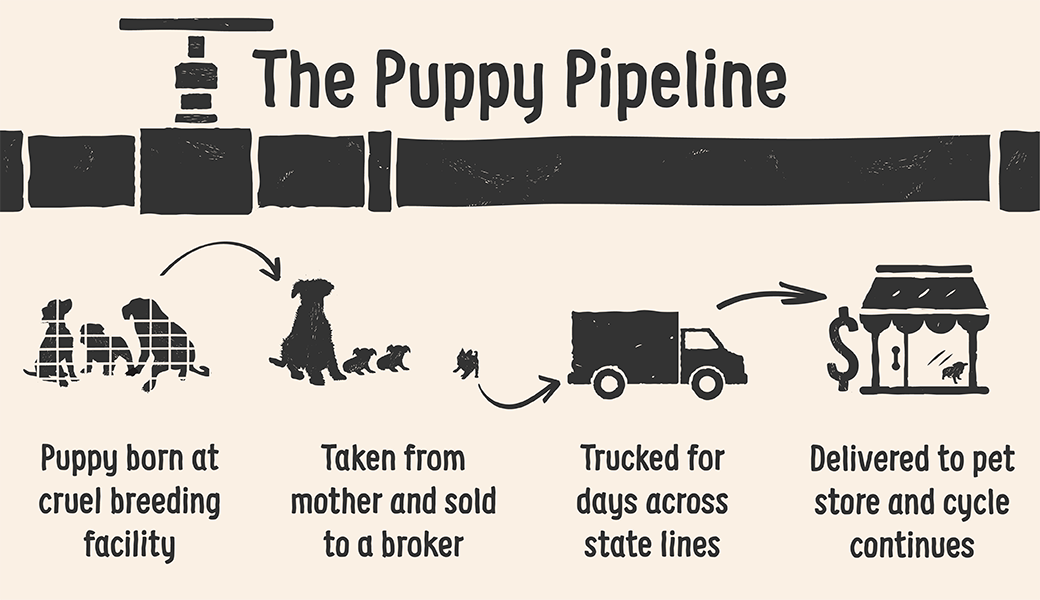
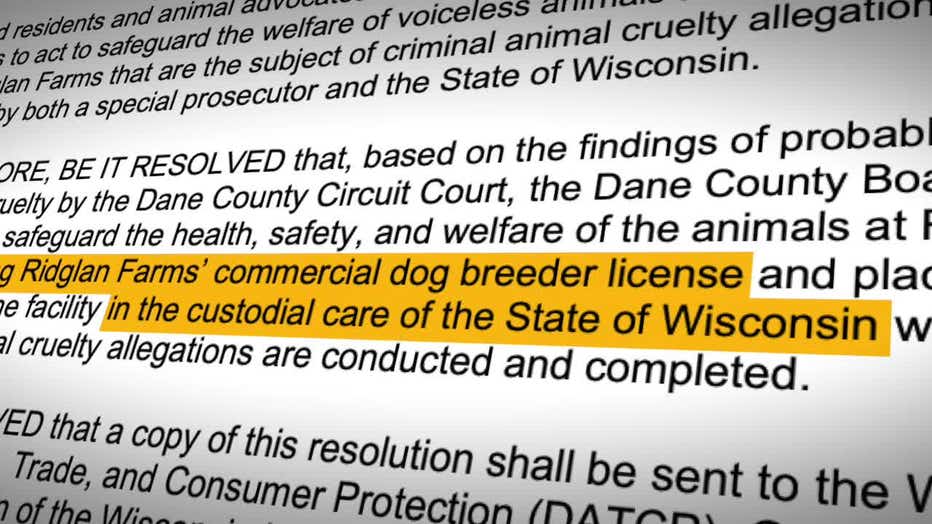
Breeding rights help stop puppy mills and illegal sellers. These places often ignore dogs’ needs. Rights give breeders control to prevent misuse of their dogs. They ensure puppies go to good homes. Protecting dogs from exploitation improves overall pet welfare.
Credit: www.fox6now.com
Resolving Disputes
Disputes over dog breeding rights can create stress and confusion. These conflicts often involve ownership, breeding decisions, or profit sharing. Resolving these issues quickly helps protect relationships and ensures clear agreements. Understanding common conflicts and available solutions is key to finding peace.
Common Conflicts
Disagreements often arise about who can breed the dog. Conflicts may also involve how many litters are allowed. Sometimes, owners argue over sharing puppies or money earned. Misunderstandings about contracts cause many disputes. Clear communication is vital to avoid these problems.
Mediation And Legal Options
Mediation offers a way to settle disputes without court. A neutral third party helps both sides find a fair solution. If mediation fails, legal action may be necessary. Courts review contracts and agreements to decide rights. Legal help ensures your interests are properly defended.
Protecting Your Rights
Always have a written agreement before breeding starts. Include details about breeding, ownership, and profits. Keep all communications in writing for proof. Know your legal rights and local laws about dog breeding. Act early to resolve conflicts before they grow worse.
Tips For Pet Owners
Understanding dog breeding rights is important for pet owners. It helps protect your pet and your rights. Knowing how to handle agreements and work with breeders is key. Clear records also keep things simple and safe.
Choosing The Right Agreement
Pick an agreement that is clear and fair. It should state who owns the dog and any breeding terms. Read every detail before signing. A good agreement avoids confusion and legal issues later.
Working With Responsible Breeders
Find breeders who care about the health of their dogs. They follow ethical practices and provide proof of health checks. Responsible breeders will answer your questions honestly. This protects the dog’s welfare and your investment.
Maintaining Clear Documentation
Keep all papers related to your dog organized. Include agreements, vaccination records, and breeding certificates. Clear documents help prove your rights if needed. Store them safely and make copies for backup.

Credit: www.aspca.org
Frequently Asked Questions
What Are Dog Breeding Rights Exactly?
Dog breeding rights refer to the legal permissions to breed and sell puppies from a specific dog. These rights often come with contracts that define ownership, responsibilities, and profit-sharing between parties involved.
Who Typically Owns Dog Breeding Rights?
Dog breeding rights usually belong to the dog’s original breeder or the owner. These rights can be sold, transferred, or shared based on agreements between breeders and buyers.
Why Are Dog Breeding Rights Important?
Breeding rights protect breeders’ investments and control over the dog’s lineage. They ensure ethical breeding practices and help maintain the breed’s quality and standards.
Can Dog Breeding Rights Be Transferred Or Sold?
Yes, dog breeding rights can be transferred or sold through legal contracts. This allows new owners or breeders to continue breeding the dog under agreed terms.
Conclusion
Dog breeding rights protect the breeder’s legal ownership of puppies. These rights help avoid confusion about who owns the dogs. Breeders can decide how their puppies are sold or bred next. Knowing these rights keeps both breeders and buyers safe.
Always check agreements carefully before buying a puppy. Clear rights make dog breeding fair and honest. Understanding this topic helps everyone involved in dog breeding. It ensures respect for the breeder’s hard work and care. Simple rules make the process smooth and trustworthy.


