

If you want your dog to come back to you every time you call, mastering recall training is key. Imagine the peace of mind you’ll feel knowing your furry friend listens, even when distractions are everywhere.
This skill keeps your dog safe and makes your time together more fun. You’ll discover simple, effective steps to train your dog’s recall, no matter their age or breed. Keep reading, and you’ll soon enjoy a stronger bond and better control on every walk or playtime.

Credit: www.youtube.com
Choosing The Right Environment
Choosing the right environment helps your dog learn recall better. The place you train can make a big difference. A calm, safe space helps your dog focus on you. Start simple and then add challenges. This method builds your dog’s confidence and skills.
Start Indoors
Begin training inside your home. It is quiet and free from distractions. Your dog feels safe and relaxed here. Use a leash to control your dog. Call your dog’s name and reward with treats. Repeat often to build the habit.
Gradually Move Outside
After success indoors, try a small backyard or garden. There are more sights and sounds to notice. Keep your dog on a long leash at first. Call your dog and give treats for coming back. Practice often and stay patient.
Minimize Distractions
Choose quiet times and places for training. Avoid busy parks or noisy streets first. Too many distractions make it hard to learn. Slowly add distractions as your dog improves. This helps your dog listen even with noise around.
Using Effective Commands
Using effective commands is key to training your dog to come back reliably. Clear and simple words help your dog understand what you want. Consistency in commands builds strong habits. A positive tone encourages your dog to respond happily.
Pick A Clear Recall Word
Choose one word for recall. A short, sharp word works best. Words like “come,” “here,” or “back” are easy for dogs to learn. Avoid using your dog’s name alone. Make the recall word different from other commands. This reduces confusion and helps your dog react fast.
Keep Commands Consistent
Use the same word every time you call your dog. Don’t change the recall word or add extra words. Consistency helps your dog remember what the command means. Make sure all family members use the same recall word. This avoids mixed signals and speeds up learning.
Use Positive Tone
Speak with a happy, friendly voice. Your dog wants to please you. A positive tone makes coming to you fun. Avoid shouting or sounding angry. Praise your dog warmly when they come. This builds a good connection between the word and the reward.
Rewarding Good Behavior
Rewarding good behavior is key to teaching your dog recall. It helps your dog understand what you want. Positive rewards make your dog excited to come back. This builds a strong and happy bond. Rewarding right away keeps your dog’s attention and interest high.
Use High-value Treats
Choose treats your dog loves most. Small, soft, and tasty treats work best. High-value treats make recall more exciting. Your dog will want to come back fast. Switch treats often to keep them special. Treats that smell strong catch your dog’s nose quickly.
Incorporate Praise And Play
Use kind words to praise your dog. Say “Good job!” or “Well done!” in a happy voice. Play can be a great reward too. Toss a ball or offer a quick game. Praise and play show your dog you are happy. This makes recall fun and rewarding.
Timing Of Rewards
Give rewards right after your dog comes to you. Quick rewards help your dog connect action and treat. Delayed rewards confuse your dog. Use treats, praise, or play instantly. Timing helps your dog learn what you expect. It makes recall training effective and fast.
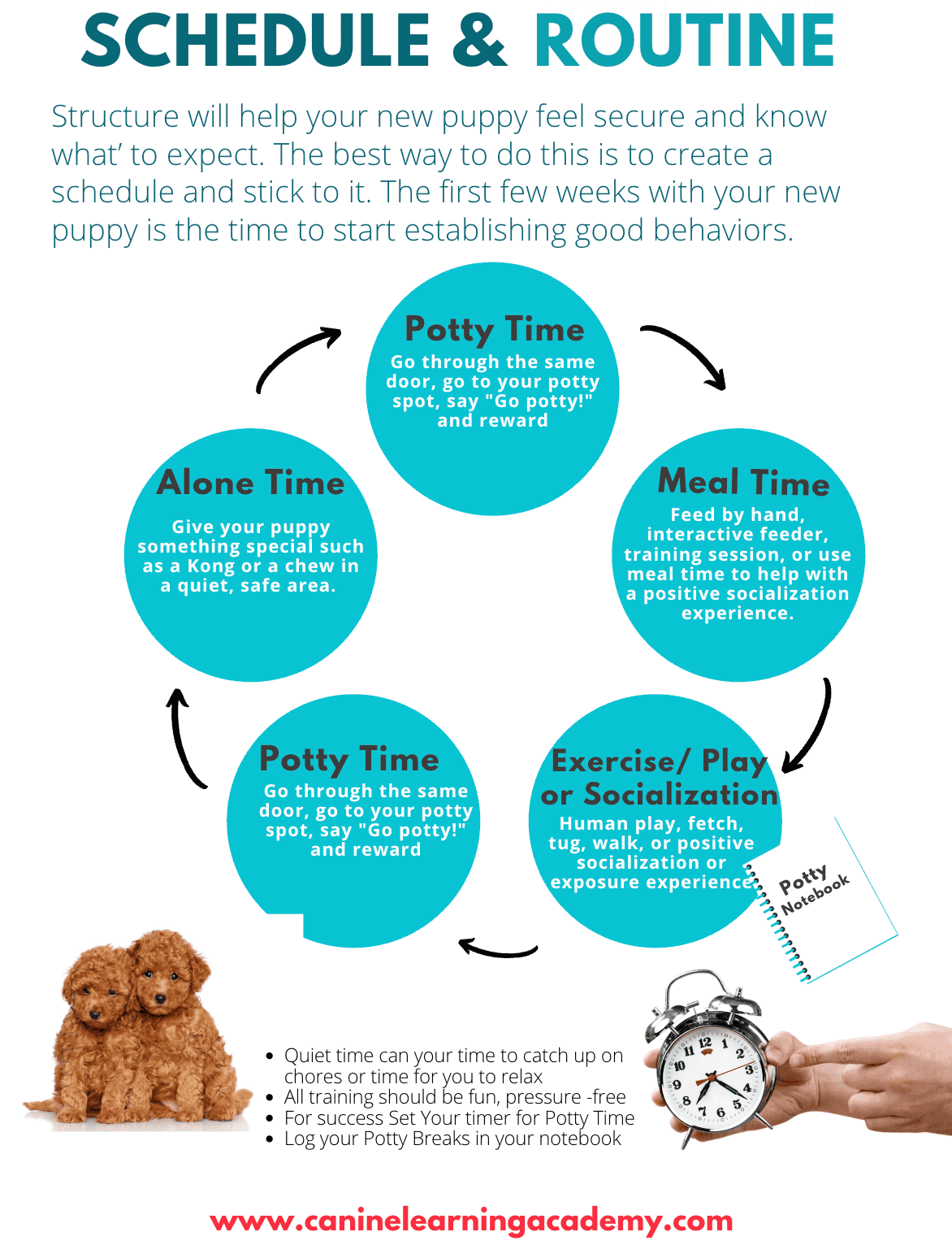
Credit: caninelearningacademy.com
Building Reliability Over Time
Building reliability in your dog’s recall takes time and patience. Trust grows with each successful call. Consistency is key. Small, steady steps help your dog learn to come every time you call. This section explains how to build that reliability in clear, easy steps.
Practice Short Sessions
Start with very short training sessions. Keep them fun and simple. Five minutes is enough at first. Your dog will stay focused and enjoy learning. Repeat these short sessions daily. This helps your dog remember the recall command well.
Increase Distance Gradually
Begin close to your dog. Call them from just a few feet away. Slowly move farther after your dog succeeds. Small increases in distance build confidence. Do not rush. Let your dog adjust at its own pace. This strengthens the recall over time.
Add Real-life Distractions
Practice in different places with distractions. Use parks, yards, or quiet streets. Introduce noises, other dogs, and people. Start with mild distractions. Increase difficulty as your dog improves. This teaches your dog to listen no matter the situation.
Avoiding Common Mistakes
Training your dog to come when called is very important. Many dog owners make mistakes during recall training. These errors can slow progress and cause frustration. Avoiding common mistakes helps your dog learn faster and enjoy training more.
Never Punish Recall Attempts
Never punish your dog for coming to you. If you scold or punish, your dog may stop coming. Recall should always be a positive experience. Praise your dog warmly every time they come. This builds trust and makes your dog happy to respond.
Don’t Rely Only On Treats
Treats are useful but not the only reward. Use praise, petting, or play as well. Dogs learn to come for many reasons. If you use only treats, your dog may expect food every time. Mix rewards to keep your dog interested and motivated.
Be Patient And Consistent
Training takes time and steady effort. Practice recall every day in different places. Use the same command word each time. Be patient if your dog does not come immediately. Consistency helps your dog understand and obey the recall command better.
Using Tools To Enhance Training
Using tools can make dog recall training easier and more effective. Tools help you control the dog and give clear signals. They guide your dog to understand what you want quickly. Simple tools can improve focus and safety during training sessions.
Leash And Long Line Benefits
A leash gives you control over your dog’s movements. It prevents your dog from running away too far. A long line offers more freedom but keeps your dog safe. It helps practice recall from a distance. You can correct your dog gently without pulling hard. It builds trust and encourages your dog to return.
Clicker Training Techniques
Clicker training uses a small device that makes a clicking sound. The click marks the exact moment the dog does the right thing. It helps dogs learn faster by linking the sound to a reward. Clicker training makes recall clear and fun. It uses positive reinforcement to motivate your dog. Consistent clicking and treats create strong habits.
Harness Options
Harnesses give better control than collars for some dogs. They reduce strain on the dog’s neck during training. Front-clip harnesses help redirect pulling and improve focus. Back-clip harnesses offer comfort and gentle control. Choose a harness that fits well and feels safe. A good harness supports calm and effective recall training.
Troubleshooting Recall Issues
Troubleshooting recall issues is key to successful dog training. Some dogs may struggle to come back when called. This section helps you fix common problems with recall training. Focus on clear steps to improve your dog’s response. Patience and consistency are essential. Problems can come from distractions, selective hearing, or fear. Understanding these issues helps you train more effectively.
Dealing With Distractions
Distractions make recall difficult for many dogs. Start training in a quiet place. Use treats and praise to keep your dog’s attention. Gradually add small distractions like toys or sounds. Increase distractions slowly as your dog improves. Always reward your dog for coming back. Practice often in different environments. This builds strong recall even with distractions.
Addressing Selective Hearing
Selective hearing means your dog ignores your call sometimes. Avoid calling your dog just to scold or punish. Use a happy tone when calling your dog. Reward your dog every time it comes to you. Keep training sessions short and fun. Teach your dog that coming back is always good. Repeat commands and rewards consistently to build trust.
Handling Fear Or Anxiety
Fear or anxiety can stop your dog from coming back. Watch for signs like cowering or running away. Use gentle, calm voices to call your dog. Do not force your dog to come if scared. Build trust with slow, positive steps. Use treats and toys to create good memories. Seek help from a trainer if fear is strong. Patience helps your dog feel safe and confident.

Credit: smart.dhgate.com
Frequently Asked Questions
How Long Does It Take To Train Dog Recall?
Training dog recall usually takes 2 to 8 weeks. Consistent practice and positive reinforcement speed up learning. Each dog learns at its own pace, so patience is key.
What Is The Best Method To Train Recall?
Positive reinforcement is the best recall training method. Use treats, praise, and toys to reward your dog. This builds trust and encourages your dog to respond reliably.
How Often Should I Practice Recall Training Daily?
Practice recall training 2 to 3 times daily. Keep sessions short, around 5 to 10 minutes. Frequent practice helps reinforce the behavior and maintains your dog’s interest.
Can Recall Training Work With Distractions Present?
Yes, recall training can work with distractions. Start in a quiet area and gradually add distractions. This helps your dog focus and respond reliably in real-life situations.
Conclusion
Training your dog to recall takes time and patience. Start with small steps and practice often. Use clear, simple commands and reward good behavior. Keep training sessions short and fun to hold your dog’s attention. Consistency helps your dog learn faster and remember better.
Trust builds between you and your dog during training. Soon, your dog will come back quickly every time. Enjoy the process and celebrate small wins together. Good recall keeps your dog safe and happy outdoors. Keep practicing, and your bond will grow stronger.


