

You love your dog like family, and you want to give them the best care possible. One important question you might have is: When should I start feeding my dog adult food?
Making this switch at the right time can impact your dog’s health, energy, and happiness. If you’re unsure about the perfect moment to change their diet, keep reading. This guide will help you understand the signs and timing so you can make the best choice for your furry friend.
Puppy Growth Stages
Puppy growth happens fast. Each stage shapes their health and behavior. Knowing these stages helps you feed your dog properly. Feeding the right food at the right time supports strong bones and a healthy coat. It also affects their energy and mood. Understanding puppy growth stages guides you to choose the best diet for your dog.
From Birth To Weaning
Newborn puppies rely on their mother’s milk. It gives all nutrients needed for early growth. This stage lasts about three to four weeks. Puppies sleep most of the time. Their eyes and ears start opening. They begin to move and explore little by little.
Transition To Solid Food
At about three to four weeks, puppies start trying solid food. They still need mother’s milk but try soft food too. This helps their teeth and digestion develop. The food should be easy to chew and digest. Gradually, they eat more solid food and less milk.
Key Development Milestones
By eight weeks, puppies eat mostly solid food. Their immune system strengthens. They learn social skills from other dogs and humans. Growth slows but bones and muscles get stronger. This is the right time to choose high-quality puppy food. It supports their final growth before adult food.
Credit: www.gallant.com
Signs Your Dog Is Ready
Knowing when to switch your dog to adult food is important for their health. Dogs grow at different rates, so watch for signs that show they are ready. These signs help you decide the right time to change their diet safely.
Physical Indicators
One clear sign is your dog’s size. Puppies grow fast and soon reach adult height. Check if their bones and muscles look strong and fully formed. Their coat might become thicker and shinier. Teeth also change, becoming stronger and less sharp. These changes show your dog is moving out of puppyhood.
Behavioral Changes
Your dog’s behavior shifts as they grow. They may become less energetic and more calm. Appetite changes too, often becoming steadier. They might show less chewing on everything. These changes mean their body needs different nutrients now. Watch how your dog acts during feeding times.
Breed And Size Considerations
Small breeds mature faster than large breeds. Small dogs may be ready for adult food by 9 to 12 months. Large breeds take longer, sometimes 12 to 18 months. Large dogs need special food to support slow growth. Knowing your dog’s breed helps you choose the right time to switch food.
Timing By Breed Size
Timing to switch your dog to adult food depends on its breed size. Different breeds grow at different speeds. Small, medium, and large breeds need adult food at different ages. Knowing the right time helps keep your dog healthy.
Small Breeds
Small dogs grow fast. They usually reach adult size by 9 to 12 months. Switching to adult food around one year old works best. This helps meet their energy needs without extra calories.
Medium Breeds
Medium breeds grow a bit slower. Their growth phase lasts about 12 to 15 months. Start adult food near the 12-month mark. It supports steady growth and keeps them strong.
Large And Giant Breeds
Large dogs take longer to grow fully. They may grow until 18 to 24 months old. Use puppy food longer to support bone and joint health. Begin adult food after 18 months for best results.
Choosing The Right Adult Food
Choosing the right adult food for your dog is important for their health and happiness. Dogs need different nutrients as they grow. Picking food that fits their age and size helps them stay strong. This section explains key points to consider for selecting the best adult dog food.
Nutritional Needs
Adult dogs require balanced nutrition to maintain energy and health. Protein supports muscles and repairs tissues. Fat provides energy and keeps skin healthy. Carbohydrates supply fuel for daily activities. Vitamins and minerals help the body function well. Check the food label to ensure it meets these needs.
Quality Ingredients
Good dog food uses real meat or fish as the main ingredient. Avoid foods with too many fillers like corn or wheat. Natural ingredients improve digestion and nutrient absorption. Look for foods without artificial colors, flavors, or preservatives. High-quality ingredients lead to better overall health.
Special Dietary Requirements
Some dogs have allergies or health issues that need special diets. Sensitive stomachs may need easily digestible food. Dogs with joint problems benefit from added glucosamine. Weight control formulas help overweight dogs stay fit. Consult your vet to find the right food for your dog’s condition.
Transitioning To Adult Food
Transitioning your dog to adult food is an important step in their growth. This change supports their new energy needs and overall health. Doing this slowly helps their body adjust well to the new diet. A smooth transition keeps your dog happy and healthy.
Gradual Switching Process
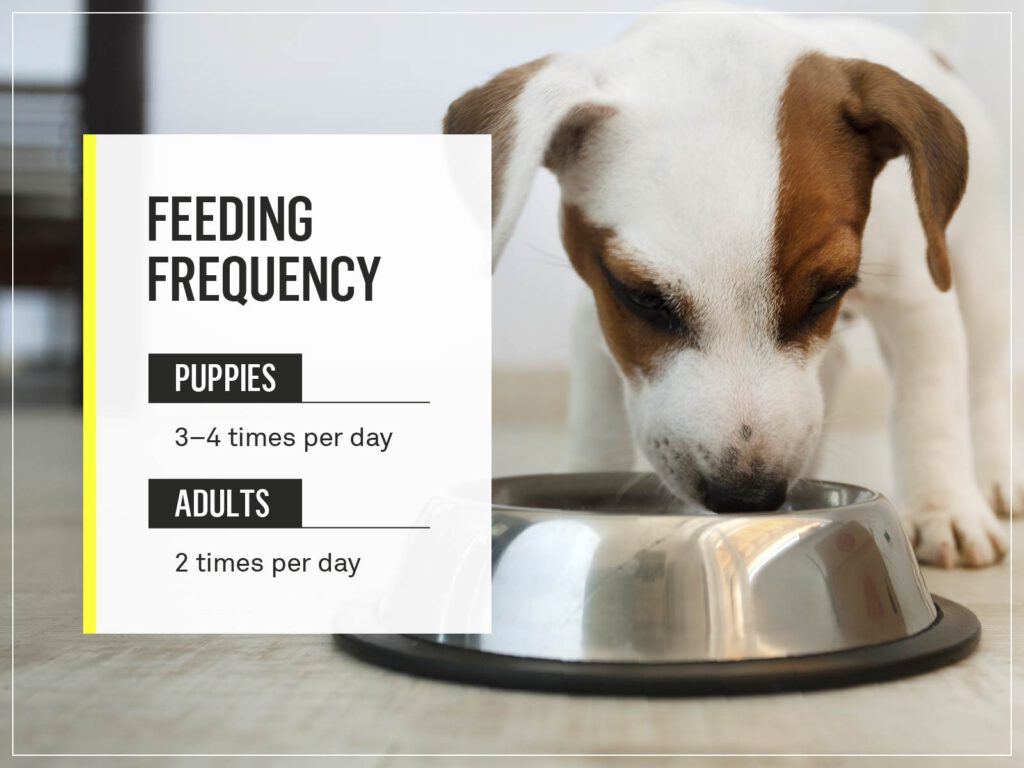
Start by mixing a small amount of adult food with your dog’s current food. Increase the adult food portion each day over 7 to 10 days. This slow change helps your dog’s stomach get used to new ingredients. Avoid switching foods suddenly to prevent upset stomach.
Avoiding Digestive Issues
Watch your dog’s stools during the food change. Soft or loose stools may mean the switch is too fast. Cut back on adult food and increase it more slowly. Keeping the digestive system calm avoids diarrhea and discomfort.
Monitoring Your Dog’s Response
Look for signs of good health like bright eyes and a shiny coat. Your dog should have steady energy and normal appetite. If you notice vomiting, diarrhea, or lack of interest in food, slow the transition. Consult a vet if problems continue.
Common Mistakes To Avoid
Feeding your dog adult food at the right time is important for their health. Many dog owners make simple mistakes that can harm their pet. Avoiding these errors helps your dog grow strong and stay healthy. Here are some common mistakes to watch out for.
Switching Too Early
Changing your dog’s food before they are ready can cause stomach problems. Puppies need special nutrients to grow. Adult food does not have these nutrients. Wait until your dog reaches the right age or size for adult food. Check your vet’s advice to know the best time to switch.
Ignoring Breed Differences
Different dog breeds grow at different speeds. Large breeds take longer to mature than small breeds. Feeding adult food too soon to a big breed can cause joint problems. Small breeds may need adult food sooner. Know your dog’s breed needs to feed them properly.
Overfeeding Or Underfeeding
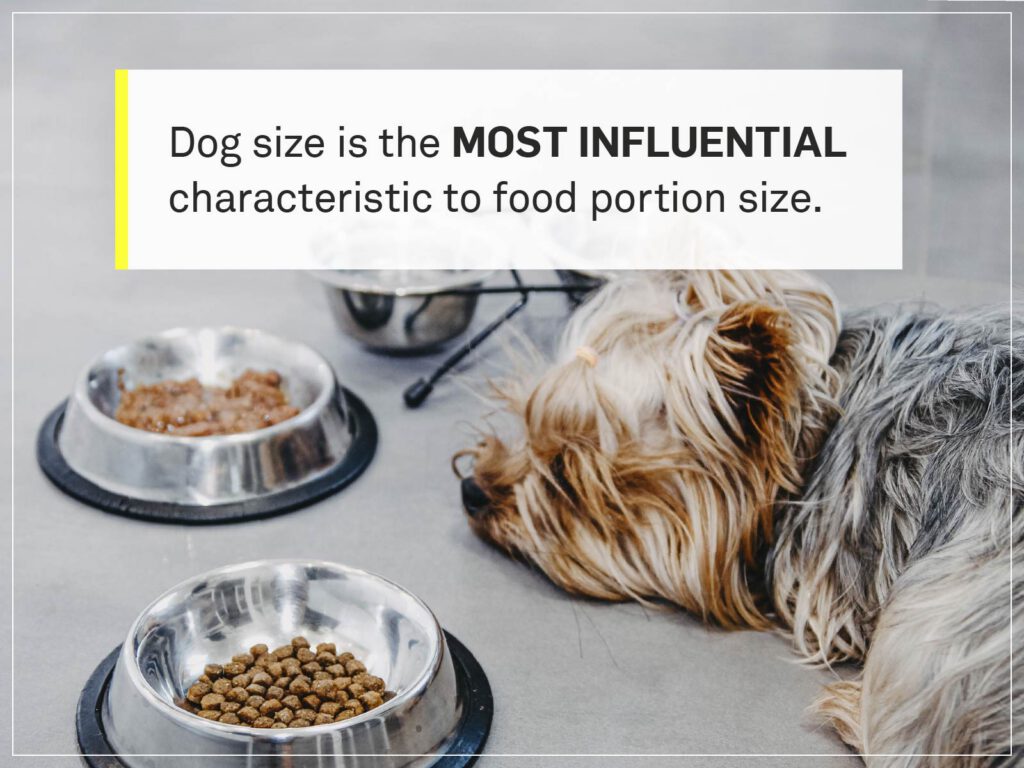
Giving your dog too much or too little food causes health issues. Overfeeding leads to obesity and joint stress. Underfeeding can make your dog weak and tired. Follow feeding guidelines on the dog food package. Adjust portions based on your dog’s activity and weight.
Veterinarian Recommendations
Veterinarians play a key role in deciding when to switch your dog to adult food. They watch your dog’s growth and health closely. Their advice helps ensure your pet gets the right nutrition at the right time.
Regular Checkups
Veterinarians recommend regular checkups during puppyhood. These visits track weight, teeth, and energy levels. They spot signs that your dog is ready for adult food. Skipping checkups can delay this important change.
Tailoring Diet Plans
Each dog is different. Vets create diet plans that suit your dog’s breed, size, and health. Some dogs need adult food earlier due to fast growth. Others may need to stay on puppy food longer. Personalized plans help avoid health problems.
When To Seek Professional Advice
Watch for changes in appetite or behavior. Sudden weight gain or loss needs veterinary advice. If your dog seems tired or sick, contact your vet. Early advice prevents nutrition mistakes and keeps your dog healthy.
Credit: www.gallant.com
Credit: www.purina.com
Frequently Asked Questions
When Is The Right Age To Feed Adult Dog Food?
Most dogs should start adult food between 12 to 18 months old. Small breeds may switch earlier, while large breeds might need more time. Consult your vet for breed-specific guidance to ensure proper nutrition and growth.
How To Transition From Puppy To Adult Dog Food?
Gradually mix adult food with puppy food over 7 to 10 days. Increase adult food portion daily to prevent digestive upset. This slow transition helps your dog adapt to new nutrients smoothly.
What Signs Indicate My Dog Needs Adult Food?
Signs include slowed growth, decreased energy, and losing puppy features. Your dog may also show different nutritional needs. Check with your vet to confirm the right feeding stage.
Can Feeding Adult Food Too Early Harm My Puppy?
Yes, feeding adult food too early can cause nutrient deficiencies. Puppies need more calories and specific nutrients for growth. Always feed age-appropriate food to support healthy development.
Conclusion
Choosing the right time to switch your dog to adult food matters a lot. Usually, dogs need adult food after they finish growing, around one year old. Larger breeds may need more time before the change. Watch your dog’s size, energy, and health for clues.
Talk with your vet to get the best advice. Feeding adult food too early or late can cause problems. Keep your dog healthy by feeding the right food at the right time. Your pet will thank you with a happy and strong life.


